
- Tuo AI

- Live

- My Account
- Shopping Cart
- Inquiry Basket
- Contact Us
- Back to Top




Galvalume Steel Coils
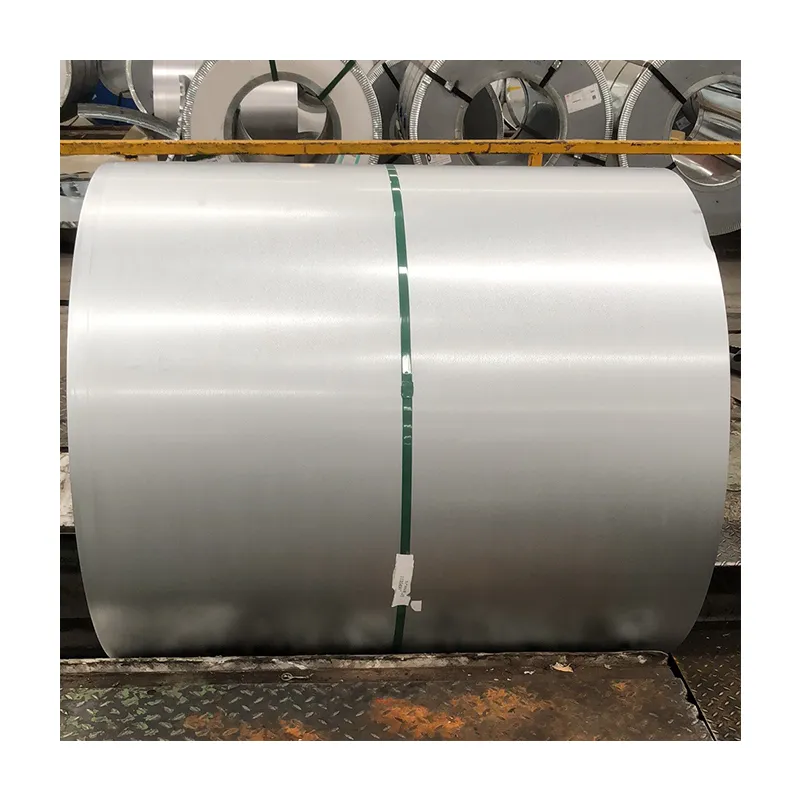
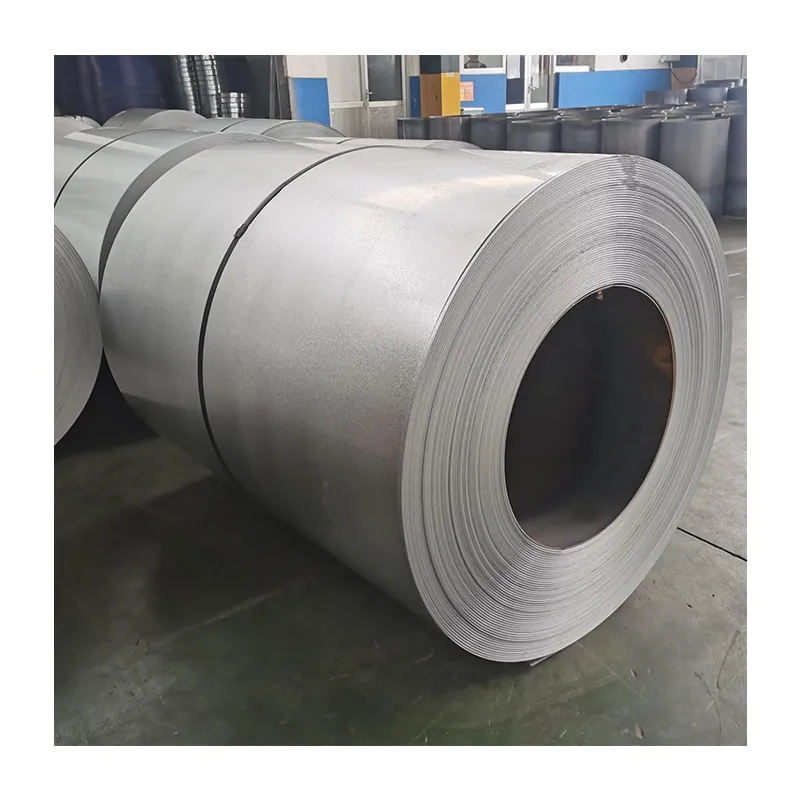
Galvalume steel coils (GL / Aluzinc) are premium metallic-coated raw materials engineered for superior atmospheric corrosion resistance, radiant heat reflectivity, and elevated temperature durability. Coated via continuous hot-dip processing with an alloy matrix of 55% aluminum, 43.4% zinc, and 1.6% silicon, Galvalume delivers 2 to 6 times the lifespan of standard galvanized steel by combining the sacrificial galvanic protection of zinc with the permanent passivating barrier of aluminum. Available in commercial and high-tensile structural grades (ASTM A792 Grade 50/80 and EN 10346 S350GD/S550GD+AZ) with AZ50 to AZ180 alloy coatings from 0.20 mm to 2.0 mm thickness. Browse technical specifications, standards comparisons, and coil handling solutions below.
Filters
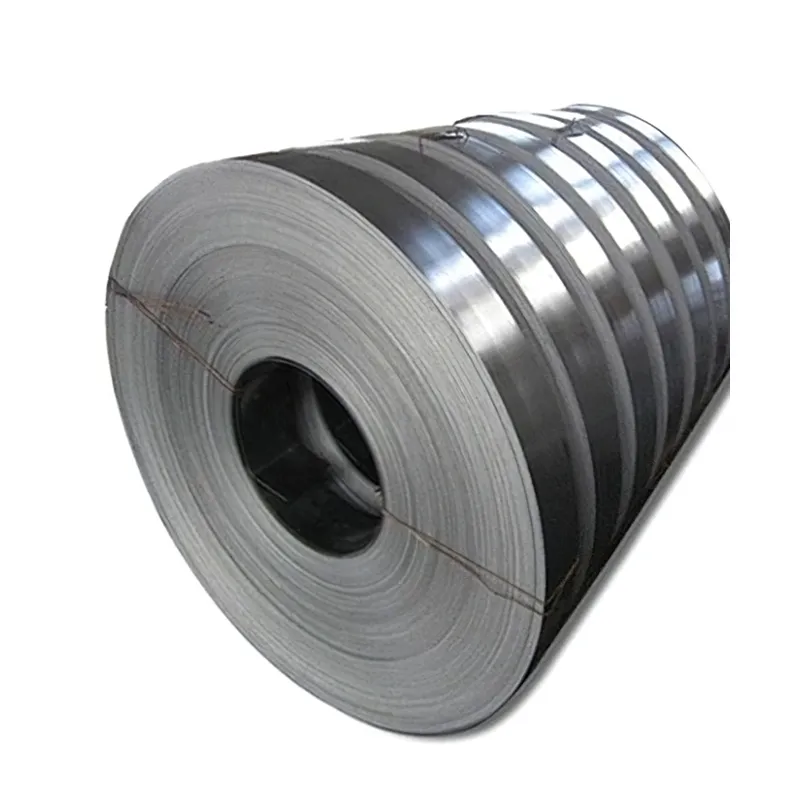 Acid Proof EN 10211 DX61D ASTM A1088 MSC JIS G3326 SGF400 0.55mm Chemical Tank Coil Aluminized Steel Coil
- Shandong, China+55%+15-21 days+DX51D,CS-B,SGCC+ASTM
$374.00
MOQ: 25
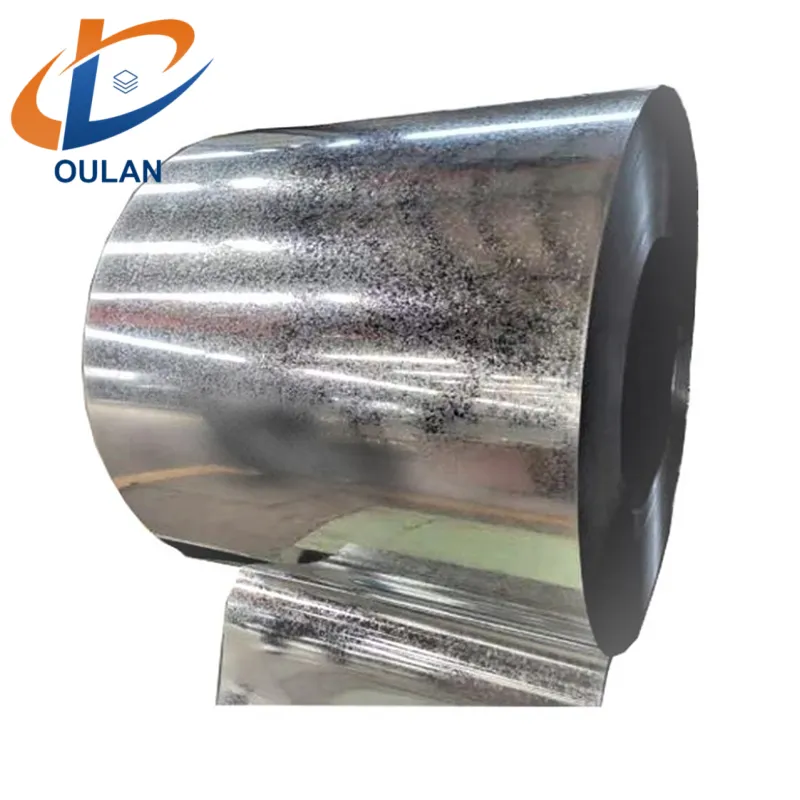 Galvalume ZM120 ZM160 ZM200 ZM240 ZM280 ZM320 0.8mm Building Facade Zinc Aluminum Magnesium Steel Coil
- as client's requirements+750-1350mm
$600.00
MOQ: 25
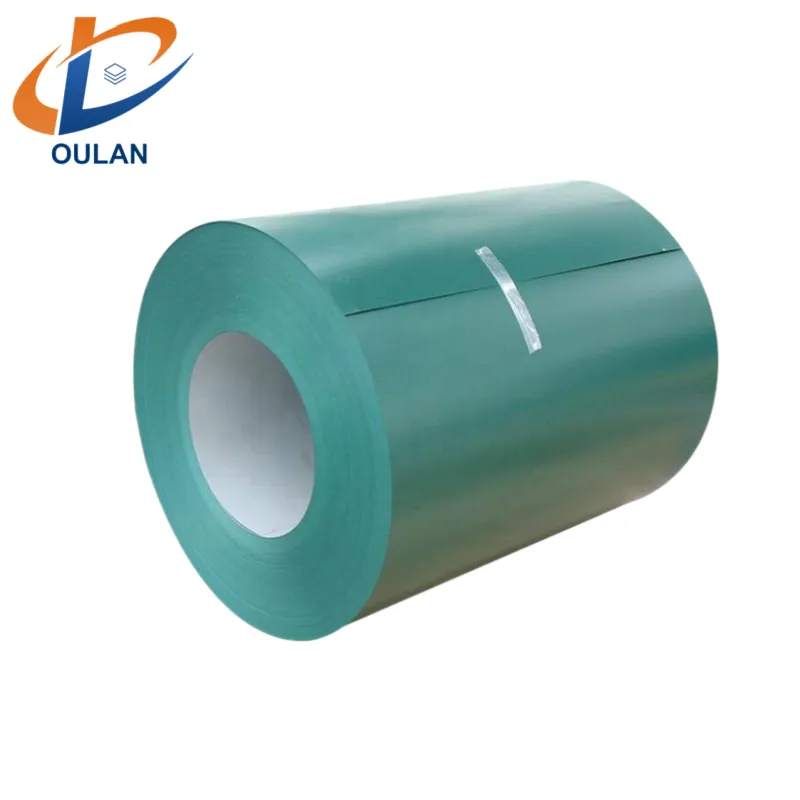 Solar Heat Reflective Galvalume Steel Coil for Factory Roof Renovation JIS Certified Cutting Welding Bending 1.0-2.0mm
- customize+1 251 mm ~ 1 500 mm
$466.50
MOQ: 20
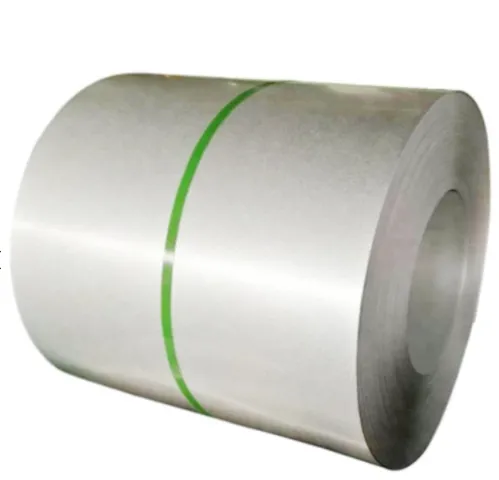 Factory Directly Provide G550 Aluzinc Galvalume Steel Coil DX51D Z275 Z350 Galvalume Steel Coil Bending Welding JIS ASTM
- Shandong, China+55%+15-21 days+DX51D,CS-B,SGCC+ASTM
$344.08
MOQ: 25
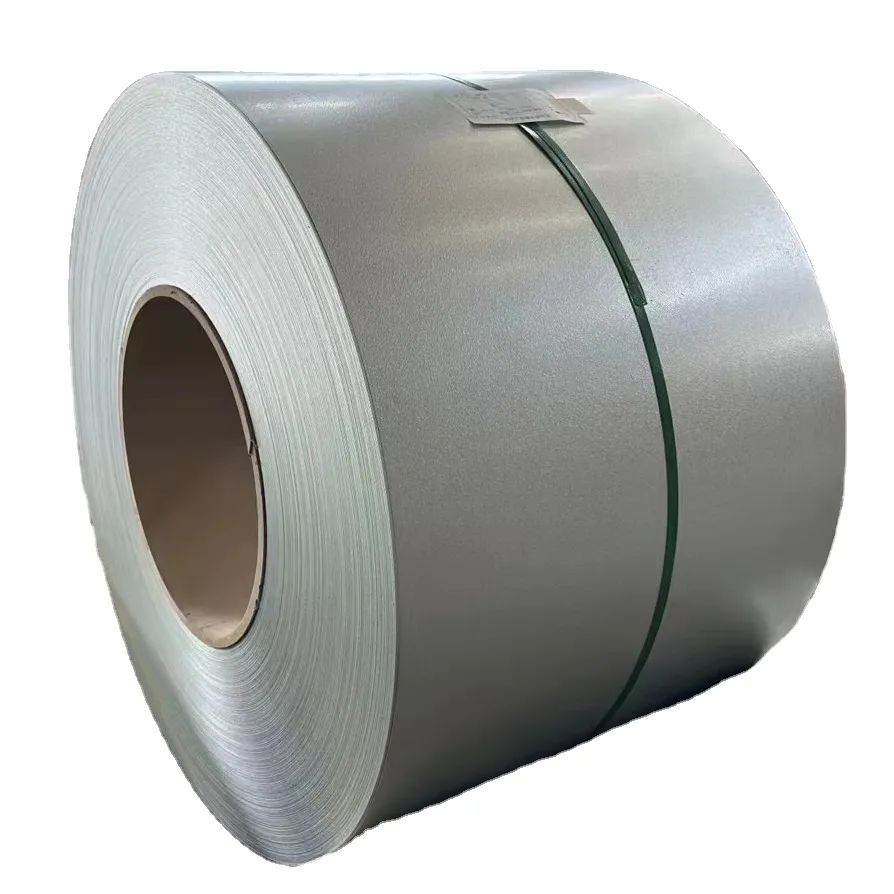 G550 S550GD AZ150 AFP 55% High Tensile Galvalume Steel Coil GL Coil Aluzinc Steel Coil for Purlin or Profiles
- Shandong, China+55%+15-21 days+DX51D,SGCC,CS-B+ASTM
$850.00
MOQ: 25
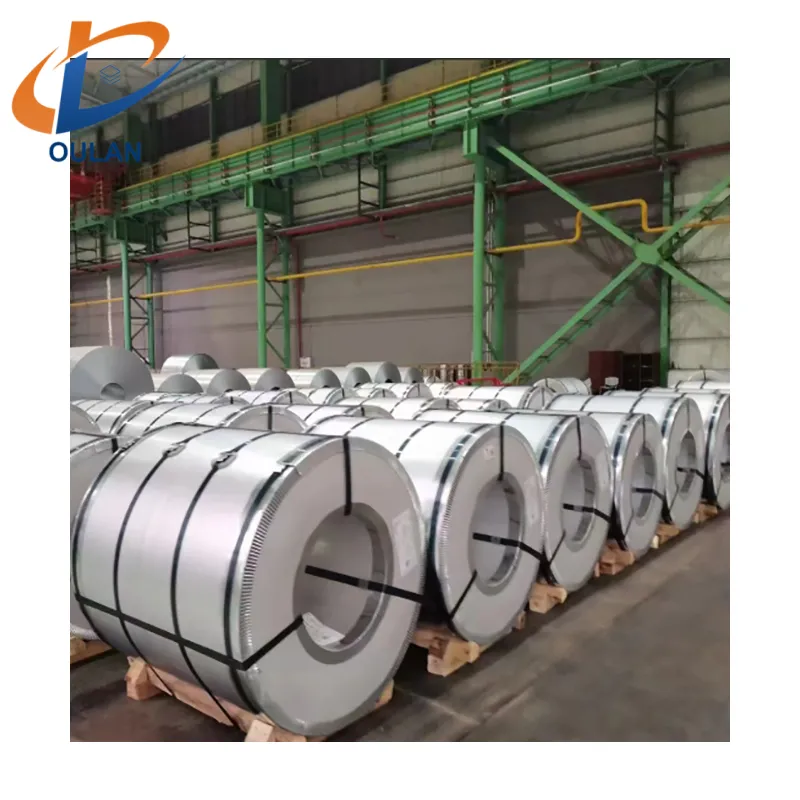 Durable Aluminum Zinc Alloy Coil AZ155 0.75mm HVAC Ductwork Systems Galvalume Steel Coil
- as client's requirements+750-1350mm
$373.43
MOQ: 25
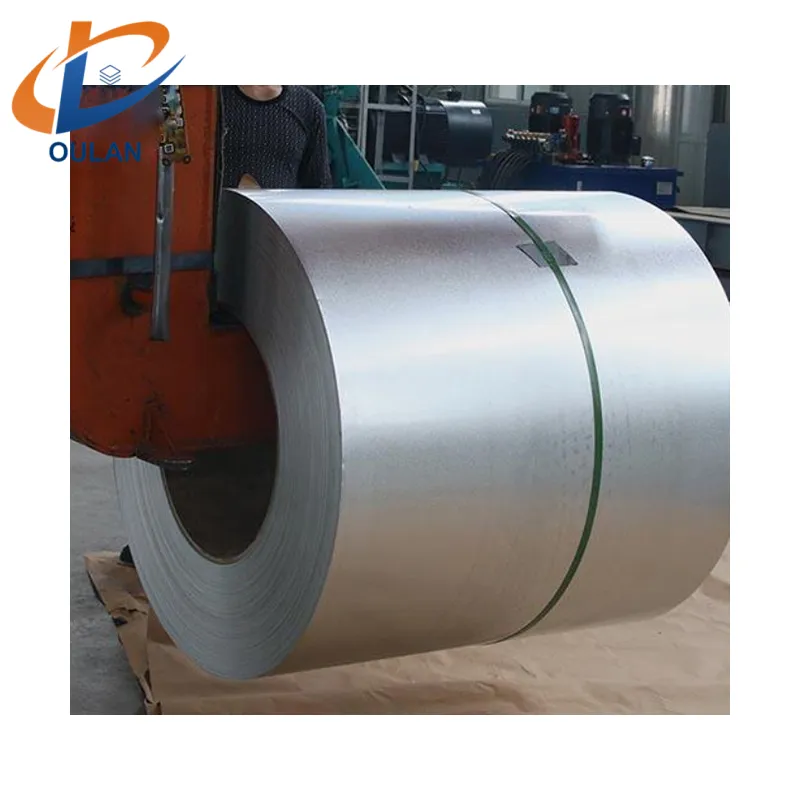 Custom Size Galvalume Coil DX54D AZ190 0.8mm Construction Projects Galvalume Steel Coil
- as client's requirements+750-1350mm
$373.43
MOQ: 25
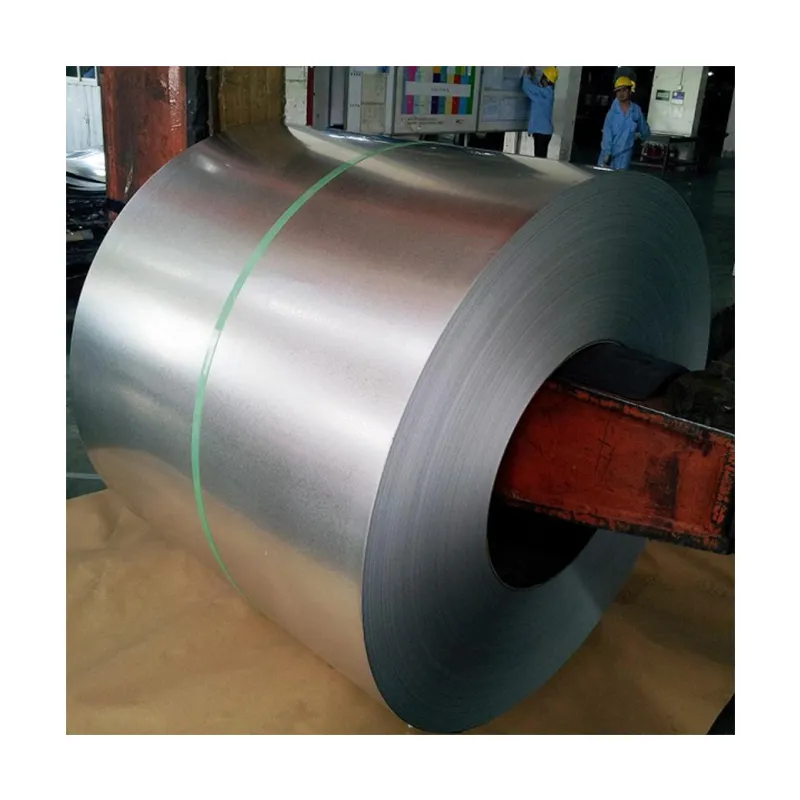 G550 55% 0.43mm 0.5mm Az150 Coated Zinc Aluminized Steel Coil Galvalume Steel Sheets in Coil
- Shandong, China+55%+22 ~ 30 days+SPCC SGCC+ASTM
$630.00
MOQ: 1
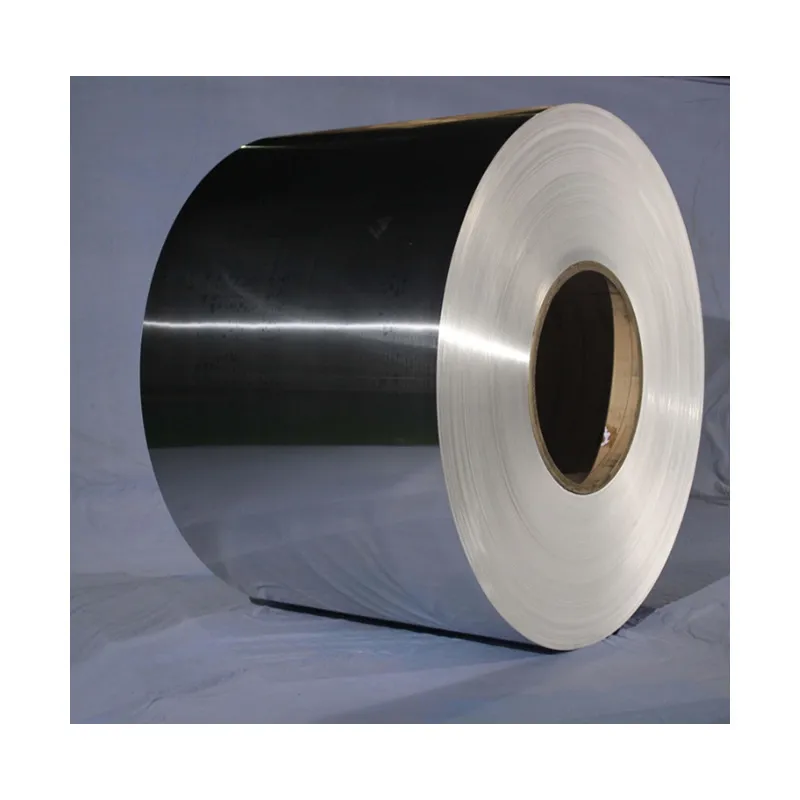 EN 10349 HCT950X+AZ 245G/Sm² Hyperloop Aluminized Steel Coil ASTM Standard Vacuum Tube Joint Coil with Cutting Welding Services
- Shandong, China+55%+15-21 days+DX51D,CS-B,SGCC+ASTM
$850.00
MOQ: 25
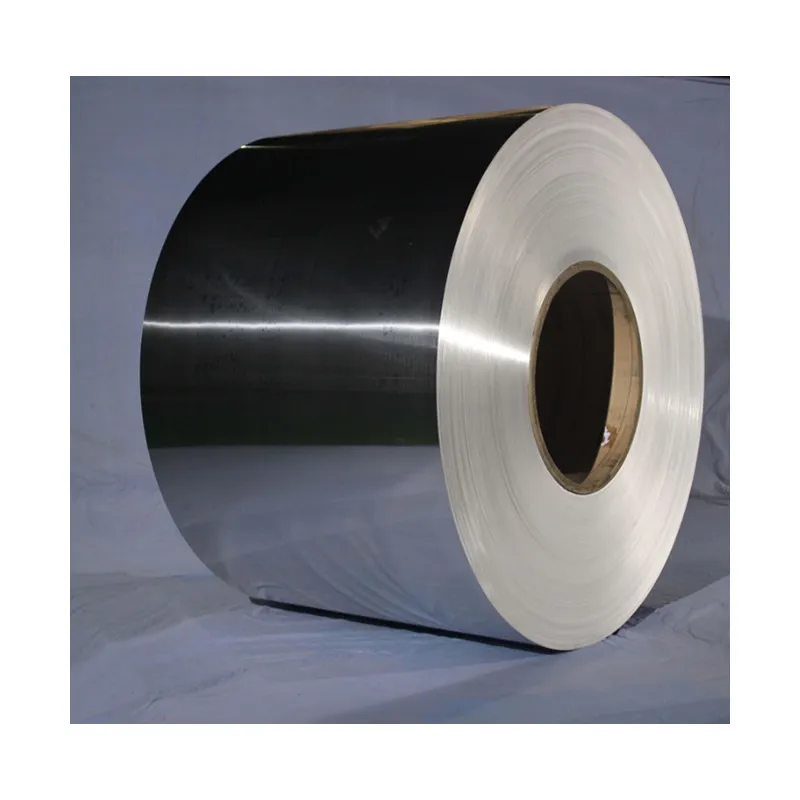 EMI Shielding MRI Room Lining Coil Aluminized Steel Coil ASTM A1008 CS Type B 0.55mm JIS Certificate Cutting Welding Processing
- Shandong, China+55%+15-21 days+DX51D,CS-B,SGCC+ASTM
$722.50
MOQ: 25
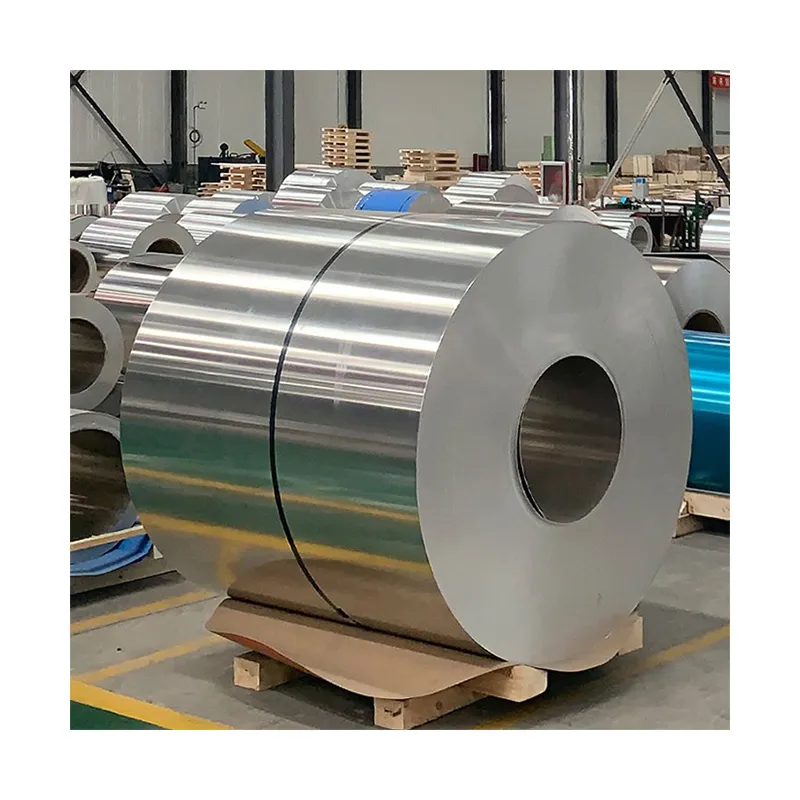 High Strength 0.5mm Aluminized Steel Coil for Industrial Roofing Cut Welding Bending JIS G3321/SAC340 EN 10346 HX180YD ASTM
- Shandong, China+55%+15-21 days+DX51D,CS-B,SGCC+ASTM
$850.00
MOQ: 25
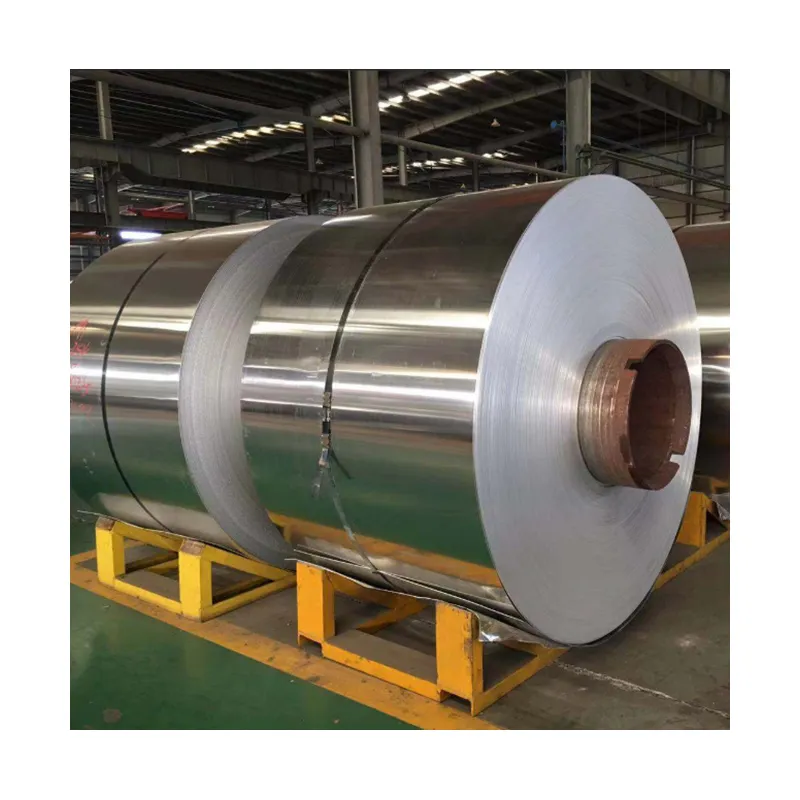 ASTM A1008 CS Type B 0.55mm Aluminized Steel Coil for EMI Shielding for MRI Room Lining and Welding/Cutting Process
- Shandong, China+55%+15-21 days+DX51D,CS-B,SGCC+ASTM
$557.60
MOQ: 25
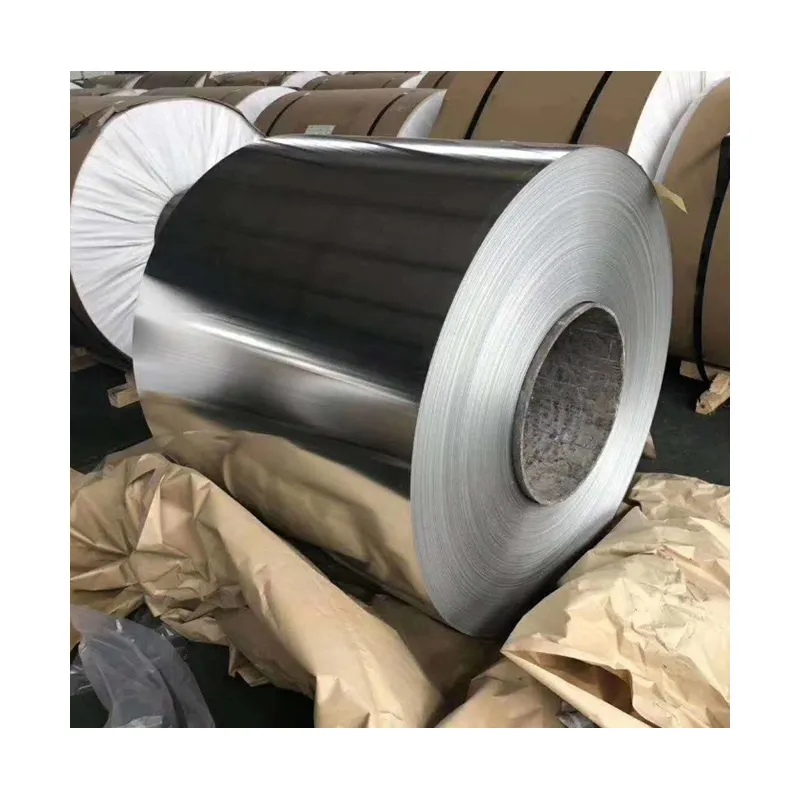 JIS G3332 SGH1100 0.63Mm Aluminized Steel Coil for Floating Nuclear Plant Containment ASTM Bending Cutting Welding Available
- Shandong, China+55%+15-21 days+DX51D,CS-B,SGCC+ASTM
$374.00
MOQ: 25
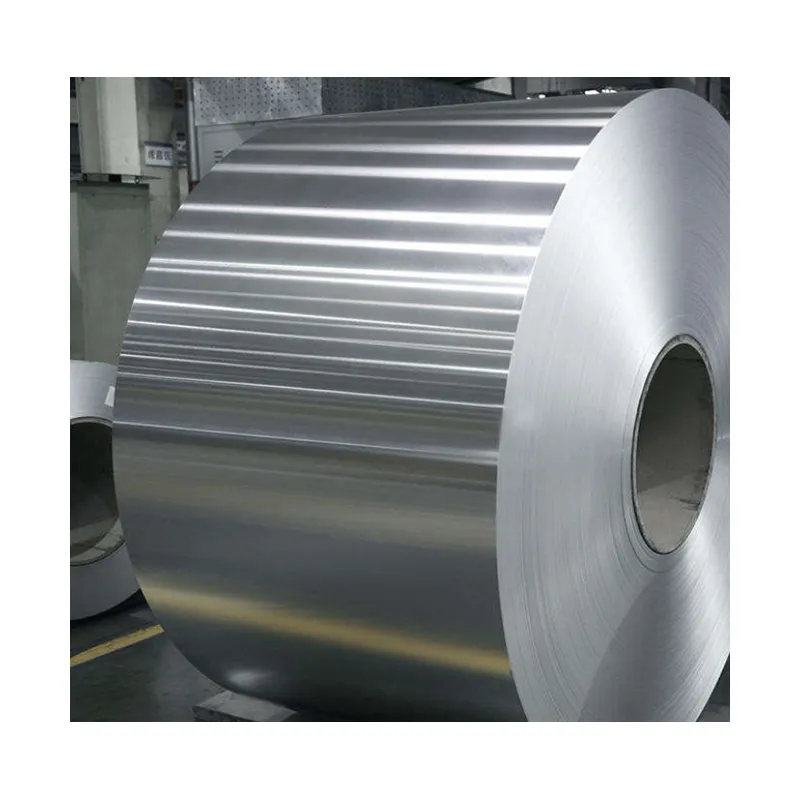 Factory Aluminized Steel Coil Weatherproof EN 10346 DX54D DX56D JIS G3322 SGLCC ASTM A653 SS400 0.6mm with Cutting Service
- Shandong, China+55%+15-21 days+DX51D,CS-B,SGCC+ASTM
$374.00
MOQ: 25
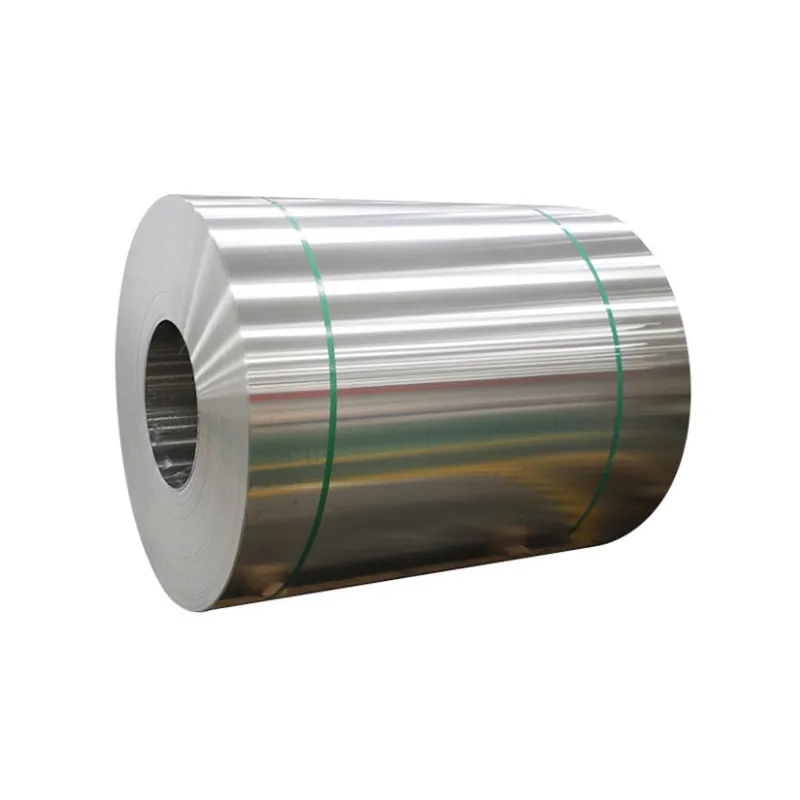 Corrosion Resistant ASTM A463 DX51D DX52D DX53D JIS G3321 HX180YD 0.5mm Roofing Sheet Coil for Factories Aluminized Steel Coil
- Shandong, China+55%+15-21 days+DX51D,CS-B,SGCC+ASTM
$440.00
MOQ: 25
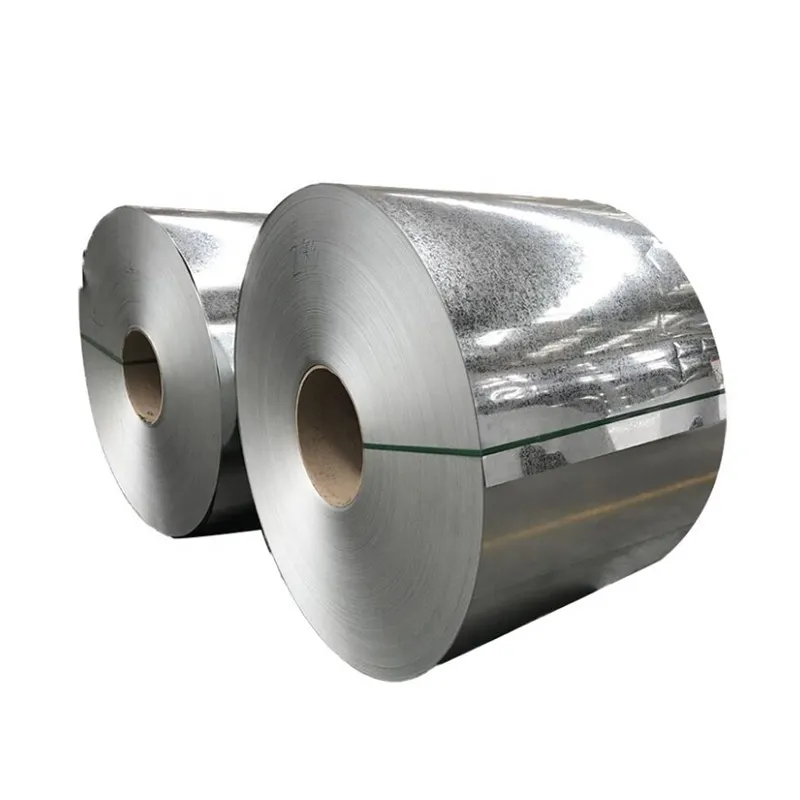 Vibration Damping ASTM A1091 MSF JIS G3330 SGF600 EN 10148 HX450LAD 0.85mm Machine Base Coil Aluminized Steel Coil
- Shandong, China+55%+15-21 days+DX51D,CS-B,SGCC+ASTM
$374.00
MOQ: 25
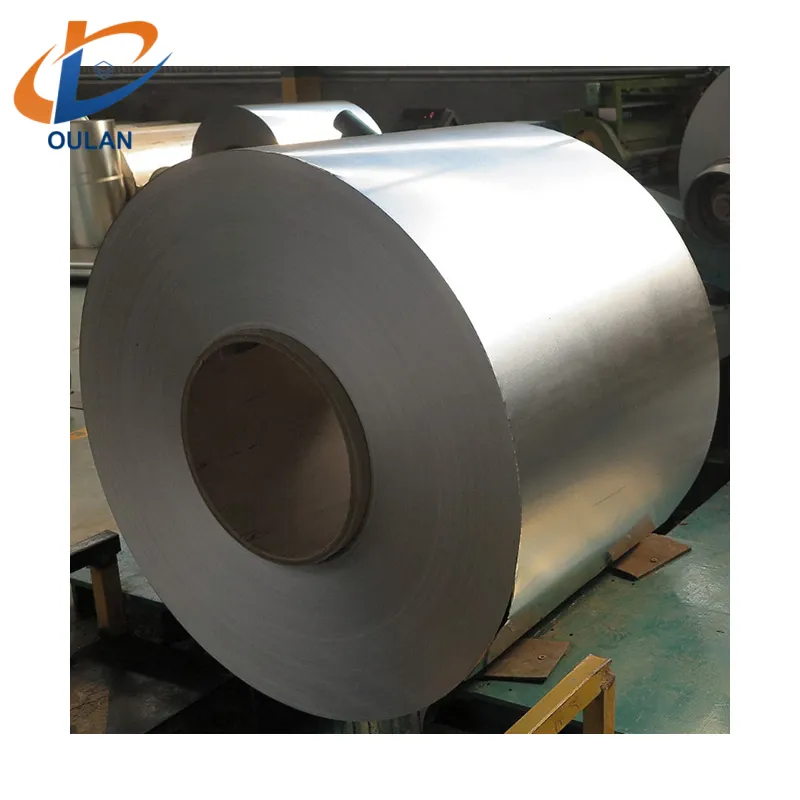 Heavy Machinery Plates DX51D CS-B SGCC ASTM Galvalume Steel Coil for Mining Equipment Manufacturing Cutting Welding 0.15-2.0mm
- as client's requirements+750-1350mm
$373.43
MOQ: 25
 Extreme Weather Resistant ASTM Standard S550GD AZ180 1.8mm Polar Region Construction Galvalume Steel Coil Cutting Welding
- as client's requirements+750-1350mm
$373.43
MOQ: 25
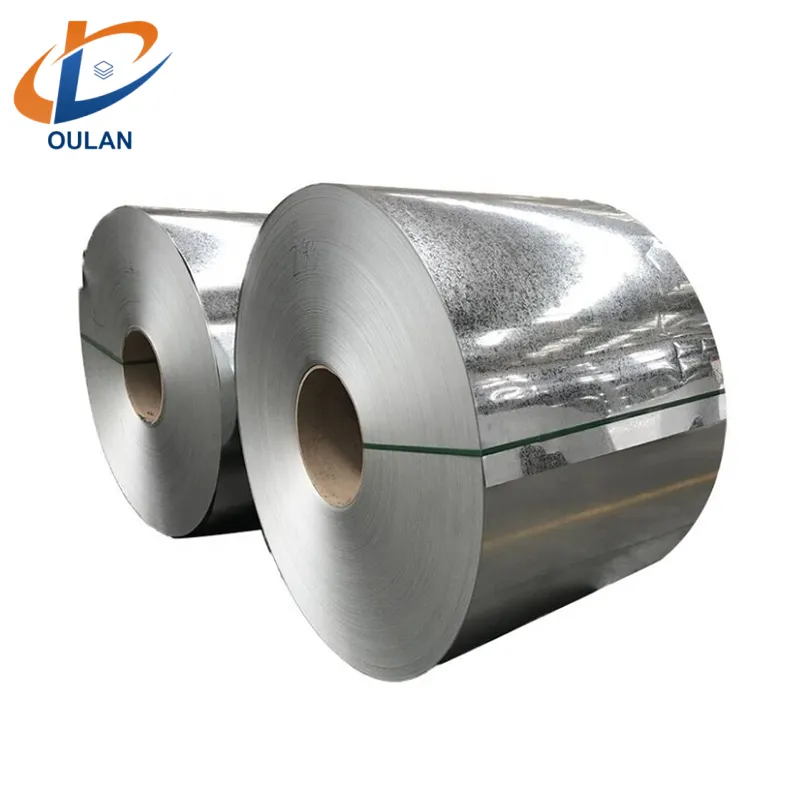 ASTM Standard DX51D CS-B SGCC Galvalume Steel Coil AZ81-AZ120 Coating Cutting Welding for Construction Oil Gas Pipelines
- as client's requirements+750-1350mm
$373.43
MOQ: 25
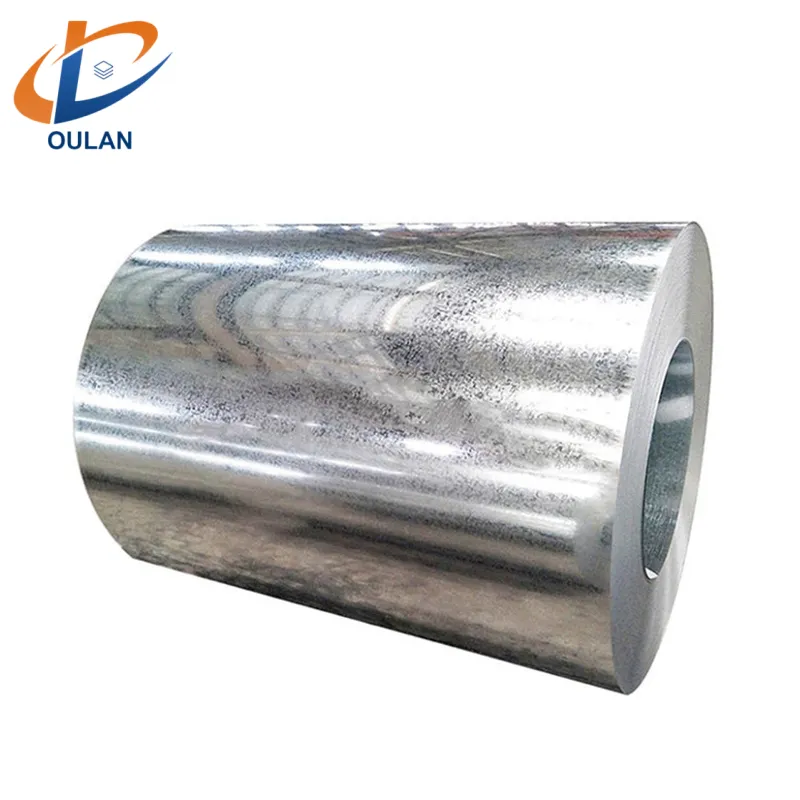 ASTM Standard DX51D Grade AZ55 0.28mm Galvalume Steel Coil for Construction Use with Cutting & Welding Services
- as client's requirements+750-1350mm
$373.43
MOQ: 25
 Marine Grade Corrosion Defense DX54D HX380LAD S350GD AZ165 0.45mm Shipbuilding Components Galvalume Steel Coil
- as client's requirements+750-1350mm
$373.43
MOQ: 25

About Galvalume Steel Coils
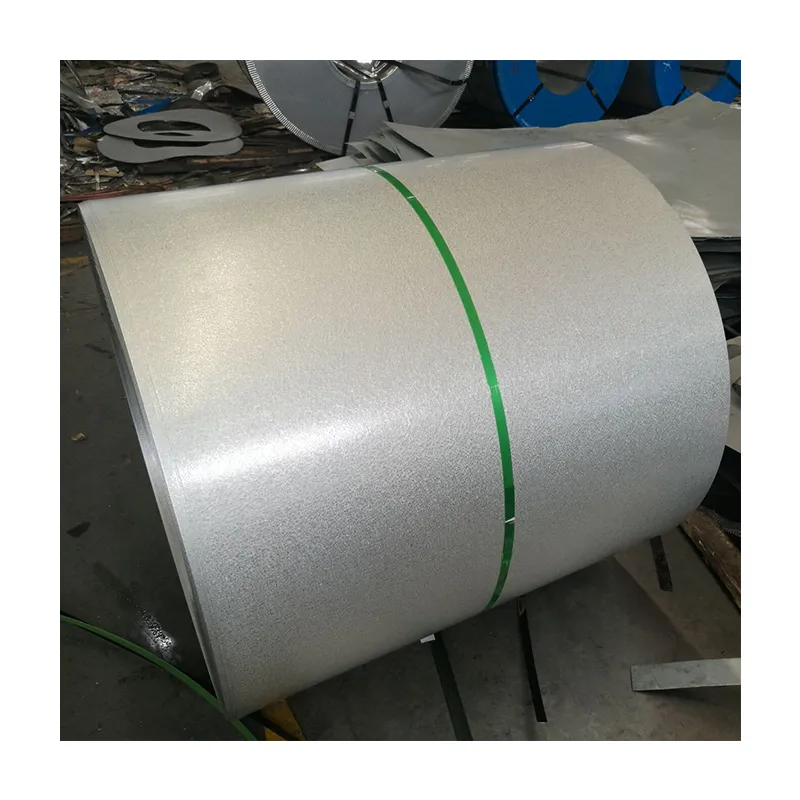
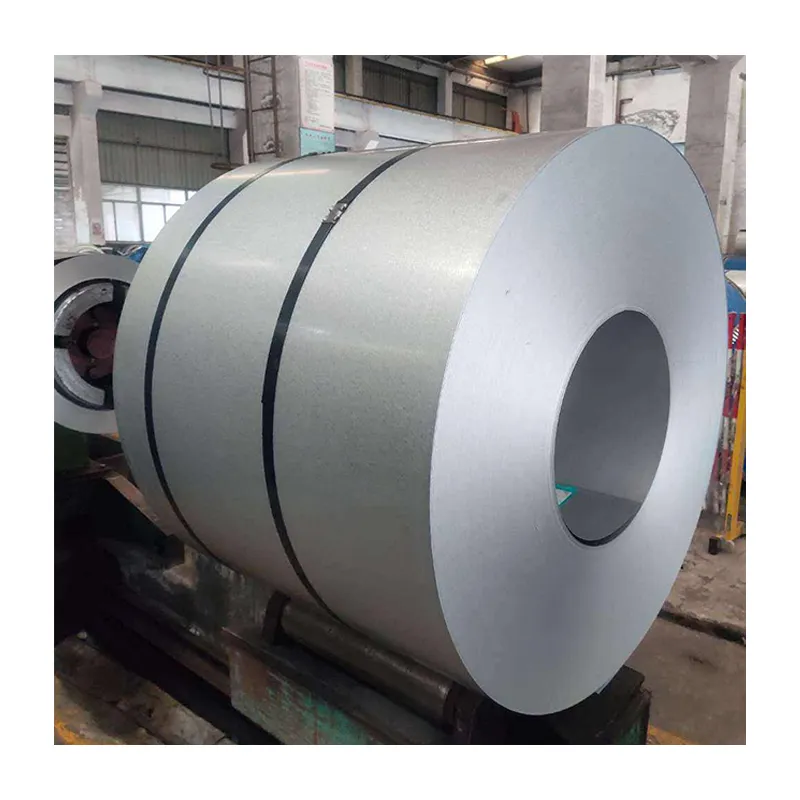
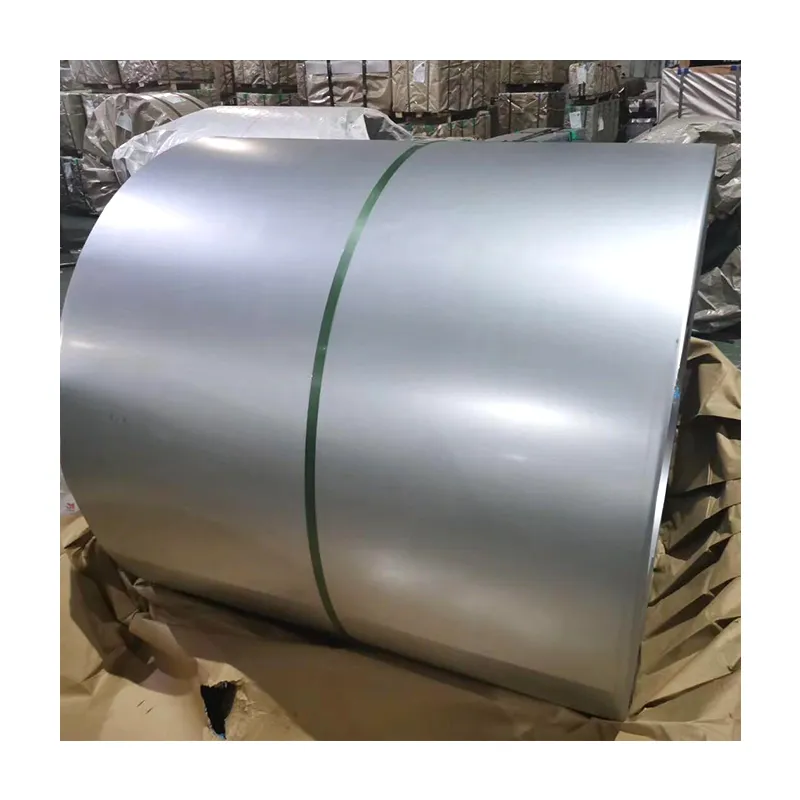
Galvalume steel coils represent a transformative advancement in metallic-coated coil technology, specifically engineered to outperform conventional hot-dip galvanized steel across harsh outdoor roofing, coastal environments, and high-temperature thermal applications. The unique alloy composition—nominally 55% Aluminum, 43.4% Zinc, and 1.6% Silicon by weight—solidifies during continuous hot-dip processing into a specialized microscopic dendrite structure: zinc-rich areas provide sacrificial galvanic edge and scratch protection, while aluminum-rich dendrites form an impervious, durable barrier of inert aluminum oxide.
This metallurgical synergy produces three distinct engineering advantages: unparalleled corrosion resistance delivering 30 to 50 years of maintenance-free service in industrial and marine atmospheres; thermal reflectivity exceeding 70% to 75% of solar radiation (acting as an energy-efficient 'cool roof' barrier that significantly reduces interior HVAC cooling loads); and superior heat resistance capable of withstanding continuous service temperatures up to 315°C without surface discoloration or scaling (and up to 500°C intermittently).
In cold roll forming production, Galvalume strip offers consistent ductility and uniform yield strength. Coils are available with regular micro-crystalline spangle patterns and are standardly treated with an organic or inorganic transparent anti-fingerprint (AFP) resin coating—often tinted clear, translucent green, or light blue—which protects the surface from handling stains, roll forming scratches, and wet-storage staining without requiring messy protective oils.
These coils feed high-speed roll forming lines producing standing seam architectural roofs, unpainted corrugated industrial cladding, composite floor decking, commercial grain silos, solar PV mounting rails, and automotive heat-shielding components.
Applications
Architectural Standing Seam Cool Roof Systems
Galvalume steel coils with 70%+ solar heat reflectivity and AZ150 alloy coating form concealed-fastener standing seam roofs, drastically lowering building cooling energy while preventing long-term corrosion.
Industrial Chemical & Coastal Marine Building Envelopes
The microscopic aluminum-zinc barrier in 55% Al-Zn Galvalume delivers 2 to 6 times the service life of traditional galvanized steel under aggressive coastal salt-spray and acidic industrial environments.
High-Temperature Exhaust Flues & Appliance Heat Shields
Operating reliably up to 315°C continuously without discoloration and up to 500°C without scaling, Galvalume coils serve as high-temperature ventilation flues, automotive heat shields, and furnace casings.
Commercial Grain Storage Silos & Agricultural Bins
High-tensile structural grade Galvalume coils (yield strength up to 550 MPa) are roll formed into curved corrugated silo sidewall rings, providing abrasion resistance, structural stiffness, and grain moisture protection.
Solar PV Rooftop Mounting Rails & Ground Systems
Heavy AZ150 and AZ180 Galvalume steel coils provide lightweight, high-yield cold-formed mounting struts and roof clamps, guaranteeing a 25-year structural service life matching solar module design lifespans.
Technical Overview
| Parameter | Information |
|---|---|
| Product / Material Family | 55% Aluminum-Zinc alloy coated steel coil (Galvalume / GL / Aluzinc) |
| Chemical Coating Composition | 55.0% Aluminum (Al), 43.4% Zinc (Zn), 1.6% Silicon (Si) |
| Manufacturing Standards | ASTM A792/A792M, EN 10346, JIS G3321, AS 1397 |
| Common Steel Grades | DX51D+AZ, S350GD+AZ, S550GD+AZ, CS Type B, SS Grade 50, SGLCC, SGLC570 |
| Coil Thickness Range | 0.20 mm – 2.00 mm (tolerance ±0.02 mm to ±0.03 mm) |
| Coil Width Range | 600 mm – 1500 mm (standard 914 / 1000 / 1200 / 1219 / 1250 mm; custom slit) |
| Coating Mass Designation | AZ50, AZ70, AZ100, AZ150 (standard 150 g/m²), AZ180 (triple-spot test) |
| Surface Passivation & Treatment | Anti-Fingerprint (AFP transparent/blue/green), chromated, lightly oiled |
| Heat & Temperature Resistance | Continuous up to 315°C without discoloration; up to 500°C oxidation resistant |
| Solar Reflectance (Cool Roof) | ≥70% initial solar reflectance (reduces building cooling energy loads) |
Related Solutions
Heavy Coil Handling Solution
Coil infeed is a weight class plus a drive: manual expand, electric expand with…
Standing Seam Roofing Project Solution
A standing-seam project is a shop mill that forms lock legs, plus an on-roof sea…
Metal Roofing & Wall Panel Roll Forming Solution
Trapezoidal / IBR, standing-seam, corrugated or glazed-tile roof and wall panel…
Metal Sheet Processing Solution
Blanking and cut-off around a roll former is a shear class: flying (tracking) sh…
Sandwich Panel Production Solution
Continuous EPS and rock-wool sandwich line. Example below: 1220 mm feed, 19 stan…
Multi-Layer Roofing Solution
One mill that sells two (or three) roof profiles, and a barrel corrugator that s…
Related Information

Prepainted Steel Coil: PPGI vs PPGL vs AZ150 Coating Systems
PPGI vs PPGL vs AZ150 — coating composition, corrosion resistance, color durabil…
Read More
Steel Coil for Roll Forming: Specifications, Grades & How to Choose
The complete guide to steel coil for roll forming — thickness ranges, width stan…
Read More
Galvanized Coil Specifications for Roll Forming: ASTM A653 vs EN 10346 vs JIS G3302
galvanized coil specifications astm a653 en 10346 jis g3302
Read More
Surface Scratching on Prepainted (PPGI) & Galvanized Coils: Prevention in Roll Forming
surface scratching prepainted ppgi galvanized coils prevention roll forming
Read More
Steel Coil Slitting Line: How It Works and When You Need One
What does a coil slitting line do? Blade arrangement, speed, width tolerance, an…
Read More
ASTM vs EN Steel Standards: Reading a Mill Certificate
A mill certificate decides whether your coil is right for the job. How ASTM and…
Read More
FAQ
What is the metallurgical difference between Galvalume (GL) and Galvanized (GI) steel coils?
Galvanized steel is coated with 99% pure zinc, relying purely on sacrificial protection. Galvalume features an alloy coating of 55% aluminum, 43.4% zinc, and 1.6% silicon. The microscopic dendrite structure forms an aluminum oxide barrier that blocks corrosion, delivering 2 to 6 times longer lifespan in outdoor atmospheric exposure.
What do AZ designations (such as AZ50, AZ100, AZ150) mean on a Galvalume mill certificate?
AZ indicates an Aluminum-Zinc coating, followed by the total coating mass on both surfaces. Under ASTM A792, AZ50 designates 0.50 oz/ft² (approx. 150 g/m² under metric EN 10346 designated as AZ150). AZ150 is the globally recognized engineering standard for bare, unpainted architectural metal roofing.
Why is Galvalume preferred over galvanized steel for commercial 'cool roofs'?
Bare Galvalume exhibits high solar reflectance exceeding 70% to 75% and high thermal emittance. By reflecting solar infrared radiation rather than absorbing it, Galvalume roofs reduce attic and interior building temperatures by up to 4°C to 6°C, significantly cutting summer building air conditioning electrical costs.
What is Anti-Fingerprint (AFP) passivation and why is it recommended for roll forming?
AFP is a thin, dry organic/inorganic polymer barrier applied after hot-dipping. It prevents dark fingerprints, staining during roll forming and job-site installation, and eliminates the need for vanishing oil. It also acts as an in-line roll forming lubricant, reducing roller scuffing on delicate unpainted surfaces.
How does Galvalume perform in high-temperature environments compared to galvanized steel?
Pure galvanized steel begins peeling and discolors above 200°C due to zinc-iron alloying. Galvalume operates continuously up to 315°C without discoloration and up to 500°C without flaking, making it the preferred raw material for chimney flues, industrial oven liners, and automotive exhaust heat shields.
Are there any environments where bare Galvalume should not be used?
Bare Galvalume should not be installed in direct contact with wet concrete, mortar, or damp soil, nor in enclosed animal confinement buildings where high concentrations of ammonia vapors accumulate without adequate ventilation (where heavy-zinc GI or specialized coatings perform better).
What specifications are required when requesting a Galvalume coil quotation?
Buyers should specify standard and grade (e.g., ASTM A792 SS Grade 50 or EN 10346 S350GD+AZ), nominal thickness and width (mm), coating mass (e.g., AZ150), surface treatment (Anti-Fingerprint clear/blue or passivated), inner coil diameter (508 mm or 610 mm), and maximum individual coil weight.