
- Tuo AI

- Live

- My Account
- Shopping Cart
- Inquiry Basket
- Contact Us
- Back to Top




Roofing Sheets
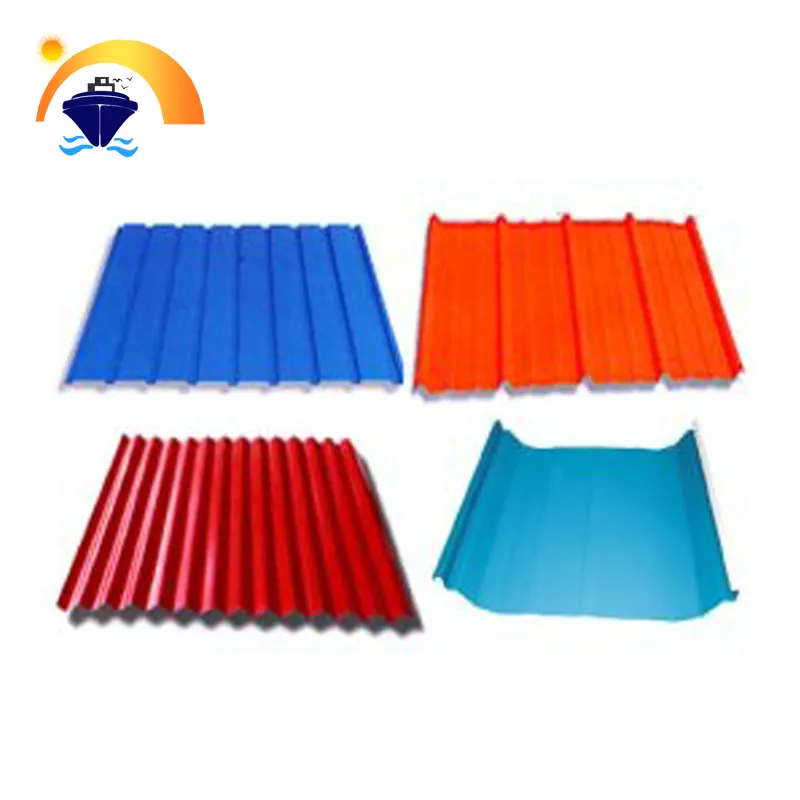
Roofing sheet roll forming lines continuously convert prepainted galvanized steel (PPGI), galvanized steel (GI), and galvalume (GL) coils into structural metal roofing and cladding panels. Typical outputs cover classic trapezoidal rib profiles (such as YX35-125-750, 840, and 820), sinusoidal corrugated sheets, heavy-duty industrial IBR sections, and architectural glazed step-tiles. Engineered to process coil thicknesses from 0.2 mm to 0.8 mm at speeds up to 25–40 m/min, standard production systems integrate decoiling, high-precision precision roll stands, anti-capillary grooving, hydraulic or synchronized flying cut-off, and automated runout stacking. Explore verified profile geometries, technical specifications, and turnkey production line solutions below to evaluate the optimal roll former for your building project.
 Nail Strip Standing Seam Roof Panel Roll Forming Machine Clipless Metal
- Nail Strip Standing Seam Metal Roof Panel
$18,000.00
MOQ: 1
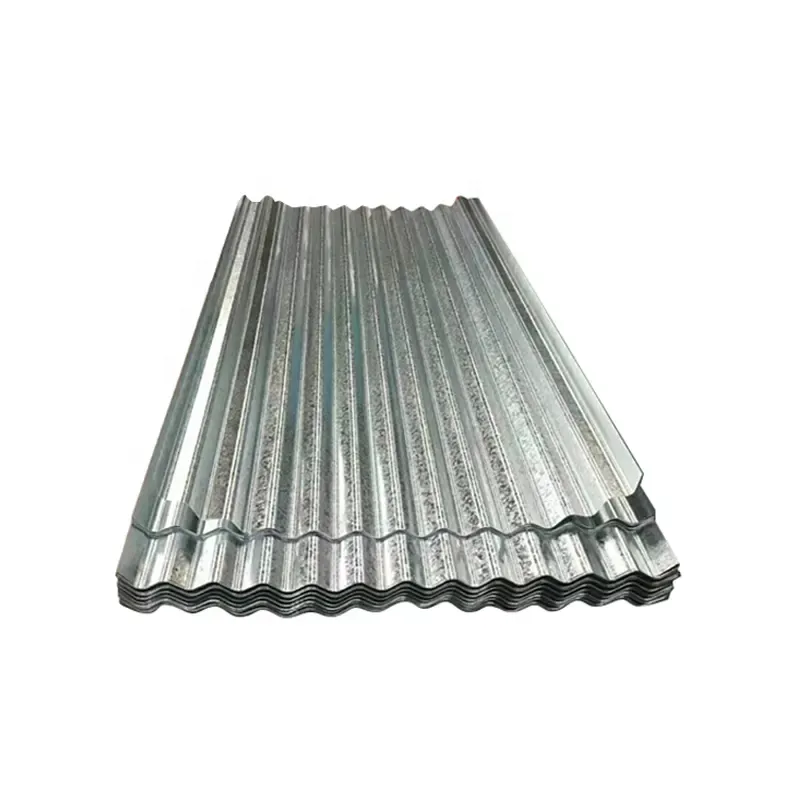
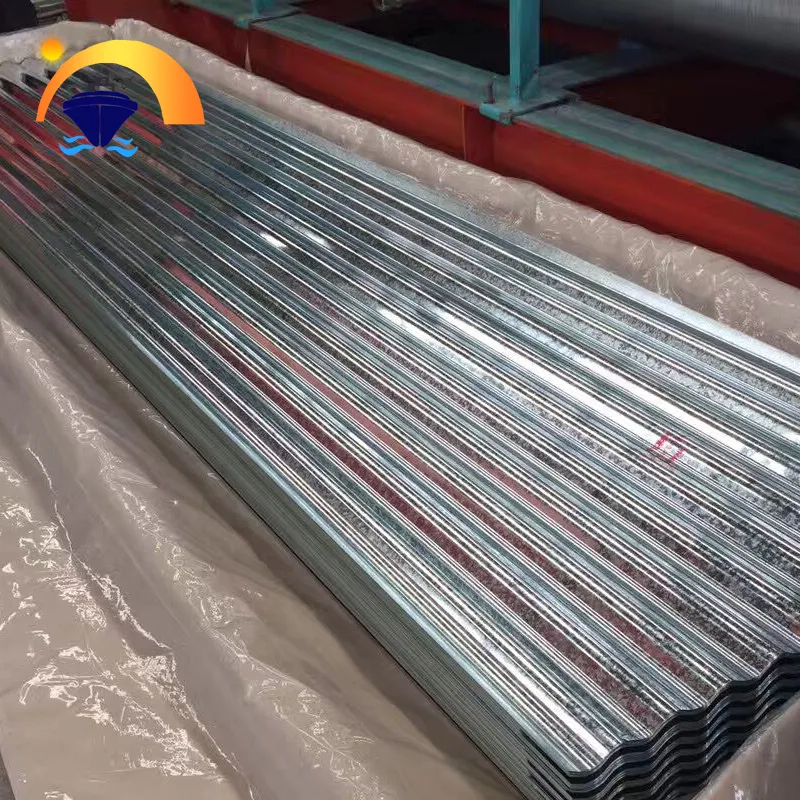
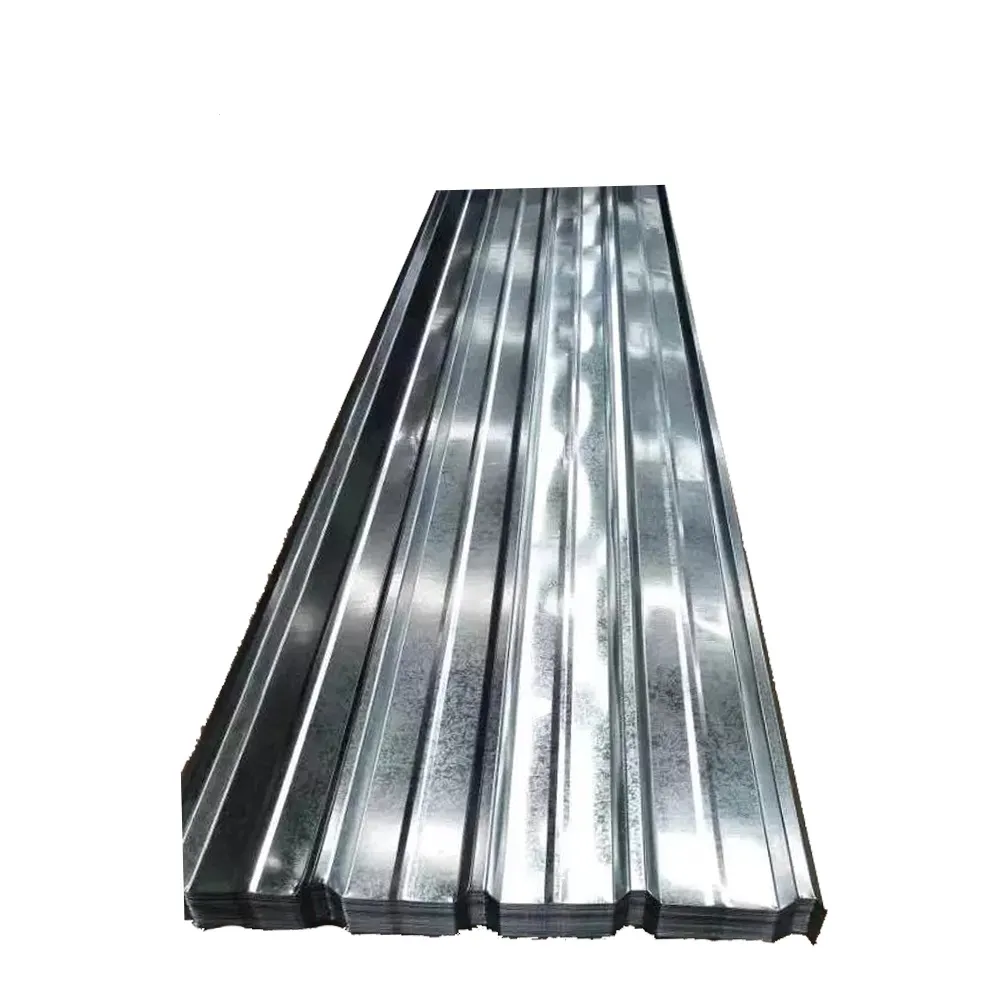 Galvanized Sheet Metal Roofing Corrugated Steel Sheet Zinc Galvanized Corrugated Steel Roofing Sheets
- China+15-21 days+DX51D+AiSi, ASTM, BS, DIN, GB, JIS+Building, Roofing tile,Ceilling
$580.00
MOQ: 25
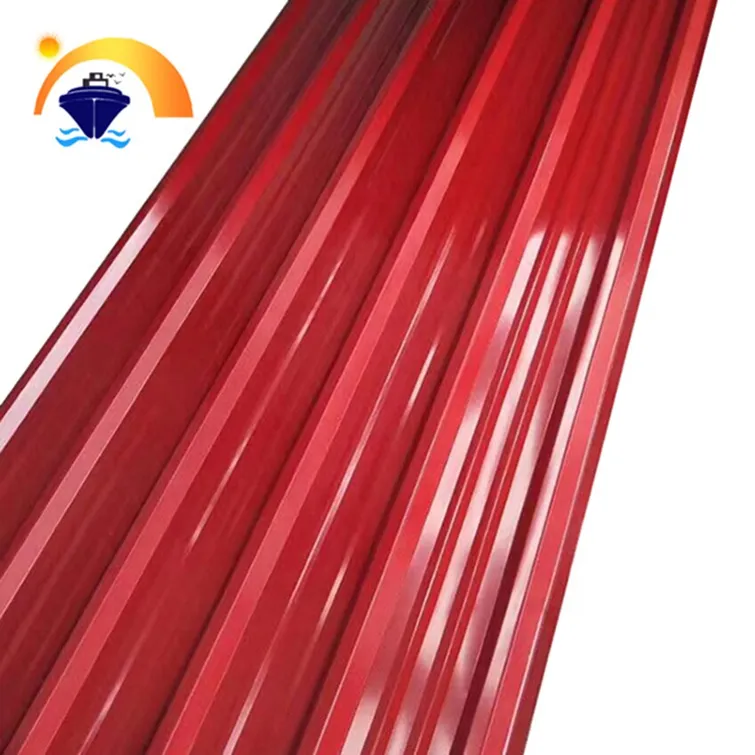 Factory High Quality Cheap Price 0.12-2.75 mm Thickness ASTM Color-Coated Galvanized Steel Roofing Sheet Corrosion Resistance
- Tianjin, China+21 Days+JIS+SGCC,CGCC,DX51D,DX52D+Baosteel
$630.00
MOQ: 25
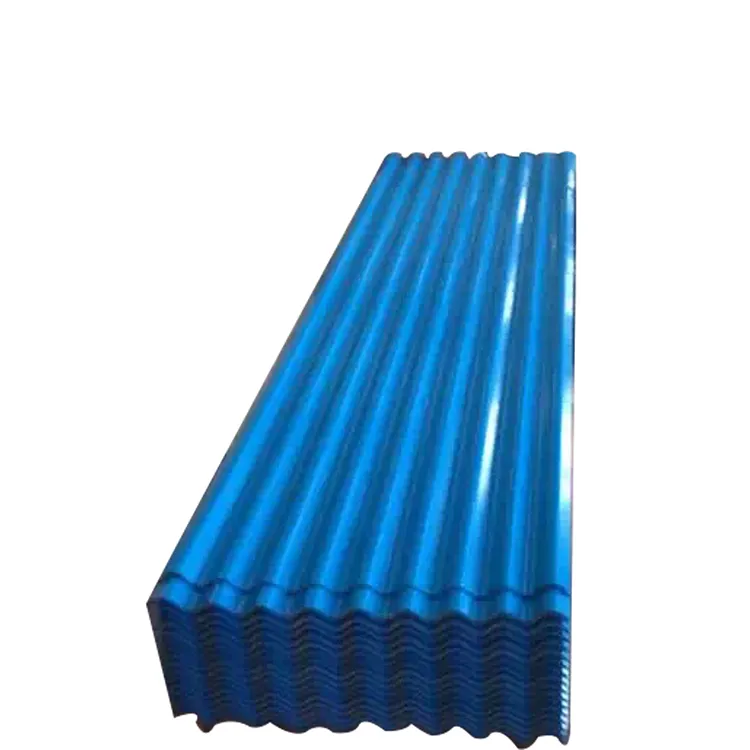
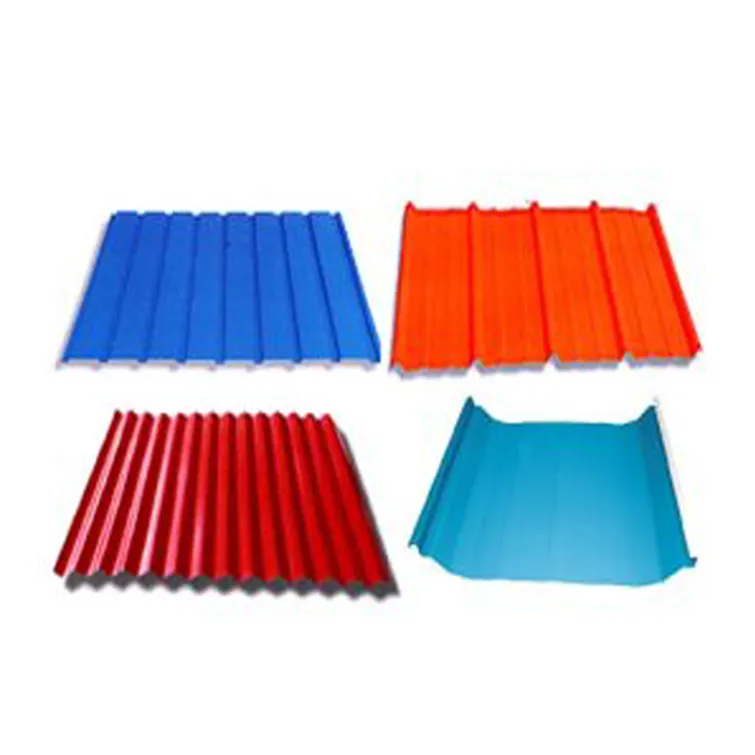 Manufacturer PPGI Galvanized Corrugated Iron Steel Color Coated 0.5mm Corrugated Roof Panel JIS Prepainted Corrugated Roof Panel
- Tianjin, China+15-21 days+GB+Building Material,Roof, walls, workshops+API , TISI, JIS, ISO 9001
$685.00
MOQ: 25
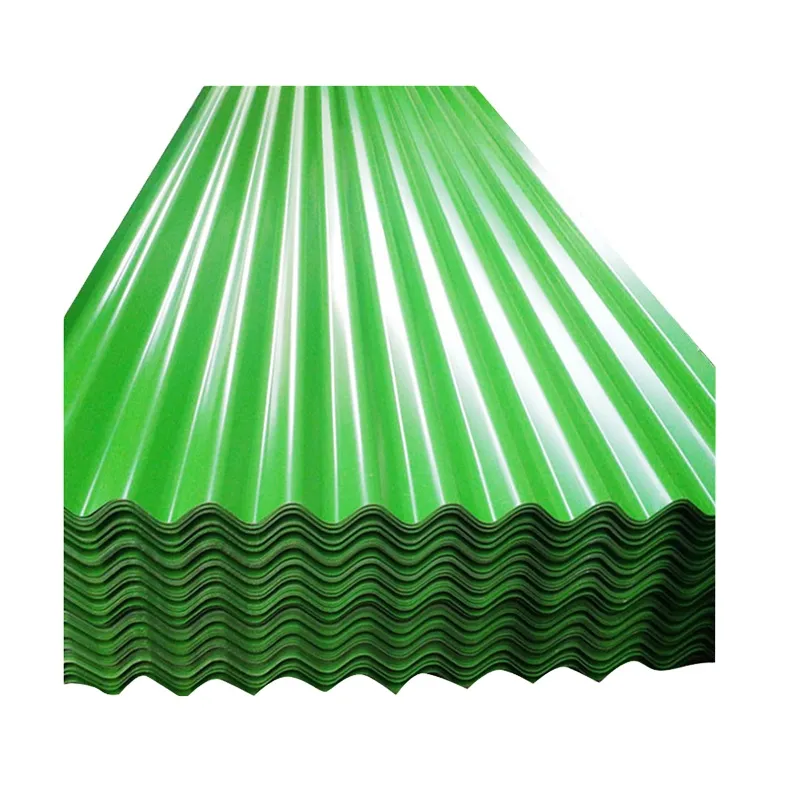 PPCG DX51D GI Ppgl IBRL Custom Cutting Service Metal Corrugated Steel Roofing Sheets Galvanized Iron BIS Certified Welding
- China+15-21 days+ASTM+oulan+Electrical appliances, roofing
$441.78
MOQ: 1
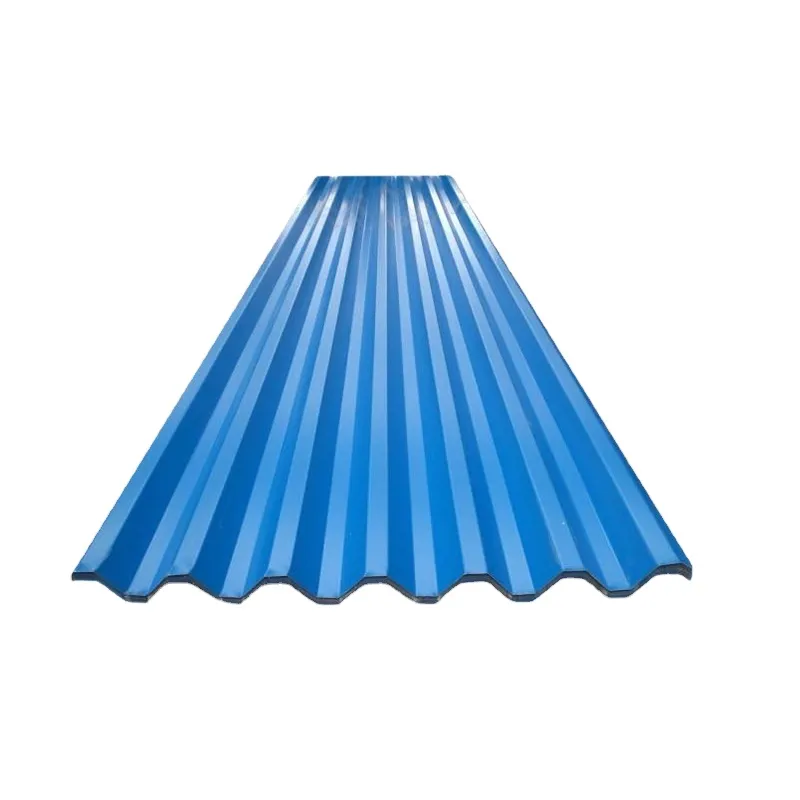 Factory Directly Provide 0.4mm 24 Gauge Corrugated Steel Roofing Sheet 275g Color Coated Galvanized Roof Steel Roofing Sheet
- Shandong, China+15-21 days+ASTM+GuanZhou+Electrical appliances, roofing
$536.29
MOQ: 5
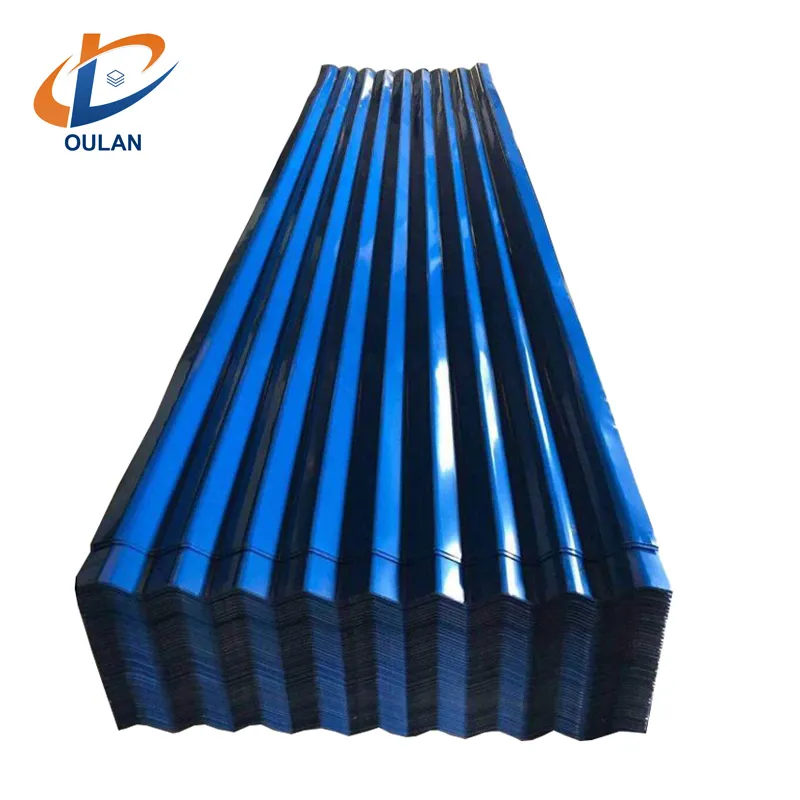 Special Design Corrugated Steel Roofing Sheet Custom Processing Services Cutting Welding Bending
- China+15-21 days+ASTM+Electrical appliances, roofing+ISO 9001
$470.00
MOQ: 5
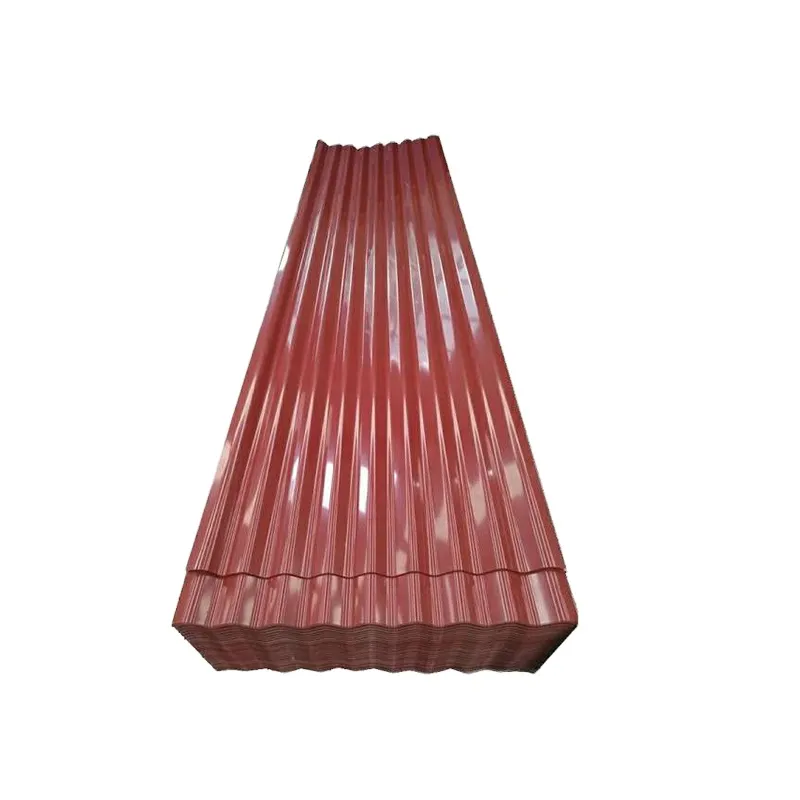 14 Gauge Steel Roofing Sheet Galvanized Corrugated Dx52d Z140 0.45mm Zinc Corrugated Sheets Roofing Steel Plate
- Shandong, China+15-21 days+ASTM+GuanZhou+Electrical appliances, roofing
$0.70
MOQ: 15000
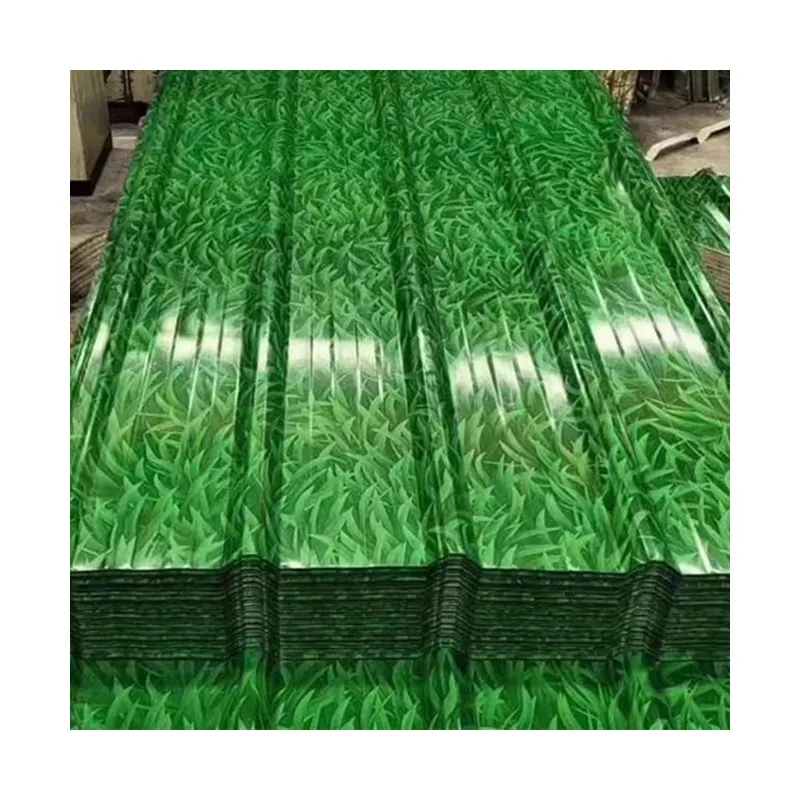 22 Gauge 28 Gauge 12 Feet Brick Red Steel Roofing Sheet 0.30mm 0.75mm Curved Charcoal Black Corrugated Roofing Sheet
- Shandong, China+15-21 days+ASTM+GuanZhou+Electrical appliances, roofing
$536.29
MOQ: 5
 Ameri-Cana Roof Panel Roll Forming Machine High Speed Trapezoidal
- Ameri-Cana Roof Panel Roll Forming Machine
$17,500.00
MOQ: 1
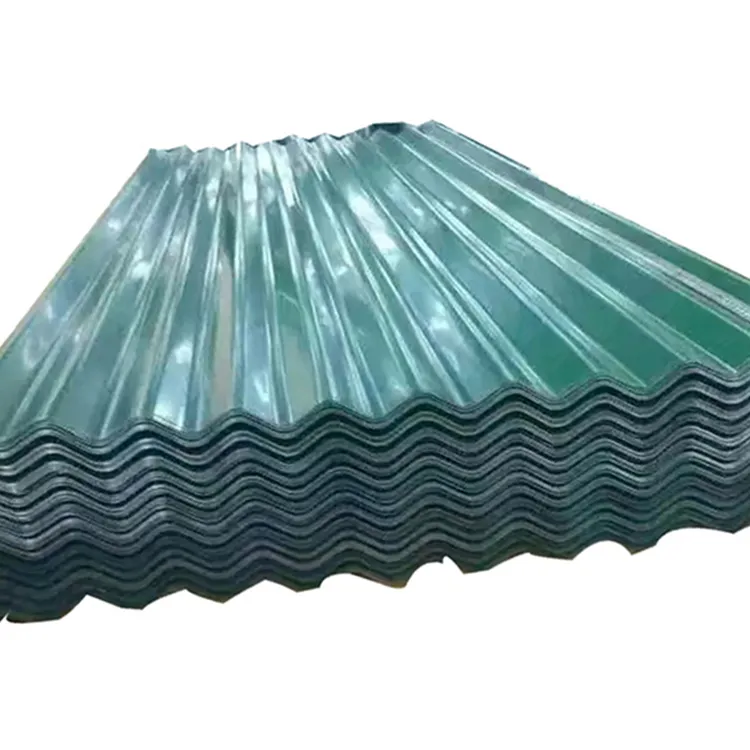 High Quality Galvanized Color Coated Steel Roofing Sheet Corrugated Metal Roofing Sheets Competitive Prices Meeting ASI JIS
- Tianjin, China+15-21 days+ASTM+construction material+API , TISI, KS, JIS, ISO 9001
$685.00
MOQ: 25
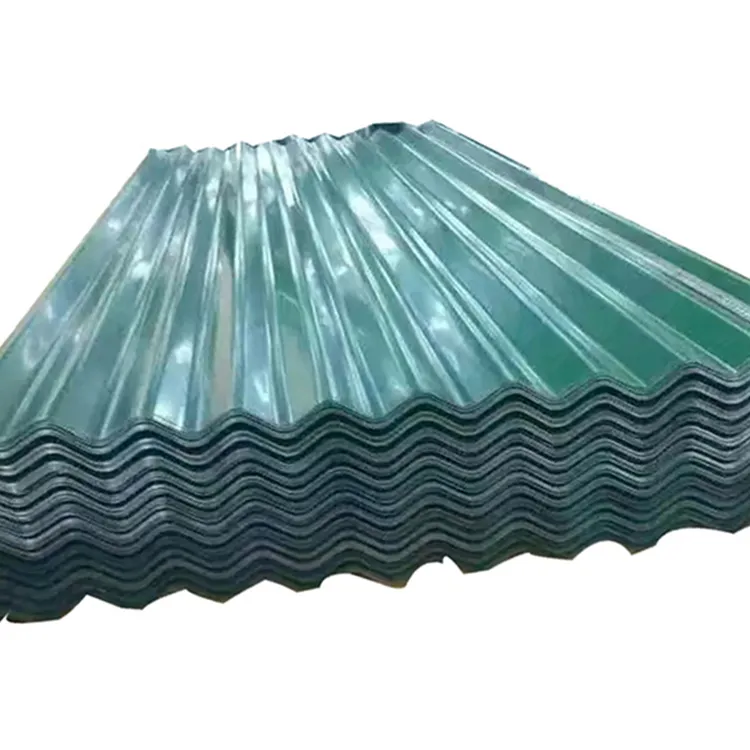 Prepainted Galvanized Corrugated Roofing Steel Coil PPGI Color Coated House Panel Construction Building JIS ASTM DIN AISIS
- Tianjin, China+15-21 days+ASTM+construction material+API , TISI, JIS, ISO 9001
$685.00
MOQ: 25
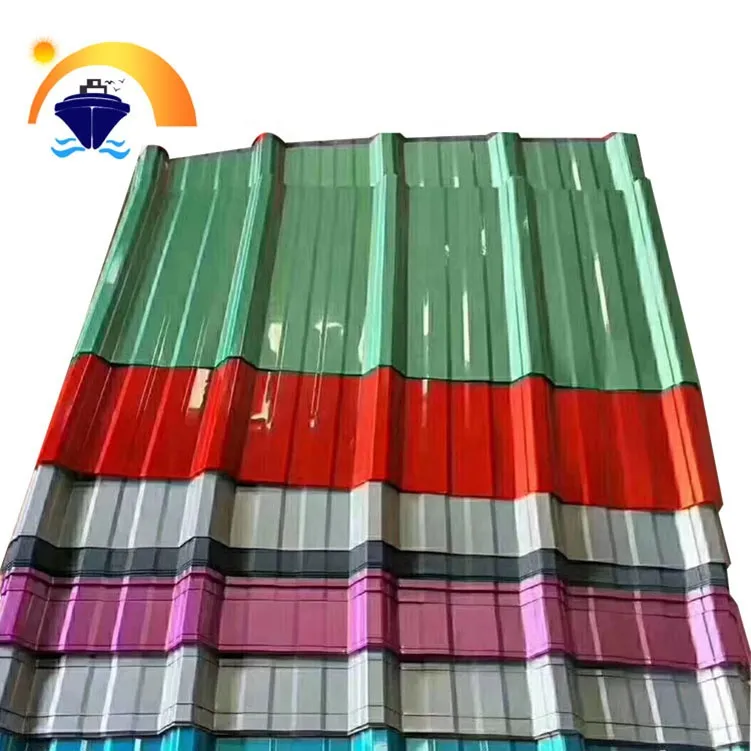 Good Price PPGI/PPGL Corrugated Prepainted Galvanized Steel Roofing Sheets for Building Construction Services for Cutting
- Tianjin, China+15-21 days+GB,ASTM,JIS+bao steel+API , ISO 9001
$580.00
MOQ: 25
 T-shaped Corrugated Glazed Color-Coated Galvanized Metal Roofing Sheet EN Standard ASTM BIS Certified Custom Cutting Available
- 1 400 mm ~ 1 799 mm+1 221 mm ~ 1 500 mm
$610.00
MOQ: 25
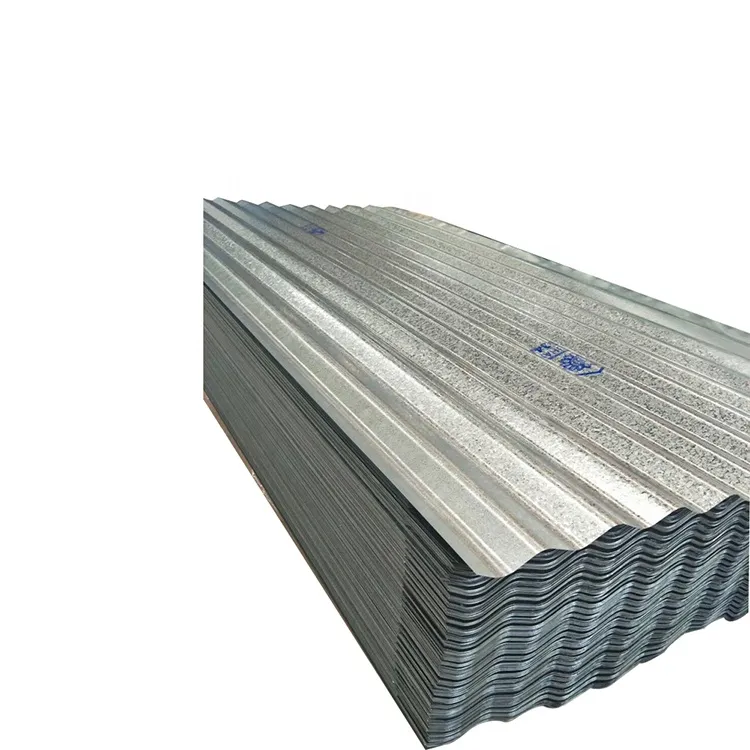 Competitive Price Corrugated Galvanized Steel Roof Shingles PPGI Zinc Roofing Tiles Solar Corrugated Steel Sheet Coated Roof
- China+15-21 days+Galvanized steel sheet+ASTM+ISO 9001
$640.00
MOQ: 25
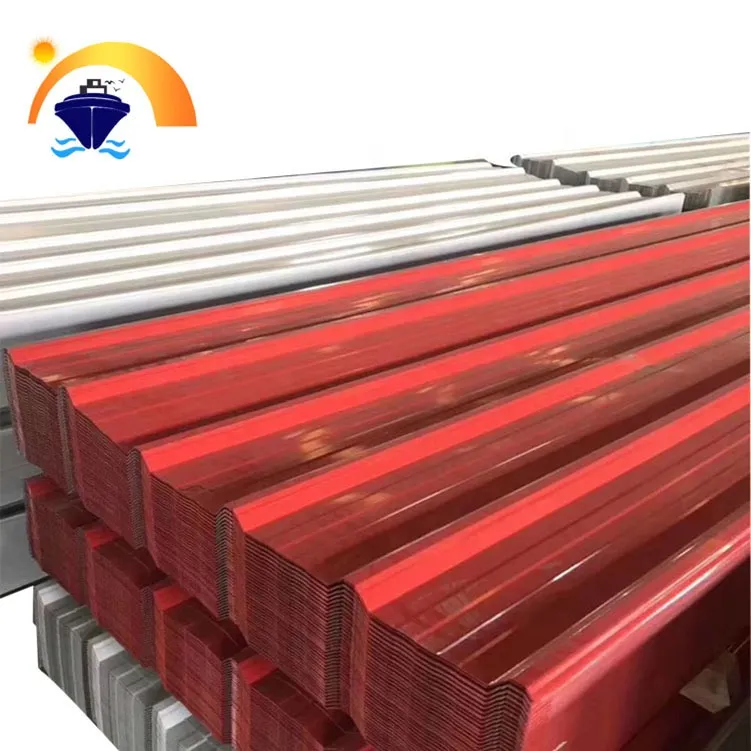 PPGI Prepainted Galvanized Steel Coil for Roofing Wall Panel Construction with Custom Cutting Processing Service
- Tianjin, China+22 ~ 30 days+GB,ASTM,JIS+roofing sheet+API , ISO 9001
$600.00
MOQ: 25
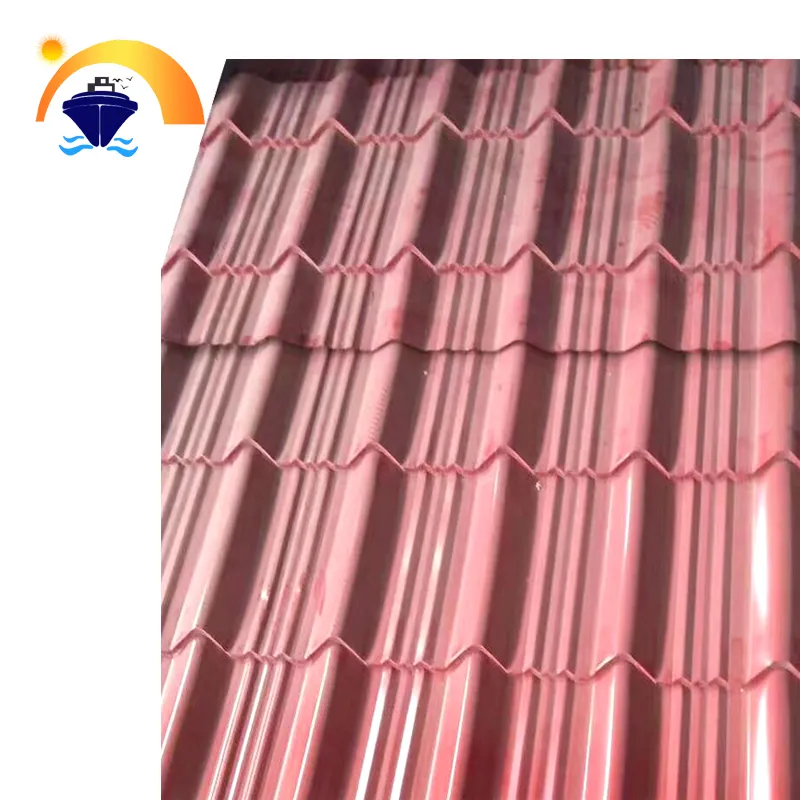 RAL Color PPGI Roofing Tile Weather Resistant with Cutting Bending Welding Services Certified by ASTM BIS TISI EN KS SASO
- Tianjin, China+22 ~ 30 days+GB,ASTM,JIS+roofing sheet+API , ISO 9001
$600.00
MOQ: 25
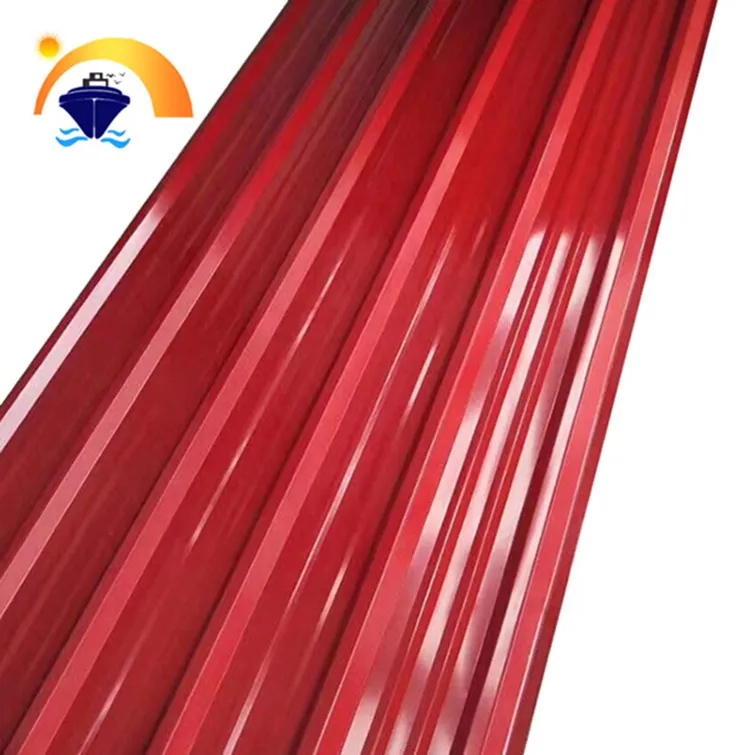 Prepainted Galvanized Steel Corrugated Roofing Sheet ASTM Certified with Cutting Bending Welding Processing Services
- 1 400 mm ~ 1 799 mm+680-1250
$520.00
MOQ: 25
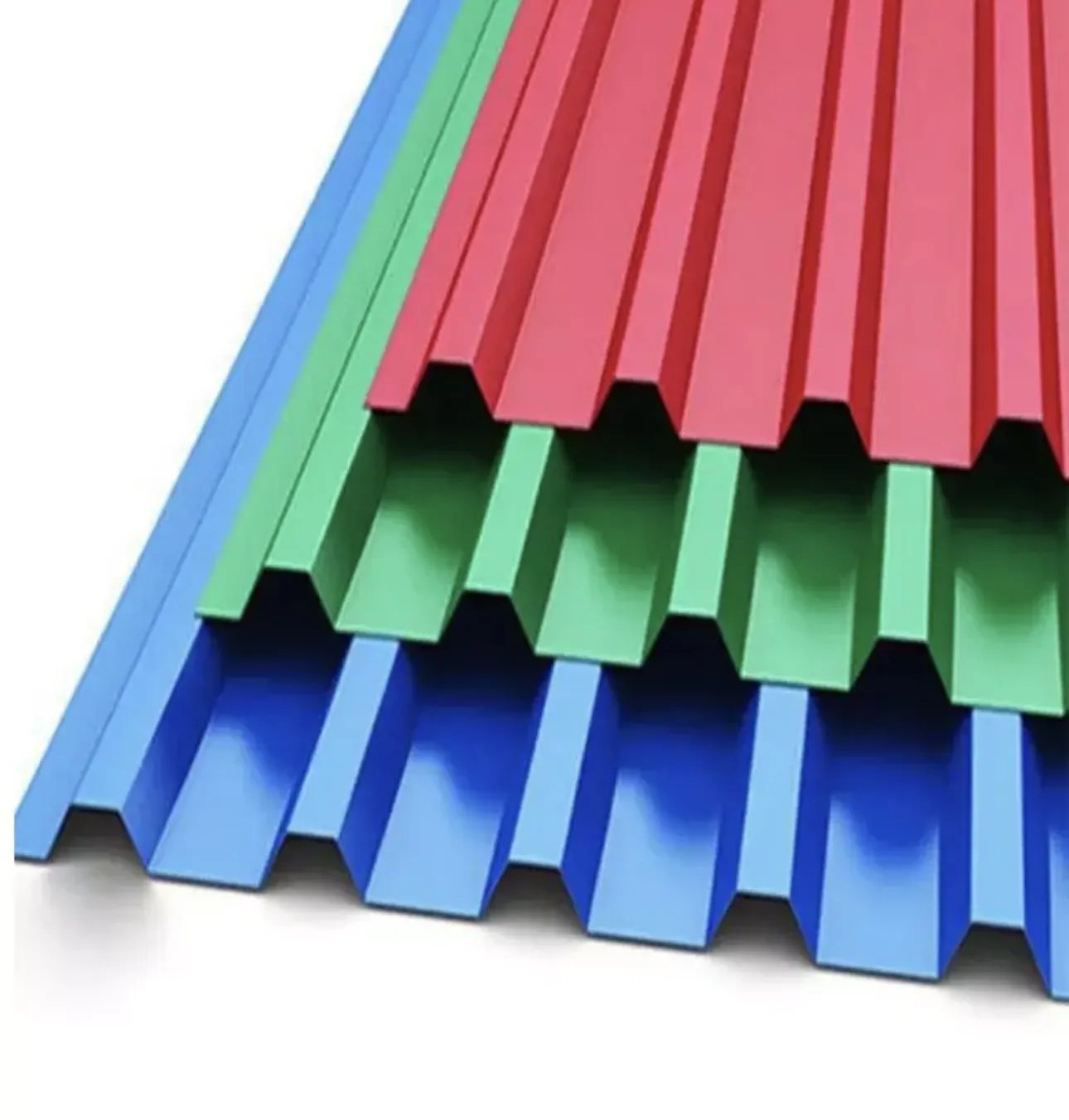 High Precision Corrugated Prepainted Galvanized Steel Color Coated Steel Roof Sheet Galvanized Roofing Material
- China+21-30 days+ASTM+Cutting+1 400 mm ~ 1 799 mm
$610.00
MOQ: 25
 ASTM Certified Bao Steel Roofing Sheet with Processing Services Cutting Welding Bending
- 1 800 mm ~ 2 000 mm+680-1250
$530.00
MOQ: 25



About Roofing Sheets
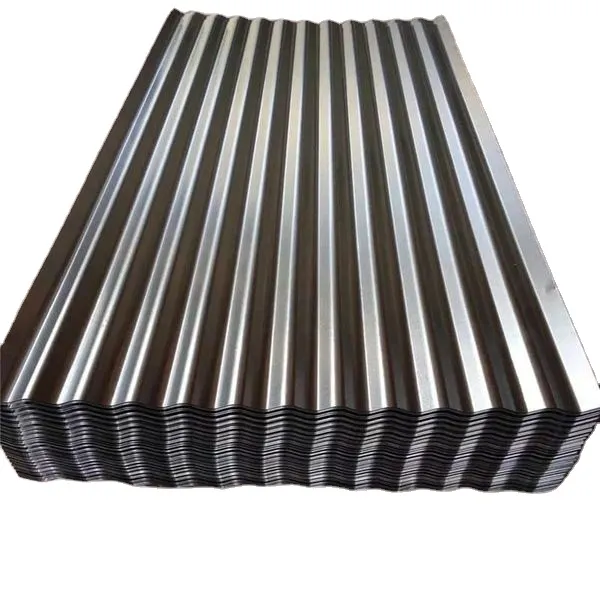
Metal roofing sheets are structural exterior cladding components engineered for superior weather-tightness, load-bearing capacity, and rapid building assembly. Common profile geometries include trapezoidal (box-rib) sheets with high longitudinal ribs for long spans, circular corrugated profiles for agricultural and light industrial applications, concealed-fastener standing seam panels for low-slope architectural roofs, and stepped glazed tiles mimicking traditional clay roof aesthetics with metal durability.
Dedicated roll forming machinery produces continuous, custom-cut panels directly from slit coil stock. The cold forming process utilizes a progressive series of hardened roller stations (typically 18 to 26 stands) to shape flat strip into precise rib configurations without damaging surface coatings. Integrated features often include pre-punching for fastening clips, transverse stepping presses for tile effects, side-lap capillary drainage grooves, and synchronized hydraulic flying shears for non-stop length control.
Coil substrates predominantly encompass hot-dip galvanized steel (GI with Z60–Z275 zinc coating), 55% aluminum-zinc alloy coated steel (GL / Galvalume), and prepainted steel (PPGI / PPGL) with polyester (PE), silicone-modified polyester (SMP), high-durability polyester (HDP), or fluorocarbon (PVDF) topcoats. Metal thickness commonly spans 0.25 mm to 0.8 mm with yield strengths ranging from G300 for ductile forming to G550 for high-tensile structural profiles.
These roofing panels serve as primary building envelopes across industrial warehouses, commercial distribution hubs, steel workshops, agricultural poultry and grain facilities, aircraft hangars, and residential carports.
Equipment configurations vary from compact, budget-friendly single-profile machines with manual stackers to dual-layer machines (producing two distinct profiles on a single chassis) and high-speed automated production lines equipped with automatic hydraulic decoilers, coil cars, high-speed flying shears, and pneumatic auto-packers controlled by a central touch-screen PLC.
Roofing Sheets Profiles


Applications
Industrial Logistics Warehouses & Loading Docks
Heavy-gauge G-shaped guide rails and reinforced jamb casings withstand high wind suction and dynamic impact from continuous forklift traffic across busy warehouse exterior loading bays.
Commercial Steel Structure Workshops & Factories
Heavy-duty corrugated and ribbed roof sheets protect manufacturing bays and heavy machinery from ambient weathering, utilizing anti-capillary side-laps and engineered drainage channels to ensure leak-proof performance under severe industrial conditions.
Agricultural Storage & Livestock Buildings
Corrosion-resistant PPGI and Galvalume roofing sheets withstand humid, ammonia-rich agricultural environments, providing lightweight, durable roof cladding for grain storage silos, machinery sheds, and large-scale livestock housing facilities.
Transportation Hubs & Railway Stations
Long-length standing seam and curved metallic roof sheets accommodate thermal expansion and aerodynamic wind loads across sweeping airport terminals, rail platforms, and public transit concourses with concealed fastener integrity.
Architectural Residential & Commercial Roofs
Step-tile glazed steel roofing sheets combine classic architectural aesthetics with lightweight metal strength, delivering superior hail resistance, rainwater shedding, and long-term color retention for luxury villas, resort pavilions, and commercial plazas.
Technical Overview
| Parameter | Information |
|---|---|
| Profile / Product Family | Trapezoidal, corrugated, IBR & glazed tile metal roofing |
| Applicable Coil Materials | PPGI, PPGL, GI (hot-dip galvanized), GL (galvalume) |
| Material Thickness Range | 0.20 mm – 0.80 mm (standard); up to 1.0 mm for heavy ribs |
| Infeed Coil Width | 914 mm / 1000 mm / 1200 mm / 1220 mm / 1250 mm |
| Effective Covering Width | 750 mm – 1050 mm (according to profile drawing) |
| Forming Roller Stations | 18 – 26 stations (solid 45# / 40Cr steel rollers, hard chrome plated) |
| Cutting System | Hydraulic stop-to-cut or synchronized servo flying cut-off (Cr12Mov blade) |
| Forming Line Speed | 10 – 20 m/min (hydraulic stop-cut) / 25 – 40 m/min (high-speed flying shear) |
| Drive & Control System | Gearbox / chain drive with PLC (Siemens / Mitsubishi / Delta) + Touchscreen HMI |
| Line Automation Options | Automatic hydraulic decoiler, coil loading car & auto-stacker available |
Related Solutions

Trapezoidal Roofing Line Solution (TR4)
Coil-to-panel TR4 roof line for metal buildings. Host + 5 T decoiler; curving, r…
Multi-Layer Roofing Solution
One mill that sells two (or three) roof profiles, and a barrel corrugator that s…
Roof Panel and Wall Panel Combined Line
Combined line for standing seam roof and wall panels. Quick tooling change betwe…
Standing Seam Roofing Project Solution
A standing-seam project is a shop mill that forms lock legs, plus an on-roof sea…
Wide-Format Roofing Production Solution
Buyers type “3 m roofing” for four different jobs: a 3 m cut length on a roof mi…
Arch Roof & Warehouse Building Solution
An “arch roof” search usually means one of four hosts: a jobsite K-span that for…
Related Information

Roofing Sheet Roll Forming Machine: Corrugated, Trapezoidal & IBR Profiles Explained
Corrugated vs trapezoidal vs IBR roofing profiles — what each looks like, where…
Read More
Steel Roofing Sheet Profiles and Dimensions: A Buyer's Reference Guide
840, 900, 750, IBR, corrugated, standing seam — what do these roofing sheet prof…
Read More
How to Choose a Roof Panel Roll Forming Machine: 10 Factors That Matter
How to choose a roof panel roll forming machine for your market: profile type (c…
Read More
Cold Roll Forming Process for Metal Roofing: From Coil to Roof Sheet
cold roll forming process metal roofing, roof sheet roll forming process, how ro…
Read More
Galvanized Steel Roofing Sheets: SGC400, Z275, and Coating Standards Explained (2026)
Understand SGC400, Z275 and related coating standards for galvanized steel roofi…
Read More
Prepainted Steel Coil: PPGI vs PPGL vs AZ150 Coating Systems
PPGI vs PPGL vs AZ150 — coating composition, corrosion resistance, color durabil…
Read More
FAQ
What profile types can be produced on a roofing sheet roll forming line?
Standard lines produce trapezoidal (box-rib) panels, sinusoidal corrugated sheets, IBR profiles, snap-lock or mechanical standing seam panels, and glazed step tiles. Tooling and roller station counts are specifically engineered for a single profile geometry, though dual-layer machines can incorporate two separate profiles within a shared machine frame.
What coil materials, widths, and thickness ranges are standard for metal roofing?
Common coil materials include hot-dip galvanized steel (GI), 55% Al-Zn galvalume (GL), and prepainted coils (PPGI/PPGL). Typical infeed coil widths are 914 mm, 1000 mm, 1200 mm, or 1220/1250 mm, producing finished effective cover widths of 750 mm to 1050 mm. Working thickness generally ranges between 0.2 mm and 0.8 mm depending on profile depth and structural span requirements.
Can one roll forming machine produce both roof and wall cladding profiles?
Yes, many symmetrical trapezoidal and corrugated profiles function as both roofing and wall cladding. For distinctly different profiles, manufacturers choose either a dual-level roll forming machine—which mounts two independent forming tiers on one machine bed—or interchangeable cassette-type roll formers that share a common drive and electrical base.
How do anti-capillary grooves and side-lap details prevent roof water leakage?
High-quality roofing roll formers incorporate specialized auxiliary forming rolls on the male rib edge to roll an anti-capillary drainage channel. When overlapping adjacent sheets during roof installation, this groove creates an air break that breaks capillary surface tension, preventing rainwater siphonage under severe wind-driven rain.
Stop-and-cut hydraulic shear vs. synchronized flying shear: which should you choose?
Stop-to-cut hydraulic shearing halts material feed during cutting, offering simple maintenance, lower initial investment, and production speeds of 10–18 m/min suitable for standard commercial fabrication. Synchronized servo flying shears track moving material without deceleration, achieving speeds of 25–40 m/min with higher throughput and zero hesitation marks, making them ideal for high-volume automated service centers.
How is glazed tile stepped pressing integrated into the roll forming process?
Glazed tile roll forming lines position a dedicated hydraulic pressing mold downstream of the forming roller stands. After the trapezoidal base wave is rolled, the line advances material by a programmed step distance (typically 150–400 mm), halts momentarily to stamp an architectural transverse crease, and continues until a custom cut-off blade trims the cascading tile profile.
What critical parameters should be confirmed before requesting a line quotation?
Buyers should provide exact cross-sectional drawings with dimensions (infeed width, effective coverage, rib height, pitch), coil material specifications (GI/PPGI/GL, yield strength G300 or G550), minimum and maximum coil thickness, target daily output capacity (m/min), and plant electrical standards (voltage/frequency).