
- Tuo AI

- Live

- My Account
- Shopping Cart
- Inquiry Basket
- Contact Us
- Back to Top




Roof Sheet Making Machines
Roof sheet making machines continuously form prepainted galvanized steel (PPGI), galvalume (GL), and aluminum coils into structural trapezoidal, sinusoidal corrugated, and IBR building envelope panels. Engineered to handle coil gauges from 0.2 mm to 0.8 mm at speeds of 15 to 40 m/min, standard production systems integrate heavy uncoilers, 16 to 24 precision roll forming stands with hard chrome plated rollers, auxiliary anti-capillary side-lap forming wheels, and automated hydraulic cut-off shears. Available in single-profile, dual-layer (producing two profiles on one frame), or cassette-type configurations, these roll formers ensure high output and tight dimensional tolerances. Explore technical specifications, profile drawings, and factory direct quotations below.
Filters
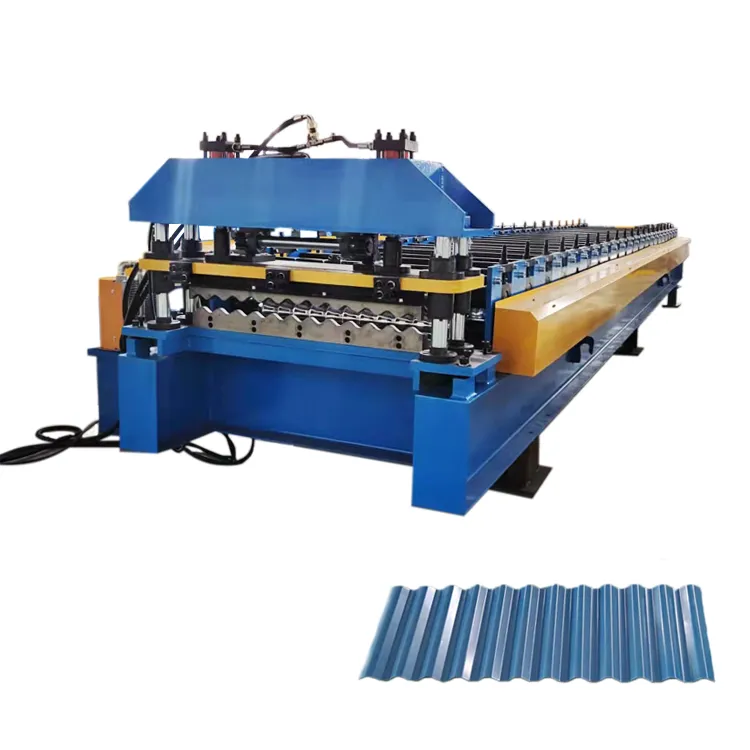 Corrugated Roof Sheet Roll Forming Machine Corrugated Tile
- 30 m/min+5.5 KW
$15,000.00
MOQ: 1
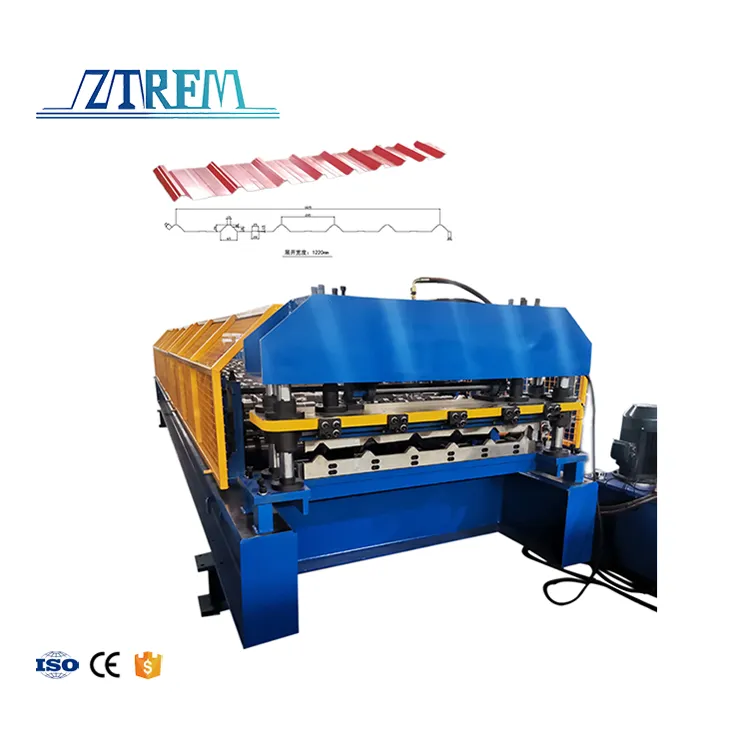 Chile Peru TR4 TR5 Single Layer Zinc Aluminium Roofing Sheet
- 15 m/min+IBR roofing sheet machine+7.5kw
$13,000.00
MOQ: 1
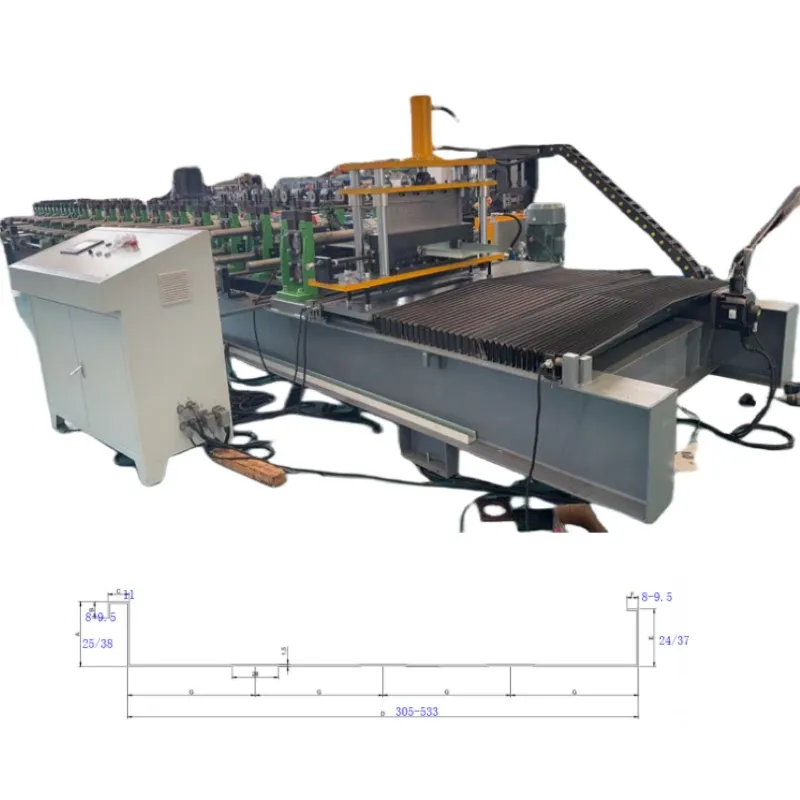 Standing Seam Roof Sheet Roll Forming Machine 18 Decoiler Stacker
- ZTRFMStanding Roll Forming Machine+18.5 kw+30 m/min
$15,000.00
MOQ: 1
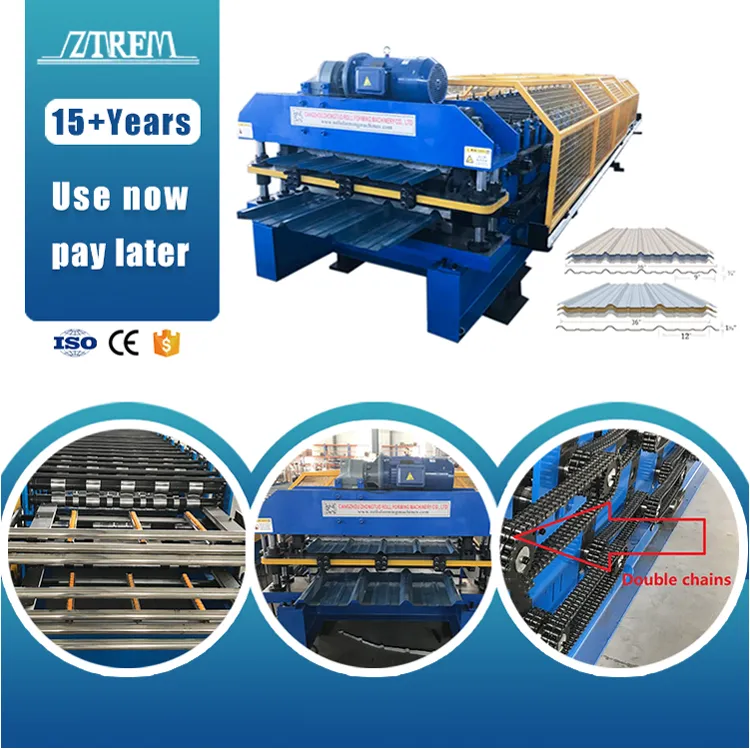 Double Layer Roof Panel Roll Forming Machine Double Deck Roll
- 7.5kw+15 m/min
$21,000.00
MOQ: 1
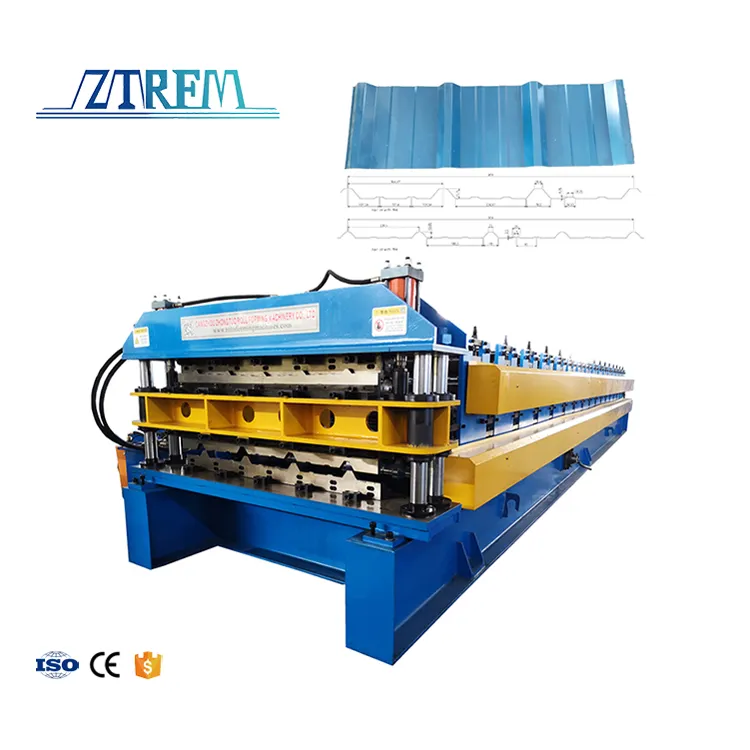 Corrugated Trapezoid Metal Sheets Roofing Tile Machine Double
- 20 M/Min+5.5 KW
$21,000.00
MOQ: 1
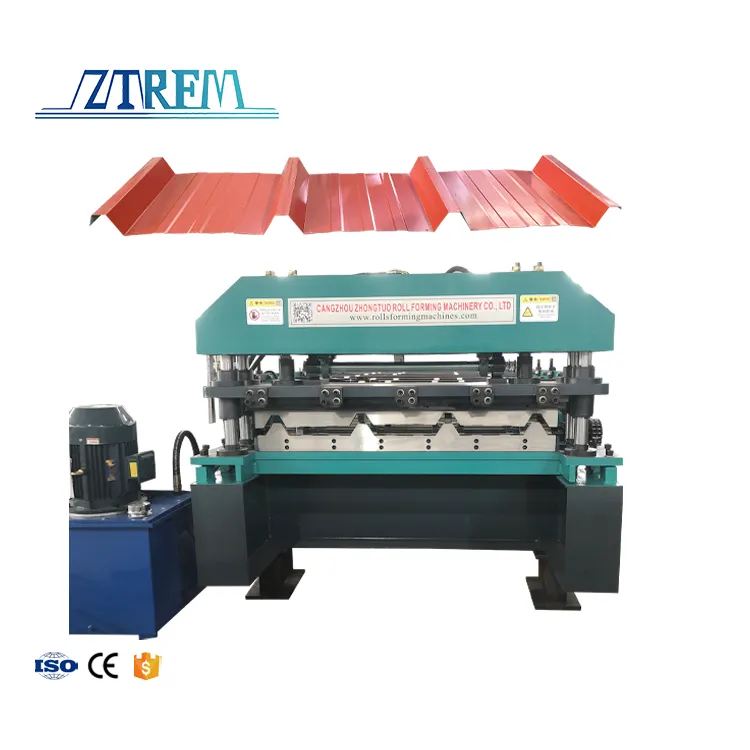 Peru TR4 TR5 TR6 Trapezoidal Roof Sheet Panel Making Machine Cold
- 15 m/min+7.5KW
$18,000.00
MOQ: 1
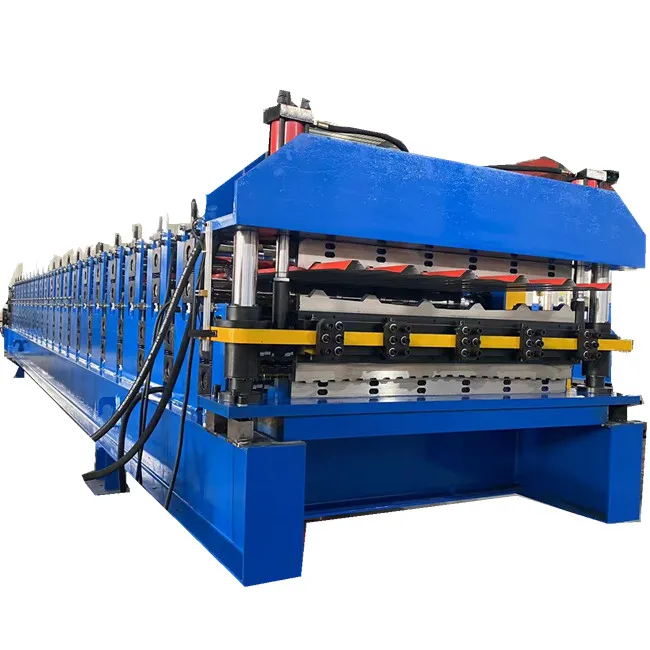 Layer Glazed Tile Trapezoidal IBR Roof Sheet Roll Forming Machine
- trapezoidal metal panel machine+11kw+30 m/min
$23,000.00
MOQ: 1
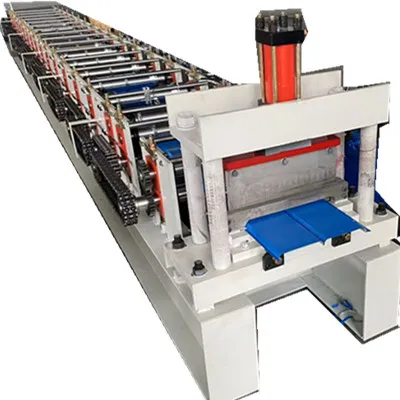 Metal Steel Roof Ceiling Panel Soffit Panel Roll Forming Machine
- 25m/ min+ZT16+1200
$14,000.00
MOQ: 1
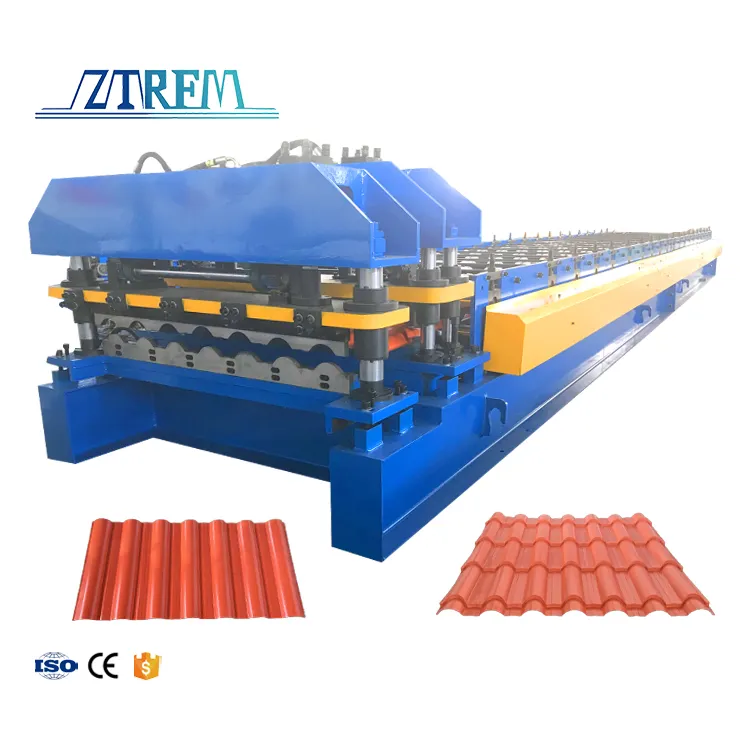 Galvanized Steel Roofing Sheet Press Machine Step Tile Making Machine
- 0-30m/min+7.5kw
$13,500.00
MOQ: 1
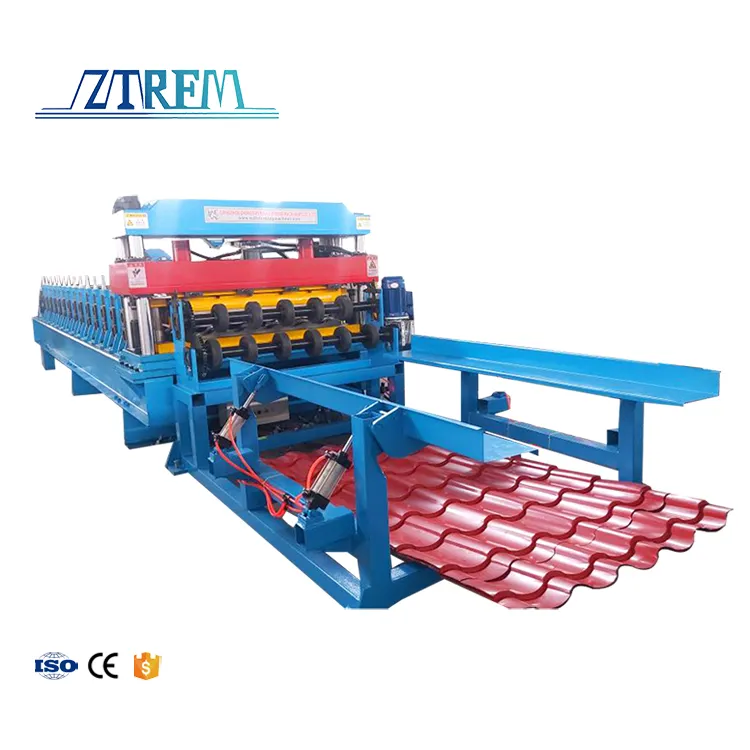 Glazed Tile Roll Forming Machine Glazed Tile Making Machine Step
- 7.5kw+15 m/min
$12,500.00
MOQ: 1
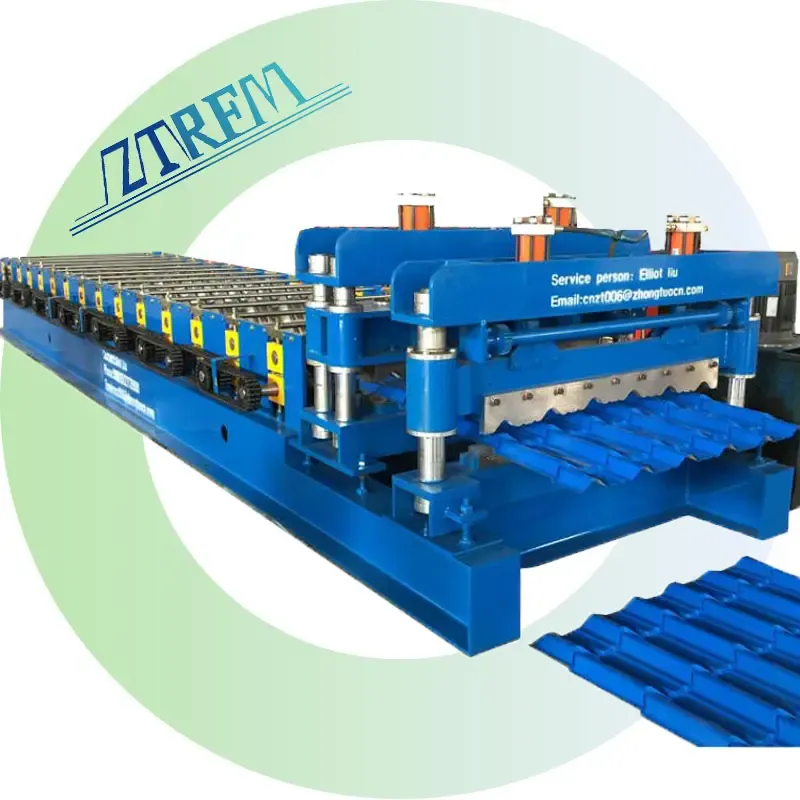 Galvanized Steel Roofing Sheet Press Machine
- 15 to 20m/min+7.5kw
$13,500.00
MOQ: 1
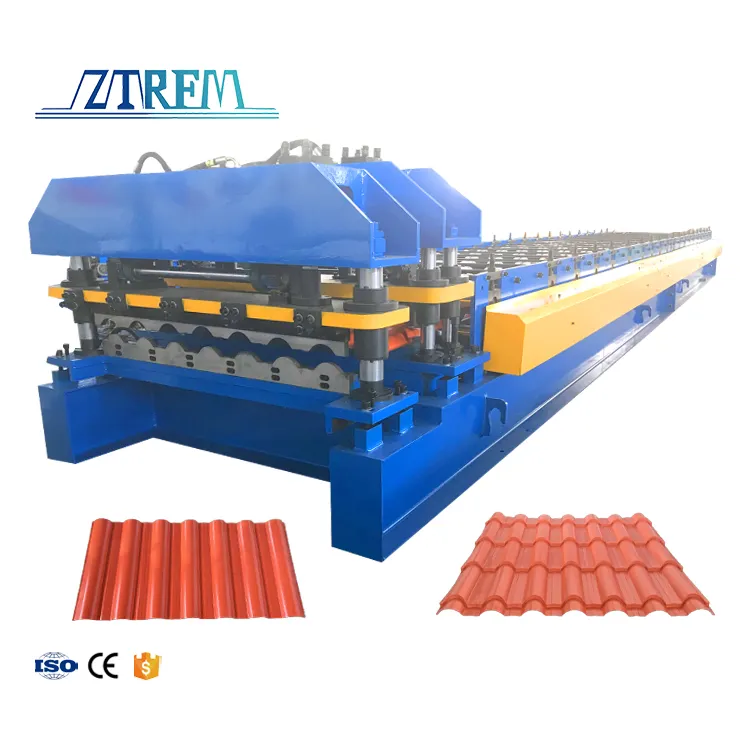 Galvanized Steel Roofing Sheet Press Machine
- 0-30m/min+7.5kw
$13,500.00
MOQ: 1
 Galvanized Steel Roofing Sheet Press Machine
- 7.5kw+5 m/min
$13,500.00
MOQ: 1
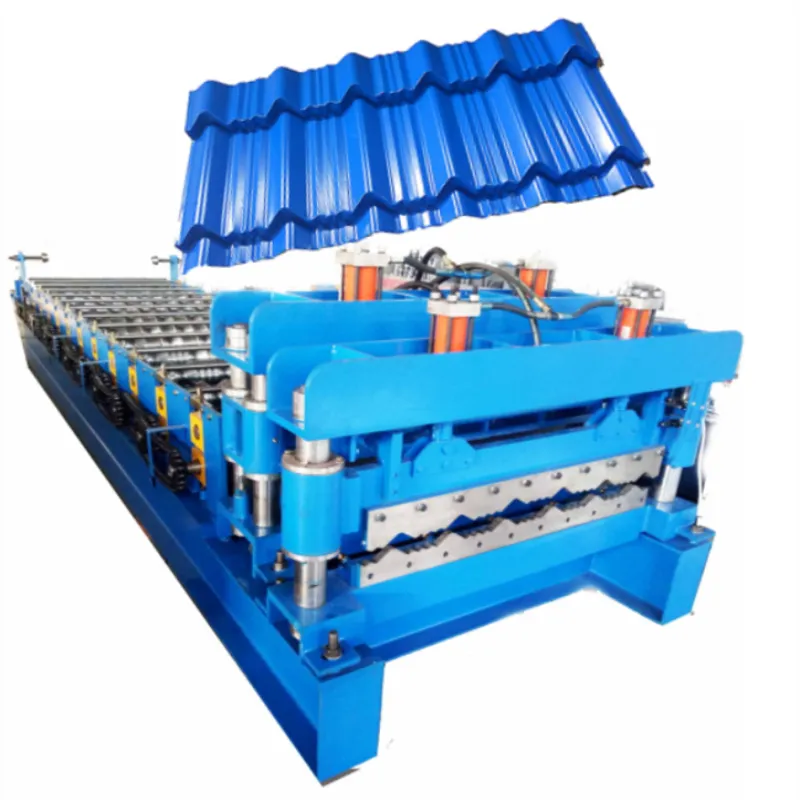 Mangalore 1090 Mm Tile Profile Sheet Roll Forming Machine 990 Mm
- ZTRFM+11KW+30 m/min
$19,000.00
MOQ: 1
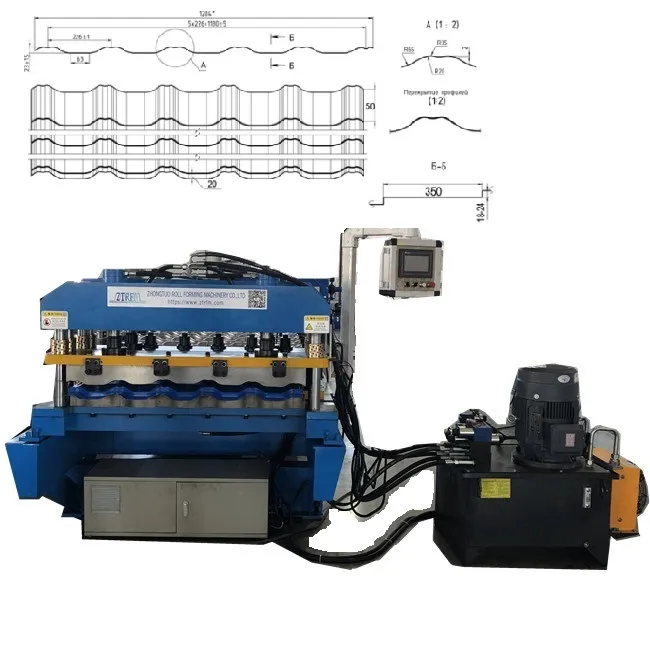 Rolling Forming Machine Step Tiles Roofing Sheets Russian Product
- Step Tiles Roofing Sheets Rolling Forming Machine in Russian+7.5KW+30 m/min
$13,000.00
MOQ: 1
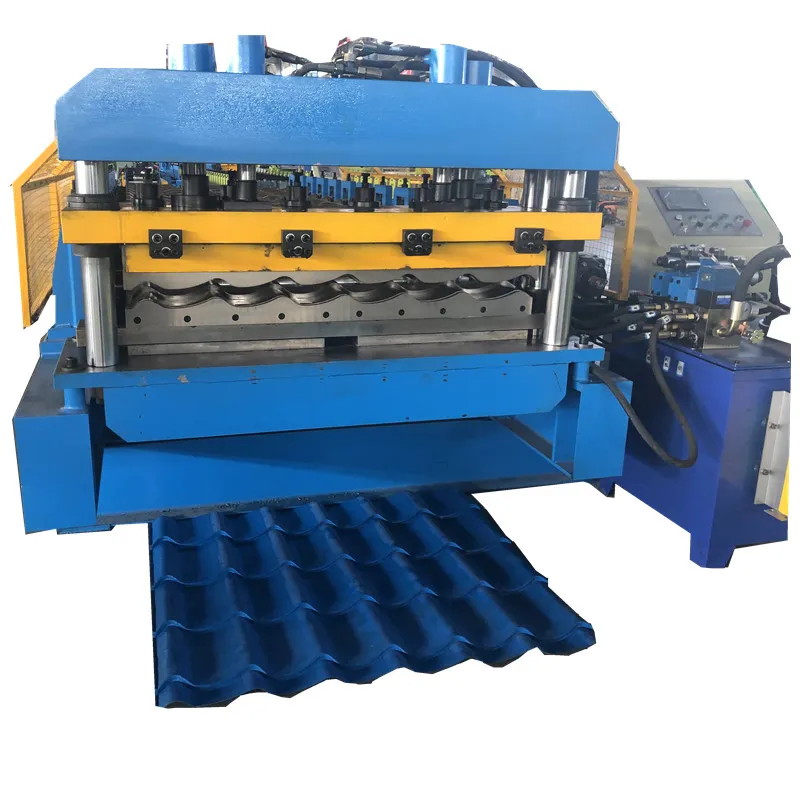 Glazed Tile Roofing Sheet Machine Color Steel Aluminum Sheet
- Glazed tile roofing sheet machine+7.5kw+15 m/min
$13,500.00
MOQ: 1
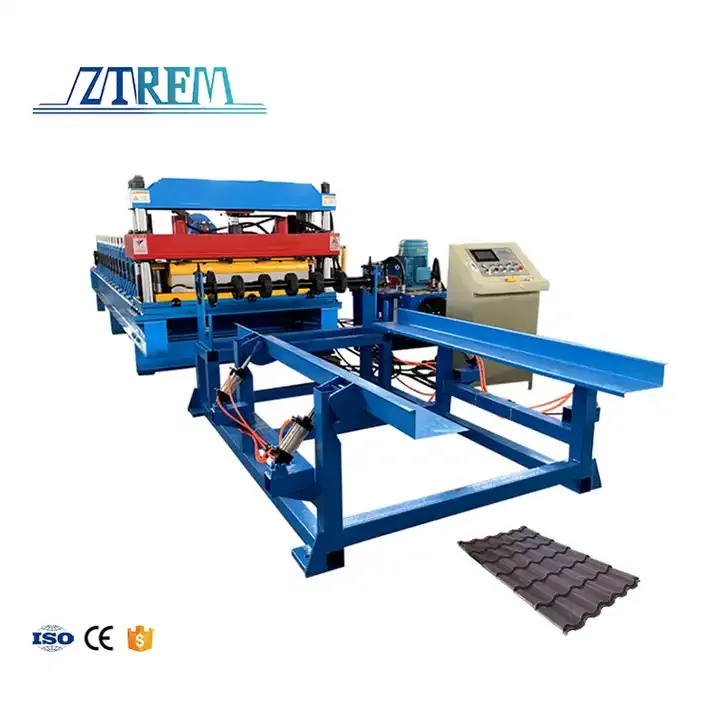 Glazed Colored Tile Making Step Tile Roofing Sheet Making Machine
- Glazed-1+7.5kw+15 m/min
$21,000.00
MOQ: 1
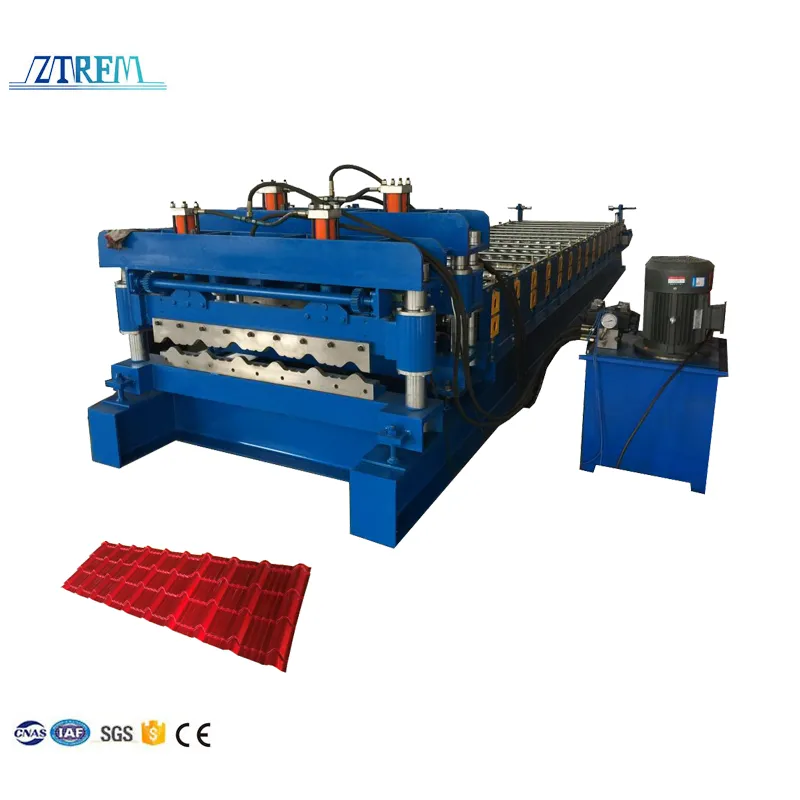 Product Step Tiles Roll Forming Galvanized Steel Roofing Sheet
- 20 M/Min+10kw
$19,000.00
MOQ: 1
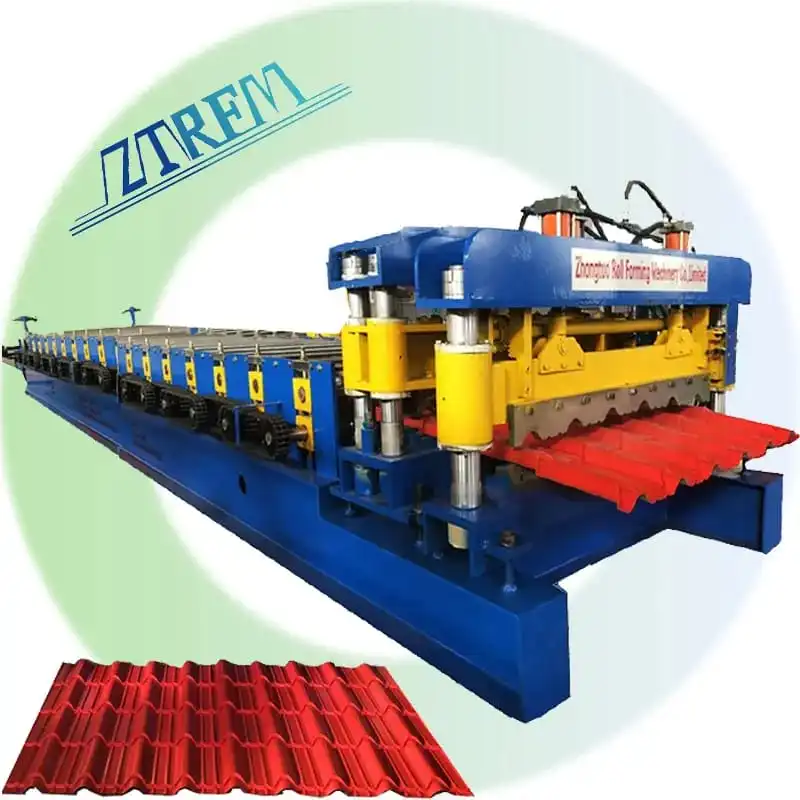 Galvanized Steel Roofing Sheet Press Machine Step Tile Roll
- 7.5kw+15 m/min
$13,500.00
MOQ: 1
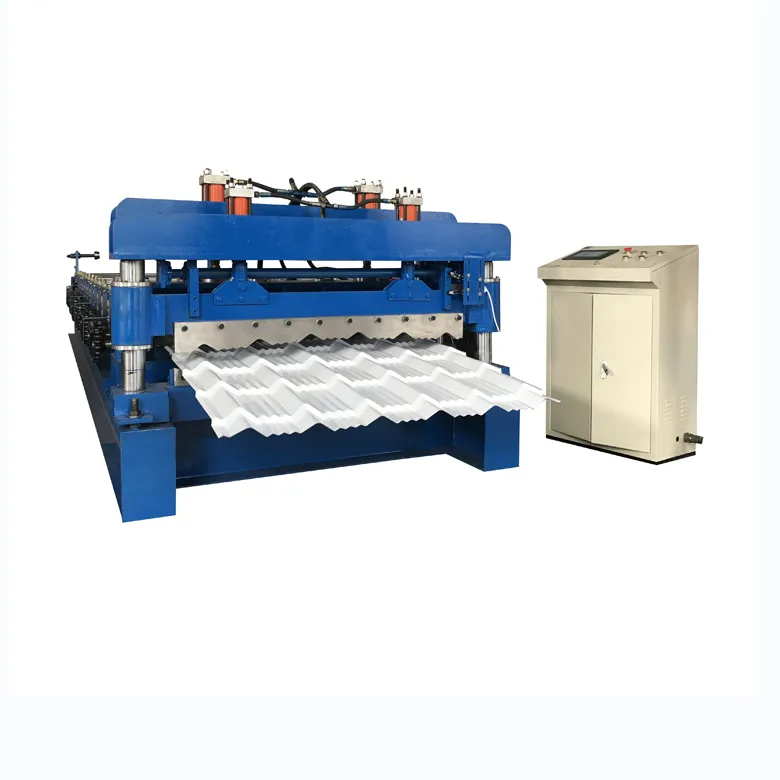 Glazed Tile Roll Forming Machine Step Tiles Roll Forming Machine
- 0-5 m/min+Glazed+11 kw
$17,500.00
MOQ: 1
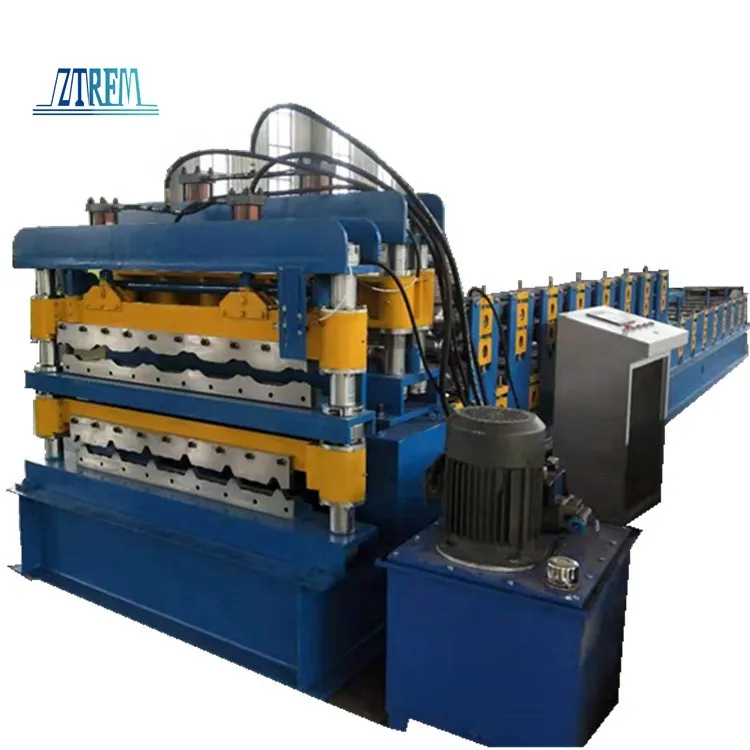 Colored Steel Roofing Sheets Glazed Tile Sheet Roll Forming Machine
- 7.5KW+30 m/min
$13,500.00
MOQ: 1
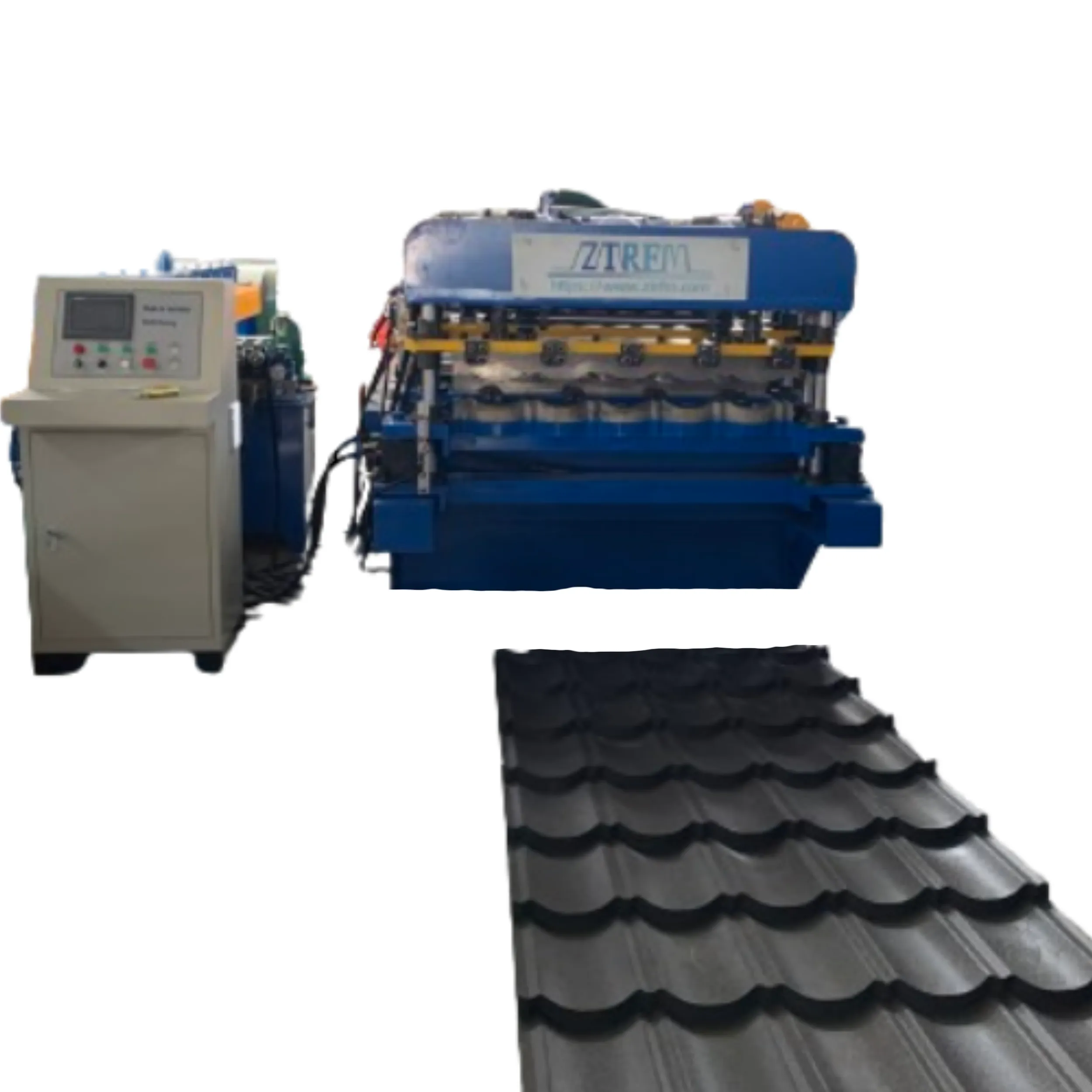 1130 Step Tile Roofing Sheets Making Machine Russian Market Glaze
- 5 m/min+glazed tile roof sheet maker machine+7.5KW
$14,000.00
MOQ: 1
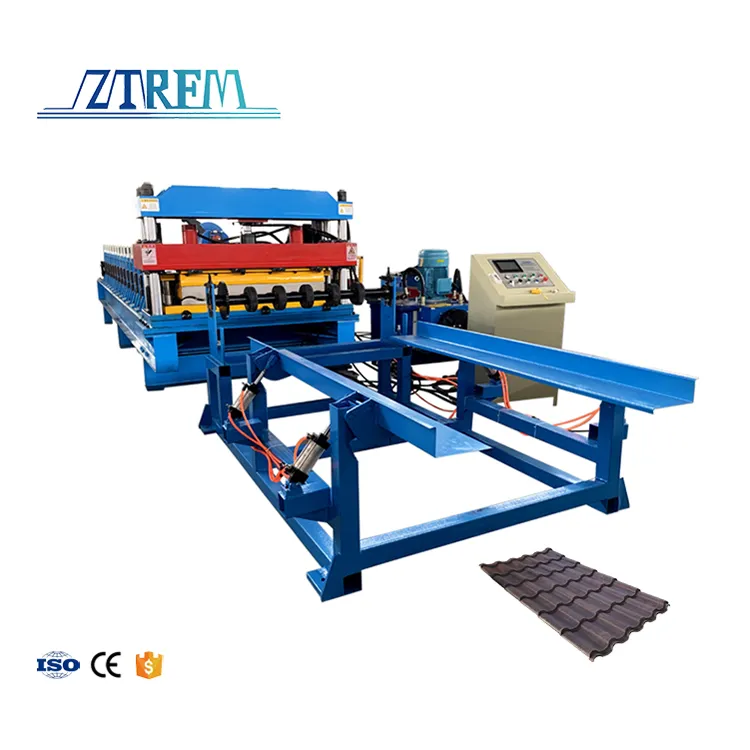 Long Service Time Colored Steel Step Tile Roofing Tile Making Machine
- 15 m/min+G+7.5 kw
$14,000.00
MOQ: 1
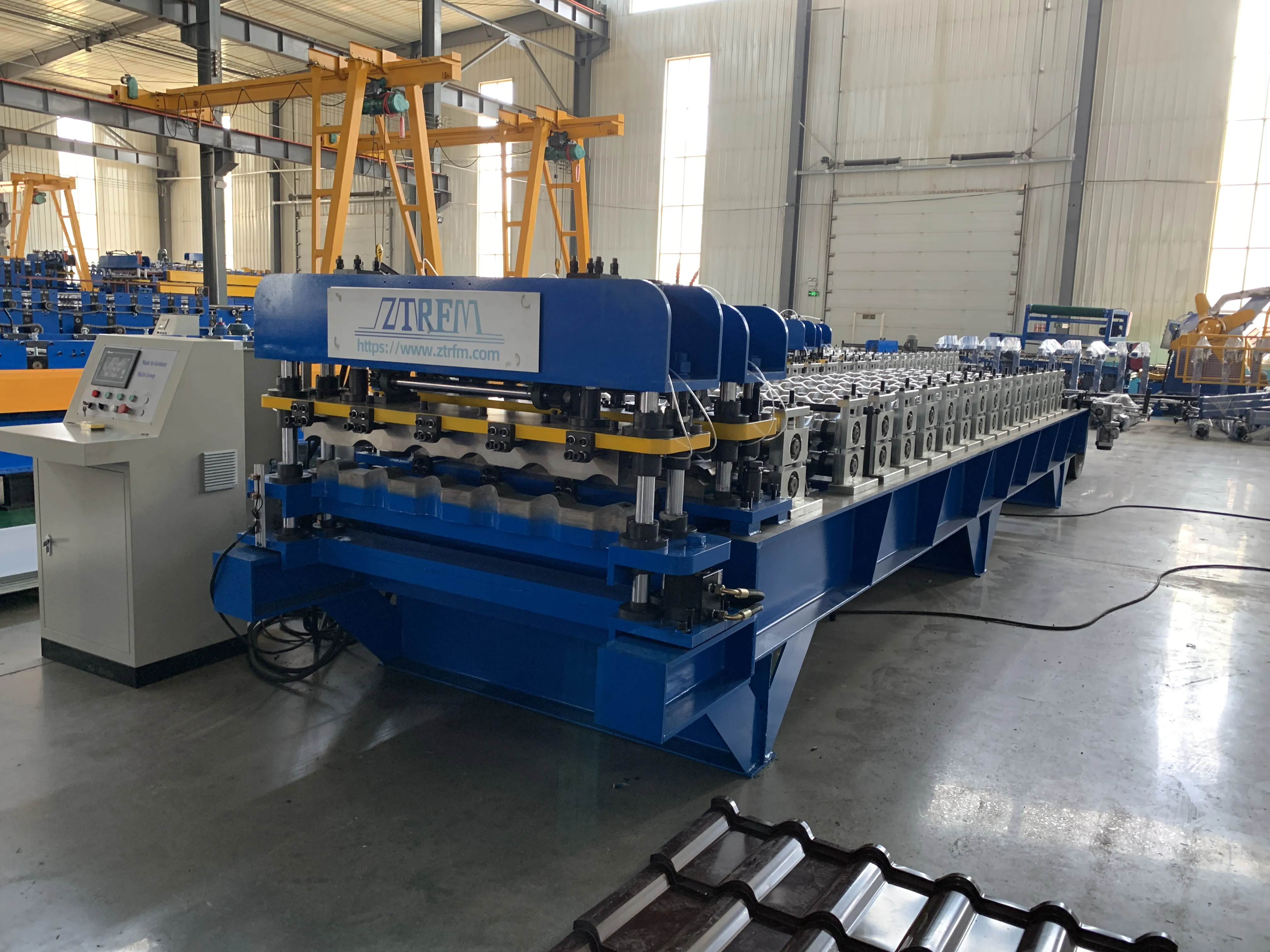 Kazakhstan Glazed Tile Roll Forming Machine
- 5 m/min+glazed tile roof sheet maker machine+7.5KW
$14,000.00
MOQ: 1
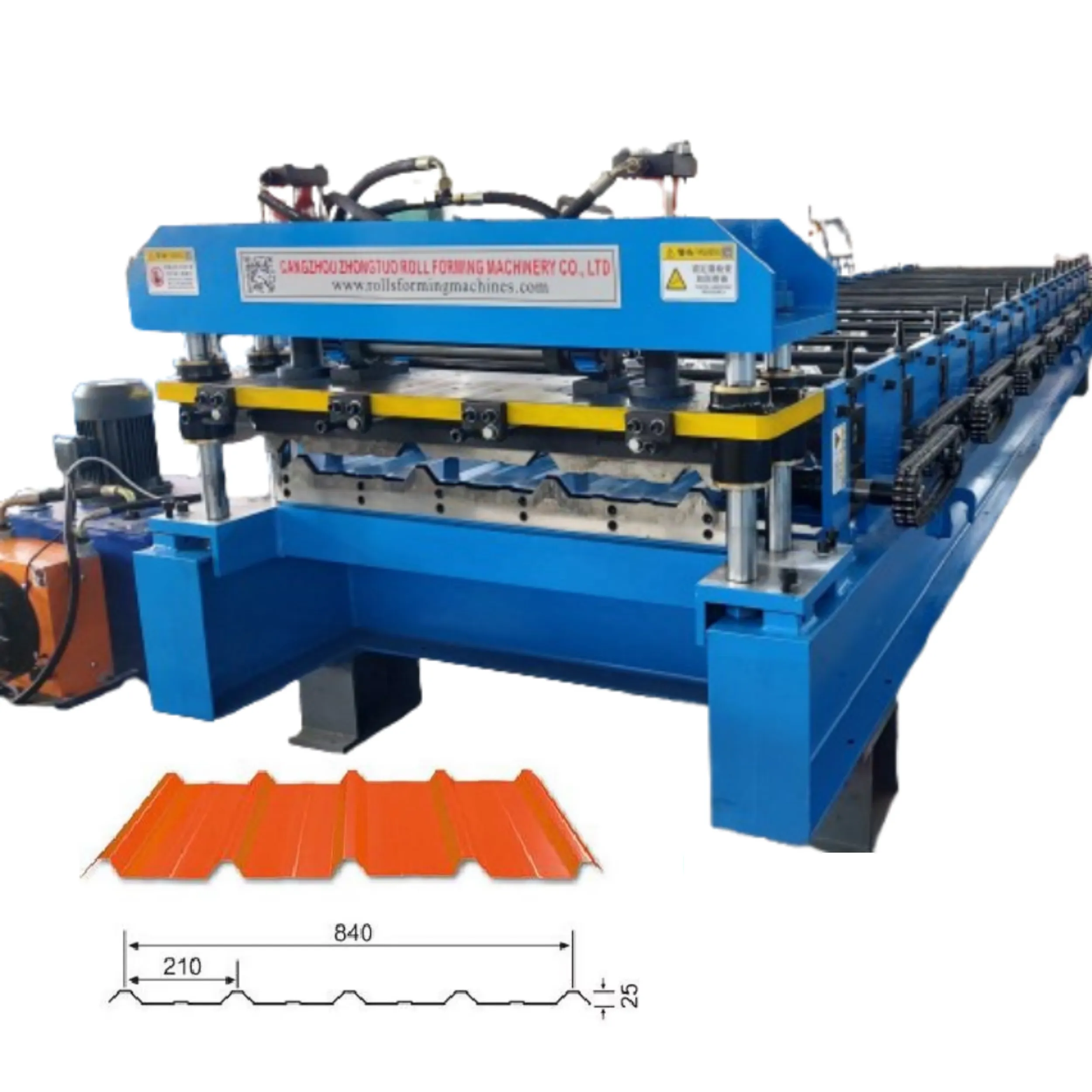 Trapezoidal Roof Sheet Making Machine 840 Africa Metal Roofing
- 20 M/Min+Africa Popular 840 Metal Roofing Machine+5.5KW
$9,500.00
MOQ: 1
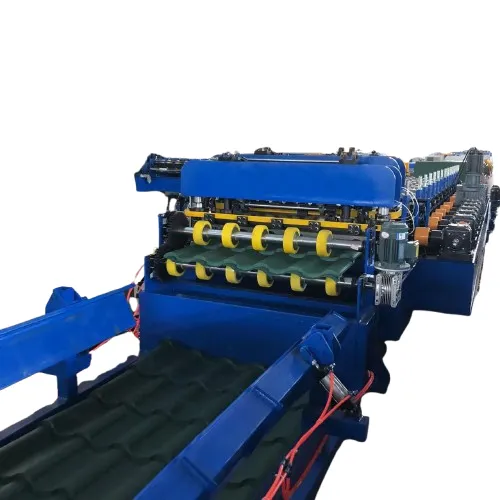 Tile Making Step Tile Roll Forming Machine Glazed Roll Forming Machine
- 25 M/min+Glazed Roll Forming Machine+7.5KW
$20,000.00
MOQ: 1
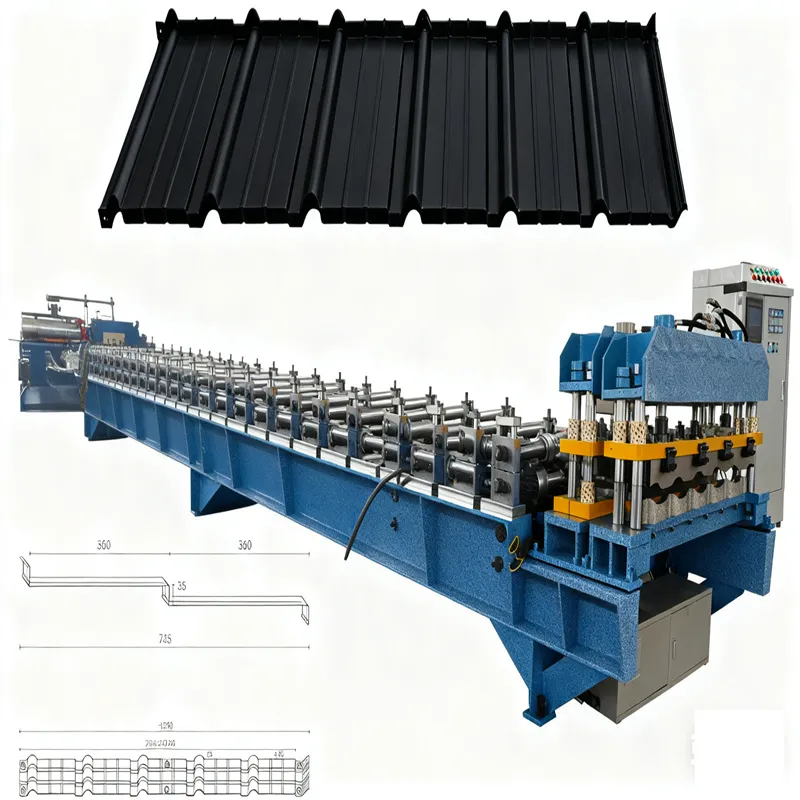 0.4-0.8mm Thickness Color Steel Roof Glazed Tile Roll Forming Machine
- ZTRFM+21.55kw+14 m/min
$7,000.00
MOQ: 1
About Roof Sheet Making Machines
Roof sheet making machines represent the foundational equipment of the metal construction, roofing contracting, and building materials distribution industries worldwide. Converting slit color-coated steel strip into continuous, high-strength corrugated and trapezoidal panels (such as profiles YX35-125-750, 840, 820, and IBR 686), these machines produce building envelopes that deliver superior weather tightness, load-bearing span, and aesthetic appeal for commercial warehouses, factories, and agricultural sheds.
Modern machinery design emphasizes durability, surface protection, and high-speed automation. The machine bed utilizes heavy welded H-beam steel with intermediate tie rods and cast-iron stands to eliminate deflection during forming. Precision roll tooling—engineered from solid 45# carbon steel or GCr15 bearing steel with vacuum hardening and 0.05 mm hard chrome plating—gradually bends the flat coil without damaging delicate polyester or PVDF paint finishes. An integrated side-roll station rolls an anti-capillary drainage groove on the overlapping rib edge, preventing rainwater siphoning in severe storms.
Configurations range from economical stop-to-cut lines (10–18 m/min) with manual discharge racks to high-speed automated lines equipped with synchronized servo flying cut-off systems and automatic magnetic or vacuum sheet stackers achieving production speeds of 25 to 40 m/min. Dual-layer roll forming machines mount two independent forming levels on a shared machine frame—for example, a trapezoidal profile on the upper deck and a corrugated or glazed tile profile on the lower deck—saving up to 50% of workshop floor space and capital investment.
Roof Sheet Making Machines Profiles


Applications
Industrial Distribution Hub Trapezoidal Roofs
Trapezoidal color-coated steel roofing panels produced on-site or in factory for large automated distribution centers, delivering high water drainage and solar readiness.
Commercial Architectural Corrugated Facades
Sinusoidal corrugated metal cladding panels roll formed for modern commercial office and retail building facades, offering contemporary aesthetic shadow lines.
Rural Agricultural Storage & Livestock Buildings
Economical galvanized and prepainted corrugated sheets providing durable, ventilated roofing for grain storage sheds, barn structures, and livestock stables.
Aircraft Hangar Wide-Span Metal Roofing
High-tensile heavy-gauge trapezoidal metal roof panels engineered for wide clear-span aviation hangars requiring extreme wind-uplift and snow-load resistance.
Suburban Residential Carports & Canopies
Lightweight prepainted corrugated steel canopy sheets installed on residential carports, patio awnings, and garden storage sheds with rapid fastener installation.
Technical Overview
| Parameter | Information |
|---|---|
| Machine / Product Family | Trapezoidal, corrugated & IBR metal roofing sheet roll forming line |
| Applicable Coil Materials | PPGI (prepainted galvanized), PPGL (galvalume), GI, structural aluminum |
| Material Thickness Range | 0.20 mm – 0.80 mm (standard 0.30 mm, 0.40 mm, 0.50 mm) |
| Coil Infeed Width | 914 mm / 1000 mm / 1200 mm / 1219 mm / 1250 mm |
| Effective Covering Width | 750 mm – 1050 mm (engineered per customer profile drawing) |
| Forming Stations & Tooling | 16 – 24 stations (solid 45# / 40Cr steel rollers, hard chrome plated) |
| Roller Shaft Diameter | Φ70 mm – Φ80 mm (solid 45# carbon steel, quenched and tempered) |
| Cutting System & Shear Blade | Hydraulic profile stop-cut or servo flying shear (Cr12MoV blade) |
| Forming Production Speed | 12 – 20 m/min (stop-cut) / 25 – 40 m/min (high-speed flying cut) |
| Automation & Controls | PLC control system (Siemens / Mitsubishi / Delta) with touch HMI |
Related Solutions

Trapezoidal Roofing Line Solution (TR4)
Coil-to-panel TR4 roof line for metal buildings. Host + 5 T decoiler; curving, r…
Roof Panel and Wall Panel Combined Line
Combined line for standing seam roof and wall panels. Quick tooling change betwe…
Multi-Layer Roofing Solution
One mill that sells two (or three) roof profiles, and a barrel corrugator that s…
Wide-Format Roofing Production Solution
Buyers type “3 m roofing” for four different jobs: a 3 m cut length on a roof mi…
Standing Seam Roofing Project Solution
A standing-seam project is a shop mill that forms lock legs, plus an on-roof sea…
Arch Roof & Warehouse Building Solution
An “arch roof” search usually means one of four hosts: a jobsite K-span that for…
Related Information

Roofing Sheet Roll Forming Machine: Corrugated, Trapezoidal & IBR Profiles Explained
Corrugated vs trapezoidal vs IBR roofing profiles — what each looks like, where…
Read More
Cold Roll Forming Process for Metal Roofing: From Coil to Roof Sheet
cold roll forming process metal roofing, roof sheet roll forming process, how ro…
Read More
Corrugated Roof Sheet Machine: Profiles, Specs and How to Choose One
sinusoidal profiles, real specs, standard vs drum-type lines, speed units explai…
Read More
Double Layer Roof Sheet Roll Forming Machine: Advantages, Specs & Trade-offs
double layer roof sheet roll forming
Read More
Steel Roofing Sheet Profiles and Dimensions: A Buyer's Reference Guide
840, 900, 750, IBR, corrugated, standing seam — what do these roofing sheet prof…
Read More
Galvanized Steel Roofing Sheets: SGC400, Z275, and Coating Standards Explained (2026)
Understand SGC400, Z275 and related coating standards for galvanized steel roofi…
Read More
FAQ
What common metal roofing profiles can be produced on a roof sheet making machine?
Standard machines produce trapezoidal (box-rib) roofing panels (such as 840, 820, YX35-125-750), sinusoidal corrugated wave sheets, IBR profiles, and snap-lock or standing seam panels. Each single-level roll former is dedicated to one profile drawing, while dual-layer machines produce two distinct profiles.
What coil widths and thickness ranges are compatible with roof sheet roll formers?
Machines process standard infeed coil widths of 914 mm, 1000 mm, 1200 mm, 1219 mm, or 1250 mm, yielding effective cover widths from 750 mm to 1050 mm. Material thickness typically spans 0.20 mm to 0.80 mm (30-gauge to 22-gauge) across PPGI, PPGL, GI, and aluminum coils.
How does a dual-layer roof sheet roll forming machine operate and save space?
A dual-layer machine incorporates two separate forming roller passes stacked vertically on a single chassis, driven by a common motor and transmission with a mechanical clutch selector. The operator switches between profiles by flicking a lever and threading coil into either the upper or lower tier, halving machine footprint.
What is the function of the anti-capillary groove formed on roofing sheet edges?
The anti-capillary groove is a small longitudinal channel rolled along the underlapping side rib. When adjacent sheets overlap on a roof, this groove breaks water surface tension and capillary action, creating an air barrier that drains wind-driven rain safely off the roof.
Stop-to-cut hydraulic shear vs. flying shear: which should you choose for roof sheet production?
Stop-to-cut hydraulic shearing halts material feed during cutting, offering simple maintenance, lower initial investment, and production speeds of 12–18 m/min suitable for standard commercial fabrication. Synchronized servo flying shears track moving material without deceleration, achieving speeds of 25–40 m/min with higher throughput and zero hesitation marks.
How do hardened chrome rollers prevent scratching on prepainted color steel coils?
Rollers are CNC-machined from solid steel (45# or 40Cr), heat treated, mirror polished, and electroplated with 0.05 mm hard chrome (Ra ≤ 0.4 µm). Smooth roller surfaces minimize friction against the paint layer, preventing scuffing, whitening, or paint peel on high-gloss coils.
What parameters should buyers verify when sourcing a roof sheet making machine?
Buyers should provide exact profile drawings (pitch, rib height, effective cover), coil material specifications (PPGI/GI, thickness range, yield strength), target production speed (m/min), roller station count (16–22), uncoiler capacity (manual or 5T hydraulic), and local electrical voltage/frequency.