
- Tuo AI

- Live

- My Account
- Shopping Cart
- Inquiry Basket
- Contact Us
- Back to Top




Floor Decking Roll Forming Machines
Floor decking roll forming machines are heavy-duty industrial production lines designed to cold-form high-tensile galvanized steel coil (0.8 mm to 1.5 mm) into structural composite floor deck panels. Common profile families include open-rib trapezoidal decks (such as YX75-200-600, YX76-344-688, and YX51-240-720) and dovetail/closed-rib sections with continuous embossed web indentations for mechanical concrete interlocking. Standard production lines feature heavy 8–15 ton hydraulic decoilers with coil cars, 24 to 32 solid roll forming stands (shaft diameters 75–95 mm), dedicated in-line embossing rollers, and heavy-duty hydraulic stop-to-cut shears. Browse verified machine specifications, structural deck profiles, and complete turnkey factory proposals below.
Filters
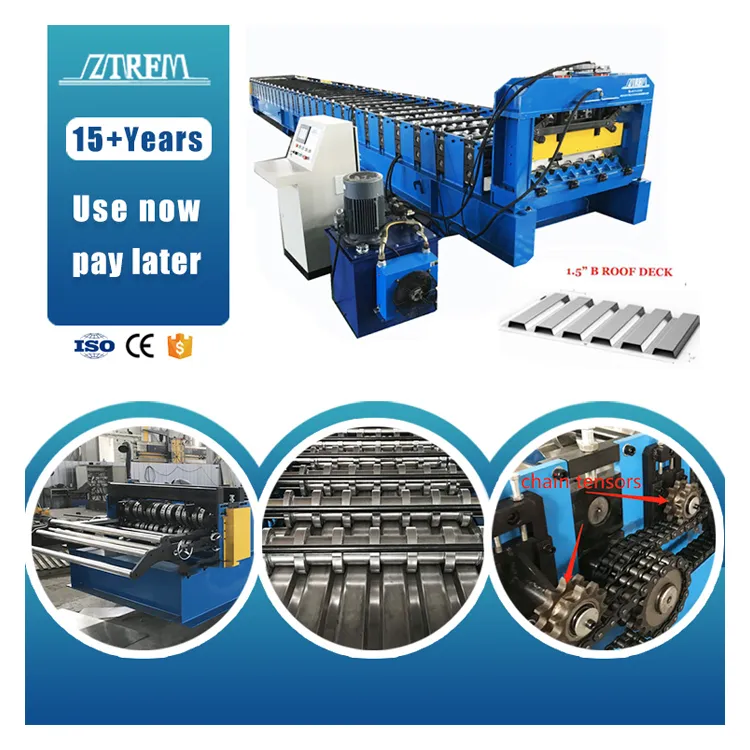 1.5b Metal Roof Deck Floor Decking Panel Machine
- 0-15 m per minute+Deck Floor Decking Panel Machine+18.5 kw x 2 sets
$35,000.00
MOQ: 1
 Floor Deck Roll Forming Machine 0.8-1.5mm B Deck Machine
- 20 m/min+Floor decking roll forming machine+7.5kw
$28,000.00
MOQ: 1
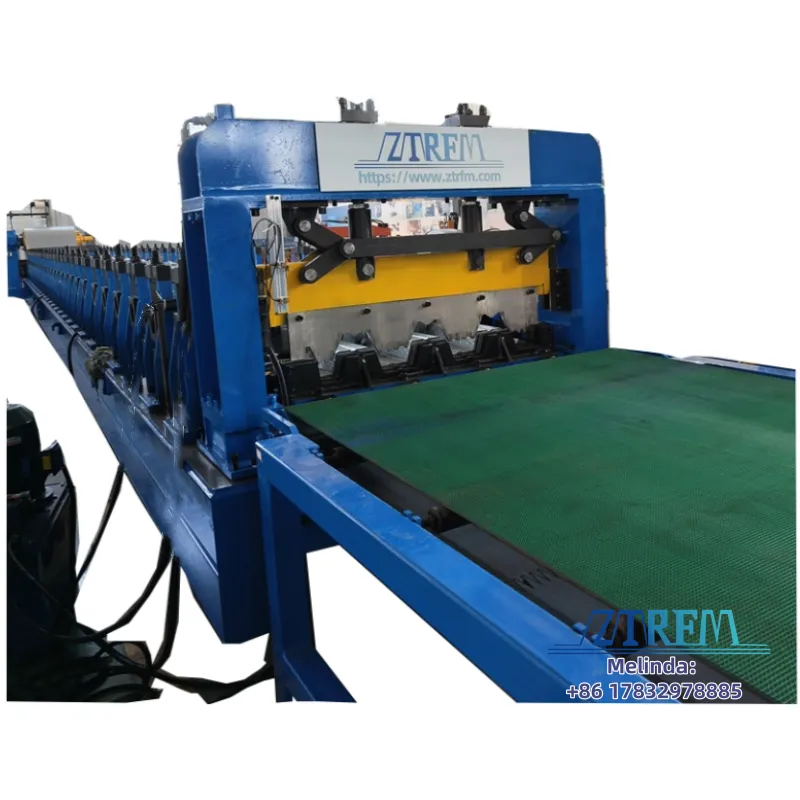 Deep Composite Floor Deck Roll Former 3" Floor Deck Roll Fomring
- 3"+44kw+15 m/min
$55,000.00
MOQ: 1
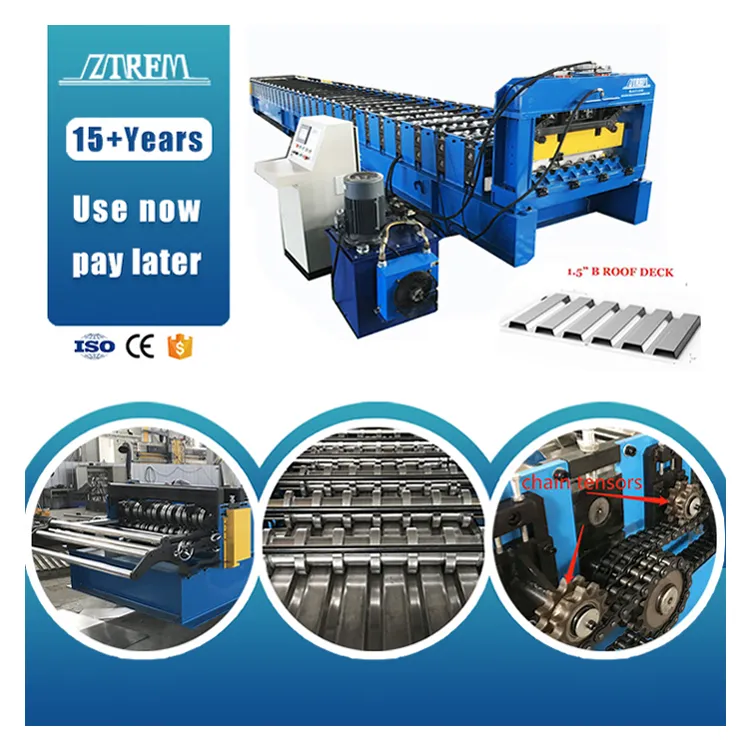 Assurance Steel Roof Decks Making Machine Metal Roofing Deck
- 0-15 m per minute+18.5 kw x 2 sets
$35,000.00
MOQ: 1
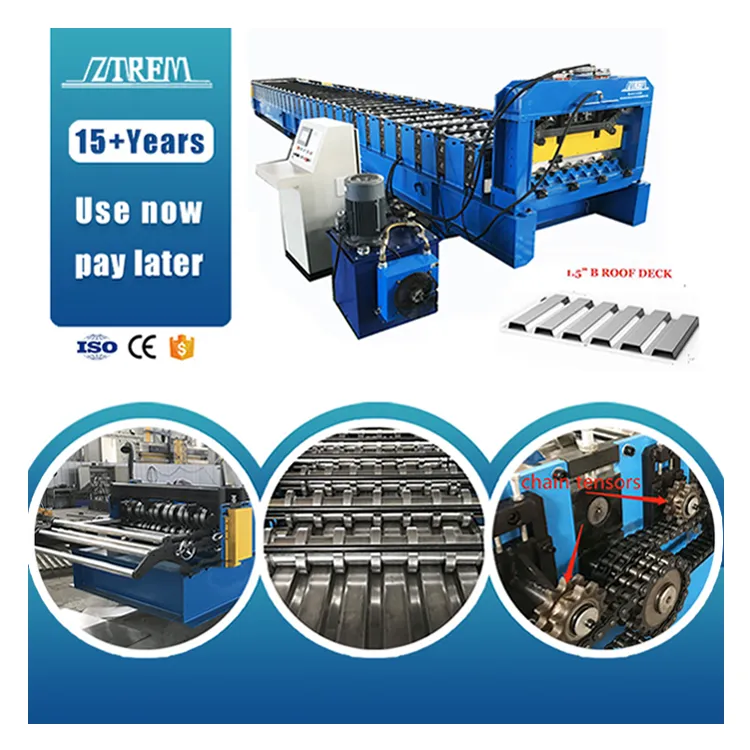 Practical Metal Floor Deck Roll Forming Machine Floor Decking
- 20 M/Min+18.5 kw x 2 sets
$35,000.00
MOQ: 1
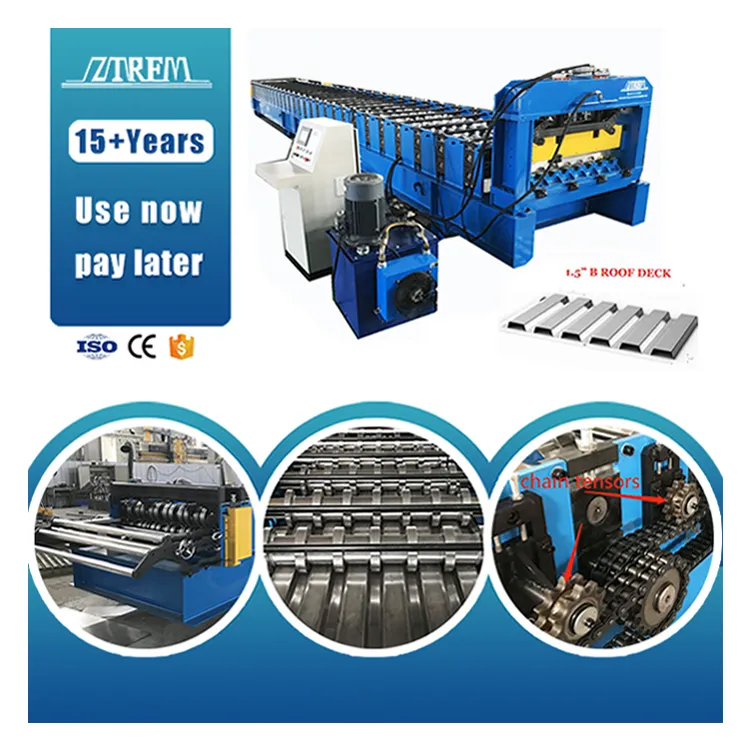 Custom Floor Deck Rolling Forming Machine
- 18.5 kw x 2 sets
$35,000.00
MOQ: 1
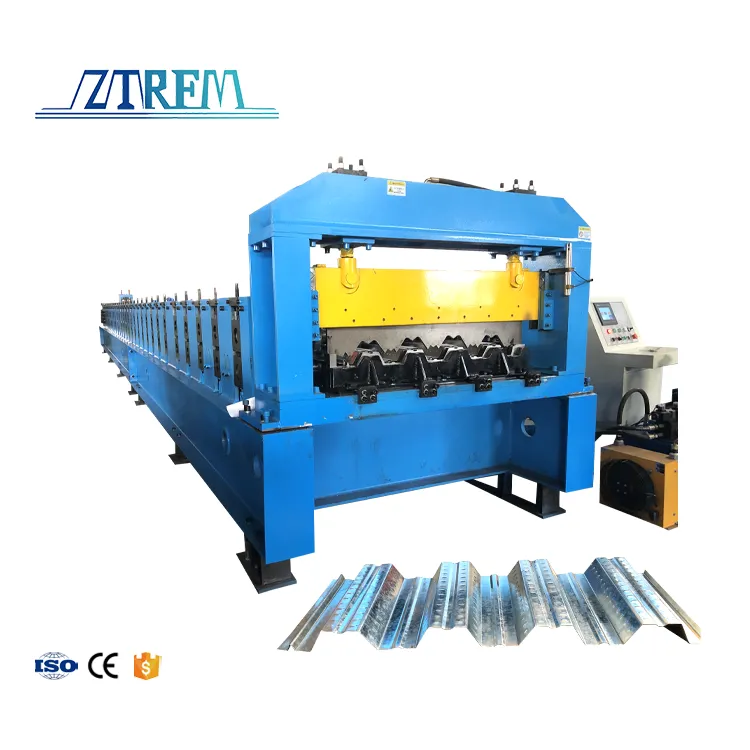 Steel Decking Floor Roll Forming Machine Galvanized Steel Floor
- 15 kw x 2 sets
$25,800.00
MOQ: 1
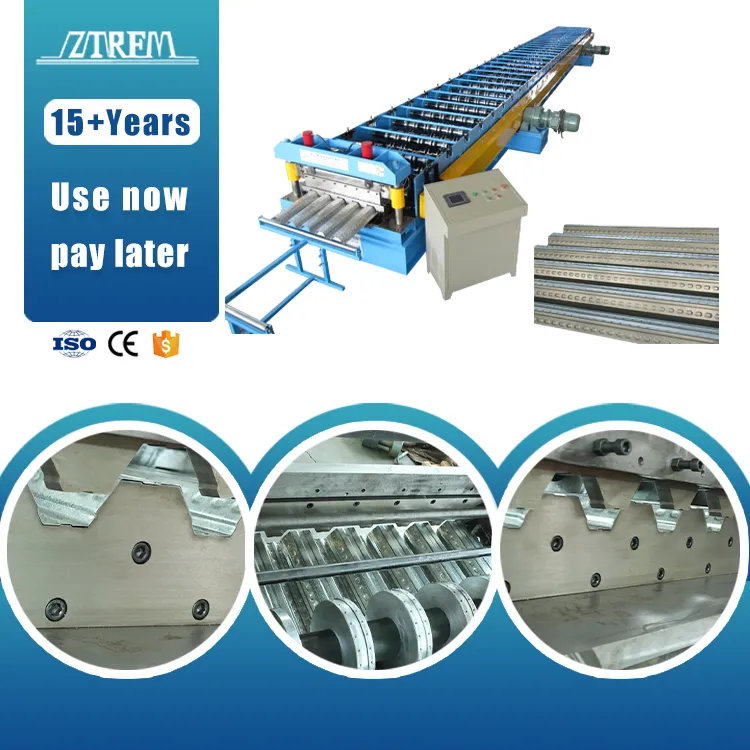 Metal Floor Decking Forming Shallow Trapezoidal Composite Floor
- 15 kw x 2 sets+15 m/min
$35,000.00
MOQ: 1
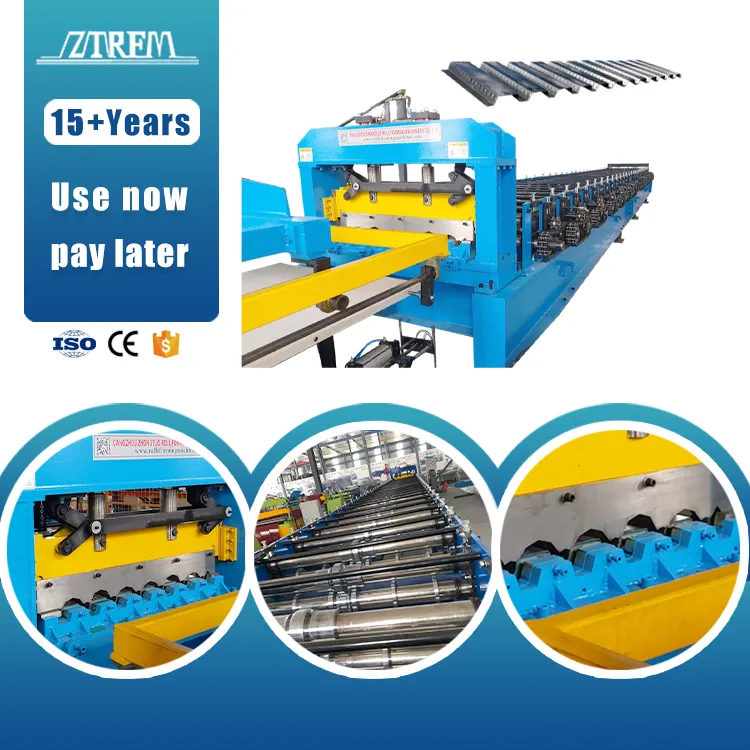 Steel Roofing Decks Machine 80 Making Type B Metal Roof Deck KSI
- 15 kw x 2 sets
$29,800.00
MOQ: 1
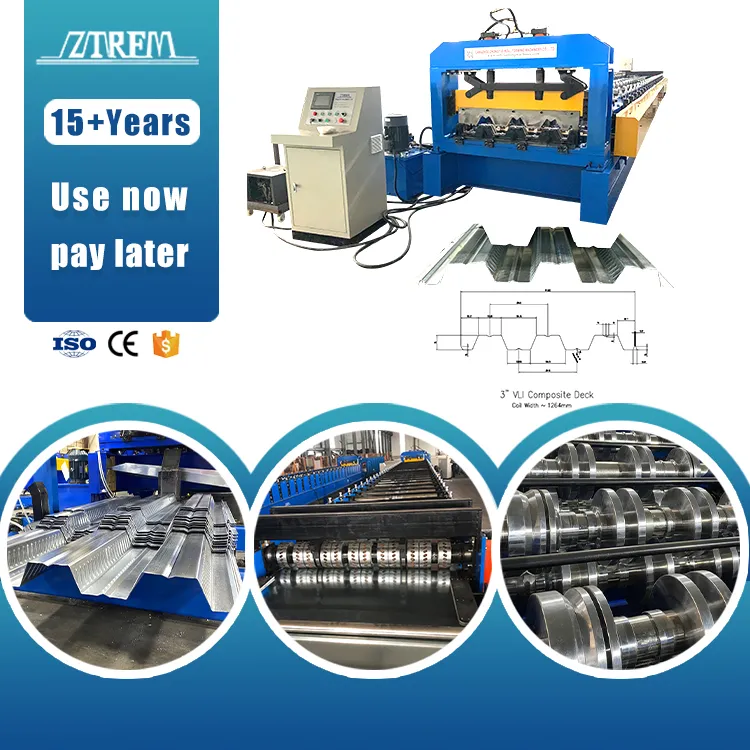 3 Inch Composite Floor Deck Rolling Forming Machine Floor Deck
- 0-15 m per minute+15 kw x 2 sets
$35,000.00
MOQ: 1
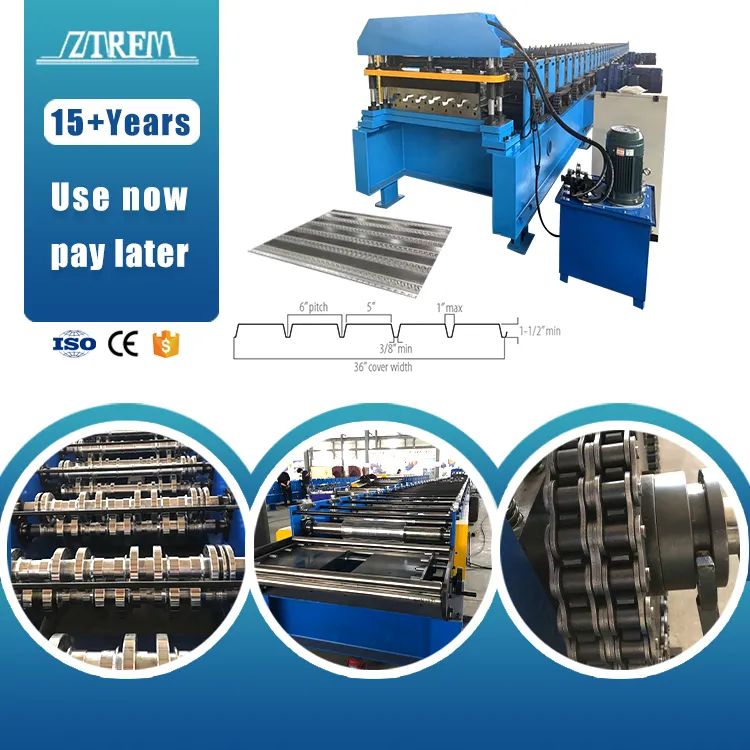 2inch Composite Floor Deck Roll Forming Machine Cabinet Metal
- 15 kw x 2 sets
$25,800.00
MOQ: 1
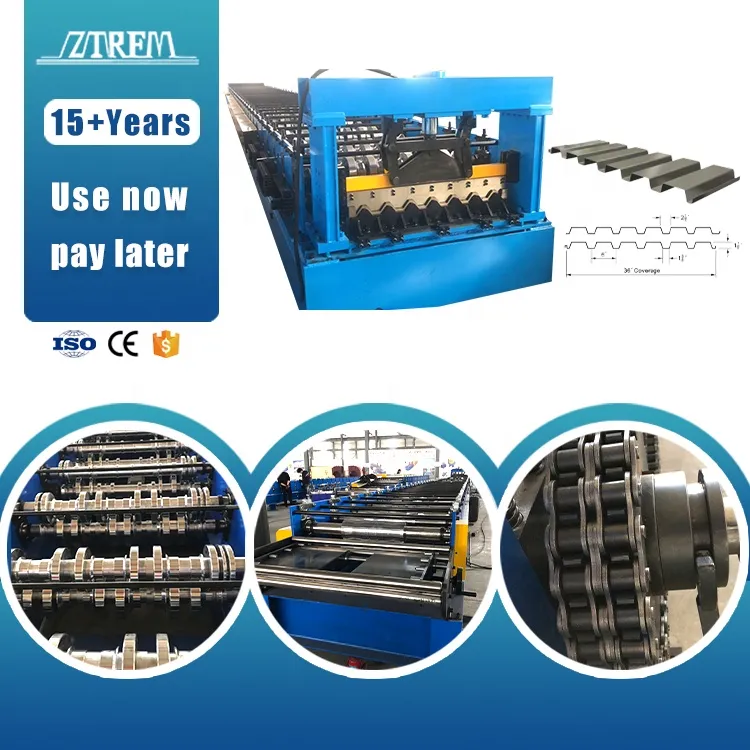 Composite Metal Floor Decking Rolling Forming Machine Line Auto
- STEEL DECK MACHINE+1250MM
$48,900.00
MOQ: 1
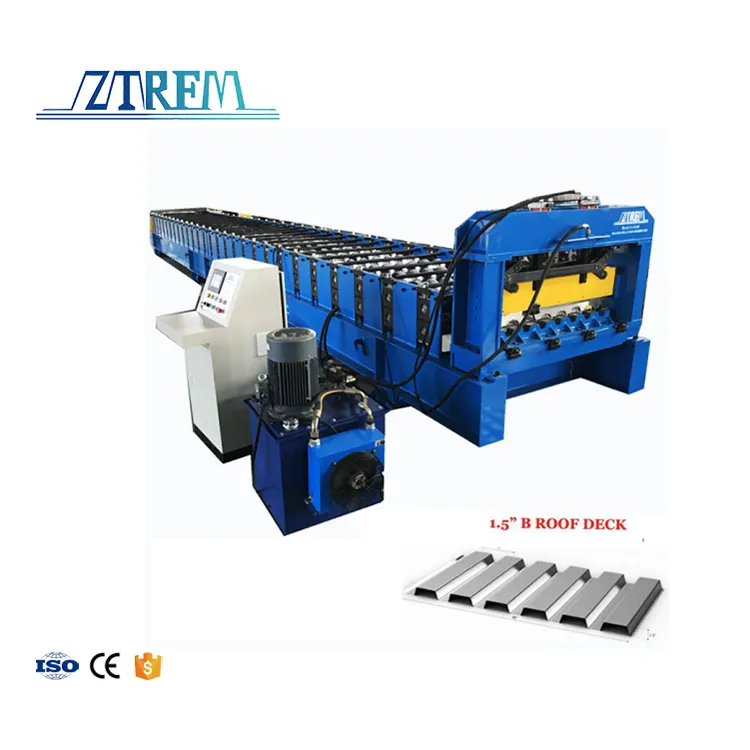 Deck Sheet Roll Forming Machine Floor Decking Machine Deck Roll
- 18.5 kw x 2 sets
$35,000.00
MOQ: 1
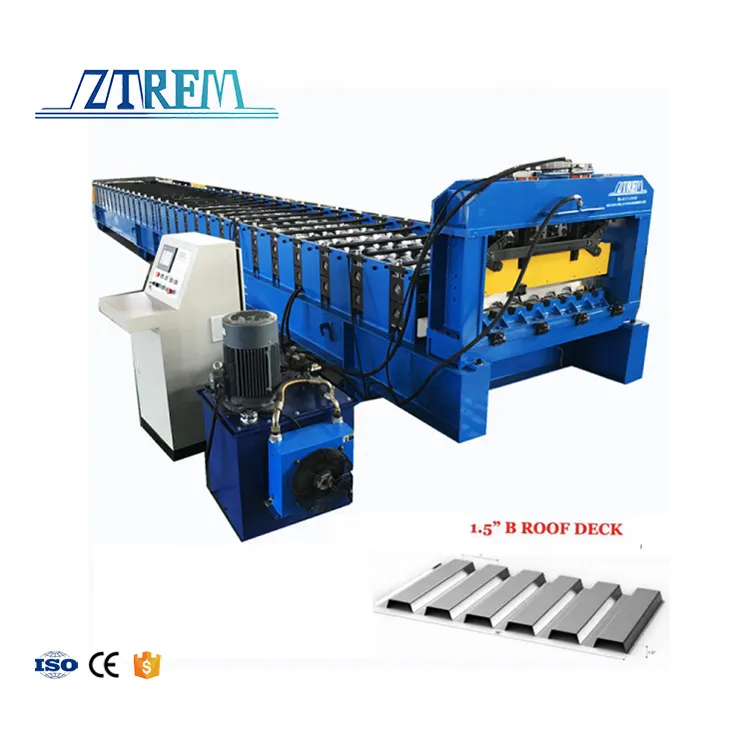 B Galvanized Roof Decking Steel Sheet Metal Forming Machine 3"
- 4 m/min+Galvanized Roof Decking Steel Sheet Metal Forming Machine+22 KW
$26,000.00
MOQ: 1
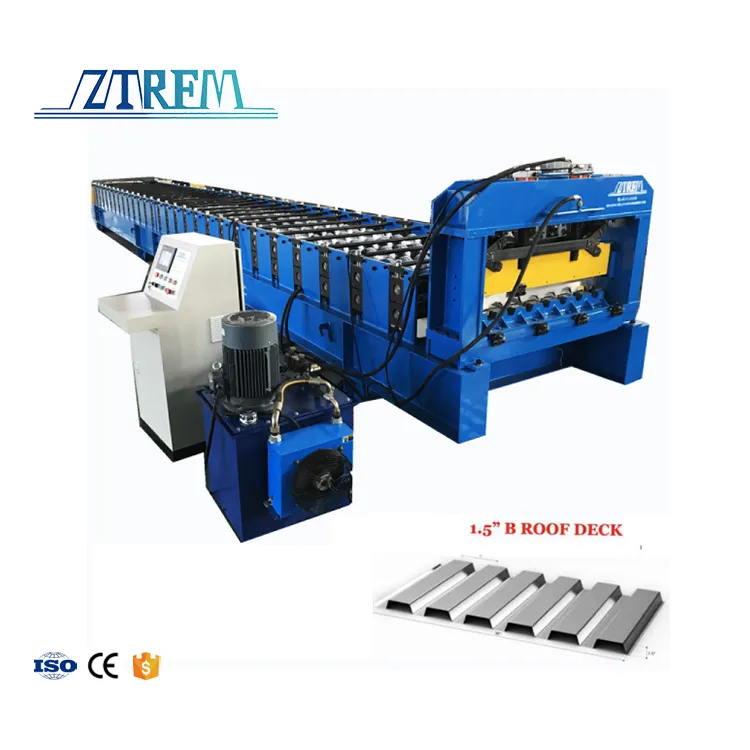 Cold Formed Steel 1.5B 2B 3B Floor Deck Roll Forming Machine
- 15 m/min+1.5B+18.5 kw x 2 sets
$35,000.00
MOQ: 1
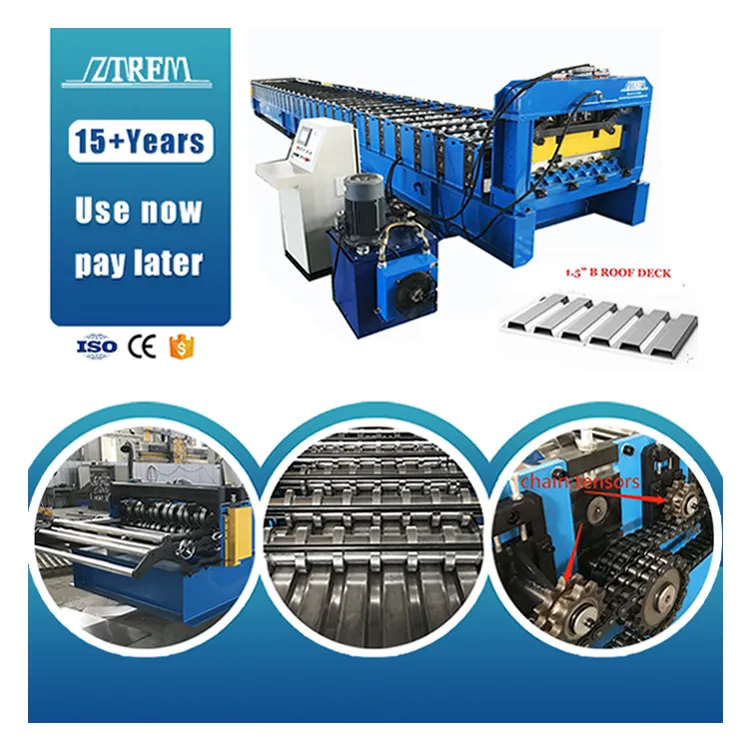 Most Metal Tile Forming Machine Steel Wall Use Structure
- ZTRFM-D1+18.5 kw x 2 sets+5 m/min
$35,000.00
MOQ: 1
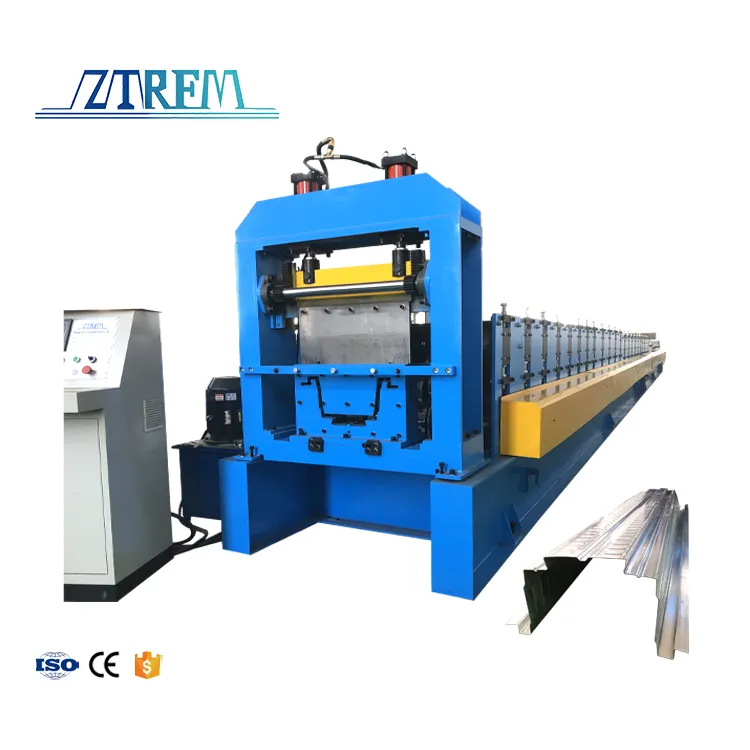 Hi Bond 55 Floor Decking Steel Roll Machine Truss Deck Floor Deck
- 15 m/min+Hibond55+15 kw x 2 sets
$35,000.00
MOQ: 1
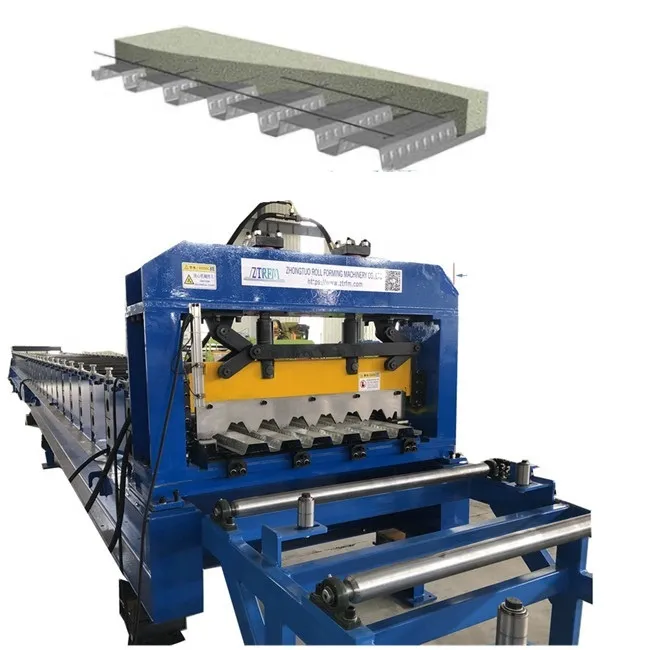 1.5 Inch Composite Deck Roof Decking Rolling Forming Machine
- 20 M/Min+1.5 inch*36 Deck+35KW
$50,000.00
MOQ: 1
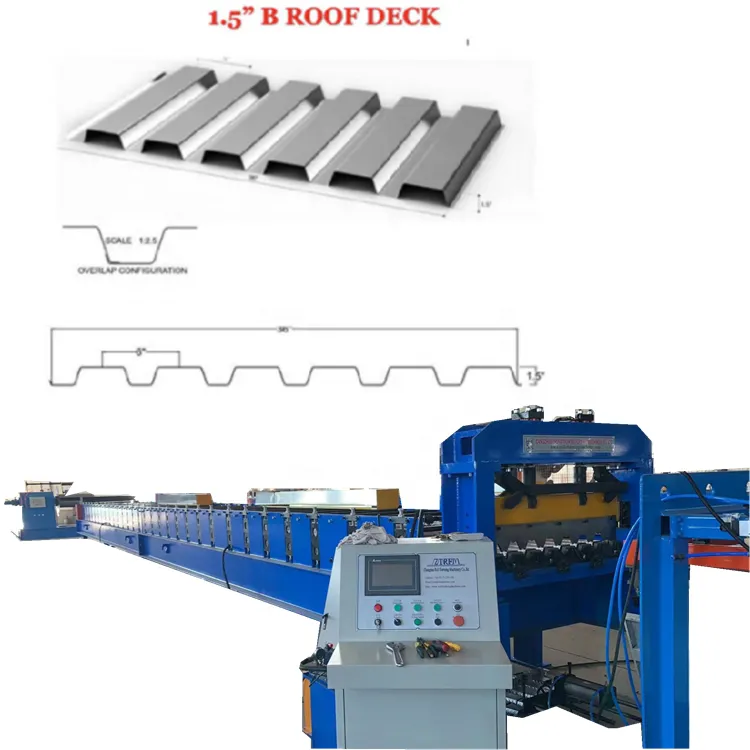 B Concrete Roof Deck Floor Roll Forming Machine 1.5" 3"
- 4 m/min+22 KW
$12,500.00
MOQ: 1
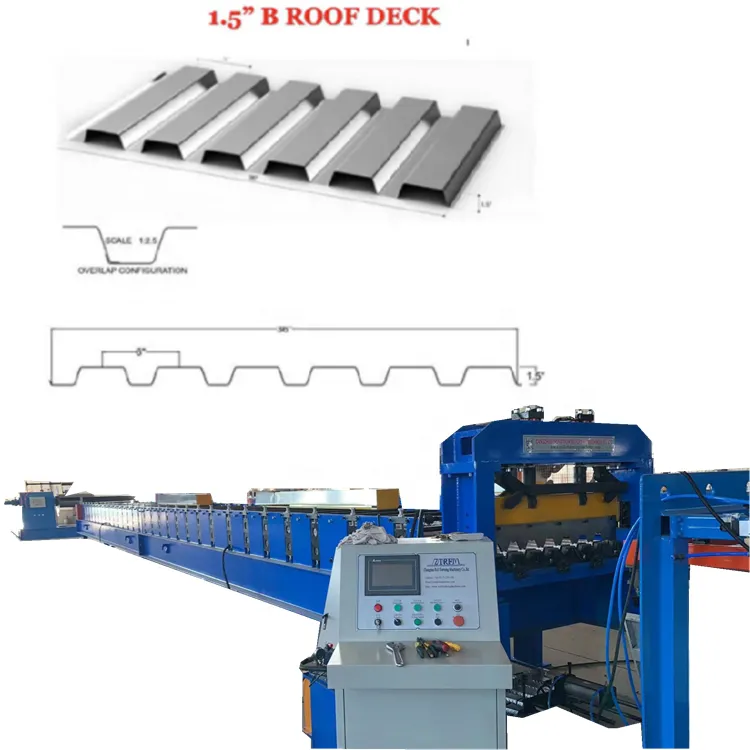 B Roof Deck Steel Sheet Making Decking Roll Forming Machine 1.5"
- 4 m/min+22 KW
$12,500.00
MOQ: 1
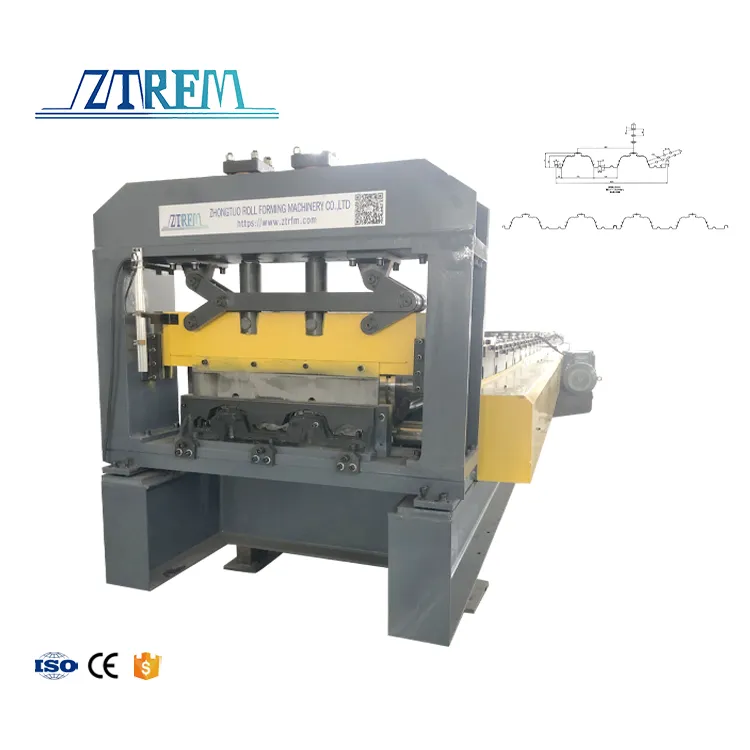 Steel Structure Floor Deck Roll Forming Machine Metal Deck Roll
- 0-15 m per minute+15 kw x 2 sets
$35,000.00
MOQ: 1
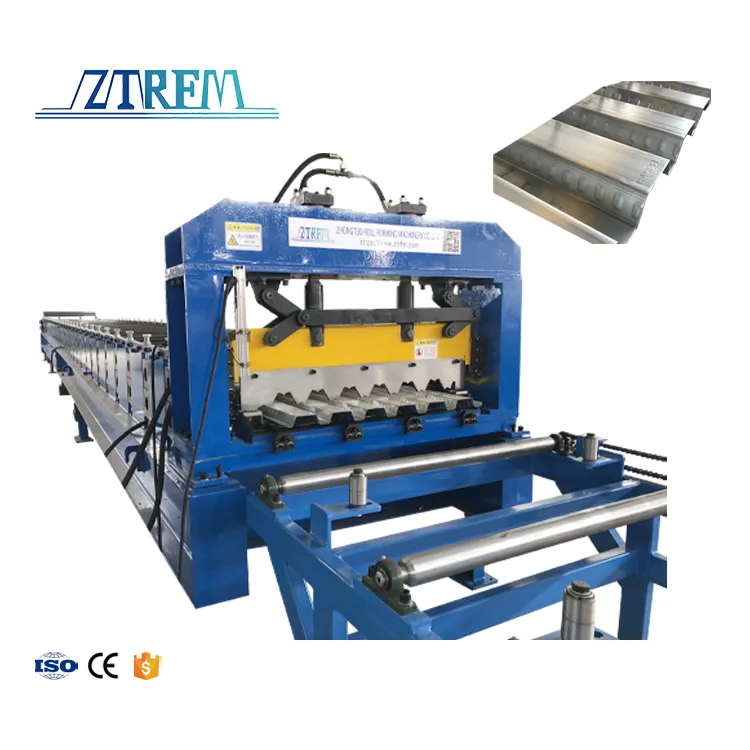 1 1/2inch Composite Floor Deck Rolling Forming Machine
- 15 kw x 2 sets+30 m/min
$55,000.00
MOQ: 1
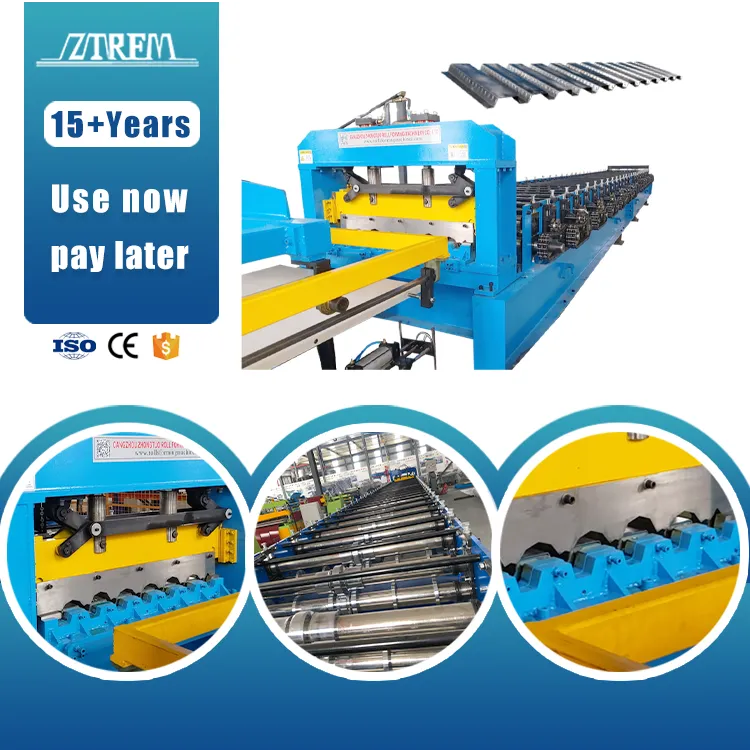 Floor Deck Forming Machine Steel Deck Maker Machine Metal Floor
- 18.5kw x 2 sets
$28,500.00
MOQ: 1
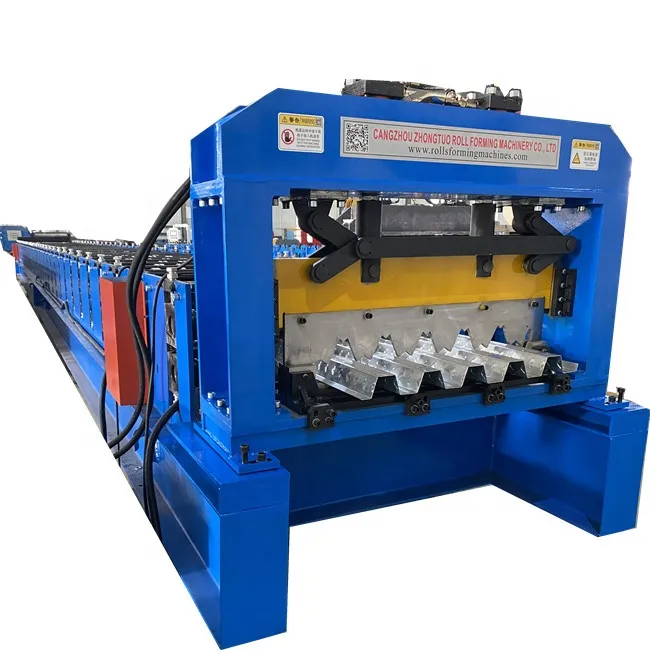 Floor Decking Roll Forming Machine ZT36 Steel 3'' 1.5''
- 15 m/min+zt36+15kw*2
$35,000.00
MOQ: 1
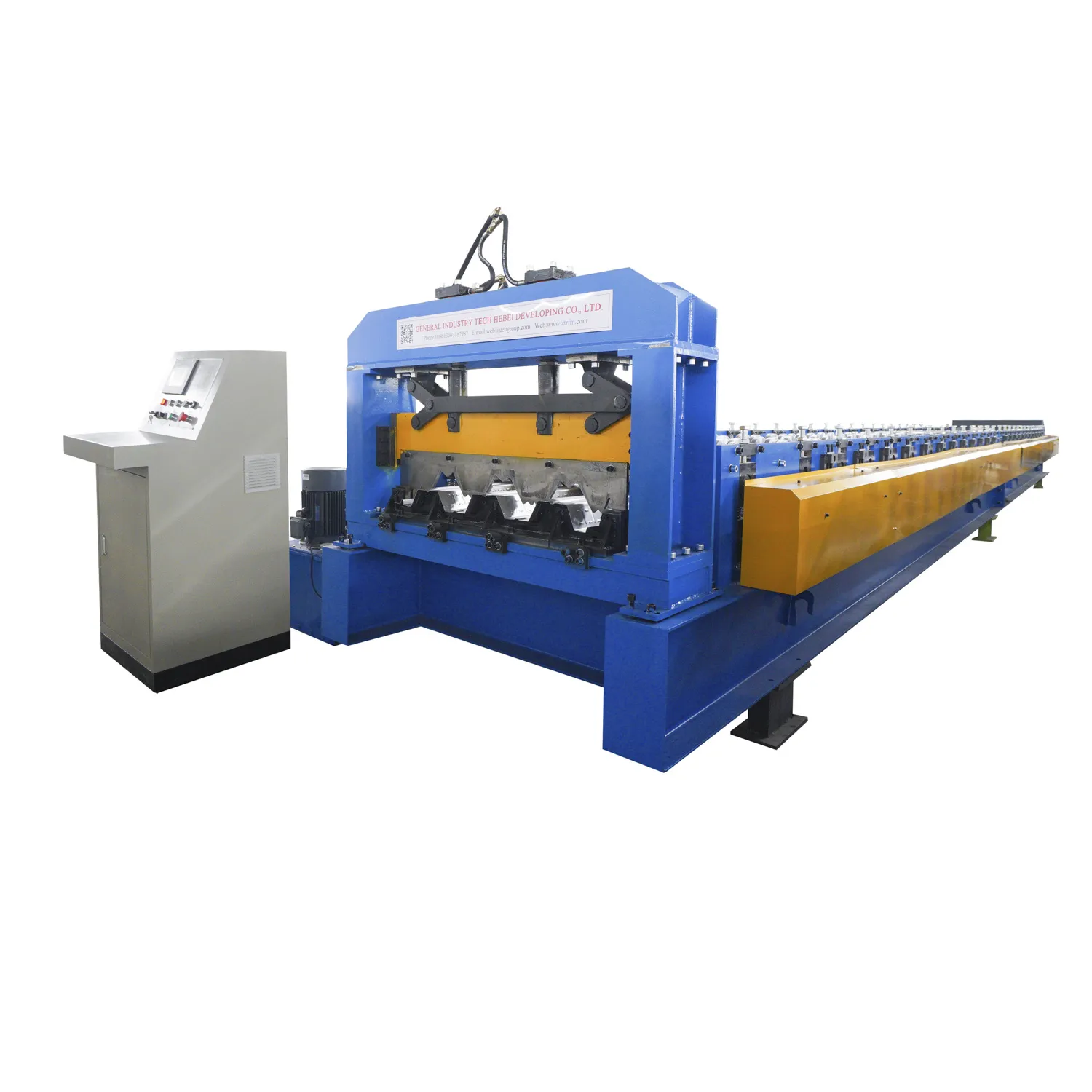 Floor Decking Machine Roll Forming Machine Floor Decking Core
- 20 m/min+Floor decking roll forming machine+11kw
$20,000.00
MOQ: 1
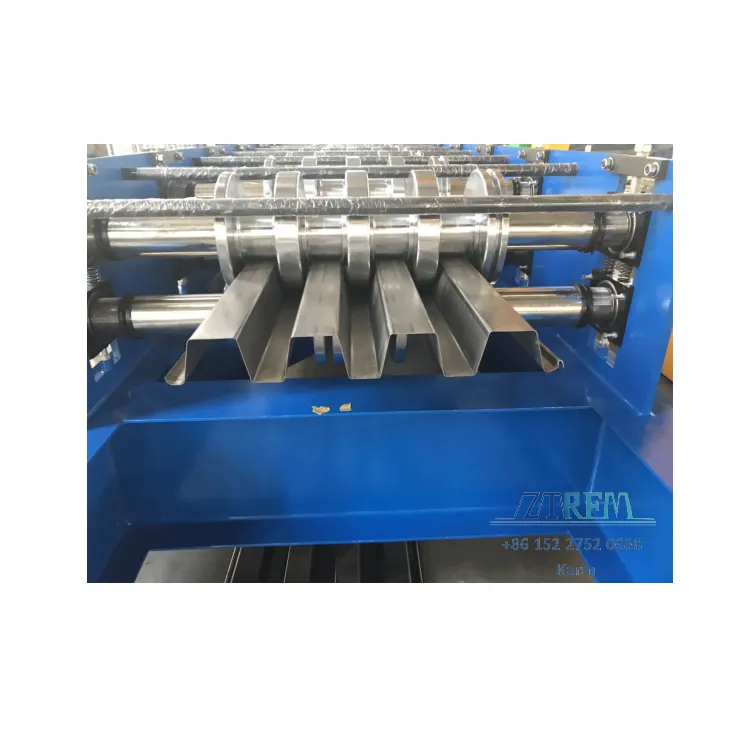 75mm Height Galvanized Metal Steel Floor Tiles Decking Sheet Roll
- 75*450mm+500mm
$25,000.00
MOQ: 1
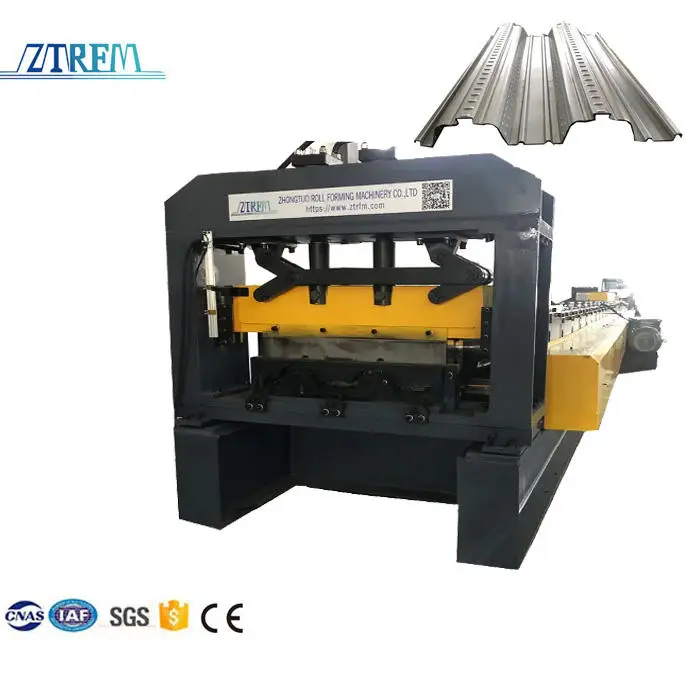 Composite Metal Floor Decking Rolling Forming Machine Metal Floor
- 15 m/min+ZT-590+22KW
$45,000.00
MOQ: 1
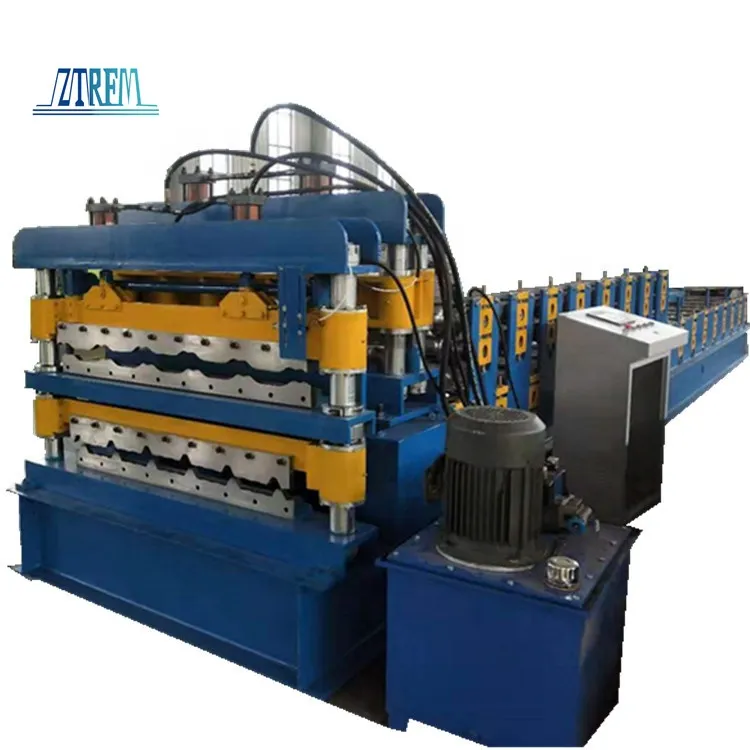 Corrugated Trapezoidal Double Layer Roof Sheet Roll Forming Machine
- 0-15 m per minute+15 kw x 2 sets
$35,000.00
MOQ: 1
About Floor Decking Roll Forming Machines
Floor decking roll forming machines produce structural steel floor panels that serve as permanent formwork and bottom positive reinforcement in composite concrete slabs. Unlike lightweight roofing sheets, floor decks carry wet concrete weight and construction live loads without temporary propping across spans of 2 to 4.5 meters. Common profile types include open-trough trapezoidal profiles with prominent side ribs, re-entrant dovetail shapes for ceiling clip hanging, and closed-rib composite profiles providing superior fire resistance and underside ceiling aesthetics.
The manufacturing process requires immense structural rigidity. Standard lines utilize 24 to 32 forming stations with solid 40Cr steel shafts (typically 75 mm to 95 mm in diameter) and cast-iron or heavy steel arch frames to withstand the forming forces of high-yield structural steel. A critical stage is the mechanical embossing unit, where hardened patterned rollers press precise indentations along the web and flanges to ensure mechanical shear bonding between the steel profile and hardened concrete.
Raw materials consist predominantly of hot-dip galvanized steel coils (GI conforming to ASTM A653 or EN 10346) with heavy zinc coatings (Z275 to Z350 / G90) to prevent underside corrosion over a building’s 50-year design life. Typical coil thickness ranges from 0.75 mm to 1.5 mm, with structural yield strengths spanning 250 MPa to 550 MPa (such as S350GD or Grade 50).
These deck panels are vital across multi-story commercial office towers, industrial logistics warehouses, mezzanine floors, airport terminals, and multi-level parking structures.
Line configurations typically integrate a 10-to-15-ton hydraulic decoiler with a loading car, hydraulic pre-shear, heavy-duty gear-drive transmission, precision mechanical or hydraulic post-cut shear with profile-matched Cr12MoV blades, and an automatic heavy-duty pneumatic stacker managed via an industrial PLC and touchscreen HMI.
Floor Decking Roll Forming Machines Profiles

Floor deck composite rib
Deck gauge and rib height follow composite slab drawing; dual-layer hosts differ…
View Profile
Applications
High-Rise Commercial Skyscrapers & Office Towers
Floor decking serves as a permanent stay-in-place formwork and tensile reinforcement in composite concrete floor slabs, enabling un-propped multi-story casting and rapid vertical construction in structural steel high-rises.
Multi-Story Industrial Warehouses & Logistics Hubs
Deep-rib embossed floor deck panels interlock with reinforced concrete to resist heavy live loads, dynamic forklift vibrations, and high-density racking pressures across multi-tier storage facilities.
Industrial Mezzanine Platforms & Equipment Floors
High-strength steel floor decking spans broad steel joists without intermediate scaffolding, providing lightweight, fire-resistant floor platforms for factory equipment rooms, cleanrooms, and maintenance walkways.
Multi-Level Steel Parking Garages & Transit Centers
Corrosion-resistant galvanized composite floor decks offer superior diaphragm shear stiffness and crack control, supporting continuous vehicular wheel loads and dynamic braking stresses in open-deck multi-tier car parks.
Prefabricated Modular Steel Housing & Apartments
Engineered steel decking integrates within prefabricated floor cassettes to deliver high acoustic damping, built-in fire barriers, and embedded utility conduit pathways for fast-track modular residential buildings.
Technical Overview
| Parameter | Information |
|---|---|
| Profile / Product Family | Open-rib, dovetail & closed-rib composite floor deck |
| Applicable Coil Material | Hot-dip galvanized structural steel (GI / ASTM A653 / EN 10346) |
| Material Thickness Range | 0.80 mm – 1.50 mm (optional heavy gauge up to 1.6 mm) |
| Infeed Coil Width | 1000 mm / 1200 mm / 1219 mm / 1250 mm |
| Effective Covering Width | 555 mm – 720 mm (according to profile drawing) |
| Forming Roller Stations | 24 – 32 stations (solid 40Cr steel rollers, hard chrome plated) |
| Shaft Diameter | Φ75 mm – Φ95 mm (solid 40Cr / 45# quenched and tempered) |
| Drive Transmission | Independent gearbox drive or heavy double-pitch chain drive |
| Cutting System | Heavy-duty hydraulic stop-to-cut shear with custom Cr12MoV die blades |
| In-line Embossing Unit | Integrated mechanical embossing roll pair on web & flange |
Related Solutions
Floor Decking Roll Forming Solution
Dual-layer floor-deck line: two profiles on one host, one layer live at a time.…
Pre-Engineered Building Component Line
Integrated solution for PEB secondary framing: C/Z purlins, girts, eave struts,…
Heavy Coil Handling Solution
Coil infeed is a weight class plus a drive: manual expand, electric expand with…
Decorative Embossed Metal Panel Solution
Embossing is a pattern roll pair on a dedicated host or as a station on a panel…
Metal Sheet Processing Solution
Blanking and cut-off around a roll former is a shear class: flying (tracking) sh…
Custom Profile Roll Forming for OEM
Flexible roll forming line for custom cross-sections. Suitable for OEMs who need…
Related Information

Decking Floor Roll Forming Machine: Steel Floor Deck Profiles and Applications
Steel floor decking profiles explained — closed rib vs open rib vs dovetail, emb…
Read More
Floor Deck Roll Forming Machine Specifications: What Actually Matters
Floor deck roll forming machine specifications decoded: gauge range, deck profil…
Read More
What Is a Floor Deck Roll Forming Machine Used For? (With Span Data)
what is a floor deck roll forming machine used for, steel floor decking, composi…
Read More
Galvanized Coil Specifications for Roll Forming: ASTM A653 vs EN 10346 vs JIS G3302
galvanized coil specifications astm a653 en 10346 jis g3302
Read More
Roll Forming Tooling Design: Material, Coating & Lifespan
Roller material choices (Cr12MoV vs D2 vs SKD11), surface coatings, flower patte…
Read More
Roll Forming Decoiler Types: Manual, Hydraulic and Double-Head Guide
Manual vs hydraulic vs double-head decoilers — capacity, safety, price, and how…
Read More
FAQ
What are the structural differences between open-rib, dovetail, and closed-rib floor deck profiles?
Open-rib (trapezoidal) profiles offer the highest section modulus and longest un-propped spans, making them cost-effective for large industrial warehouses. Dovetail (re-entrant) profiles allow direct mechanical service hangers without drilling, while closed-rib profiles completely encapsulate bottom ribs, providing flat underside ceilings, superior fire ratings, and reduced concrete consumption.
Why does a floor deck roll former require solid shafts and heavier station frames than roof panel machines?
Floor decking requires forming 0.8 mm to 1.5 mm structural galvanized steel with yield strengths up to G550, demanding 3 to 5 times greater forming torque than 0.4 mm roofing sheets. To prevent shaft deflection, roller wear, and panel camber, floor deck machines utilize 75–95 mm solid 40Cr steel shafts, heavy cast-iron or guide-pillar stands, and individual gearbox drive transmissions.
How does in-line embossing affect composite slab performance, and how is it integrated?
In-line embossing rolls press raised or recessed chevron patterns into the vertical webs of the deck profile. When concrete cures around these indentations, they create a mechanical interlock that transfers horizontal shear stresses between the steel sheet and the concrete slab, transforming the deck into effective tensile reinforcement without relying purely on friction.
What coil specifications and zinc coating weights are mandatory for structural floor decks?
Structural composite decks typically mandate ASTM A653 / EN 10346 certified structural steel coils with minimum yield strengths of 250 MPa (often 350 to 550 MPa). Zinc coating weights should be at least Z275 (275 g/m² total both sides) or G90 to guarantee long-term corrosion protection in unexposed indoor environments over a multi-decade service life.
What decoiler capacity and coil handling equipment are recommended for a floor deck line?
Because 1.2 mm thick coils at 1000–1250 mm width weigh substantially more than thin roofing coils, a 10-ton or 12-ton hydraulic expanding decoiler paired with a motorized coil loading car is standard. This setup prevents coil slippage, ensures controlled uncoiling tension, and reduces coil changeover time from 40 minutes to under 10 minutes.
How does the cutting system handle deep-ribbed floor deck profiles without deforming the ends?
Deep floor deck profiles (rib heights 51 mm to 76 mm) require custom-machined two-piece or three-piece Cr12MoV cutting dies with precision-guided hydraulic shear cylinders. The cutting blade profile precisely follows the corrugated cross-section, shearing simultaneously from top and bottom to eliminate end crushing, flare, or jagged burrs.
What critical production and drawing details are needed to finalize a floor deck machine quotation?
Buyers must provide the signed profile drawing (specifying effective cover width, rib height, pitch, and embossing pattern), maximum and minimum coil thickness, coil yield strength (MPa), required line speed (typically 12–18 m/min), decoiler weight capacity, and target hydraulic cut-off configuration.