
- Tuo AI

- Live

- My Account
- Shopping Cart
- Inquiry Basket
- Contact Us
- Back to Top




W Beam Guardrails
W-beam guardrails are the global benchmark for semi-rigid highway crash barriers, engineered to absorb vehicular kinetic energy, prevent roadside rollover, and safely redirect errant vehicles back into traffic flow. Fabricated from 2.67 mm (Class A, nominal 3.0 mm) or 3.43 mm (Class B, nominal 4.0 mm) high-tensile structural steel strip conforming to AASHTO M180 and EN 1317, the classic two-wave profile delivers an optimal 312 mm cross-sectional height with an 83 mm corrugation depth. Industrial production relies on heavy-duty cold roll forming lines incorporating 10–15 ton hydraulic decoilers, multi-action pre-punching presses for splice and post slots, 16–20 progressive forming stations, and flying hydraulic cut-off shears. Explore verified profile specifications, turnkey roll forming machinery, and certified highway barrier solutions below.
Filters
 Traffic Safety Steel W Beam Highway Crash Barrier Bridge Guardrail
- DC-GR2-L4318-H83-W312-T2.7
$28.00
MOQ: 2
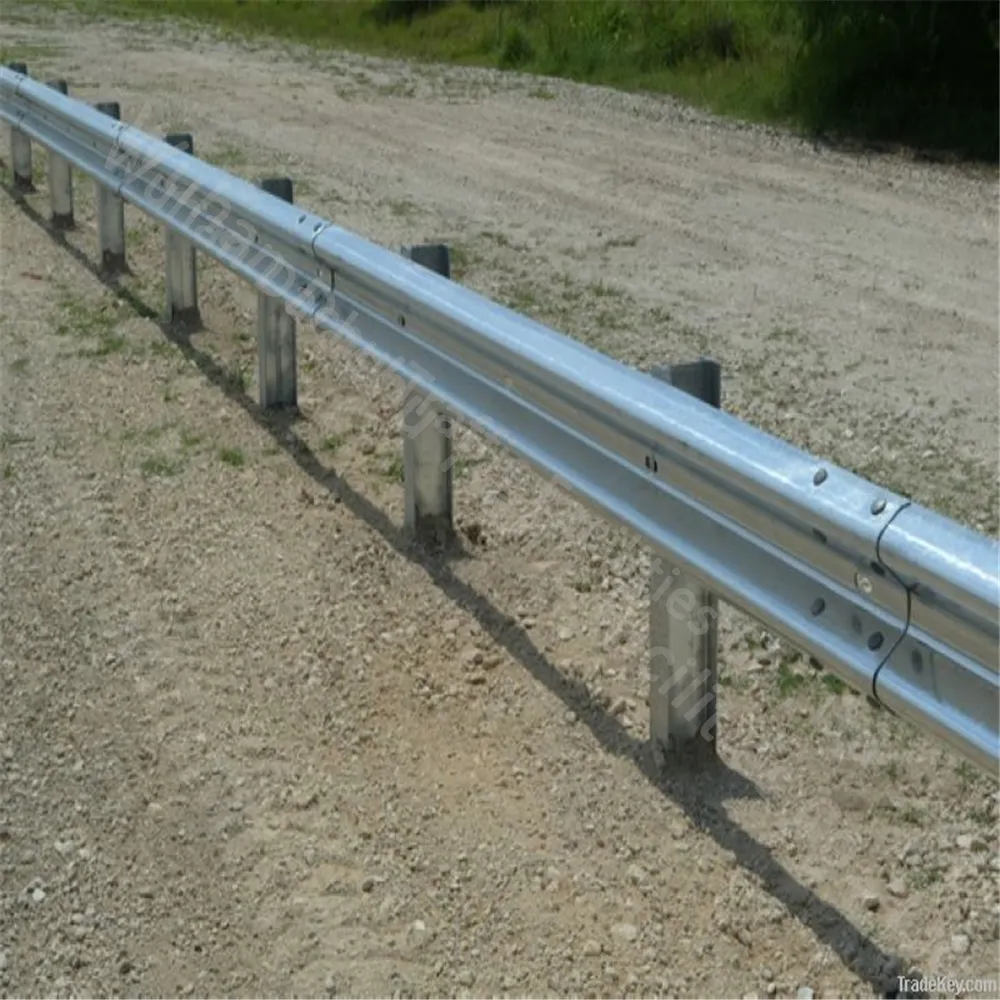
 Galvanized Aashto M180 Steel Metal Beam Highway Guardrail on Road
- DC-GR2-L4320-H75-W310-T2.5
$28.00
MOQ: 1
 Guard Rail Price Steel Highway Guardrail
- WHDC-WB460
$28.00
MOQ: 2
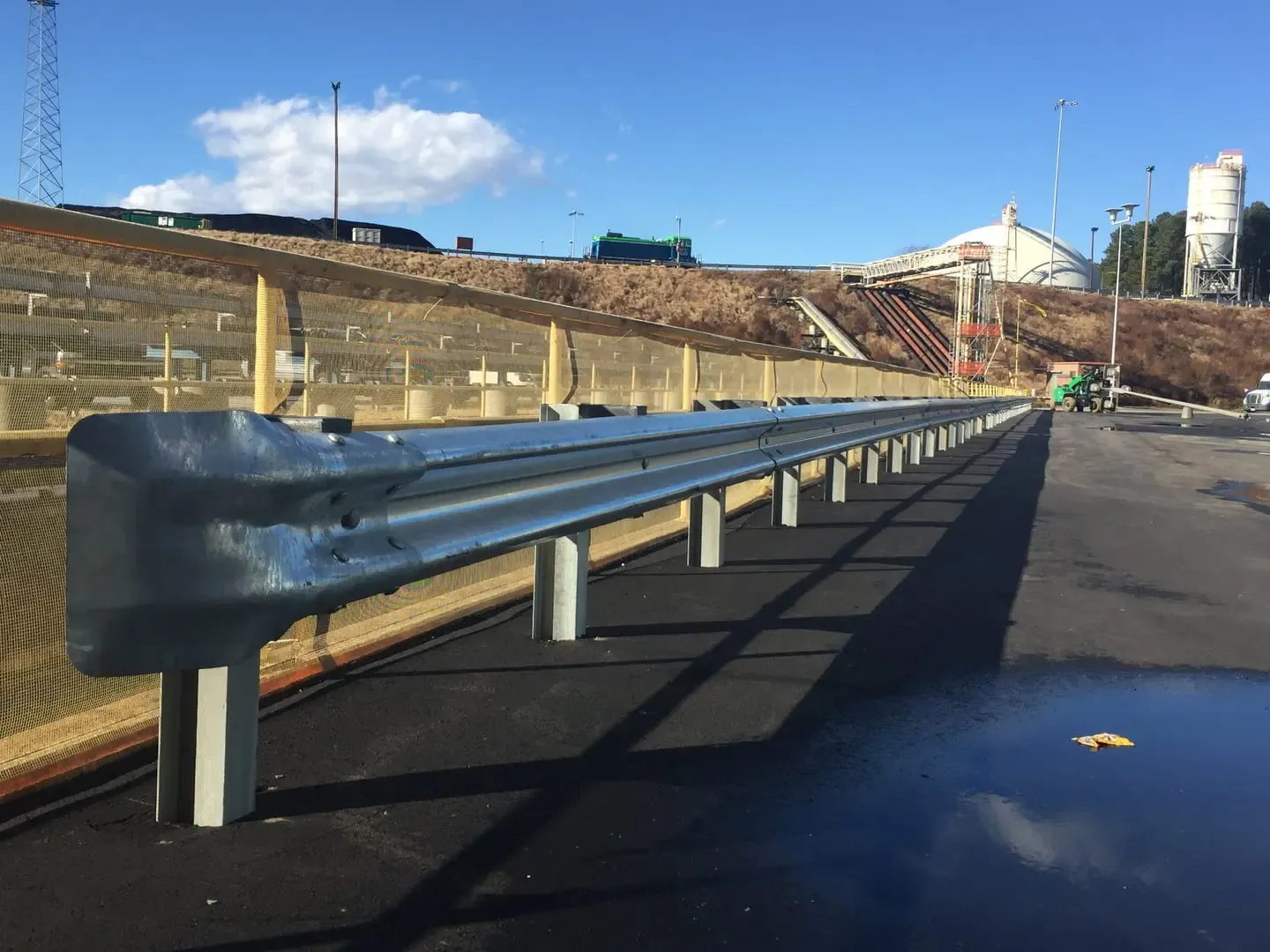
 Galvanized Steel Crash Barrier Price in Parking Area
- DC-BR-190812001
$0.88
MOQ: 1
 Hot-Sale Galvanized Steel W Beam Highway Guardrail for Traffic Safety Barriers
- Hubei, China+Dachu+600g/m2+Q235+Hot Dipped Galvanized
$19.00
MOQ: 5
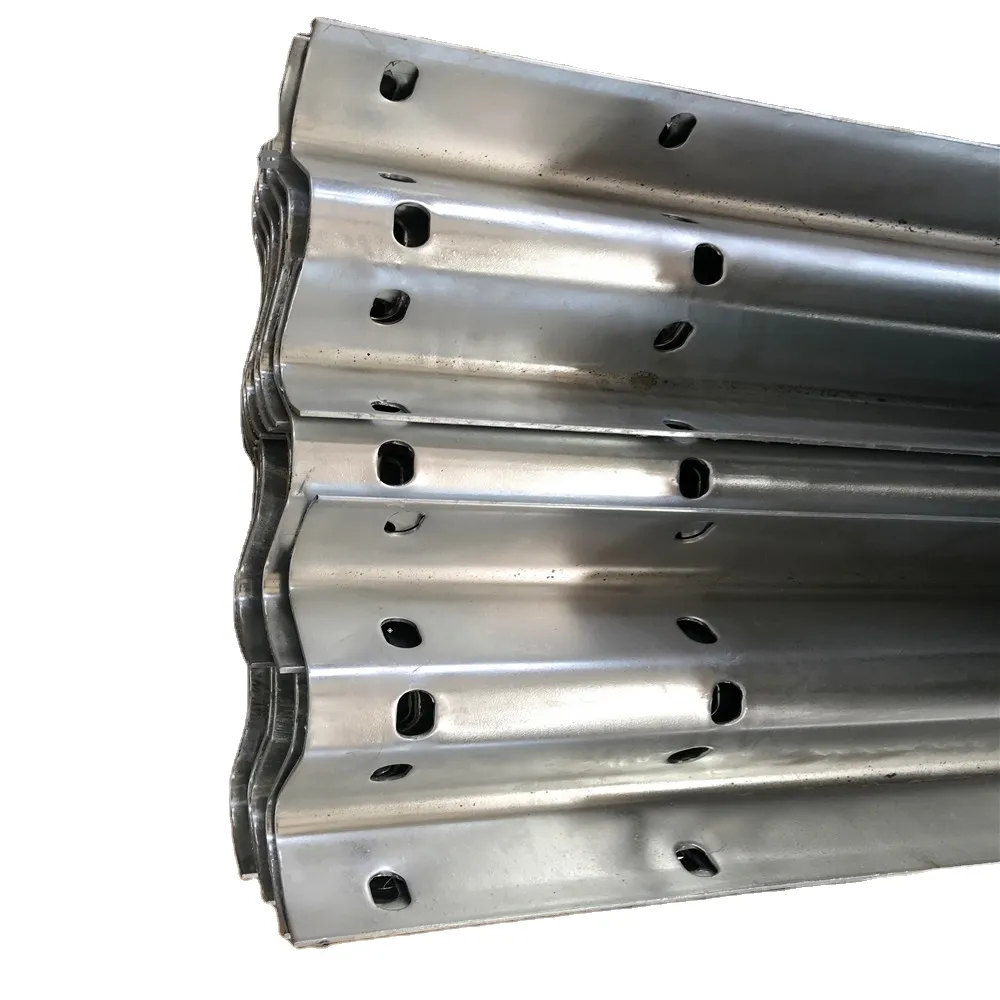 Corrosion-Resistant W Beam Guardrail for Highway Road Street for Vietnam
- Hubei, China+Dachu+600g/m2+Q235+Hot Dipped Galvanized
$19.00
MOQ: 5
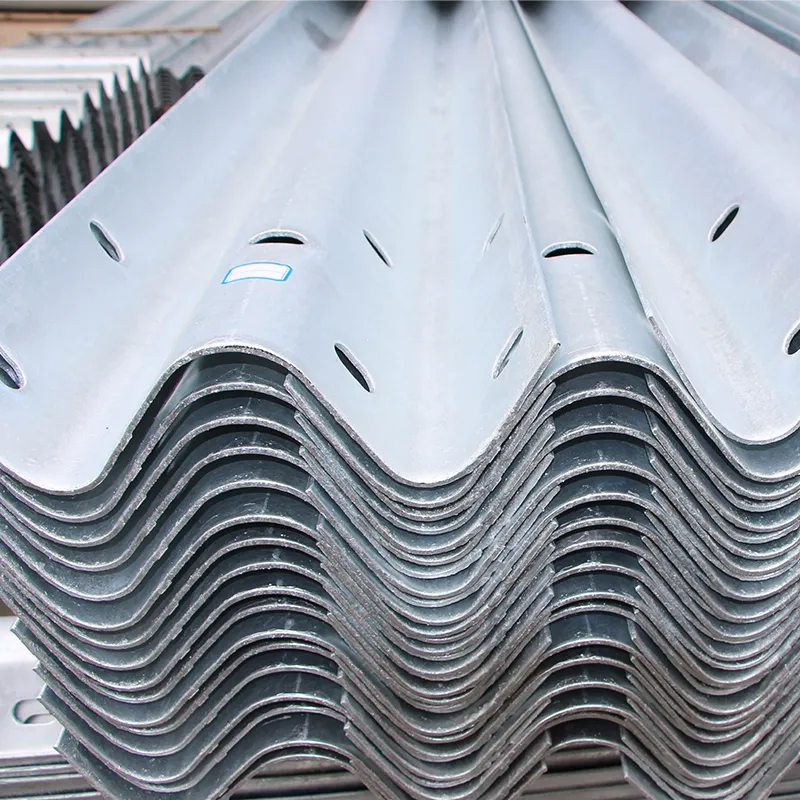 Crash Barrier W Beam Guardrail Plate A Profile
- 4320*312*83*3mm
$40.00
MOQ: 5
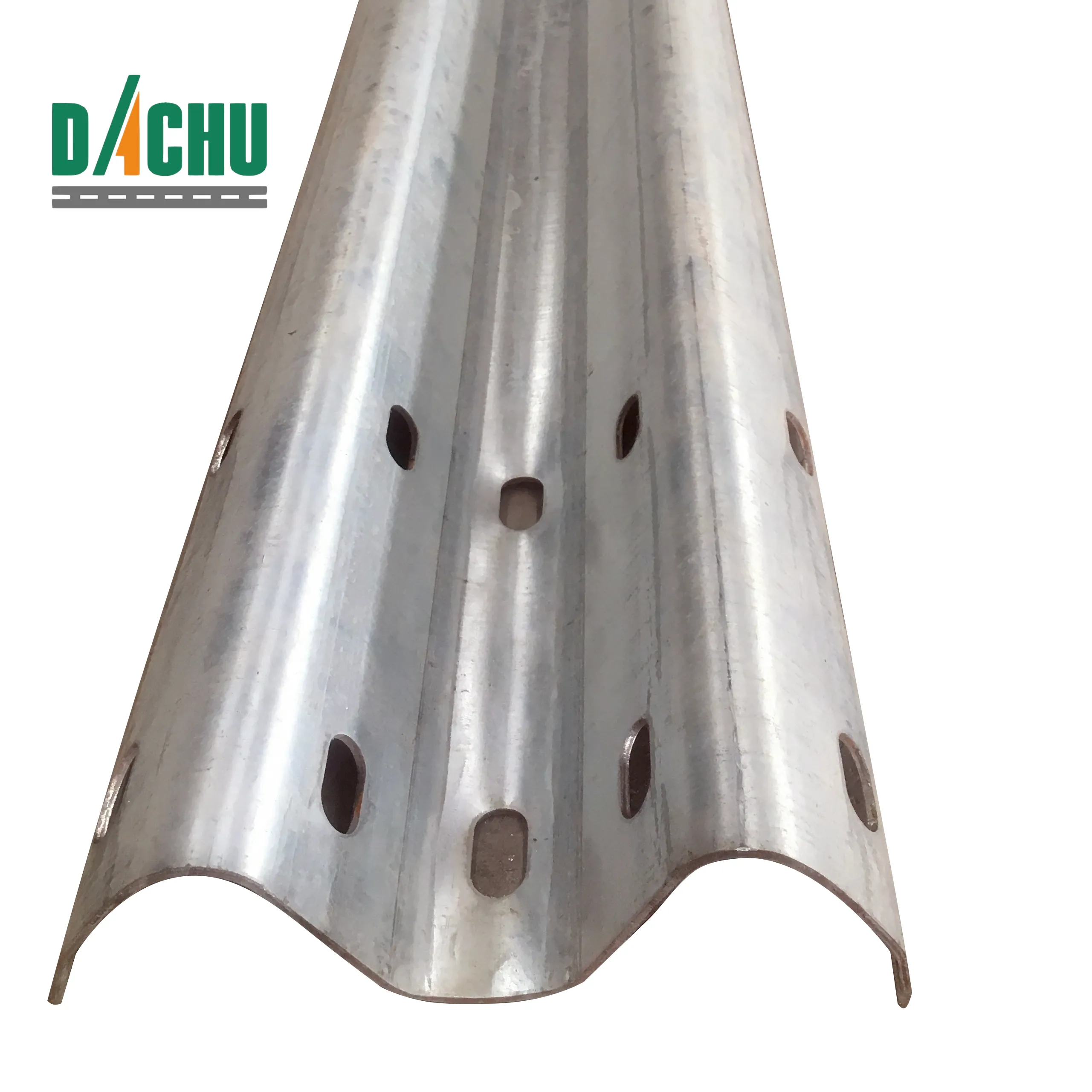 Cost-effective Urban Road Protection W Beam Traffic Safety Barrier Guardrail System
- 13-DC-GR-190719003
$30,000.00
MOQ: 27500


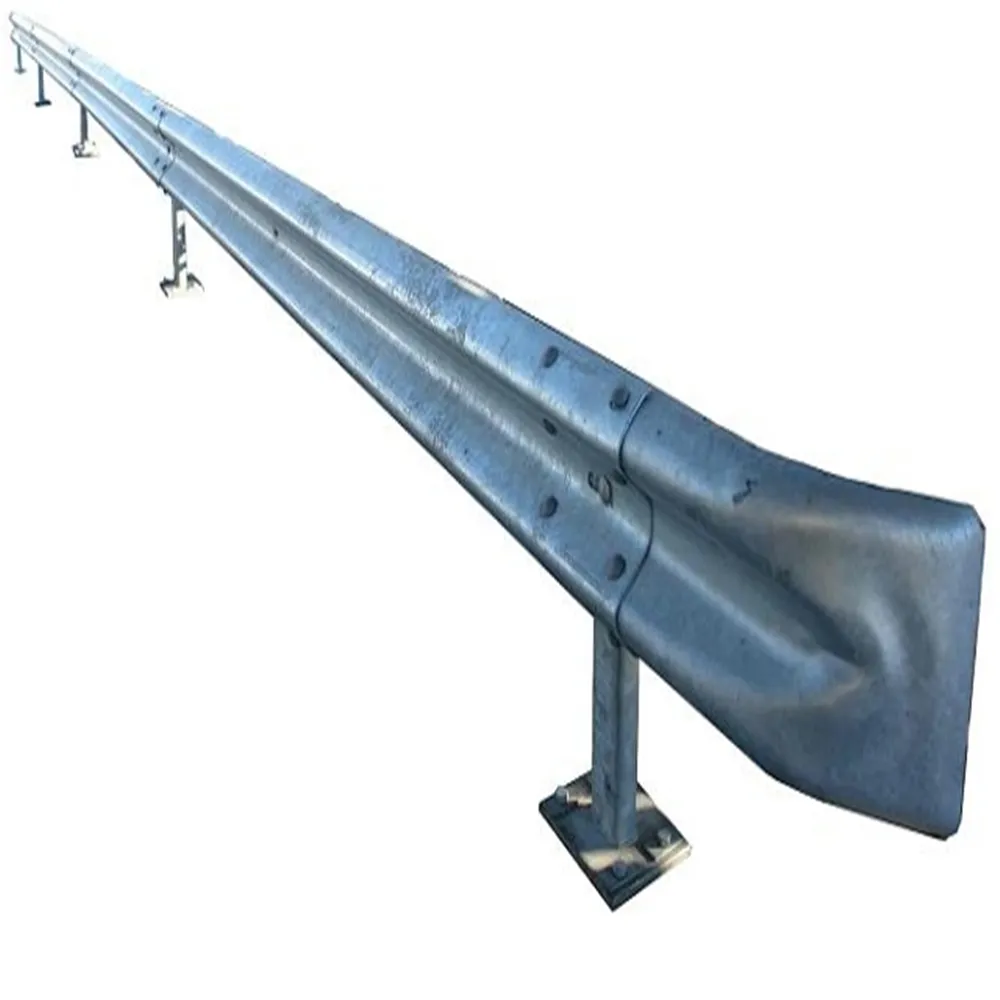






About W Beam Guardrails
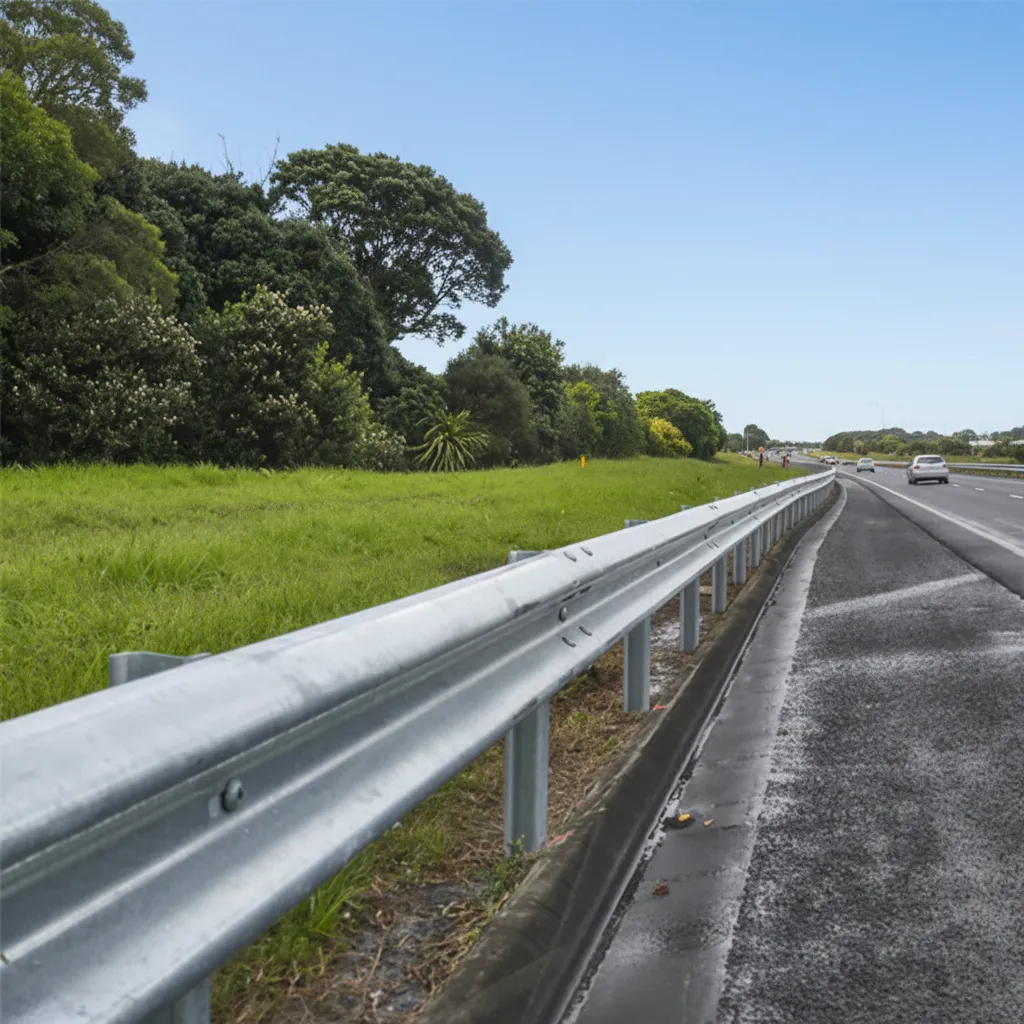
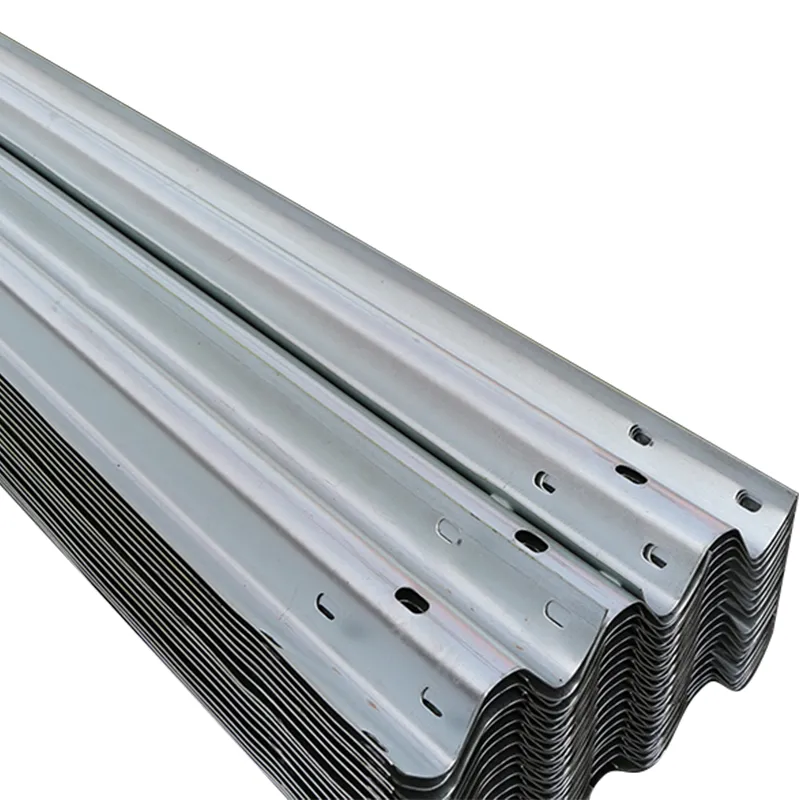
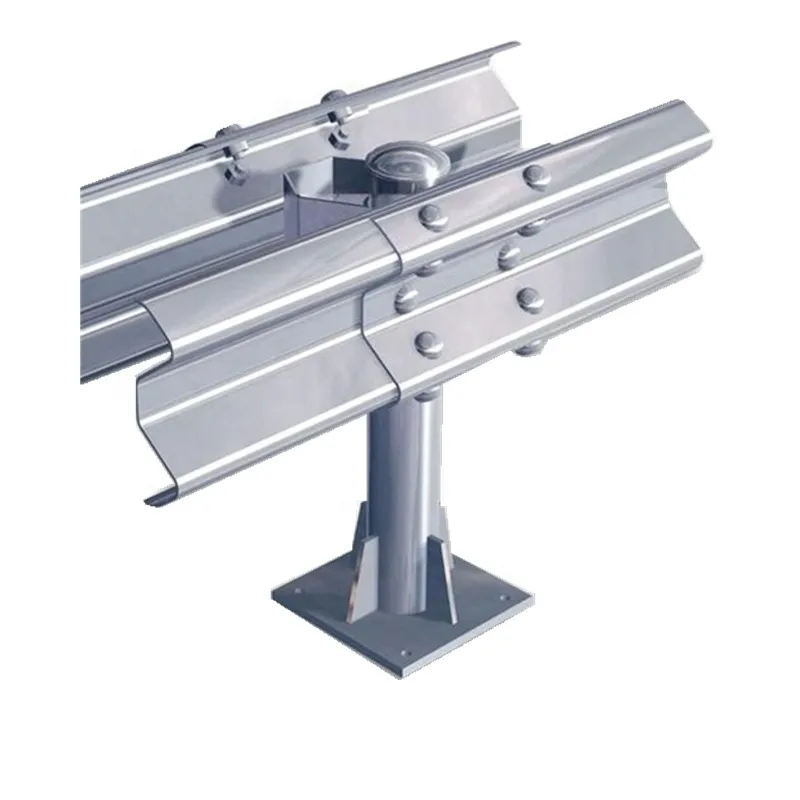
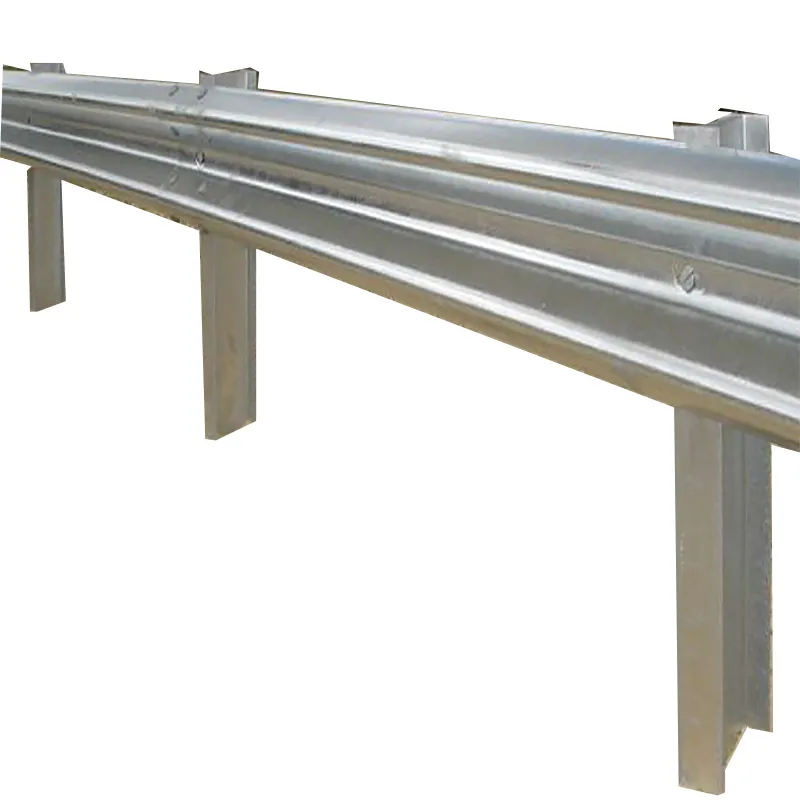
W-beam highway guardrails represent the most widely deployed longitudinal vehicle containment system across international expressways, interstate highways, and arterial roads. Engineered with a double-corrugated sinusoidal cross-section measuring 312 mm in vertical height and 83 mm in wave depth, the W-beam functions as a continuous flexible tension ribbon. Upon vehicular impact, the corrugated profile flexes laterally while distributing kinetic energy across consecutive steel posts and offset spacer blocks, cushioning the deceleration forces experienced by vehicle occupants while preventing dangerous vaulting or underride.
Manufacturing certified W-beam panels requires specialized high-tonnage cold roll forming technology capable of bending 2.67 mm to 4.0 mm heavy-gauge structural carbon steel (commonly Q235B, Q355B, ASTM A36, or ASTM A1011 Gr. 50) without longitudinal twist or edge cracking. A standard industrial production line incorporates a heavy cantilever decoiler, a 7-roll precision flattener, and a high-speed hydraulic pre-punching station that pierces the standard 8-bolt or 12-bolt splice slot patterns and slotted post mounts before cold bending. The strip then advances through 16 to 20 solid alloy steel forming stands (Φ85–100 mm 40Cr forged shafts) driven by individual reduction gearboxes, progressively shaping the two wave crests to exacting dimensional tolerances before hydraulic profile shears cut standard lengths of 4320 mm (effective 4000 mm installation span) or 3810 mm.
Long-term corrosion protection is achieved through hot-dip galvanizing conforming to AASHTO M180 Type I (550 g/m² zinc coating, ≥80 μm) or Type II (1100 g/m², ≥155 μm for aggressive maritime and industrial atmospheres), as well as dual-layer thermoplastic or electrostatic polyester powder coatings for enhanced visual delineation along scenic corridors.
Certified to MASH TL-3 / TL-4 and EN 1317 N2 / H1 containment levels, W-beam barriers provide reliable vehicle redirection along high-speed expressway shoulders, bridge approaches, steep mountain embankments, and dual-direction median strips.
W Beam Guardrails Profiles

W-beam 2-wave
Highway guardrail example lines often use ~3.0 mm strip; posts are a different h…
View Profile
Applications
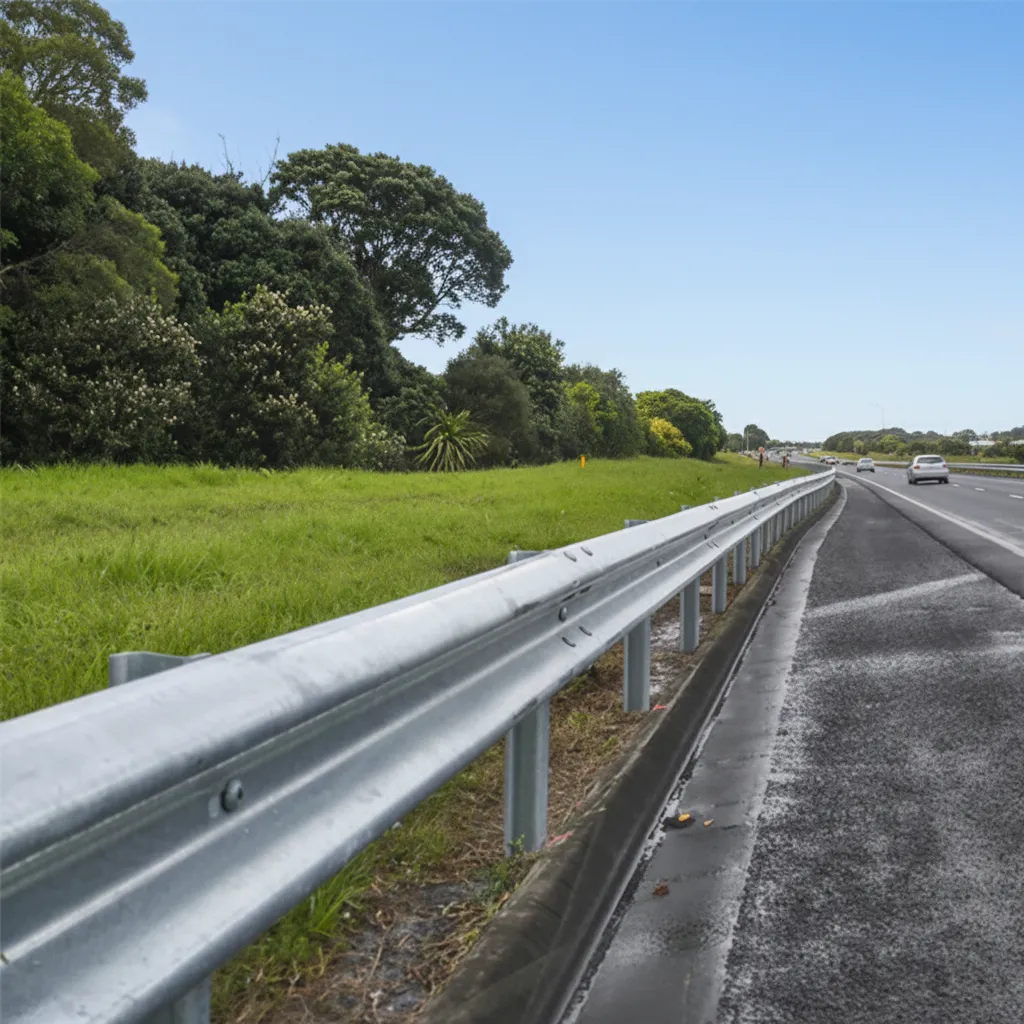
High-Speed Expressway Outer Edge & Embankment Protection
Continuous AASHTO M180 Class A W-beam barriers installed along multi-lane highway shoulders prevent errant passenger cars and light commercial vehicles from running off steep embankments.
Interstate Highway Dual-Sided Median Crash Barriers
Back-to-back double-sided W-beam guardrails installed along interstate divided medians absorb bidirectional impact energy to prevent catastrophic cross-over head-on collisions.
Mountain Highway Sharp Curves & Ravine Drop-off Barriers
Heavy-duty Class B W-beam guardrail runs follow mountainous topography to safely redirect vehicles negotiating tight-radius descending curves and hazardous cliff passes.
Urban Arterial Roadways, Overpasses & Culvert Approaches
Semi-rigid W-beam safety barriers shield roadside culverts, drainage channels, and elevated flyover approach ramps, smoothly guiding urban traffic around rigid civil structures.
Industrial Logistics Hubs & Commercial Depot Perimeter Traffic Lanes
Heavy-gauge galvanized W-beam guardrails delineate internal freight corridors and perimeter fences, safeguarding warehouse structures and loading docks from commercial delivery trucks.
Technical Overview
| Parameter | Information |
|---|---|
| Standard Specification | AASHTO M180 Class A / Class B; EN 1317 Part 1 & 2; JT/T 281 |
| Profile Height & Wave Depth | Cross-sectional height 312 mm; wave depth 83 mm; pitch 159 mm |
| Base Metal Thickness | 2.67 mm (Class A / 3.0 mm nom.) / 3.43 mm (Class B / 4.0 mm nom.) |
| Developed Strip Width | 482 mm (slit coil width for roll forming feed) |
| Standard Finished Length | 4320 mm (effective span 4000 mm) / 3810 mm (effective 3500 mm) |
| Tensile & Yield Strength | Yield strength ≥345 MPa; tensile strength ≥483 MPa (Q355B / Gr. 50) |
| Zinc Coating Weight | Type I: 550 g/m² (80 μm); Type II: 1100 g/m² (155 μm) hot-dip galvanizing |
| Punching Configuration | Standard 8-bolt splice pattern (28×19 mm slots) with post mounting slot |
| Roll Forming Line Speed | 15–25 m/min continuous automated production with hydraulic cutoff |
| Containment Rating | MASH TL-3 / TL-4; EN 1317 N2 / H1 certified roadside impact performance |
Related Solutions
Highway W-Beam Guardrail Roll Forming Line
Full line for W-beam guardrail (thrie-beam optional). In-line punching, galvaniz…
Bridge Railing and Pedestrian Guardrail System
Roll forming and fabrication solution for bridge and pedestrian railing posts an…
Guardrail and Fence Roll Forming Solution
Highway W-beam guardrail line with 2-wave / 3-wave swap modules. Example: 3.0 mm…
Heavy Coil Handling Solution
Coil infeed is a weight class plus a drive: manual expand, electric expand with…
Perimeter Fencing Production Solution
A fence search is a picket and rail family, not one mill. Square + profile palis…
Custom Profile Roll Forming for OEM
Flexible roll forming line for custom cross-sections. Suitable for OEMs who need…
Related Information

Guardrail Roll Forming Machine: W-Beam and Thrie-Beam Highway Barrier Production
W-beam vs thrie-beam guardrail profiles, AASHTO M180 specs, machine configuratio…
Read More
Highway Guardrail Standards: AASHTO M180 vs EN 1317 Roll Forming Specs
highway guardrail standards aashto m180 en 1317 roll forming specs
Read More
Guardrail W Beam Roll Forming Machine: Specs, Line Modules & Buying Guide
guardrail w beam roll forming machine, highway guardrail machine, W beam guardra…
Read More
Highway Guardrail Roll Forming Machine: Specifications & Price Explained
highway guardrail roll forming machine specifications", "guardrail machine price…
Read More
Pre-Punching vs Post-Punching in Roll Forming
Punch the holes before or after forming? The choice changes hole accuracy, tooli…
Read More
Roll Forming Tooling Design: Material, Coating & Lifespan
Roller material choices (Cr12MoV vs D2 vs SKD11), surface coatings, flower patte…
Read More
FAQ
What are the standard dimensions and geometry of an AASHTO M180 W-beam guardrail?
Standard AASHTO M180 W-beam panels measure 312 mm (12-1/4 inches) in cross-sectional height, 83 mm (3-1/4 inches) in corrugation depth, and 4320 mm in total length to achieve a 4000 mm effective post-to-post span. Wave pitch measures 159 mm per wave with standard 8-hole splice slots at each panel end.
What is the difference between AASHTO M180 Class A and Class B W-beam guardrails?
Class A specifies a nominal base metal thickness of 2.67 mm (nominal 3.0 mm galvanized), typically deployed for standard highway shoulders and rural roads. Class B specifies a heavy-duty 3.43 mm thickness (nominal 4.0 mm galvanized), mandated for high-speed expressways, sharp curves, and heavy truck freight corridors.
What zinc coating weights are required for AASHTO M180 Type I and Type II galvanizing?
Type I requires a minimum average zinc coating of 550 g/m² (80 μm thickness) on both sides for normal inland environmental conditions. Type II mandates a heavier 1100 g/m² (155 μm) zinc coating for harsh maritime coastal regions, industrial zones, or environments with heavy deicing chemical exposure.
What mechanical steel grades are required for W-beam crash barrier manufacturing?
W-beam raw material requires high-strength structural carbon steel strip with a minimum yield strength of 345 MPa (50,000 psi) and minimum tensile strength of 483 MPa (70,000 psi), conforming to ASTM A1011 Grade 50, Q355B, or EN 10025 S355JR, with elongation ≥15% to absorb impact energy without brittle rupture.
How does a standard W-beam roll forming production line operate?
The production line operates via continuous automated stages: a 10–15 ton hydraulic decoiler feeds 482 mm slit coil into a 7-roller precision leveling unit; a high-tonnage hydraulic press pre-punches splice and post slots; 16–20 progressive roll forming stands shape the waves; and a hydraulic profile shear cuts panels to exact length at speeds of 15–25 m/min.
Can a W-beam roll forming line be upgraded or combined to produce Thrie-beam guardrails?
Yes, manufacturers frequently install dual-purpose combination lines. These utilize either quick-change modular cassette tooling (exchanging the roll forming pass assemblies on a shared machine base in under 45 minutes) or dual-level stacked forming stations with independent gear drives.
What crash test containment ratings do W-beam guardrail systems achieve?
W-beam systems mounted on standard steel posts with offset blocks typically achieve MASH (Manual for Assessing Safety Hardware) Test Level 3 (TL-3) and EN 1317 N2 / H1 containment levels, safely redirecting 2270 kg pickup trucks and passenger cars impacting at 100 km/h and 25-degree angles.