
- Tuo AI

- Live

- My Account
- Shopping Cart
- Inquiry Basket
- Contact Us
- Back to Top




Guardrail Posts
Guardrail posts provide the vital structural foundation and controlled lateral yield resistance for highway crash barrier systems, transmitting impact loads safely into roadway subgrades and structural foundations. Engineered from heavy-gauge structural steel conforming to AASHTO M180, ASTM A36, and EN 10025, guardrail posts are manufactured in standardized cross-sections including C-channels (C100×50), Sigma-100 profiles, hot-rolled IPE/H-beams (W6×8.5, W6×9), and circular tubes (Φ114 mm, Φ140 mm). Through precise soil embedment depth and engineered plastic bending failure modes, posts prevent pocketing while allowing corrugated W-beam and Thrie-beam panels to redirect vehicles smoothly. Explore certified dimensions, hot-dip galvanizing standards, and civil engineering specifications below.
Filters
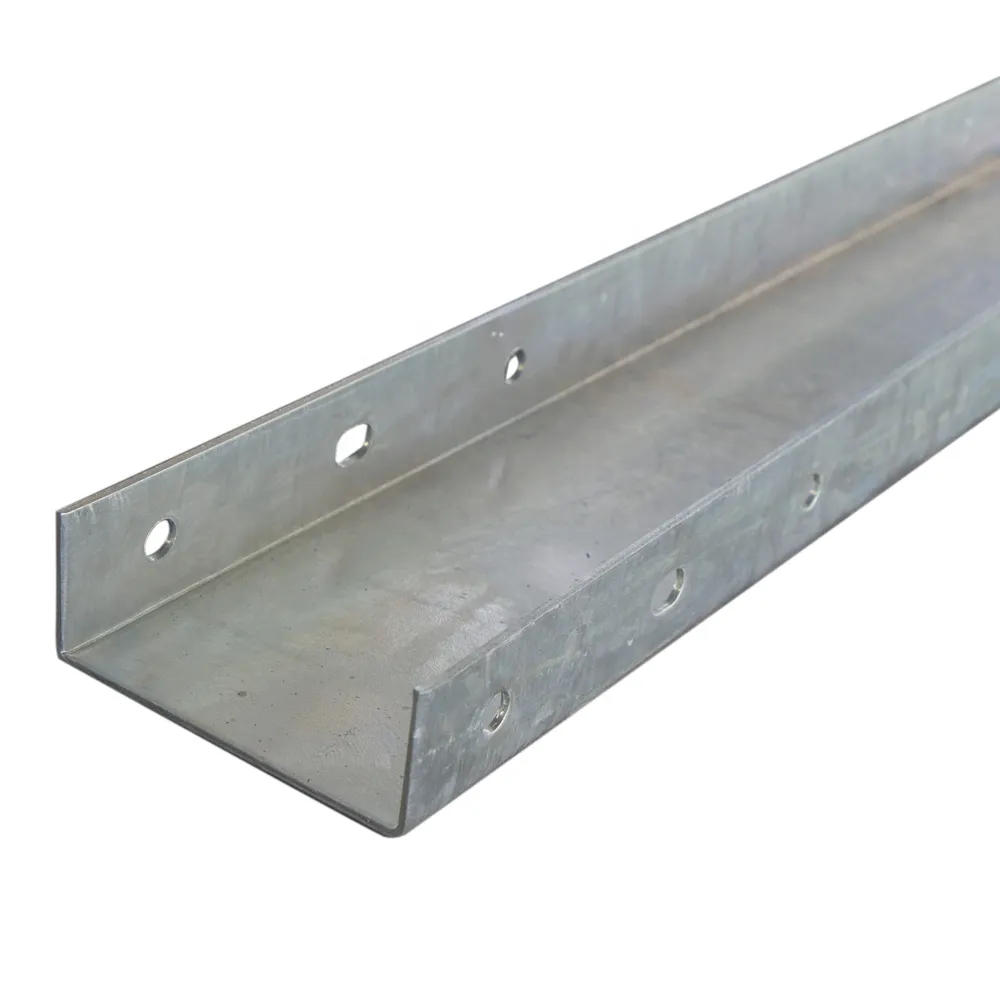
 EN 1317 C-Shaped Highway Guard Rail Crash Barrier Post Bollard Galvanized Steel Metal Material
- Tianjin, China+Engineer Grade+Dachu+C-shape Guardrail Post+Steel q235,q355,custom
$9.90
MOQ: 1
 AASHTO M180 Custom Length Steel Metal C Post Traffic Safety Guardrail for Outdoor Roadways Highway Guardrail Barrier
- Tianjin, China+Engineer Grade+Dachu+Guardrail C Post+Steel q235,q355,custom
$14.00
MOQ: 1
 Supplier GuardrailEN 1317 Steel Galvanized C Post Guardrail Post for Highway Roadway Use
- Tianjin, China+Engineer Grade+Dachu+Guardrail Post C-shape+q235,q355,custom
$13.00
MOQ: 1
 EN 1317 Steel Galvanized C Post Guard Rail Traffic Barrier System
- Tianjin, China+Engineer Grade+Dachu+Steel C Post for Guardrail+steel q235,q355,custom
$9.90
MOQ: 1
 Highway Traffic Guardrail Hot Dipped Galvanized Steel C Shape Post for Safety
- Hubei, China+DACHU+C Post+Can be customized+Silver
$19.00
MOQ: 10
 Hot Dipped Galvanized Manufacturer AASHTO M180 C-Post Traffic Barrier for Highway Guardrail
- 150*110*19*4.3mm or customized
$22.00
MOQ: 100
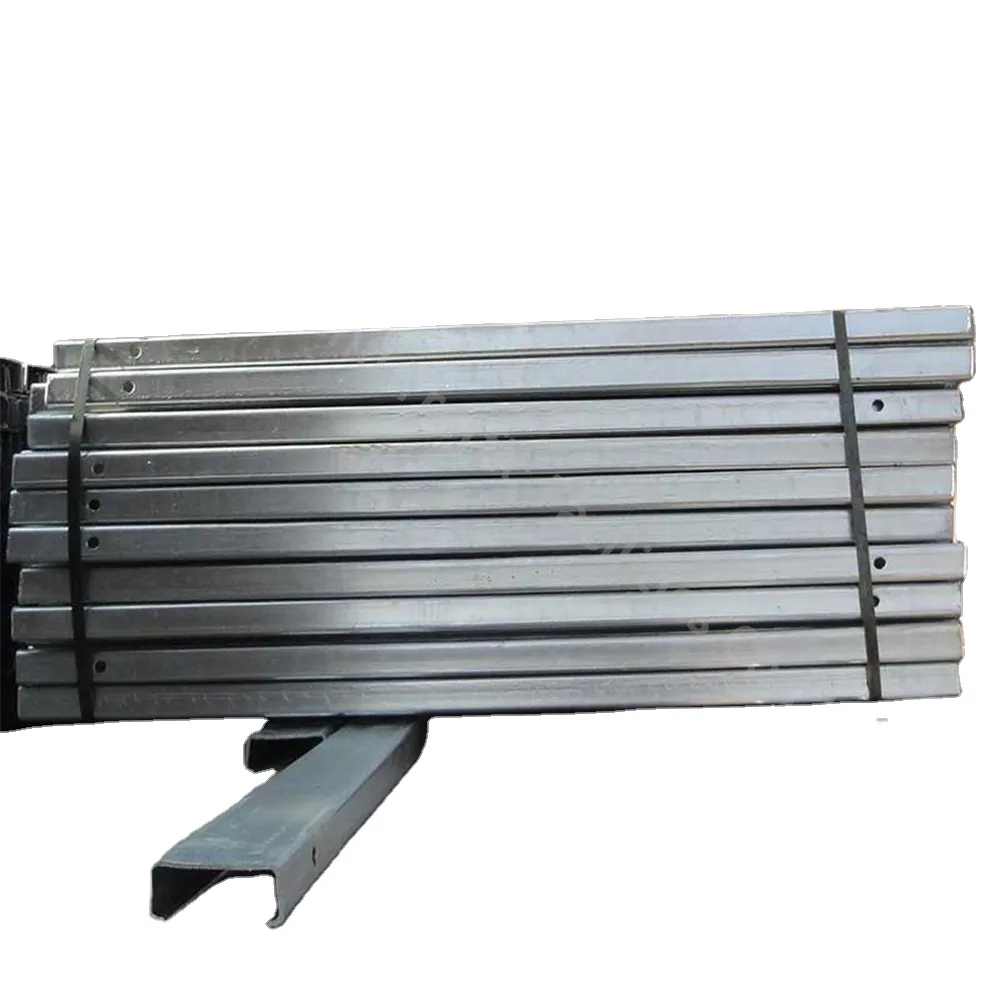 EN 1317 C Post Traffic Barrier Guardrail Connecting Post
- Tianjin, China+Engineer Grade+Dachu+Guardrail C Post+steel q235,q355,custom
$13.00
MOQ: 1
 Hot-Dip Galvanized Steel Square Post Crash Barrier Highway Guardrail
- Tianjin, China+Engineer Grade+Dachu+Steel Square Post+Steel q235,q355,custom
$20.00
MOQ: 1
 Steel Square Post for Tri Beam Highway Guardrail
- 130*130*6.0*1.2mm
$9.10
MOQ: 500
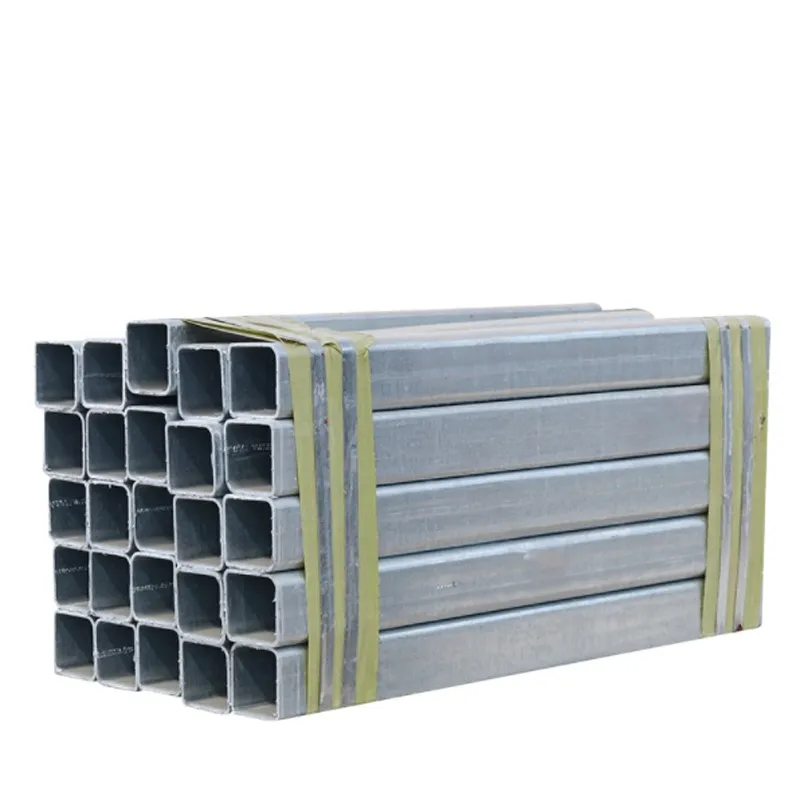 Highway Guardrail Steel Square Post Hot Dipped Galvanized
- WHDC-WB0815-10
$7.00
MOQ: 500
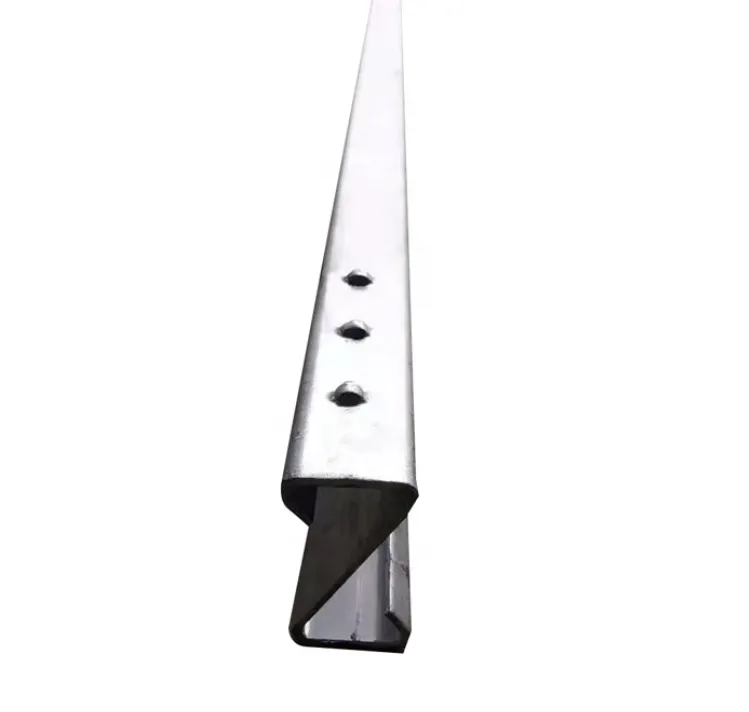 Highway City Road Safety Barrier EN Standard Hot Dipped Galvanized Steel Z Post Crash Barrier for Roadway Application
- Tianjin, China+Engineer Grade+Dachu+Guardrail Z Post+steel q235,q355,custom
$14.00
MOQ: 1
 EN 1317 Guardrail H & I Post Traffic Barrier Anti-Corrosion Steel H/I Post Durable Metal Barrier
- Hubei, China+Engineer Grade+Dachu+Guardrail H/I Post+Steel q235,q355,custom
$15.00
MOQ: 1
 Top-Ranked AASHTO M180 Durable Steel U-Post Traffic Barrier Security Equipment for Roadway Use
- Tianjin, China+Engineer Grade+Dachu+Guardrail U Post+steel q235,q355,custom
$12.00
MOQ: 1
 Steel Guardrail U Post AASHTO M-180 for Road Safety
- 150*75*5mm*1820
$7.00
MOQ: 500
 AASHTO M-180 Guardrail U Post
- 178*76*6*6*1830
$7.00
MOQ: 500
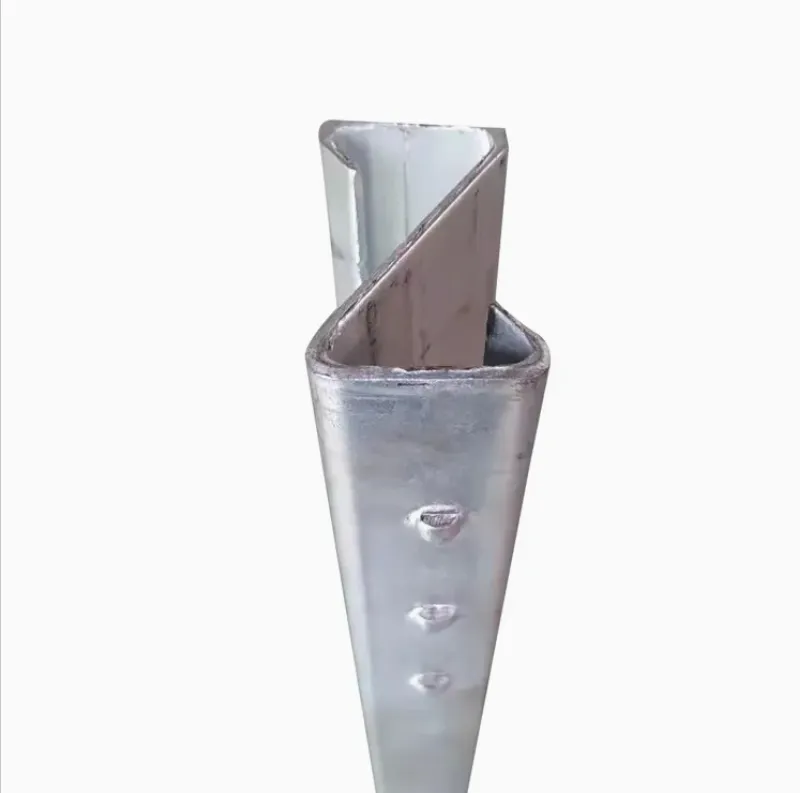
 Supplier Hot-Dip Galvanized Steel Sigma Post Highway Guardrail Roadway Safety Barrier
- Tianjin, China+Engineer Grade+Dachu+Highway Guardrail Sigma Post+Steel Q235, Q355, A36, custom
$12.00
MOQ: 1

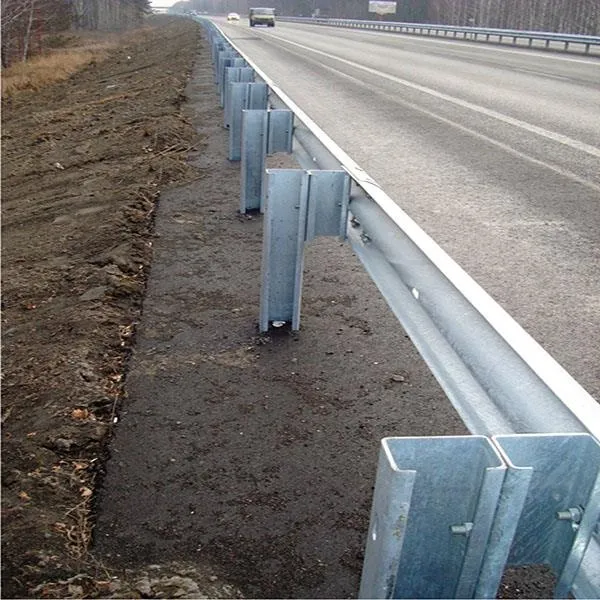






About Guardrail Posts
In highway crash barrier engineering, the guardrail post is the primary energy-dissipating component responsible for establishing barrier stiffness and managing system deflection during dynamic vehicle collisions. Rather than acting as an unyielding rigid barrier, an engineered highway post is designed to deform plastically through soil displacement and controlled section yielding. This calibrated bending behavior absorbs significant kinetic impact energy, controls peak deceleration forces on vehicle occupants, and prevents the corrugated beam from dropping to a height where vehicles could vault over the barrier.
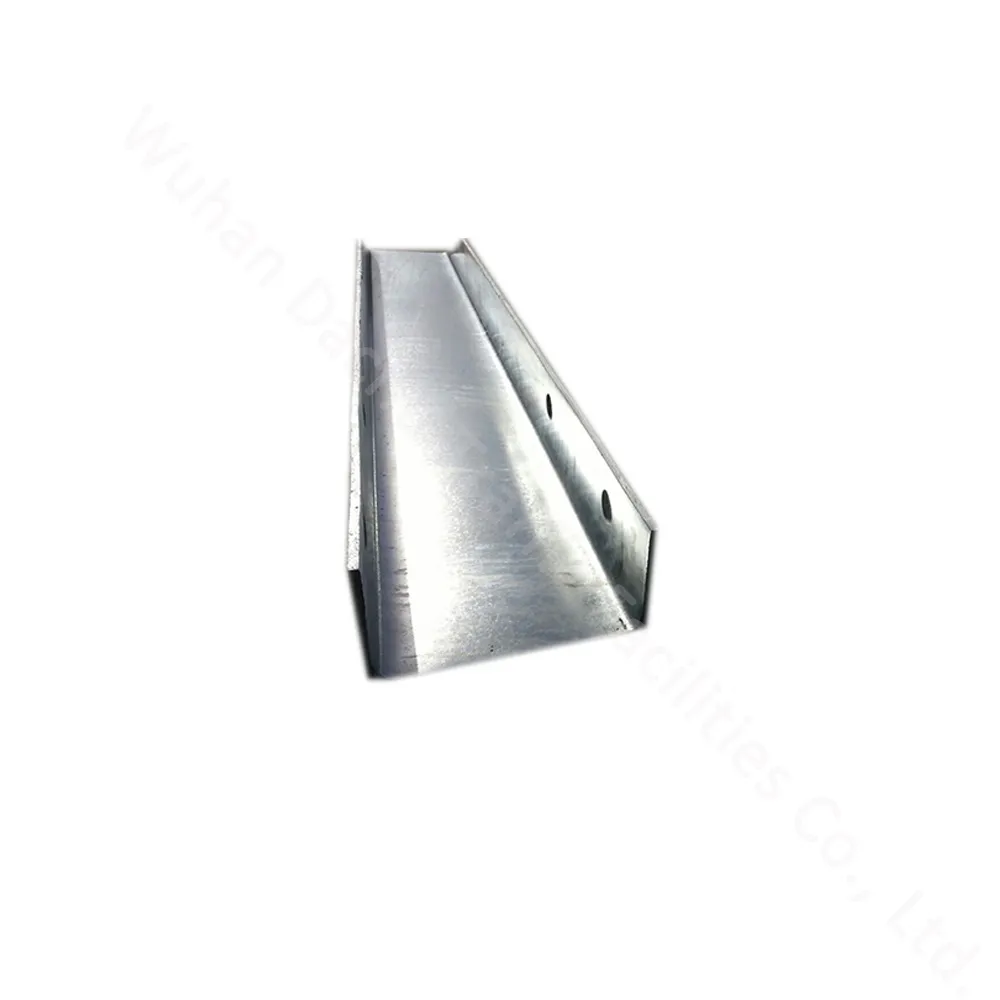
Guardrail posts are produced across multiple standardized structural cross-sections to match local highway administration specifications and geotechnical soil conditions. The C-post (commonly C100×50 mm or C120×55 mm with 4.0–4.5 mm thickness) and European Sigma-100 post feature cold-roll-formed profiles with pre-punched fastener slots that facilitate high-speed automated installation. For North American interstate networks, hot-rolled wide-flange I-beams (such as W6×8.5 and W6×9 sections) provide exceptional bending resistance along weak-post and strong-post systems. Round tubular posts (Φ114 mm or Φ140 mm with 4.5 mm wall thickness) are widely utilized across Asian and European national highway systems for balanced multidirectional impact resistance.
Corrosion protection is critical for posts partially embedded in damp, acidic highway soils. All posts undergo heavy hot-dip galvanizing conforming to ASTM A123 / ISO 1461, achieving coating weights between 550 g/m² and 1100 g/m² (78–155 μm zinc thickness) to guarantee a 30 to 50-year service life. For civil structures such as concrete bridge decks, culverts, and retaining walls where soil driving is impossible, posts are fabricated with reinforced structural steel base plates (commonly 300×300×16 mm) and pre-drilled anchor bolt patterns.
Compliant with MASH TL-3/TL-4 and EN 1317 performance criteria, these posts integrate seamlessly with standard offset spacer blocks, splice hardware, and longitudinal beams.
Applications
Highway Soil Embankment Direct-Driven C & Sigma Posts
Hydraulically driven hot-dip galvanized C-posts and Sigma profiles embedded 1.2 meters deep into highway earthen shoulders deliver resilient soil displacement for W-beam crash barriers.
Concrete Bridge Decks & Parapet Base-Plated Anchor Posts
Heavy-duty structural posts equipped with 16 mm welded steel base plates and multi-bolt anchor patterns rigidly secure guardrails onto concrete bridge decks and elevated overpasses.
Dual-Sided Expressway Median Barrier Heavy-Duty Posts
Reinforced structural H-beam and round steel posts equipped with dual spacer blocks support back-to-back corrugated beams, resisting high-energy bidirectional impacts along expressway center medians.
Mountainous Rocky Terrain Pre-Drilled Socket Posts
In rocky mountainous highway corridors where mechanical pile driving is obstructed, galvanized steel posts are grouted into core-drilled bedrock sockets to achieve reliable lateral containment.
Industrial Plant Logistics Perimeter & Machinery Protection Posts
Surface-mounted safety barrier posts with high-visibility safety coatings protect building structural columns, outdoor electrical substations, and warehouse pedestrian walkways from heavy forklift collisions.
Technical Overview
| Parameter | Information |
|---|---|
| Standard Specifications | AASHTO M180 / M111; ASTM A36 / A123; EN 1317-2; EN 10025; ISO 1461 |
| Profile Configurations | C-Post (C100×50), Sigma-100, H-Beam (W6×8.5, W6×9), Tube (Φ114, Φ140) |
| Wall Thickness | 4.0 mm, 4.5 mm, 5.0 mm, 6.0 mm (structural steel gauge) |
| Standard Post Length | 1500 mm, 1800 mm, 1950 mm, 2100 mm (soil driven); 750–950 mm (base plated) |
| Embedment Depth | 1100 mm to 1250 mm in compacted roadside soil subgrade |
| Material Steel Grades | Q235B, Q355B, ASTM A36, ASTM A572 Gr. 50, EN 10025 S275JR / S355JR |
| Surface Treatment | Hot-dip galvanized (AASHTO M111 / ASTM A123: 550–1100 g/m²; 78–155 μm) |
| Pre-Punched Slots | Universal oval slots (24×32 mm or 18×25 mm) for spacer and beam mounting |
| Mounting Options | Direct hydraulic soil pile-driven; pre-drilled rock socket; flanged base plate |
| Yield & Tensile Strength | Yield strength ≥250–345 MPa; tensile strength ≥400–510 MPa; elongation ≥21% |
Related Solutions
Highway W-Beam Guardrail Roll Forming Line
Full line for W-beam guardrail (thrie-beam optional). In-line punching, galvaniz…
Guardrail and Fence Roll Forming Solution
Highway W-beam guardrail line with 2-wave / 3-wave swap modules. Example: 3.0 mm…
Bridge Railing and Pedestrian Guardrail System
Roll forming and fabrication solution for bridge and pedestrian railing posts an…
Perimeter Fencing Production Solution
A fence search is a picket and rail family, not one mill. Square + profile palis…
Custom Profile Roll Forming for OEM
Flexible roll forming line for custom cross-sections. Suitable for OEMs who need…
Heavy Coil Handling Solution
Coil infeed is a weight class plus a drive: manual expand, electric expand with…
Related Information

Guardrail Roll Forming Machine: W-Beam and Thrie-Beam Highway Barrier Production
W-beam vs thrie-beam guardrail profiles, AASHTO M180 specs, machine configuratio…
Read More
Highway Guardrail Standards: AASHTO M180 vs EN 1317 Roll Forming Specs
highway guardrail standards aashto m180 en 1317 roll forming specs
Read More
Guardrail W Beam Roll Forming Machine: Specs, Line Modules & Buying Guide
guardrail w beam roll forming machine, highway guardrail machine, W beam guardra…
Read More
Highway Guardrail Roll Forming Machine: Specifications & Price Explained
highway guardrail roll forming machine specifications", "guardrail machine price…
Read More
Pre-Punching vs Post-Punching in Roll Forming
Punch the holes before or after forming? The choice changes hole accuracy, tooli…
Read More
Roll Forming Tooling Design: Material, Coating & Lifespan
Roller material choices (Cr12MoV vs D2 vs SKD11), surface coatings, flower patte…
Read More
FAQ
What are the common structural cross-sections used for highway guardrail posts?
The most common profiles include cold-roll-formed C-posts (C100×50×4.0/4.5 mm), Sigma-100 posts, hot-rolled H-beam posts (AASHTO W6×8.5 or W6×9), U-channel posts, and circular hollow steel tubes (Φ114 mm and Φ140 mm with 4.0–4.5 mm wall thickness).
What is the standard length and soil embedment depth for highway guardrail posts?
For standard W-beam systems with a 750–820 mm top-of-rail height, overall post lengths range from 1500 mm to 1950 mm. The recommended soil embedment depth is 1100 mm to 1250 mm to achieve required dynamic geotechnical soil resistance without premature pull-out.
How are guardrail posts installed on concrete bridge decks and culverts where soil driving is impossible?
On rigid civil structures, base-plated posts are utilized. A heavy structural steel flange plate (typically 250×250 mm to 300×300 mm with 16–20 mm thickness) is continuously welded to the post bottom and anchored into the concrete deck via 4 to 6 chemical or mechanical anchor bolts.
What galvanizing standards and coating thicknesses protect guardrail posts against underground soil corrosion?
Guardrail posts are hot-dip galvanized after punching and fabrication according to ASTM A123, AASHTO M111, or ISO 1461. Zinc coating weights range from 550 g/m² (80 μm) to 1100 g/m² (155 μm), delivering robust sacrificial galvanic protection against acidic soil moisture.
Why are offset blocks (spacers) installed between the guardrail post and the corrugated beam?
Offset blocks (made of galvanized steel, recycled polyethylene, or treated timber) space the beam 150–200 mm away from the post face. This critical spacing prevents vehicle wheels from impacting and snagging on the upright posts during an impact, ensuring smooth vehicle redirection.
What steel grades are specified for high-containment guardrail posts?
Posts are fabricated from structural carbon steels with high yield strength and ductility, including ASTM A36 (yield strength ≥250 MPa), ASTM A572 Grade 50 (yield ≥345 MPa), Q235B, Q355B, and EN 10025 S275JR / S355JR, ensuring controlled yielding without brittle fracture.
What post spacing is required along straight highway sections versus sharp curves?
Standard post spacing along straight expressway sections is 4000 mm or 2000 mm (measuring center-to-center). For hazardous sharp curves, bridge approach transitions, or high-containment zones, post spacing is reduced to 1333 mm or 1000 mm to increase system lateral stiffness.