
- Tuo AI

- Live

- My Account
- Shopping Cart
- Inquiry Basket
- Contact Us
- Back to Top




Terminal Ends
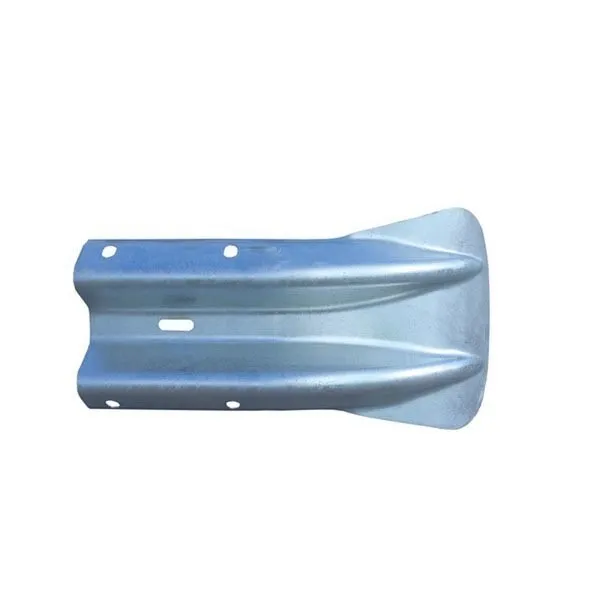
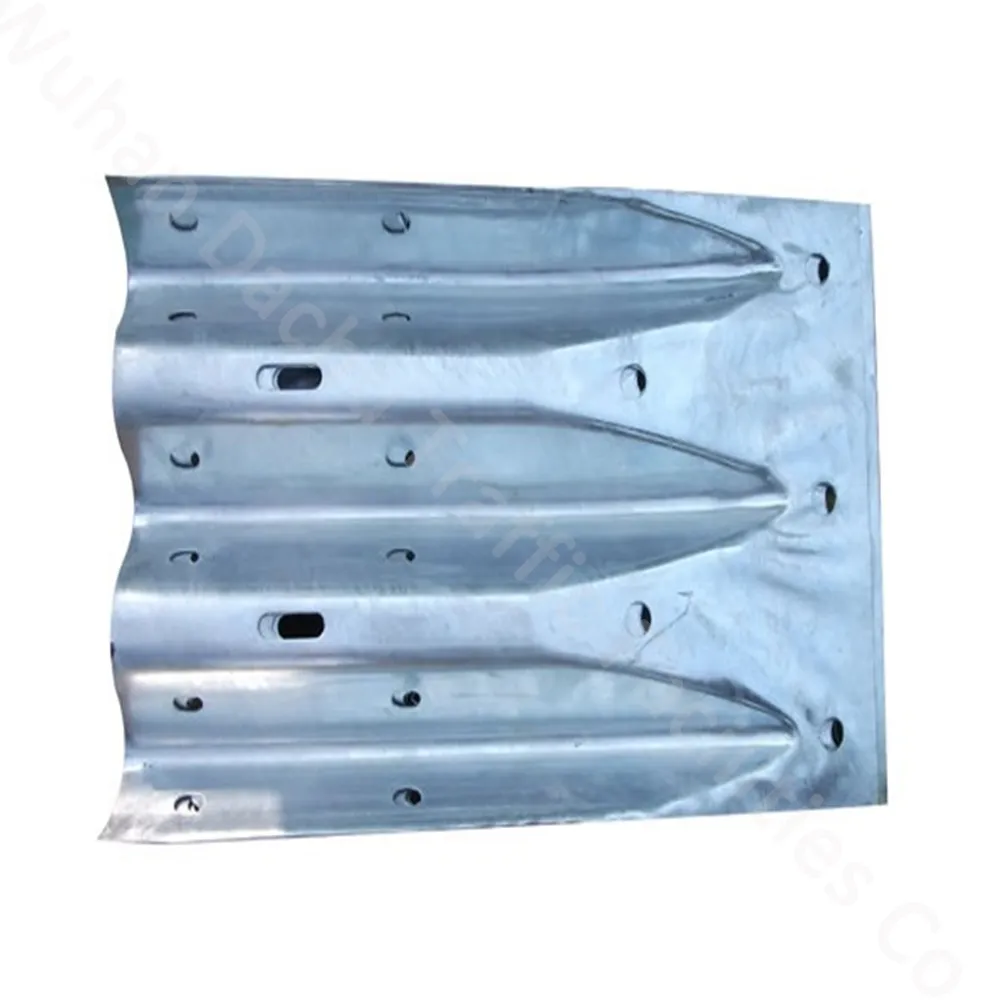
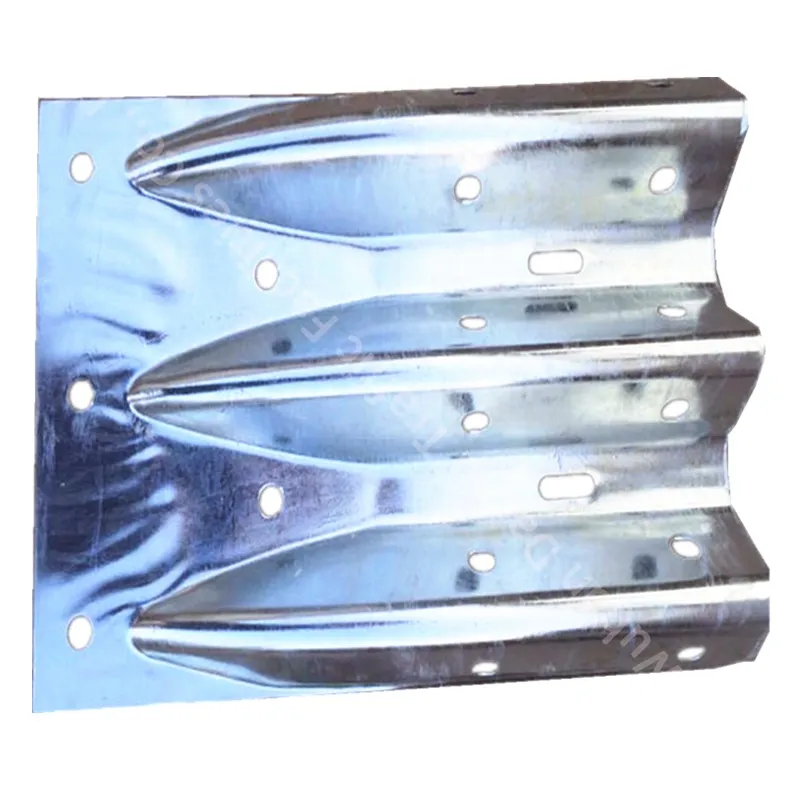
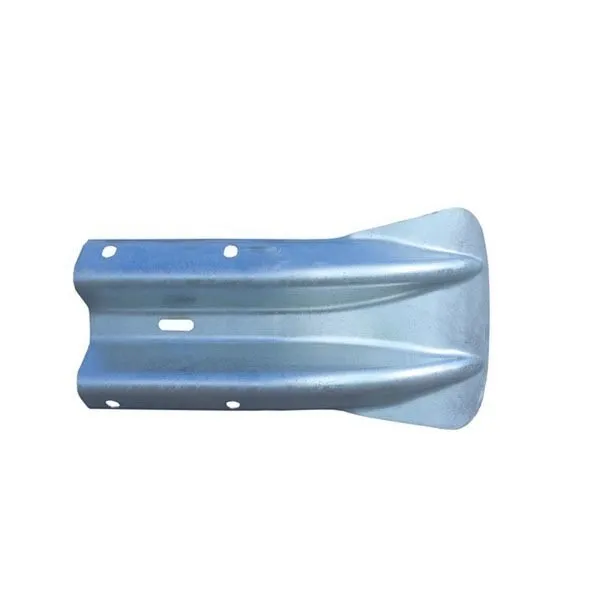
Guardrail terminal ends are specialized road safety assemblies mounted at the upstream and downstream extremities of longitudinal barrier runs, specifically engineered to eliminate dangerous vehicle spearing hazards and dissipate impact energy during head-on vehicular collisions. Manufactured from high-ductility structural carbon steel (ASTM A36, Q235B) with heavy hot-dip galvanizing conforming to AASHTO M180 and ASTM A123, terminal ends range from traditional curved fishtail wings and flared buffer sections for low-speed secondary roadways to sophisticated AASHTO MASH TL-2 / TL-3 energy-absorbing extruder crash terminals for high-speed expressways. By extruding, flattening, or redirecting steel corrugated beams upon end-on impact, terminals save lives. Review certified terminal profiles, installation configurations, and safety ratings below.
Filters
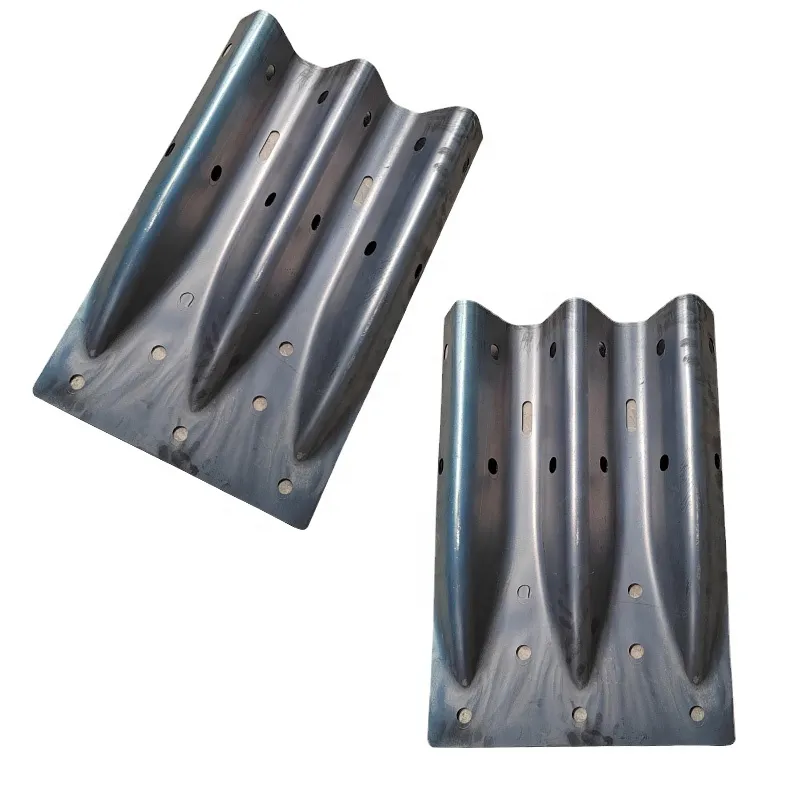 W Beam Thrie Beam Steel Highway Guard Rail Crash Barrier Fishtail End Bridge Terminal
- Tianjin, China+Engineer Grade+Dachu+Guardrail Terminal End+Steel q235, q355, custom
$22.00
MOQ: 1
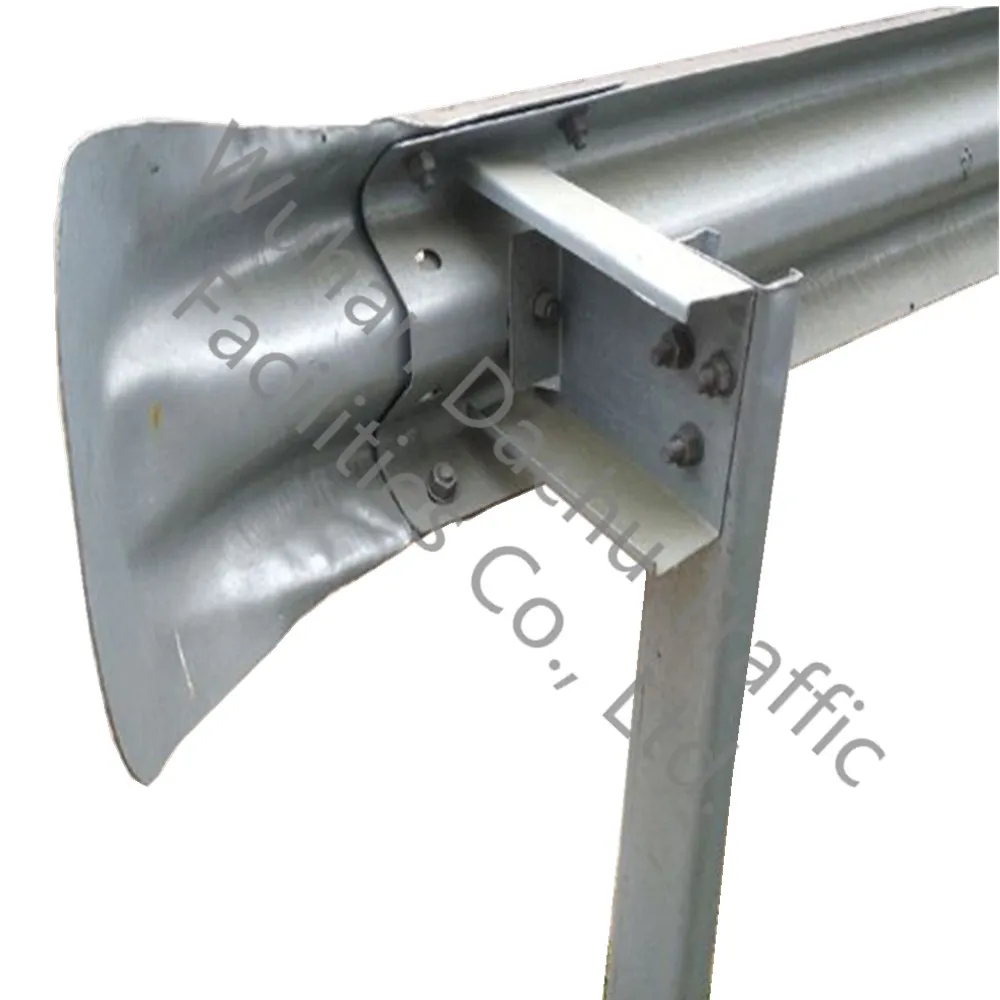 AASHTO M-180 Customized Fishtail Terminal End for W Beam Guardrail
- 700*310*82*2.7mm
$23.40
MOQ: 2
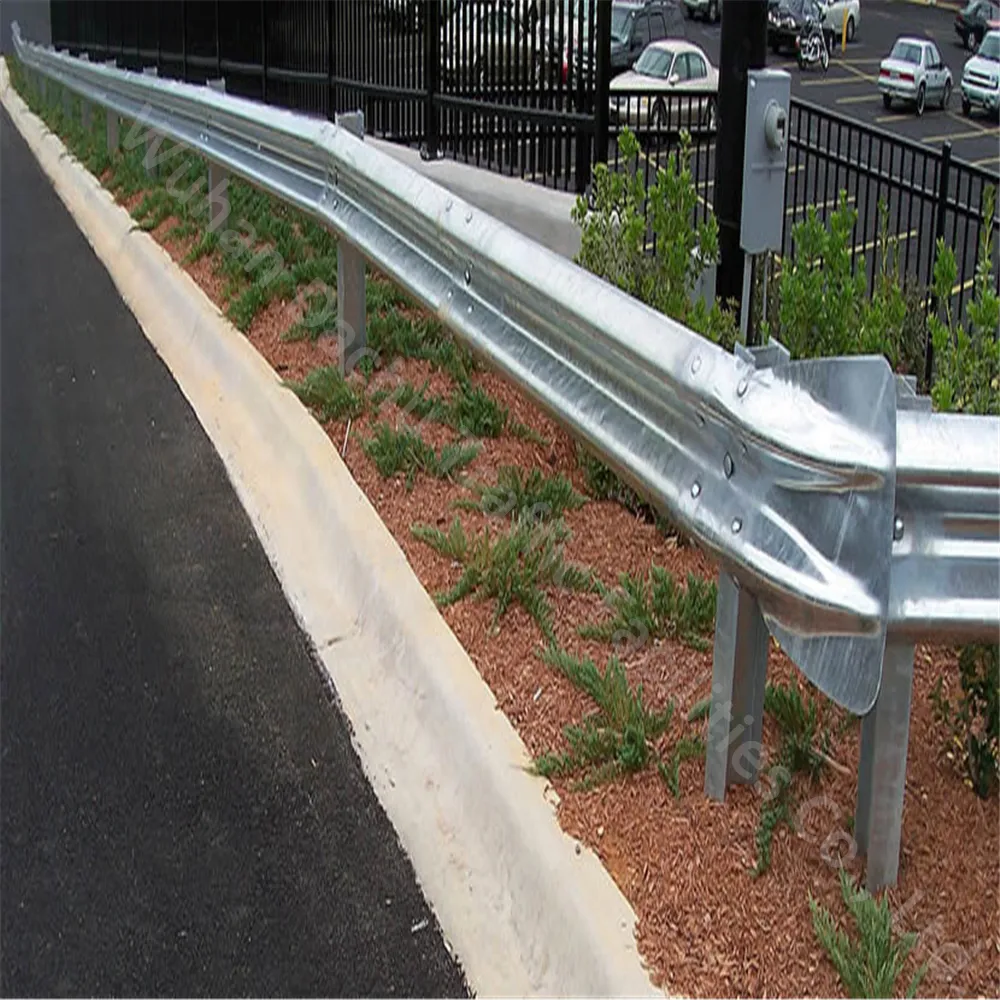 Dachu Highway W Beam Guardrail Fish Tail Crash Barrier End Cap Anti-Corrosion Stainless Steel S Type Hot Dipped Traffic Barriers
- Hubei, China+700*310*2.5mm+None+Dachu+Q235 Q345
$5.55
MOQ: 50
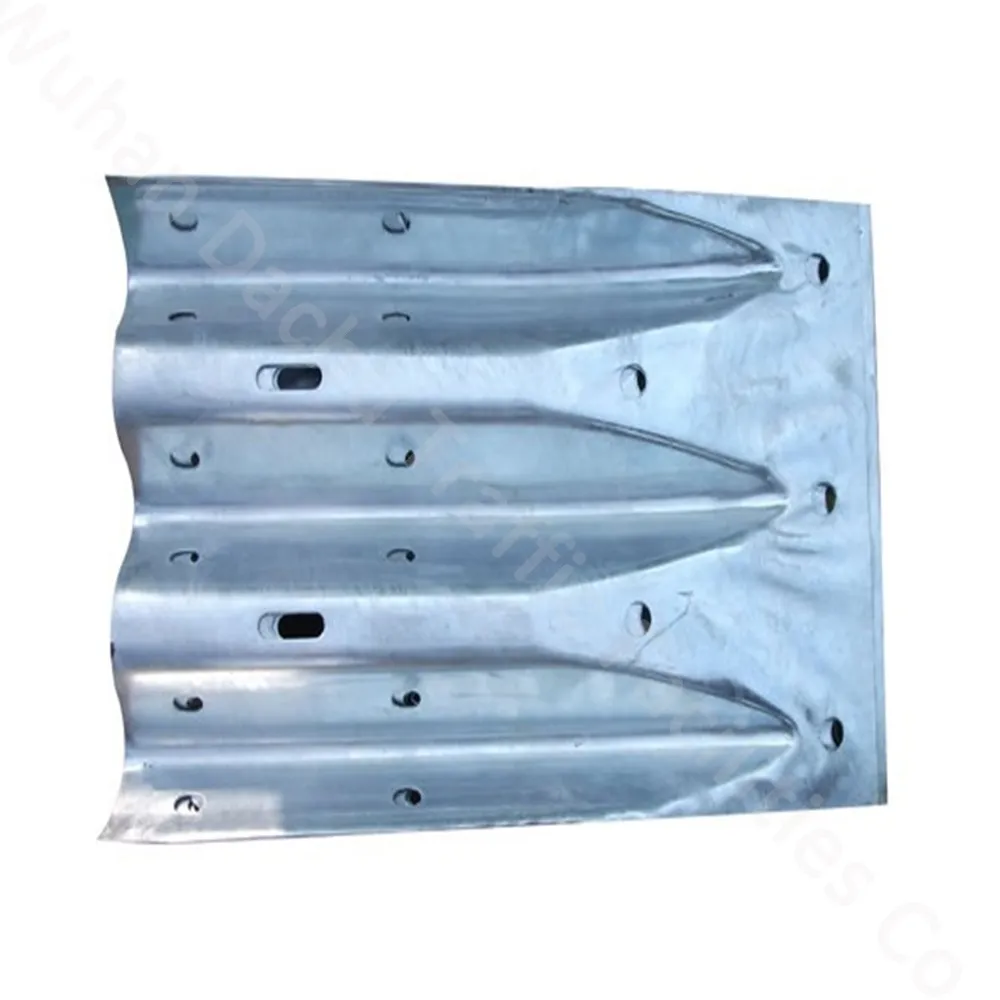 EN 1317 Steel Terminal End Anti-Corrosion Guardrail Barrier System Plastic Crash Safety Barrier for Bridge Traffic Use
- Hubei, China+Dachu+Bridge Terminal End+Steel+Silver, customized
$25.30
MOQ: 5
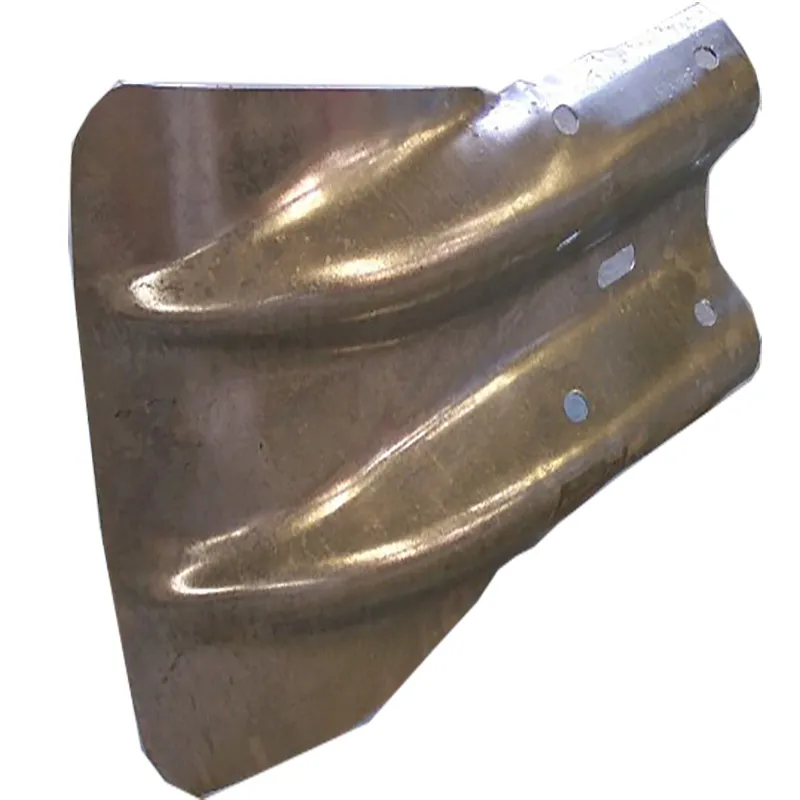 Roadway Safety Crash Barrier Terminals
- WHDC-GT03
$28.00
MOQ: 5
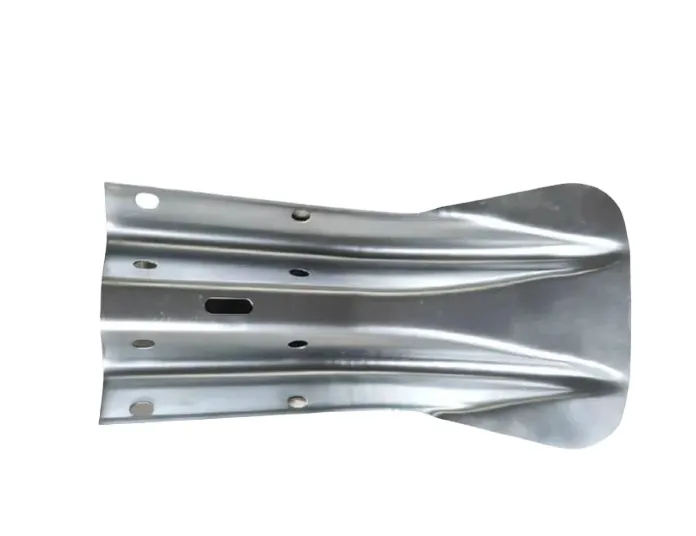 Steel Terminal End for W Beam Guardrail 2.5/2.75/3mm for Vietnam
- Can be customized
$22.00
MOQ: 20


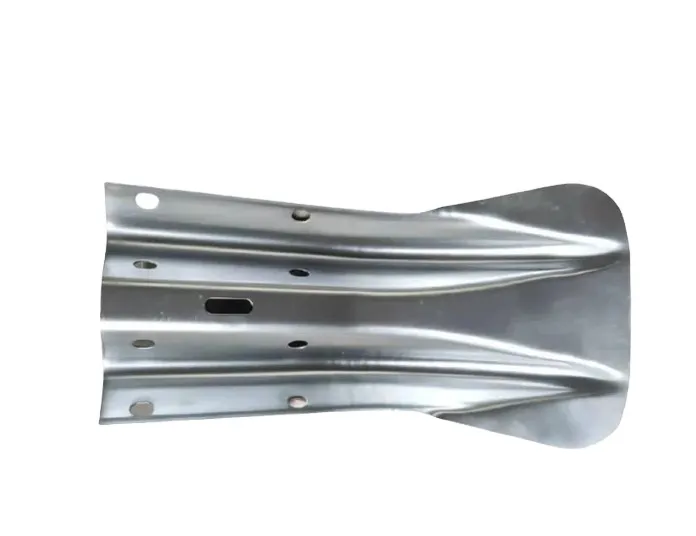


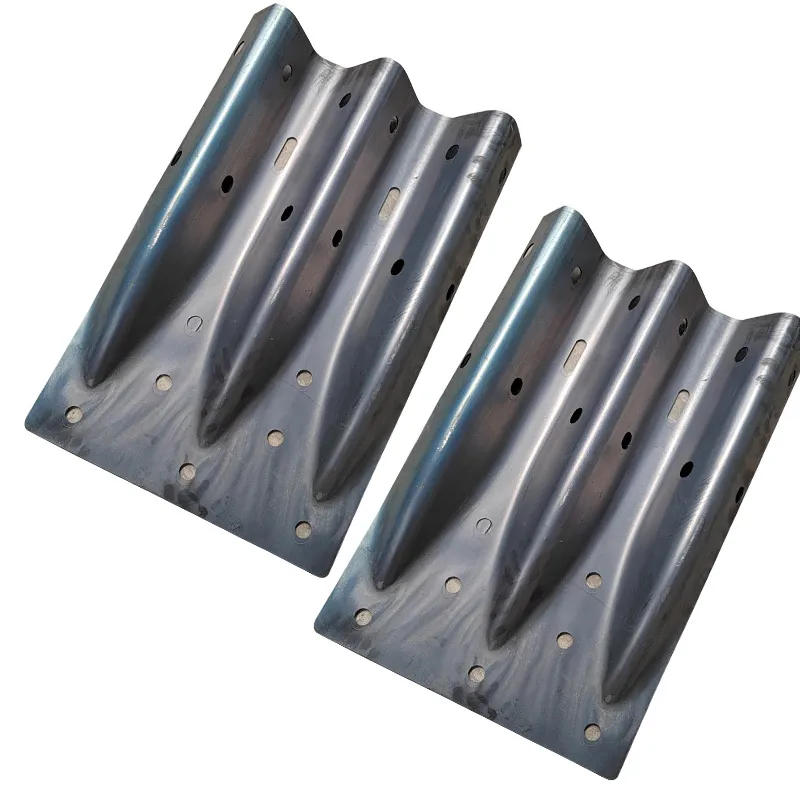




About Terminal Ends
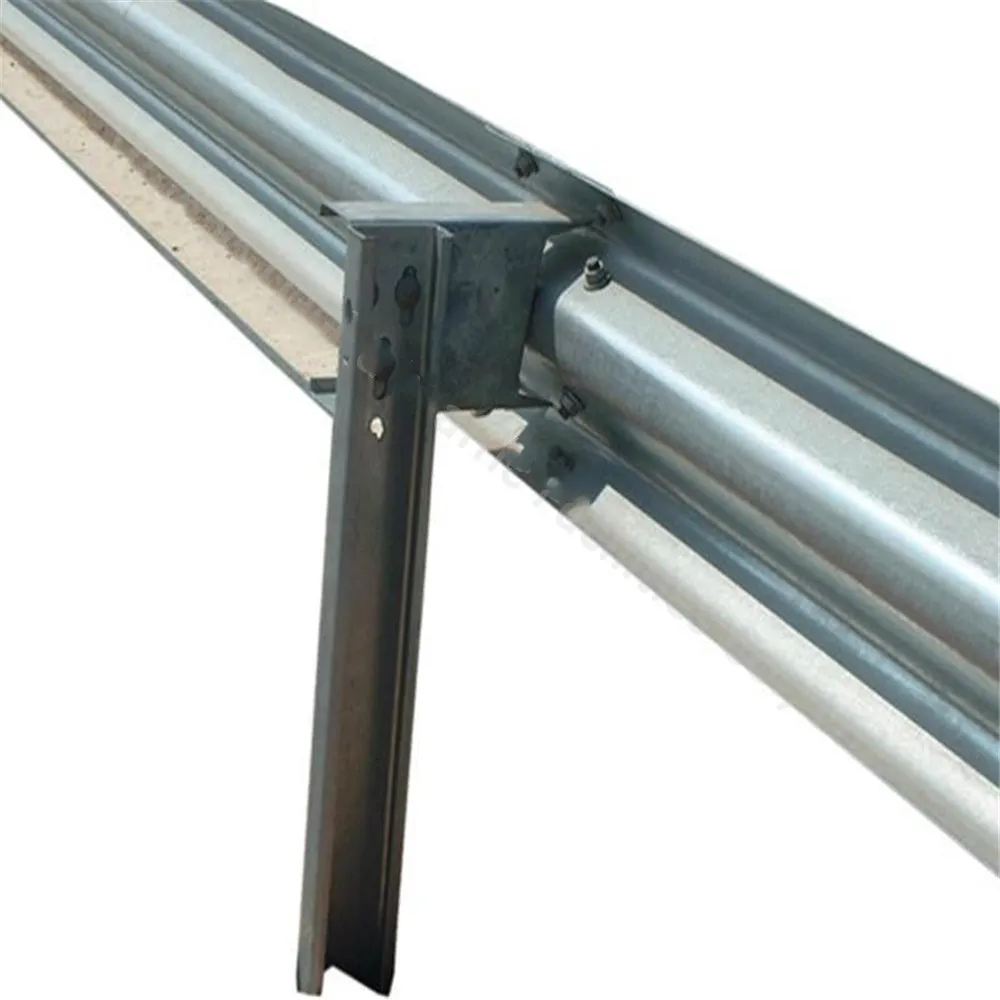
An untreated, exposed guardrail end presents an extreme roadside hazard capable of penetrating vehicle passenger compartments like a spear during head-on collisions. Guardrail terminal ends—also known as crash cushions, flared lead-ins, or buffer end treatments—are mandatory safety assemblies engineered to resolve this risk. Depending on roadway design speeds and crash-testing standards (such as AASHTO MASH or European EN 1317-4), terminal ends either smoothly redirect errant vehicles impacting at an angle or absorb kinetic energy during direct head-on impacts through controlled plastic deformation.
Terminal end systems are classified into non-gating and gating, energy-absorbing, and non-energy-absorbing configurations. For secondary roadways, industrial facilities, and parking perimeters operating at speeds under 60 km/h, traditional curved fishtail (winged) buffer ends provide a rounded 720 mm wide non-penetrating profile that caps the sharp corrugated beam edges. For high-speed expressways and tollways, modern tangent energy-absorbing terminals (such as ET-Plus, SKT, and MSKT type assemblies) feature an impact head housing internal shearing knives or extruding dies. When struck head-on by an errant vehicle, the impact head travels along the rail, progressively flattening and curling the W-beam panel outward while controlled break-away posts yield, gently decelerating the vehicle to a controlled stop.
In wide expressway medians and bifurcated exit ramps, bullnose terminals form an expansive semicircular wrap-around barrier that shields rigid fixed obstacles such as bridge piers, overhead gantry sign columns, and toll island foundations. Along mountainous cuts, buried-in-backslope terminals anchor the guardrail directly into rising rocky embankments to eliminate exposed end sections altogether.
Every terminal component undergoes post-fabrication hot-dip galvanizing conforming to ASTM A123 / ISO 1461 (550–1100 g/m² zinc coating), ensuring maximum corrosion resistance and durability across all climate zones.
Applications
High-Speed Expressway Tangent Energy-Absorbing Crash Terminals
AASHTO MASH TL-3 certified extruder crash cushion terminal heads mounted on expressway barrier approaches dissipate head-on vehicular collision forces by curling steel corrugated beams.
Rural Highway Curved Flared-Out Terminal Treatments
Curved flared-out terminal ends smoothly sweep guardrails away from oncoming traffic lanes, eliminating blunt spearing hazards along undivided rural highways.
Low-Speed Secondary Roads & Parking Perimeter Fishtail Ends
Hot-dip galvanized winged fishtail buffer ends cap corrugated W-beams along secondary industrial access roads and commercial parking structures, providing smooth non-penetrating perimeter terminations.
Wide Median Bullnose Wrap-Around Cushion Terminals
Expansive semicircular bullnose barrier assemblies wrap around fixed bridge piers and highway overhead sign gantries, offering 360-degree impact cushioning in divided expressway medians.
Mountain Highway Backslope-Anchored Terminal Endings
Guardrail sections seamlessly transition and anchor directly into rocky mountain cut banks via buried concrete foundations, completely eliminating exposed upstream ends along steep cliff passes.
Technical Overview
| Parameter | Information |
|---|---|
| Governing Standards | AASHTO M180 / MASH TL-2 & TL-3; EN 1317-4; NCHRP Report 350 |
| Terminal Types | Extruder energy-absorbing, curved flared, fishtail buffer, bullnose, buried |
| Base Metal Thickness | 2.67 mm (Class A) / 3.43 mm (Class B) / 4.0 mm heavy stamped plate |
| Fishtail Overall Width | 720 mm width × 312 mm height with standard 8-bolt splice pattern |
| Extruder Head Dimensions | Fabricated 6.0 mm structural steel chute with internal deflector plate |
| Steel Material Grades | Q235B, Q355B, ASTM A36, EN 10025 S235JR (high impact ductility) |
| Corrosion Protection | Hot-dip galvanized (ASTM A123 / ISO 1461: 550–1100 g/m²; 78–155 μm) |
| Breakaway Post Type | Hinged breakaway steel posts (HBA) or Controlled Releasing Terminal (CRT) |
| Impact Speed Rating | MASH TL-3 certified for 100 km/h (62 mph) passenger vehicle impacts |
| Fastener Specifications | High-strength ASTM A307 / A325 hot-dip galvanized splice bolts and nuts |
Related Solutions
Highway W-Beam Guardrail Roll Forming Line
Full line for W-beam guardrail (thrie-beam optional). In-line punching, galvaniz…
Guardrail and Fence Roll Forming Solution
Highway W-beam guardrail line with 2-wave / 3-wave swap modules. Example: 3.0 mm…
Bridge Railing and Pedestrian Guardrail System
Roll forming and fabrication solution for bridge and pedestrian railing posts an…
Perimeter Fencing Production Solution
A fence search is a picket and rail family, not one mill. Square + profile palis…
Custom Profile Roll Forming for OEM
Flexible roll forming line for custom cross-sections. Suitable for OEMs who need…
Heavy Coil Handling Solution
Coil infeed is a weight class plus a drive: manual expand, electric expand with…
Related Information

Guardrail Roll Forming Machine: W-Beam and Thrie-Beam Highway Barrier Production
W-beam vs thrie-beam guardrail profiles, AASHTO M180 specs, machine configuratio…
Read More
Highway Guardrail Standards: AASHTO M180 vs EN 1317 Roll Forming Specs
highway guardrail standards aashto m180 en 1317 roll forming specs
Read More
Guardrail W Beam Roll Forming Machine: Specs, Line Modules & Buying Guide
guardrail w beam roll forming machine, highway guardrail machine, W beam guardra…
Read More
Highway Guardrail Roll Forming Machine: Specifications & Price Explained
highway guardrail roll forming machine specifications", "guardrail machine price…
Read More
Pre-Punching vs Post-Punching in Roll Forming
Punch the holes before or after forming? The choice changes hole accuracy, tooli…
Read More
Roll Forming Tooling Design: Material, Coating & Lifespan
Roller material choices (Cr12MoV vs D2 vs SKD11), surface coatings, flower patte…
Read More
FAQ
What is the critical safety function of a guardrail terminal end?
The primary safety function is eliminating vehicle spearing hazards. An untreated blunt guardrail edge can penetrate the passenger cabin during a head-on collision. Terminal ends either crush/extrude the corrugated beam to absorb impact kinetic energy or flare away to redirect vehicles safely.
What is the difference between an energy-absorbing and a non-energy-absorbing terminal end?
An energy-absorbing terminal (such as an extruder head) dissipates vehicular kinetic energy by physically flattening or curling the steel rail along its length, bringing the vehicle to a controlled stop. A non-energy-absorbing terminal (such as a flared or fishtail end) merely prevents spearing and redirects or gates the vehicle into a clear run-out zone behind the rail.
Where are traditional fishtail (winged buffer) terminal ends permitted for installation?
Fishtail ends are restricted to low-speed secondary roadways (typically ≤50–60 km/h), parking lots, industrial logistics depots, and the downstream (trailing) ends of one-way divided highways where head-on impacts from oncoming traffic cannot occur.
What crash testing standards govern expressway guardrail terminal end systems?
In North America, terminals must be crash-tested and approved under AASHTO MASH (Manual for Assessing Safety Hardware) Test Level 2 (70 km/h) or Test Level 3 (100 km/h). In Europe and international markets, terminals are evaluated under EN 1317-4 classes P1 through P4.
What is a bullnose terminal and where is it engineered for deployment?
A bullnose terminal is a large curved wrap-around barrier assembly that connects dual lines of guardrails around a median hazard. It is deployed at expressway exit bifurcations, wide median bridge pier approaches, and overhead sign gantry footings to provide 360-degree impact cushioning.
What steel materials and manufacturing processes are used for terminal ends?
Terminal ends are manufactured from ductile structural carbon steel (ASTM A36, Q235B, or EN 10025 S235JR) using high-tonnage hydraulic stamping presses, press brakes, and robotic welding, followed by full-immersion hot-dip galvanizing to ASTM A123.
How are buried-in-backslope terminals constructed on mountainous roads?
On mountain cuts with steep rock faces or soil embankments, the guardrail line is transitioned upward and flared laterally into the slope face, where it is solidly anchored into an underground concrete deadman anchor, completely eliminating exposed rail ends.