
- Tuo AI

- Live

- My Account
- Shopping Cart
- Inquiry Basket
- Contact Us
- Back to Top




Roller Shutter Door Frame Roll Forming Machines
Roller shutter door frame roll forming machines produce structural side guide rails (U-channels and G-profiles), door jambs, bottom beams, and hood box casings for industrial, commercial, and fire-rated roll-up doors. Engineered to cold-form galvanized steel, pre-painted steel, and stainless steel strip (0.8 mm to 2.0 mm thickness), these precision lines feature integrated multi-station hydraulic pre-punching for wall mounting anchors and lock slots, 16 to 24 progressive roll stands with solid shafts, and servo-controlled hydraulic cut-off dies offering 90-degree square and 45-degree miter cuts. Review equipment technical parameters, profile cross-sections, and turnkey production line configurations below to equip your door manufacturing facility.
Filters
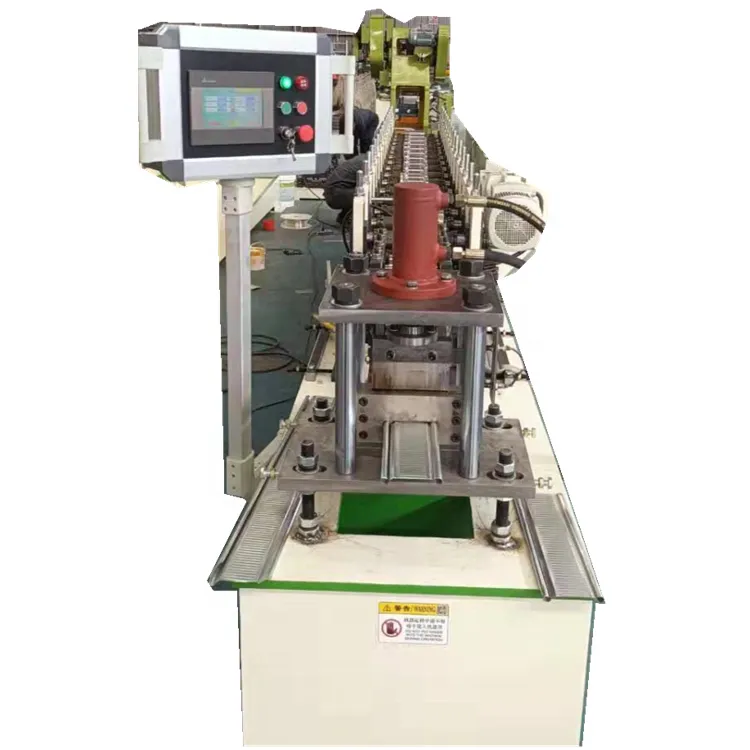 Rolling Shutter Making Machine Roller Shutter Slat Forming Machine
- rolling shutter making machine+20M/MIN+DEPENDS
$15,000.00
MOQ: 1
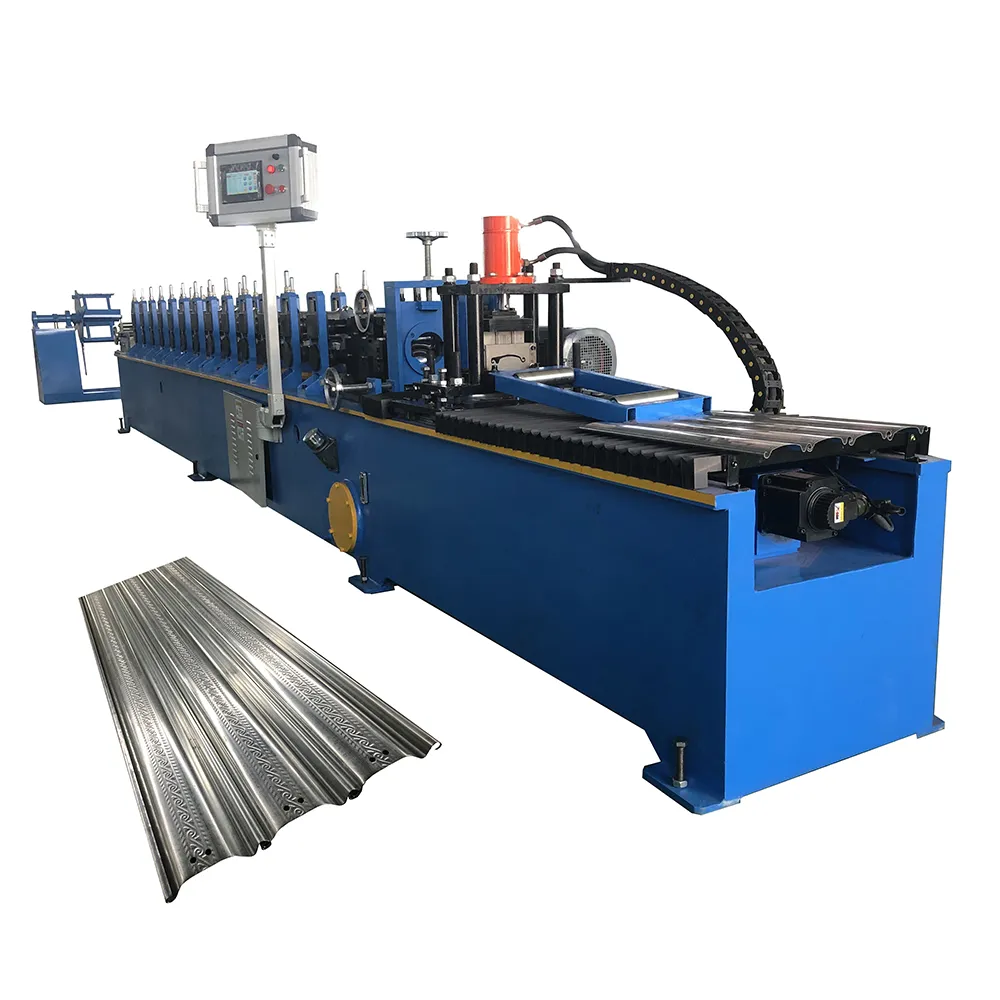 Rolling Shutters Doors Garage Door Making Machine Roller Shutter
- ZTE-LZ+customize
$13,500.00
MOQ: 1
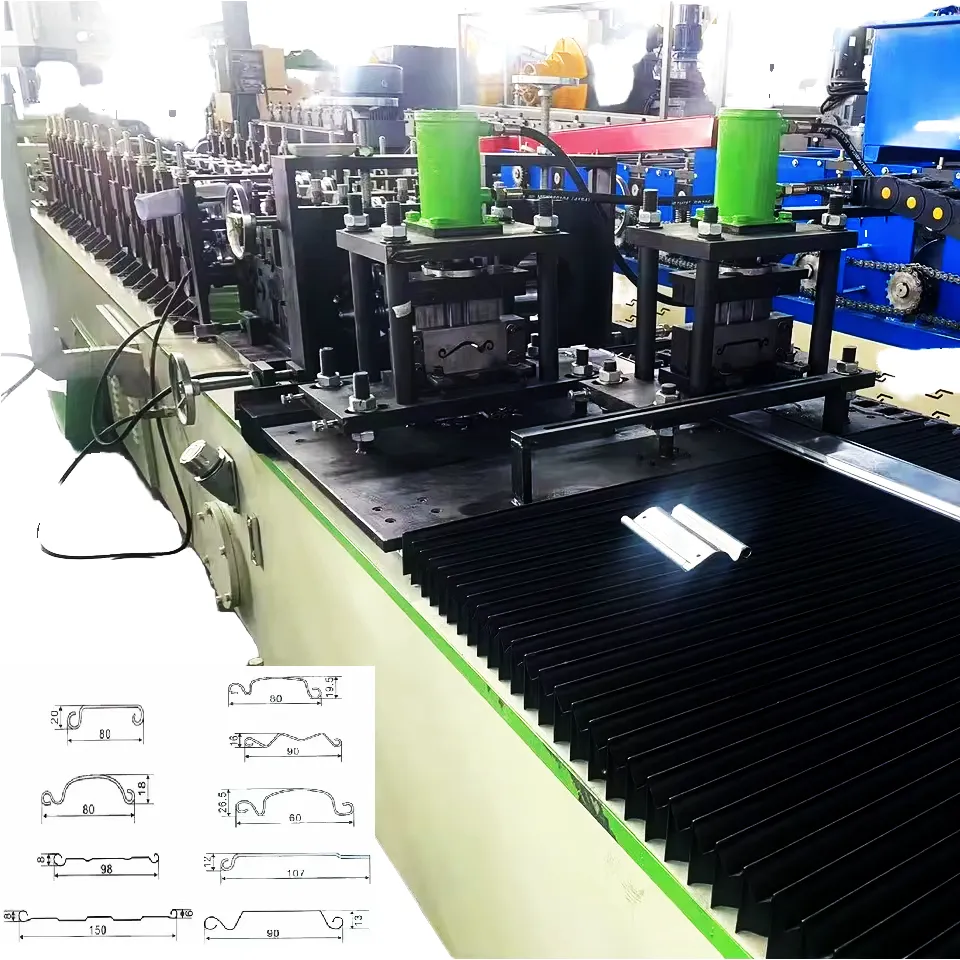 Security Insulated Fire Door Roll Forming Machine Aluminum Double
- 30 m/min+roll machine+13KW
$8,500.00
MOQ: 1
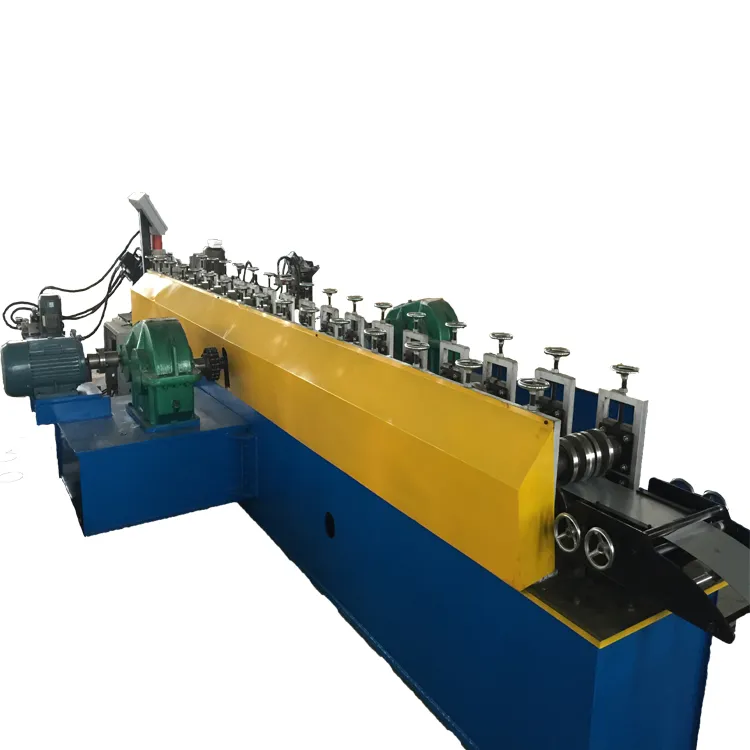 Window Guide Rail Roll Former Guide Rail Forming Machineroller
- shutte door+5.5kw
$18,000.00
MOQ: 1
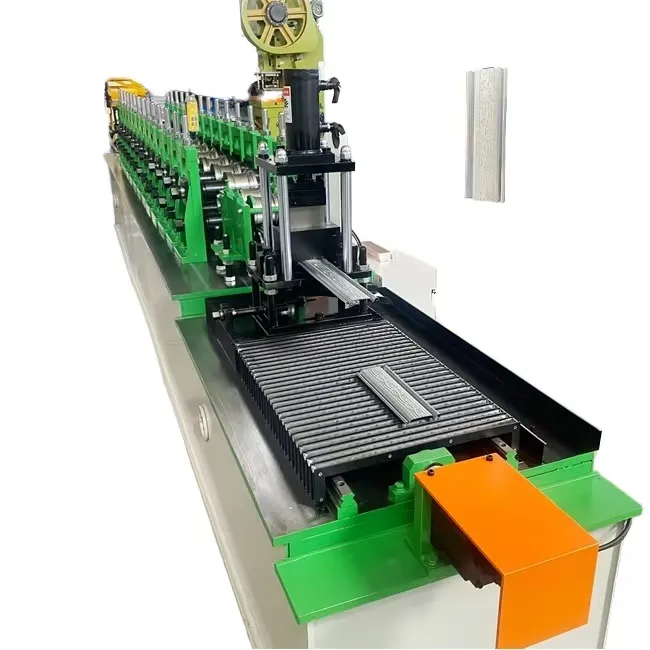 Shutter Door Slats Roll Former
- 30 m/min+Door Slats Roll Former+380V
$20,000.00
MOQ: 1
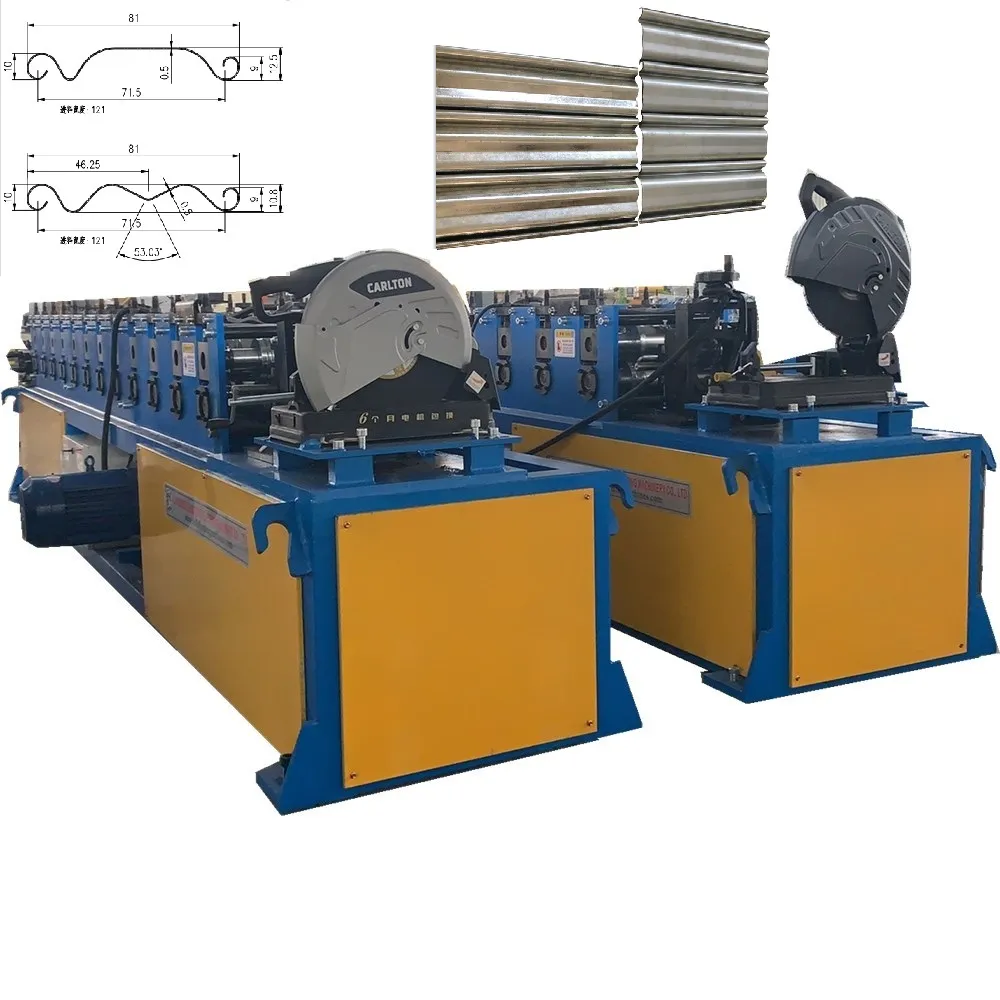 Shutter Door Slat Rolling Mill Roller Shutter Door Making Machine
- ZTE-RDRM+7.9KW
$9,000.00
MOQ: 1
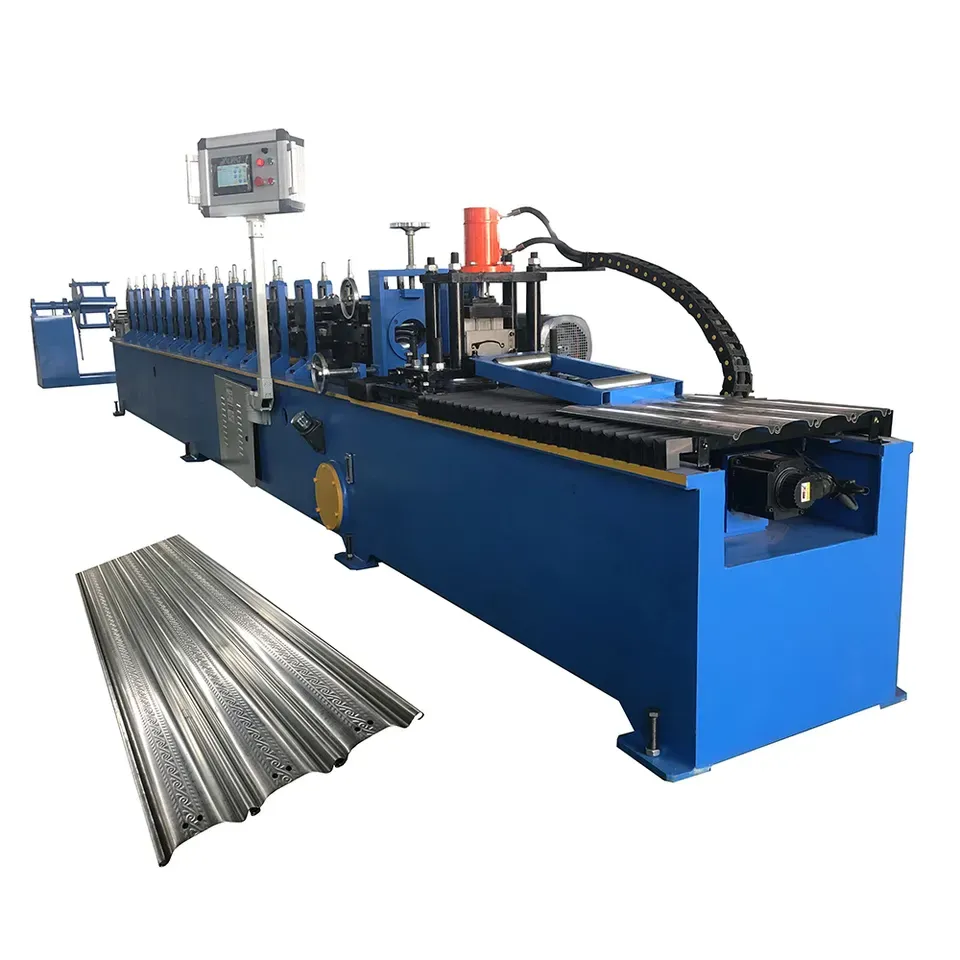 Louver Shutter Door Roll Forming Machine
- ZTE-LZ+customize
$13,500.00
MOQ: 1
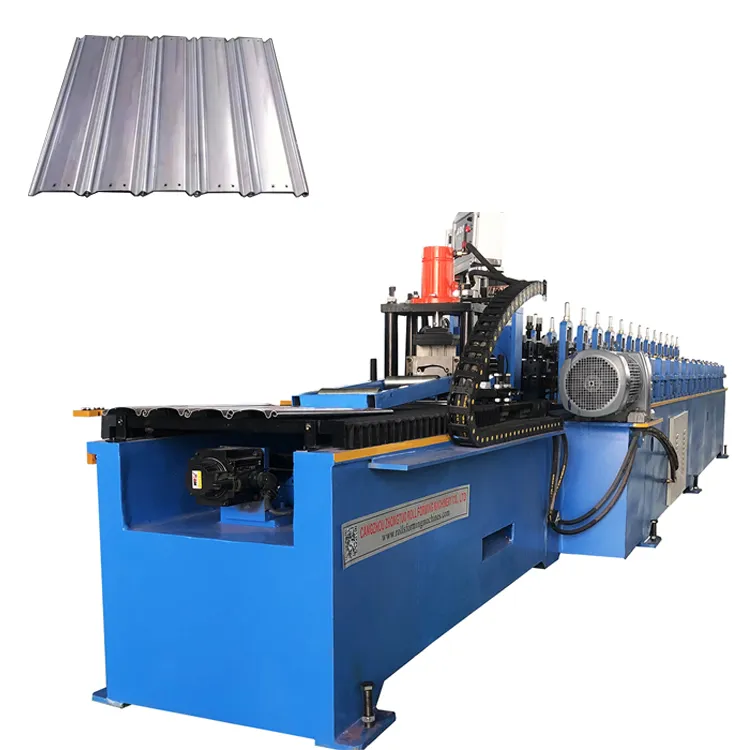 Metal Strip Shutter Door Roll Forming Machine Aluminum Tile
- shutter door making machine+300 mm
$12,000.00
MOQ: 1
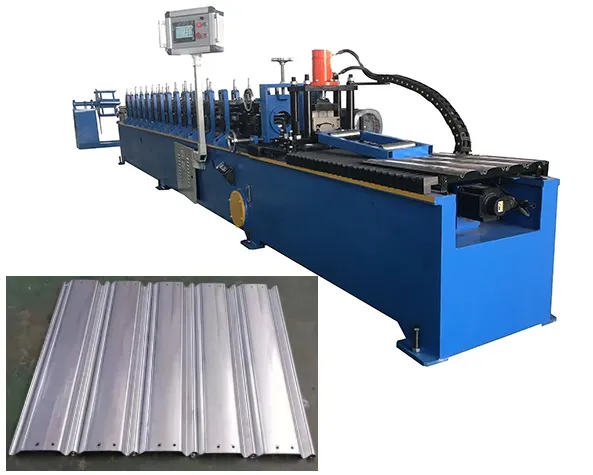 Rolling Shutter Slat Door Roll Forming Machine China In Metal
- ZTRFM+0-25m/min+according to profile drawing
$10,000.00
MOQ: 1
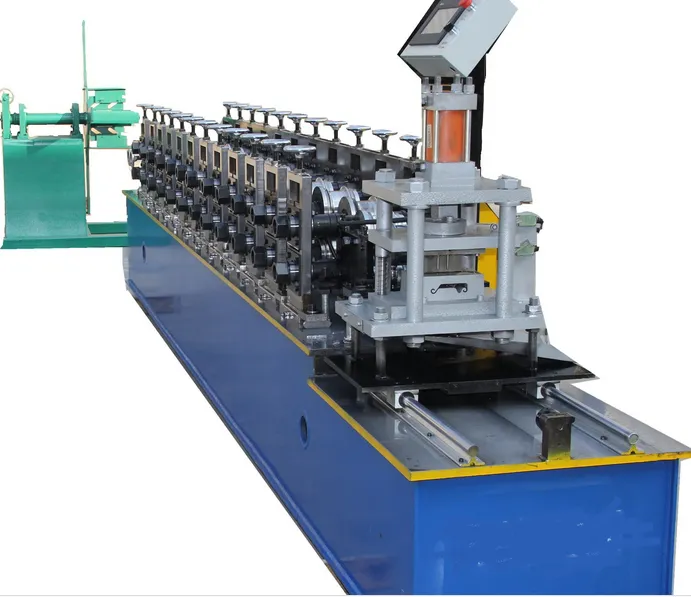 Metal Shutter Door Rolling Machine Steel Garage Door Making ,
- ZT-Rolling shutter 120
$12,900.00
MOQ: 1
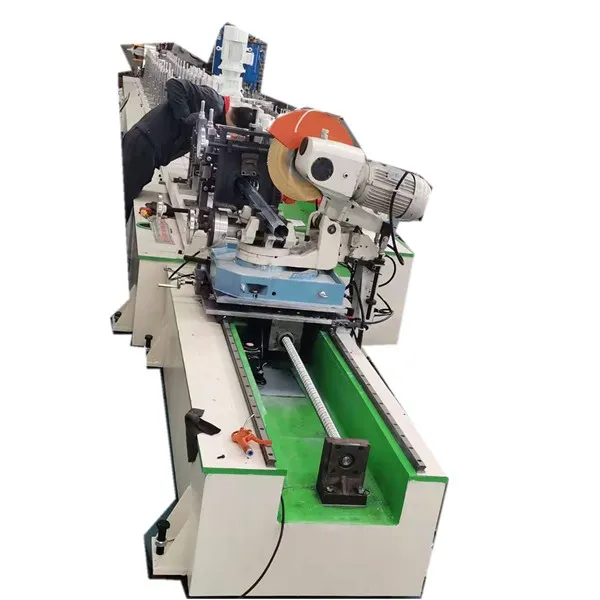 Shutter Door Octagonal Tube Roll Forming Machine
- ZT- Rolling shutter Octagonal tube
$30,000.00
MOQ: 1
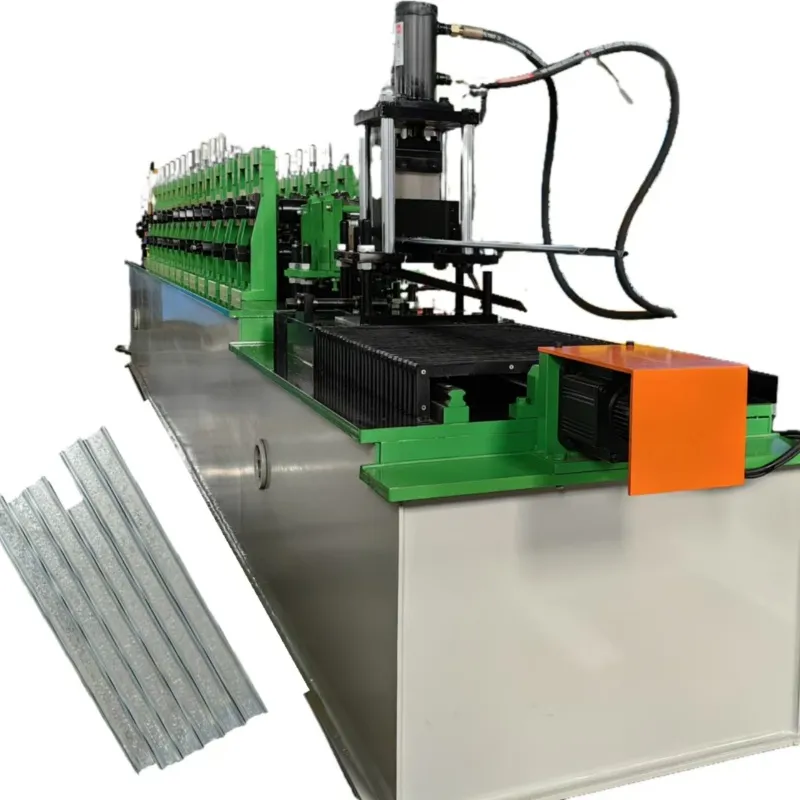 Roll Up Door Profile Roller Shutter Door Roll Forming Machine
- 20 M/Min+ZTRFM-Shutter+7.5KW
$18,000.00
MOQ: 1
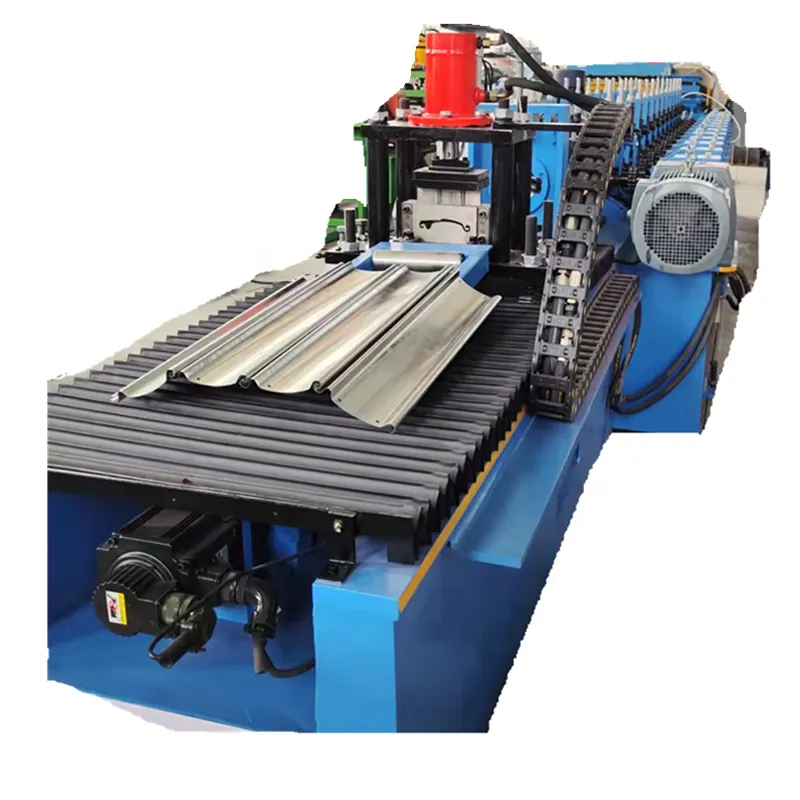 Shutter Door Slat Making Machine Metal Shutter Door Machine
- shutte door ZT004+5.5kw
$16,500.00
MOQ: 1
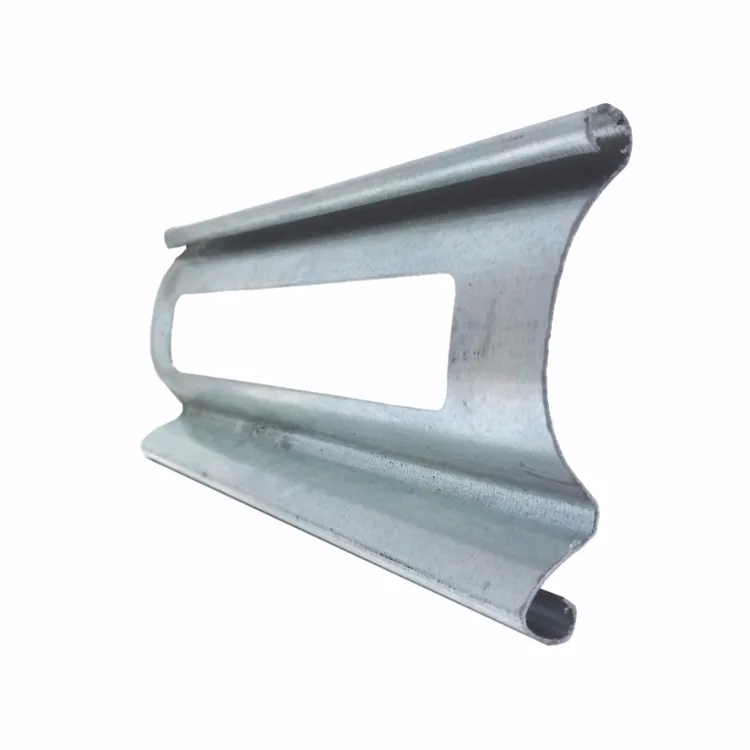 Fenestrated Shutter Door Roll Forming Machine Steel 0.3-0.8mm
- Rolling shutter machine+5.5+4KW
$15,000.00
MOQ: 1
 Metal Roller Shutter Door Guide Rails Roll Forming Machine
- 12 m/min+door frame+5.5kw
$14,500.00
MOQ: 1
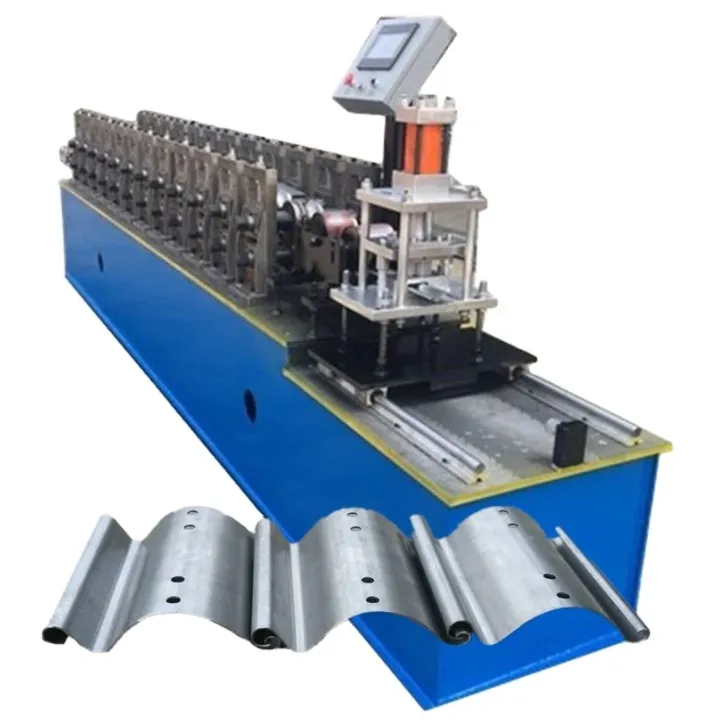 Galvanized Steel Roll Forming Machine Shutter Door
- ZT+customized
$10,500.00
MOQ: 1
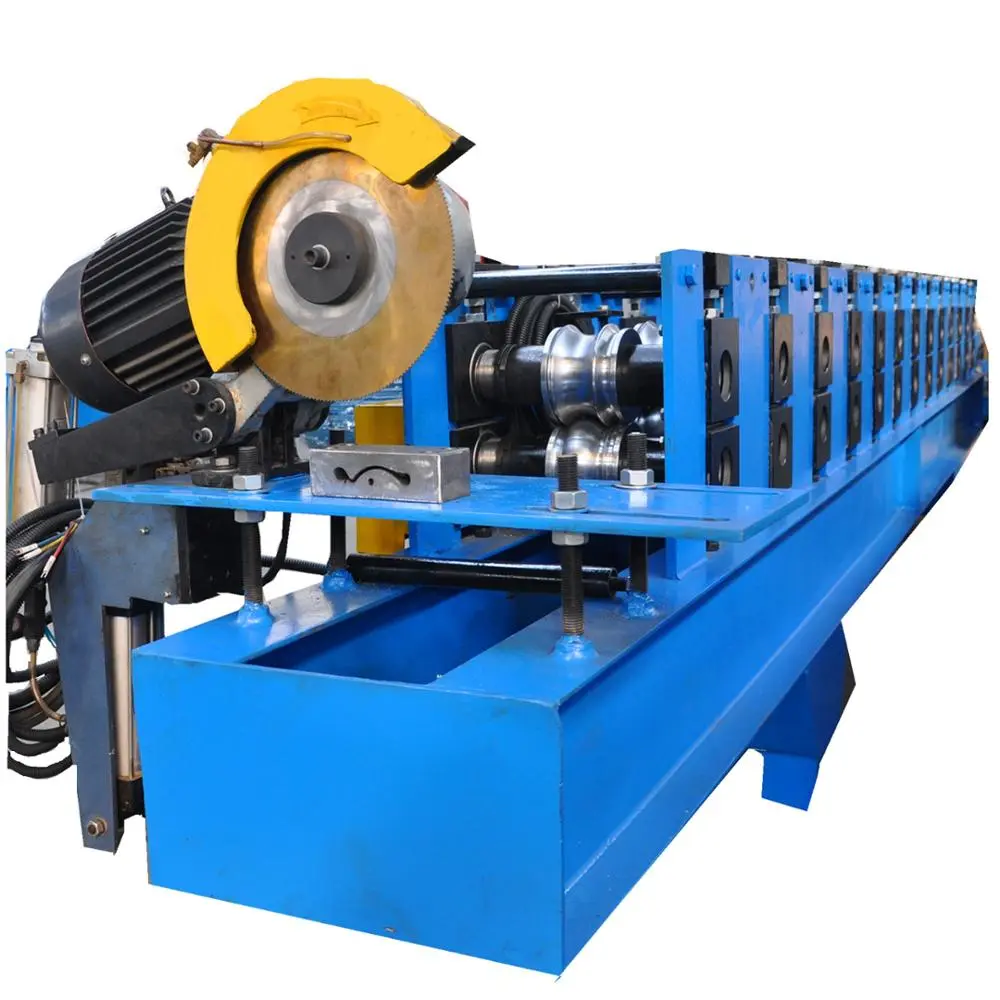 Rolling Shutter Door Roll Forming Machine
- ZT-300+7.5KW
$45,000.00
MOQ: 1
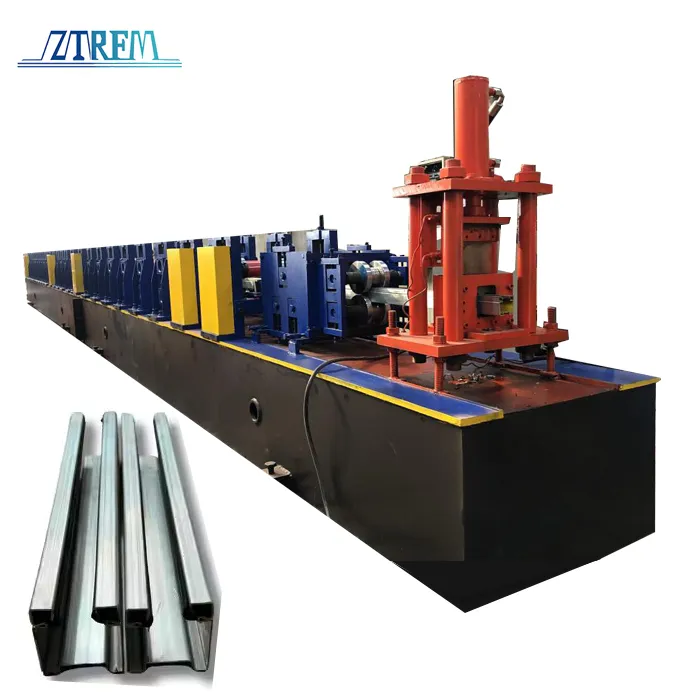 Function 1.5mm Thickness Add Rubber Type Shutter Door Guide Rail
- 20 M/Min+GD01+7.5kw
$14,500.00
MOQ: 1
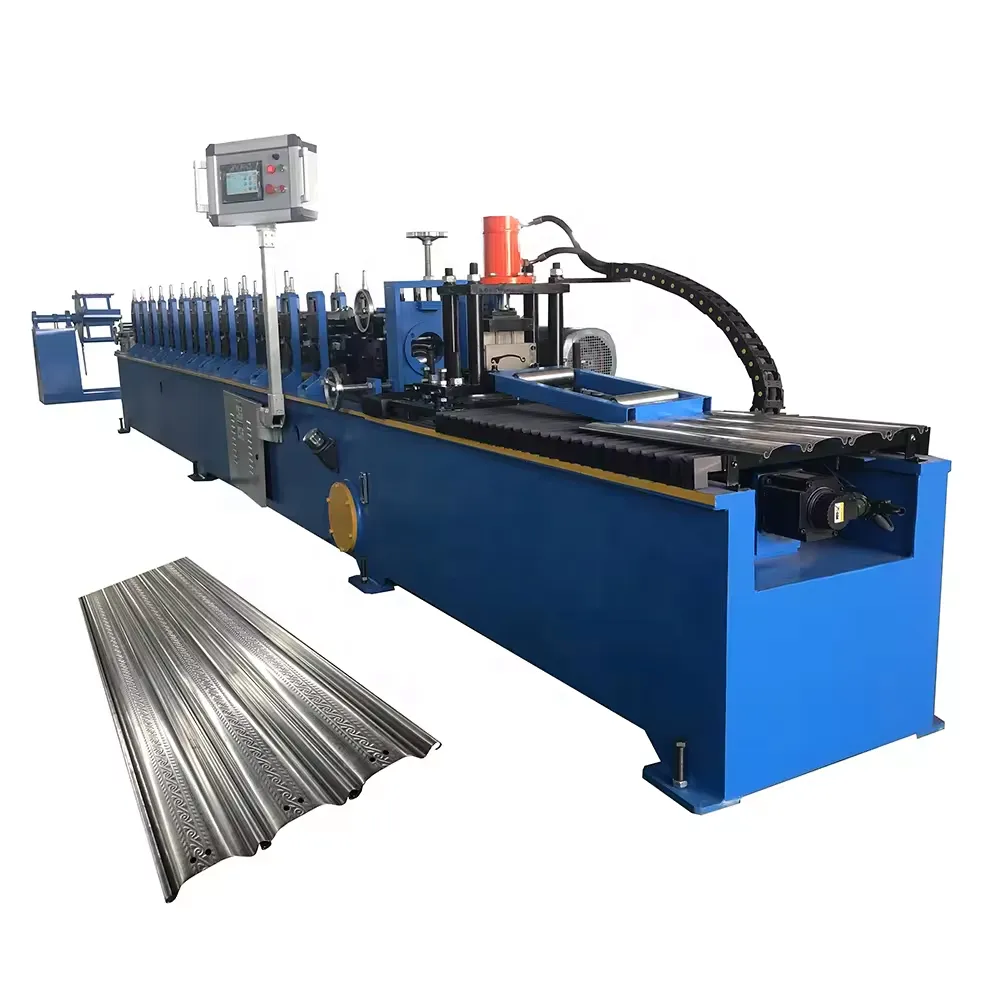 Steel Aluminum Shutter Door Roll Forming Machine Roller Shutter
- ZTRFM-Shutter+7.5KW
$12,000.00
MOQ: 1
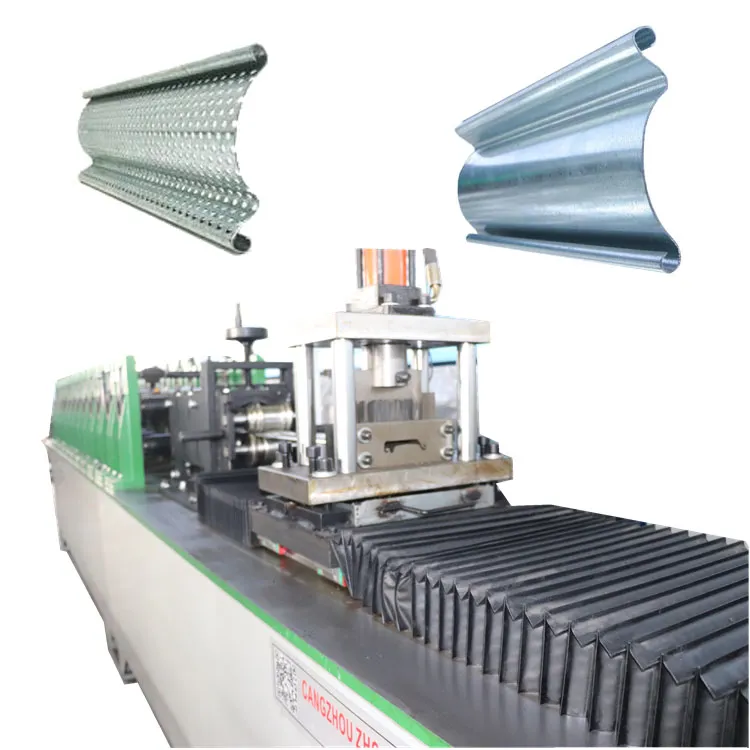 Supply Metal Door Slat Roller Shutter Door Roll Forming Machine
- shutter door making machine+300 mm
$15,000.00
MOQ: 1
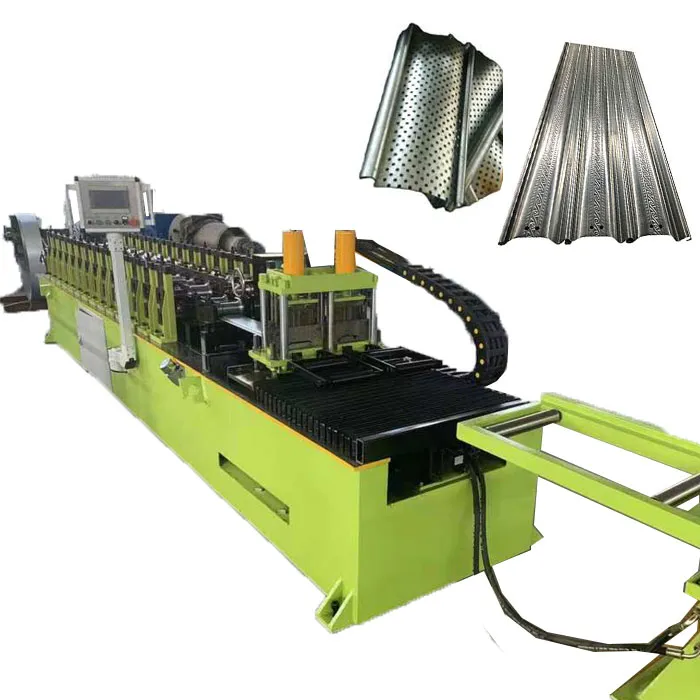 Perforated Roller Shutter Door Slat Roll Forming Machine
- ZTRFM-Shutter door 1
$15,000.00
MOQ: 1
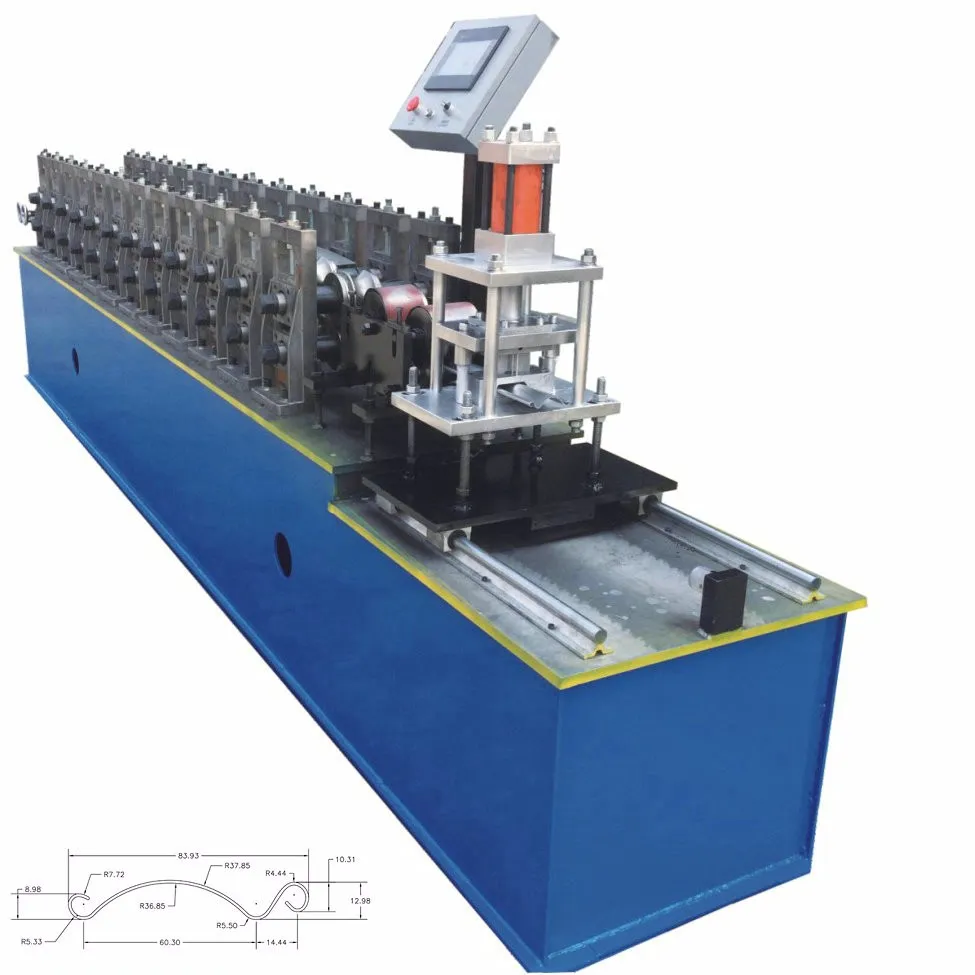 Hot European Standard Precision Wind Resistant Rolling Shutter
- 25 M/min+ZT--088+4+5.5kw
$9,000.00
MOQ: 1
 Australia Style Australia Type Roller Shutter Garage Door Roll
- ZTE-ASDRFM+12KW
$16,000.00
MOQ: 1

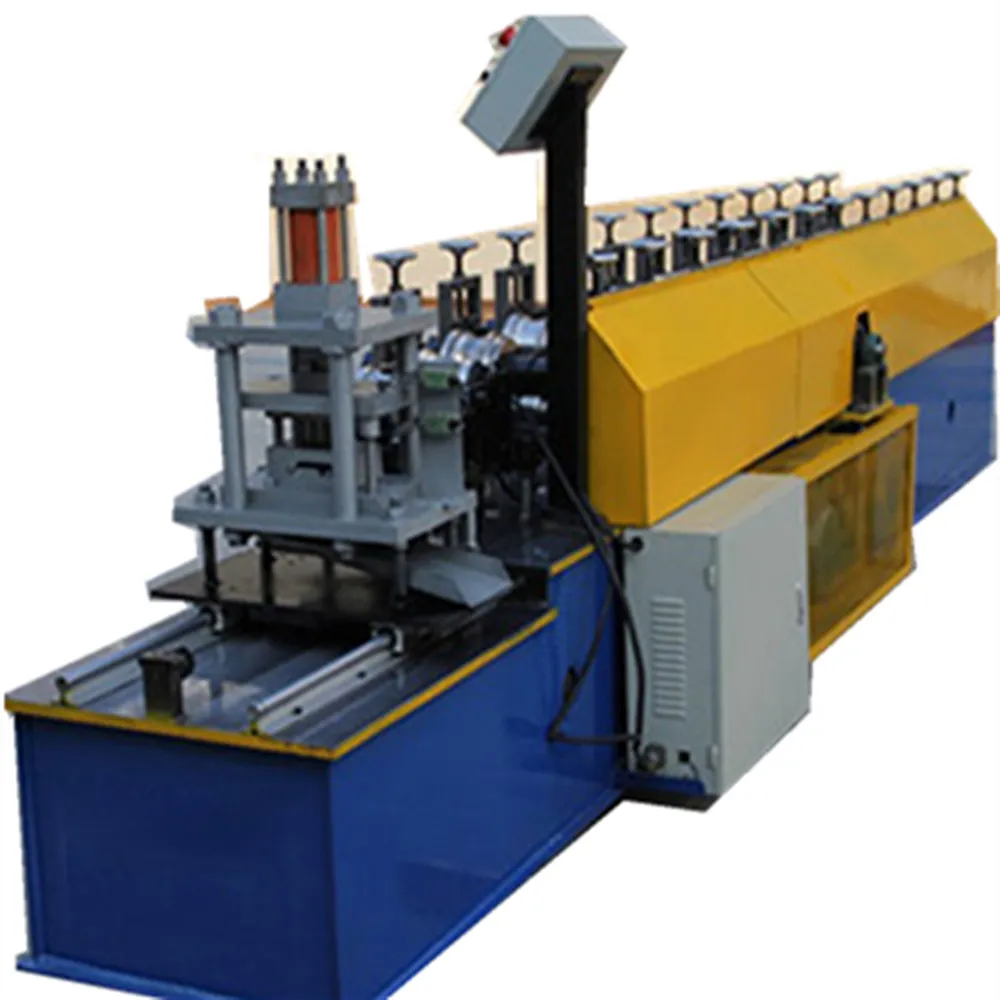
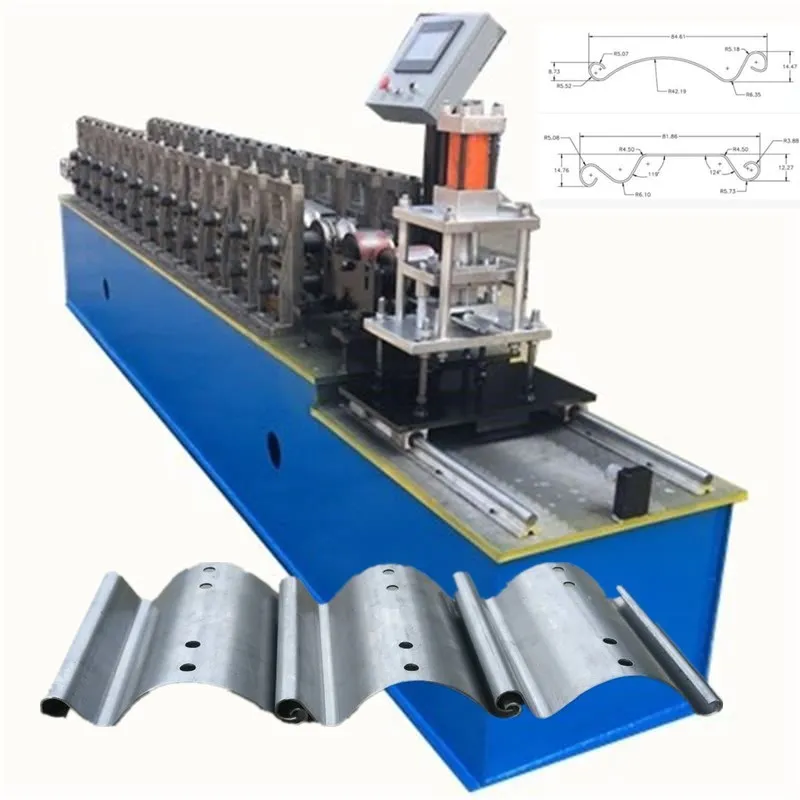
About Roller Shutter Door Frame Roll Forming Machines
Roller shutter door frame roll forming machines manufacture the critical load-bearing and guiding framework of roll-up door assemblies. A complete frame system comprises vertical side guide rails (often featuring deep G-channels with internal wind-lock retention lips), wall mounting jamb casings, overhead barrel support plates, and heavy bottom T-bars. These profiles must maintain tight straightness, squareness, and slot alignment to ensure quiet curtain descent, wind-pressure retention, and fire-smoke barrier integrity.
The production line requires high forming precision and versatile auxiliary integration. Flat steel strip is fed from an automatic decoiler through a hydraulic pre-punching station that punches wall-fastening holes, lock cylinder cutouts, and positioning slots before cold forming. The material then passes through 16 to 24 hardened roller stations (solid 40Cr steel rollers, vacuum heat-treated to HRC 58–62) where multi-bend channels and hems are folded gradually without oil-canning or micro-cracking. Synchronized hydraulic shear dies cut profiles cleanly, with optional dual-angle shearing allowing 45-degree corner miter cuts for seamless door casing assembly.
Substrates typically include structural hot-dip galvanized steel (GI with Z120 to Z275 coating), prepainted steel (PPGI), cold-rolled carbon steel for post-painting, and grade 304 stainless steel for food-hygiene and coastal applications. Material thickness ranges from 0.8 mm for commercial retail shutters to 2.0 mm for heavy-duty industrial hurricane-rated wind-lock rails.
These machines serve manufacturers supplying commercial retail shopping centers, industrial logistics facilities, automated high-speed cleanroom doors, and underground parking garage fire compartmentalization.
Standard configurations include a 3-to-5-ton hydraulic decoiler, precision leveling head, multi-die hydraulic punch unit, rigid side-plate or cast-iron stands with gear/chain drive, touch-screen PLC automation, and automated pneumatic runout tables.
Applications

Commercial Retail Shopfronts & Shopping Plazas
Roll formed door frames and side guide channels provide tamper-resistant anchoring, smooth curtain descent, and integrated lock pockets for commercial mall shopfronts and retail security shutters.

Industrial Logistics Warehouses & Loading Docks
Heavy-gauge G-shaped guide rails and reinforced jamb casings withstand high wind suction and dynamic impact from continuous forklift traffic across busy warehouse exterior loading bays.

Underground Parking Garages & Fire-Rated Openings
Precision cold-formed fire shutter frames incorporate intumescent seal retention grooves and thermal expansion slots, maintaining structural integrity and smoke isolation during emergency compartmentalization.

High-Speed Cleanrooms & Food Processing Bays
Airtight roll formed door frame columns house safety photoelectric light curtains, wind-retaining zipper tracks, and hygienic sealing brushes for high-speed automated cleanroom transit doors.

Residential Garages & Architectural Security Shutters
Quiet-running PVC-cushioned guide rails and compact lintel box frames integrate within residential brickwork, providing weather protection, acoustic insulation, and forced-entry deterrence for luxury garages.
Technical Overview
| Parameter | Information |
|---|---|
| Profile / Product Family | Roller shutter side guide rails, jambs, bottom bars & casing |
| Applicable Coil Material | Hot-dip galvanized steel (GI), PPGI, cold-rolled steel & SS304 |
| Material Thickness Range | 0.80 mm – 2.00 mm |
| Infeed Strip Width | 120 mm – 450 mm (according to profile drawing) |
| Profile Height & Depth | Guide depth 40 mm – 150 mm; width 30 mm – 120 mm |
| Forming Roller Stations | 16 – 24 stations (solid 40Cr/Cr12, vacuum quenched HRC 58-62) |
| Shaft Diameter | Φ60 mm – Φ75 mm (solid 45# / 40Cr quenched and tempered) |
| In-line Punching Unit | Hydraulic pre-punching station (custom anchor, lock & mortise dies) |
| Cutting System | Hydraulic stop-to-cut with 90° square & optional 45° miter Cr12MoV blades |
| Control & Automation | PLC (Siemens / Delta) + Touchscreen HMI + High-precision encoder |
Related Solutions
Door Frame Roll Forming Solution
Automatic door-frame / jamb mill. Example below: 22 stands, 7.5 kW x2, 0.8-1.5 m…
Custom Profile Roll Forming for OEM
Flexible roll forming line for custom cross-sections. Suitable for OEMs who need…
Pre-Engineered Building Component Line
Integrated solution for PEB secondary framing: C/Z purlins, girts, eave struts,…
Related Information

Rolling Shutter Door Roll Forming Machine: Slat Production & Line Specs
rolling shutter door roll forming machine, shutter door making machine, rolling…
Read More
Pre-Punching vs Post-Punching in Roll Forming
Punch the holes before or after forming? The choice changes hole accuracy, tooli…
Read More
Cut-to-Length Systems in Roll Forming: Flying Shear vs Static Shear Explained
Stop-cut or flying shear? A machine designer explains the difference, accuracy,…
Read More
Roll Forming Tooling Design: Material, Coating & Lifespan
Roller material choices (Cr12MoV vs D2 vs SKD11), surface coatings, flower patte…
Read More
Roll Forming Machine Control Systems: PLC, HMI and Encoder Integration
How do PLC, HMI, VFD and encoders work together on a roll forming line? A practi…
Read MoreHow to Choose a Roll Forming Machine: 7 Key Factors for B2B Buyers (2026)
A practical B2B checklist for selecting a roll forming machine: profile, materia…
Read More
FAQ
What profiles and components can a roller shutter frame machine produce?
Standard lines produce vertical guide channels (single U-tracks, double G-tracks for wind-lock curtains), door jamb casings, bottom rails (T-bars with rubber seal slots), and lintel hood casing panels. Because guide rail and jamb cross-sections differ, manufacturers typically utilize dedicated forming lines or quick-change cassette units.
Can the line punch mounting holes and lock slots automatically in-line?
Yes, high-precision lines incorporate a multi-cylinder hydraulic pre-punching station upstream of the roll former. Controlled by a high-resolution encoder and PLC, it automatically punches mounting anchor slots, hinge notches, and lock mortises with repeatable positional accuracy within ±0.5 mm.
How does the machine perform 45-degree miter cuts for seamless frame assembly?
To allow immediate job-site assembly without manual sawing, lines can be equipped with a dual-acting hydraulic cut-off die. The die performs 45-degree angled corner cuts on the head and jamb ends or combined 90-degree square separation cuts according to the programmed cutting recipe.
What material thickness and steel grades can the machine process?
The equipment typically processes 0.8 mm to 2.0 mm strip thickness across commercial galvanized steel (GI), prepainted steel (PPGI), and grade 201/304 stainless steel. For stainless steel, hard-chromed or D2 tool steel rollers with mirror polishing are specified to eliminate surface galling.
How are wind-lock guide rail channels formed without cracking internal corners?
Deep wind-lock G-channels require acute reverse bends to retain curtain end-clips. The machine uses 18 to 24 gradual forming passes with intermediate side-roll guide fixtures and precisely calculated bend radii to eliminate material springback and micro-cracking along tight internal corners.
What is the typical production line speed and daily capacity?
Production speeds average 10 to 18 m/min with stop-to-cut hydraulic shearing and multi-hole punching. In a standard 8-hour shift, an automated line yields approximately 3,500 to 5,500 linear meters of finished, pre-punched door frame and guide rail profiles.
What drawing specifications should be verified before ordering a custom machine?
Buyers should provide detailed profile dimension drawings (showing web width, flange height, return lip dimensions, and sheet thickness), material yield strength, a hole-punching pattern drawing with pitch distances, and required electrical standards (voltage/frequency).