
- Tuo AI

- Live

- My Account
- Shopping Cart
- Inquiry Basket
- Contact Us
- Back to Top




Coolant/Cutting Fluid Solutions & Equipment
Industrial coolants, metalworking fluids, and roll forming lubricants are specialized chemical formulations engineered to control heat generation, reduce friction, and prevent metal pick-up during high-speed metal forming, coil slitting, and tube welding. Formulated from premium synthetic esters, extreme-pressure (EP) additives, and biostable rust inhibitors, these water-soluble and neat fluid solutions extend tooling life, protect coil surface finishes, and deliver clean, stain-free manufacturing across steel and non-ferrous processing industries.
Filters
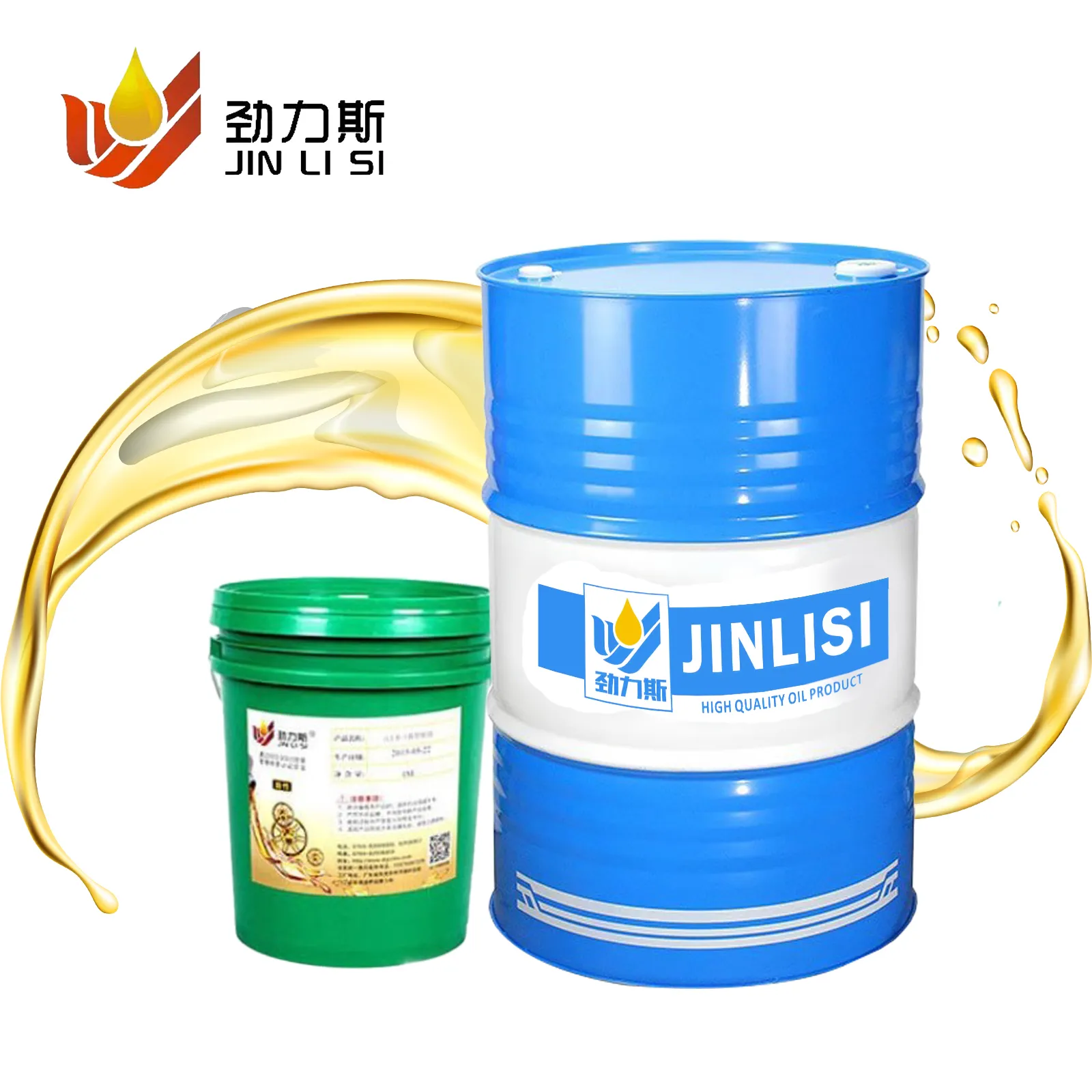 ISO 9001 Certified Anti-Rust High Lubrication Water Soluble Cutting Fluid for CNC Machines
- Guangdong, China+JINLISI+Base Oil+SAE+JLS-32-200
$26.90
MOQ: 1
About Coolant/Cutting Fluid Solutions & Equipment
In high-speed roll forming, continuous stamping, and metal shearing lines, the choice of metalworking fluid directly determines tooling longevity, product surface aesthetics, and operating efficiency. During cold roll forming of high-yield steel or prepainted coils, extreme interface pressures between the workpiece and chrome-plated rollers generate localized temperatures capable of degrading organic paint films, welding zinc particles onto tooling (zinc pickup/galling), and causing abrasive surface scoring.
Modern coolant and lubricant formulations encompass three core technological categories: water-soluble synthetic solutions (providing superior heat dissipation, zero oil smoke, and rapid tramp oil separation), semi-synthetic micro-emulsions (combining boundary lubricity with clean washability for heavy structural purlin forming), and evaporative vanishing neat oils (which evaporate cleanly after forming, eliminating the need for expensive secondary degreasing stages prior to automated powder coating or painting).
Crucial performance attributes include extreme-pressure (EP) sulfur- and phosphorus-free chemistry compliant with RoHS and REACH regulations, exceptional biostability preventing bacterial sump degradation and foul odors during machine idle periods, and multi-metal corrosion inhibitors that safeguard both ferrous workpieces and machine slide surfaces from flash rusting. Formulations maintain stable pH buffering and low foaming even under high-pressure coolant circulation pumps exceeding 10–15 bar.
Applications
High-Speed Cold Roll Forming Roller Cooling & Lubrication
Synthetic water-soluble coolant fluids atomized or flooded across forming roller passes dissipate frictional heat and prevent zinc pickup scoring. Applications: Continuous roofing sheet lines, high-speed C/Z purlin forming mills, and structural deck roll forming lines. Features: Extreme pressure (EP) boundary lubrication, biostable formulation resisting bacterial sump odors, and rapid tramp oil separation.
Heavy-Gauge Coil Slitting & Flying Shear Cut-Off Flooding
High-viscosity emulsion cutting fluids flooded over rotary slitting blades and high-speed flying shear dies to extend blade edge life and ensure burr-free cuts. Applications: Steel coil slitting service centers, cut-to-length stamping lines, and automated metal tube cut-off units. Features: Rapid heat dissipation from shear contact zone, anti-weld additives preventing steel chip fusion, and clean strip edge finish.
High-Frequency Welded Structural Tube & Pipe Mills
Circulating semi-synthetic coolant emulsions dedicated to high-frequency induction tube welding lines, cooling weld seams and forming rolls simultaneously. Applications: Structural square hollow section (SHS) mills, round pipe manufacturing, and highway guardrail post welding lines. Features: Low-foaming under high pressure turbulence, rapid flash rust inhibition on freshly exposed weld bead surfaces, and ash-free vaporization.
Precision CNC Press Brake Sheet Bending & Stamping
Evaporative neat vanishing lubricants applied onto sheet metal punch tooling to eliminate die drag marks and friction galling on aesthetic steel panels. Applications: Architectural panel folding, electrical cabinet press brake bending, and precision sheet metal stamping stamping cells. Features: Vanishing dry-to-touch residue requiring zero post-wash cleaning before powder coating, non-chlorinated, and skin-safe formula.
Stainless Steel & Aluminum Scratch-Free Forming Operations
Specialized ester-based lubricant coolants engineered to prevent work-hardening surface galling and micro-scratching on sensitive aluminum and mirror stainless coils. Applications: Architectural Al-Mn standing seam roofing production, mirror stainless decorative trims, and appliance panel roll forming. Features: Zero staining on aluminum alloys, high lubricity preventing adhesive transfer, non-corrosive to yellow metals, and easy degreasing.
Technical Overview
| Parameter | Information |
|---|---|
| Chemical Fluid Categories | Fully Synthetic Solution / Semi-Synthetic Micro-Emulsion / Evaporative Vanishing Neat Oil |
| Appearance & Concentrate Odor | Translucent amber to blue fluid, mild pleasant odor, free of foul sulfur smell |
| Operating Dilution Ratio | 5% – 10% with industrial tap water (Refractometer factor 1.0 – 1.2) |
| Working Solution pH (at 5%) | 8.8 – 9.4 (Stable buffered alkaline range, skin-friendly) |
| Corrosion Inhibition Protection | Passed Cast Iron Chip Test (DIN 51360/2) at 3% dilution; zero copper/aluminum staining |
| Extreme Pressure (EP) Lubricity | Four-Ball Weld Load > 2500 N, PB Value > 600 N (ASTM D2783) |
| Foaming Performance | Low-foaming < 10 ml after 1 min settle time under high-pressure agitation |
| Environmental Compliance | RoHS, REACH compliant; Chlorine-free, Nitrite-free, Heavy Metal-free |
| Packaging Options | 20 L Pail, 200 L Drum, 1000 L IBC Tote with maritime export palletizing |
| Shelf Life & Storage | 24 months sealed at 5°C – 40°C indoor dry conditions |
Related Solutions
Metal Sheet Processing Solution
Blanking and cut-off around a roll former is a shear class: flying (tracking) sh…
Tube & Pipe Processing Solution
Pipe-making is several hosts: ERW round/square, lockform duct, a recipe tube (ZP…
Metal Roofing & Wall Panel Roll Forming Solution
Trapezoidal / IBR, standing-seam, corrugated or glazed-tile roof and wall panel…
C-Purlin Production Line for Roof Systems
Complete cold roll forming solution for C-section purlins used in metal building…
Highway W-Beam Guardrail Roll Forming Line
Full line for W-beam guardrail (thrie-beam optional). In-line punching, galvaniz…
Custom Profile Roll Forming for OEM
Flexible roll forming line for custom cross-sections. Suitable for OEMs who need…
Related Information

Roll Forming Tooling Design: Material, Coating & Lifespan
Roller material choices (Cr12MoV vs D2 vs SKD11), surface coatings, flower patte…
Read More
Steel Coil for Roll Forming: Specifications, Grades & How to Choose
The complete guide to steel coil for roll forming — thickness ranges, width stan…
Read More
Roll Forming Decoiler Types: Manual, Hydraulic and Double-Head Guide
Manual vs hydraulic vs double-head decoilers — capacity, safety, price, and how…
Read More
Digital Twin and Simulation in Roll Forming Tooling Design
Before a single roller is cut, the whole process can be simulated. How digital t…
Read More
Cold Roll Forming Process for Metal Roofing: From Coil to Roof Sheet
cold roll forming process metal roofing, roof sheet roll forming process, how ro…
Read More
What Is a Decoiler and How Does It Work in a Roll Forming Line?
what is a decoiler, decoiler how it works, uncoiler machine, coil decoiler roll…
Read More
FAQ
Why is specialized lubricant required during roll forming rather than plain water?
Plain water lacks boundary lubricity and causes rapid roller galling, zinc-stripping on galvanized coils, paint scratching on prepainted coils, and severe machine corrosion. Formulated coolants provide lubricity, rust protection, and heat dissipation.
What is the recommended dilution ratio for water-soluble roll forming coolants?
Typical concentration ranges from 5% to 10% (1:20 to 1:10 water-to-concentrate ratio), measured via an optical refractometer. Heavier gauge forming or high-tensile steel purlins may require 10–12% for enhanced EP performance.
How do evaporative vanishing lubricants eliminate secondary cleaning?
Vanishing oils utilize high-purity volatile synthetic hydrocarbons that evaporate completely within 15–45 minutes at room temperature, leaving zero oily residue on formed panels prior to powder coating or packaging.
Does this cutting fluid stain aluminum or Galvalume coated coils?
No, our coolants are formulated with pH-neutral multi-metal inhibitors that prevent galvanic staining, black spots, or white rust formation on sensitive aluminum (AA3004/5052) and Al-Zn Galvalume surfaces.
How often should coolant sumps be maintained and cleaned?
Concentration and pH should be verified weekly. With regular tramp oil skimming and filtration, our biostable synthetic formulations maintain clean sump performance for 12 to 24 months without odor degradation.
Are these chemical fluids safe for operator contact and environmental disposal?
Yes, products are free of chlorine, nitrites, heavy metals, and secondary amines, meeting strict OSHA, REACH, and RoHS environmental standards with non-irritating, low-odor operator safety profiles.
What packaging and shelf-life conditions apply to international orders?
Coolants are packaged in 20-liter pails, 200-liter steel drums, or 1000-liter IBC totes with a certified 24-month unopened shelf life under standard indoor temperature storage.