
- Tuo AI

- Live

- My Account
- Shopping Cart
- Inquiry Basket
- Contact Us
- Back to Top




Precision Roll Forming Tooling & Roller Dies
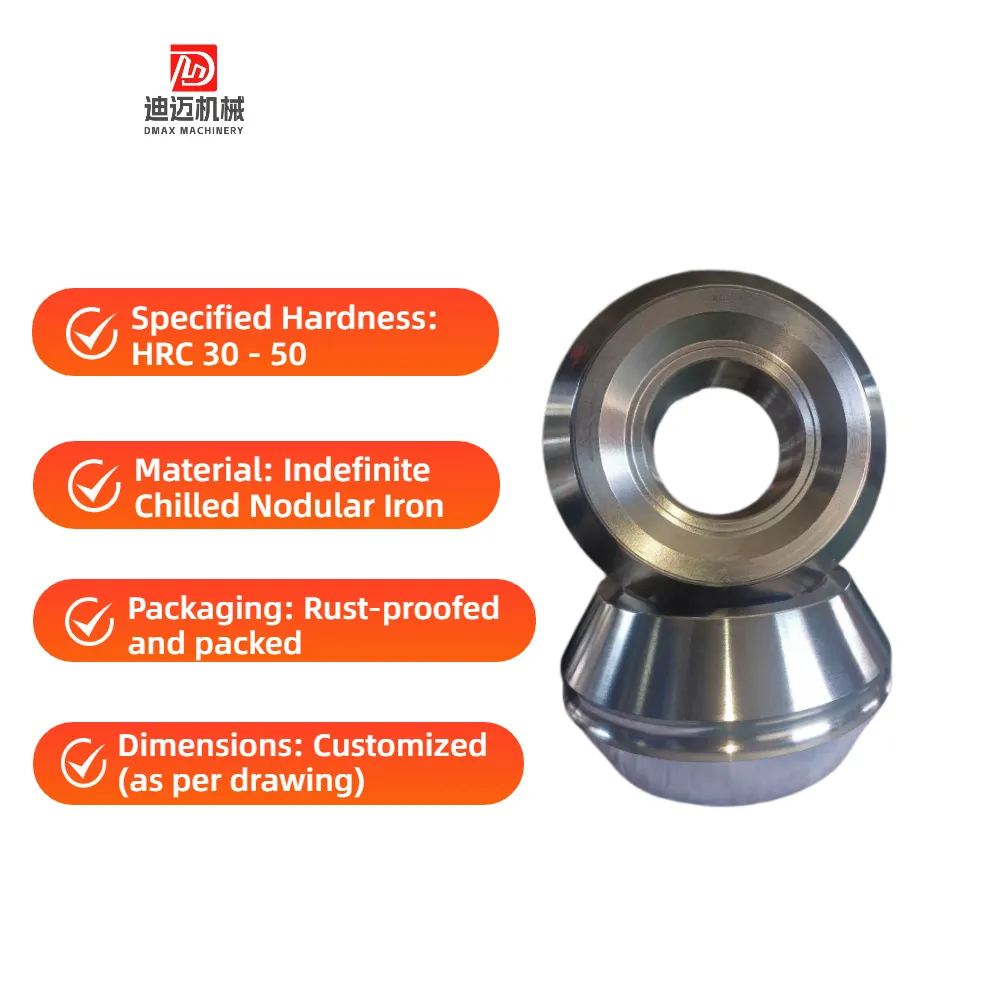
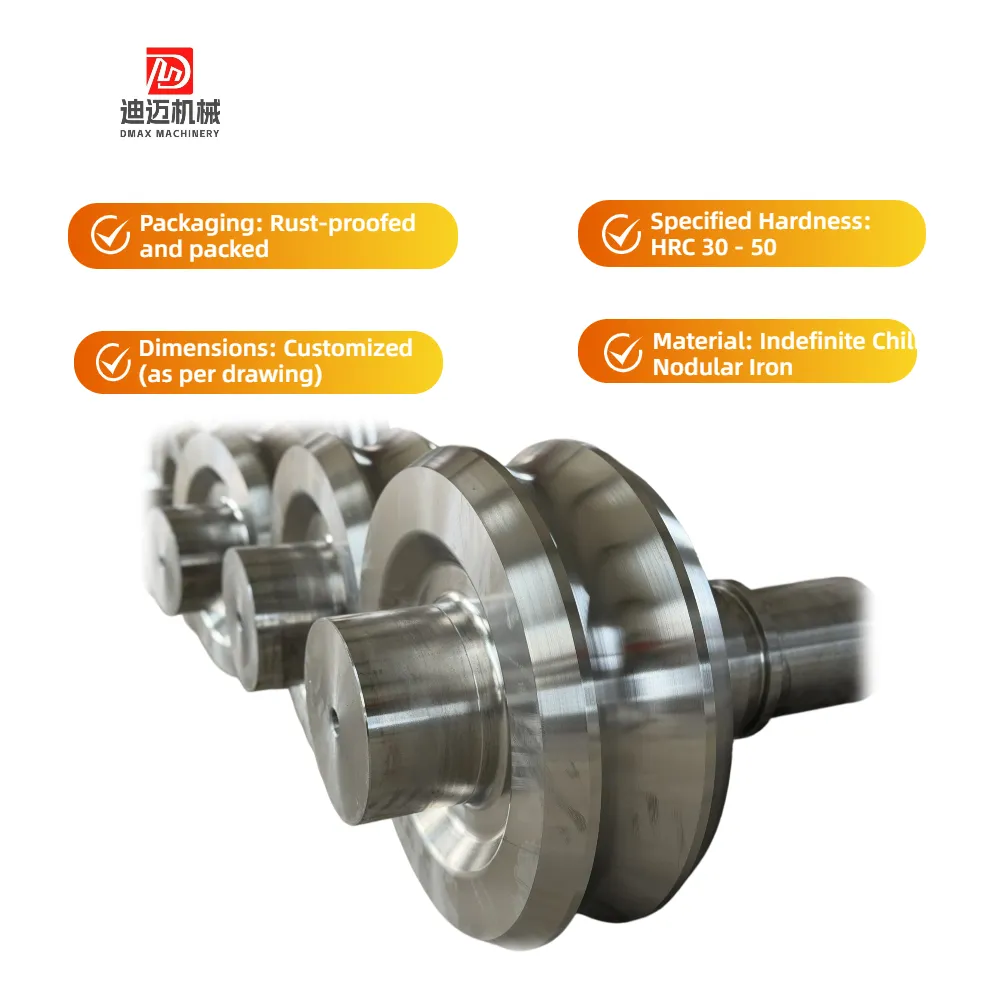
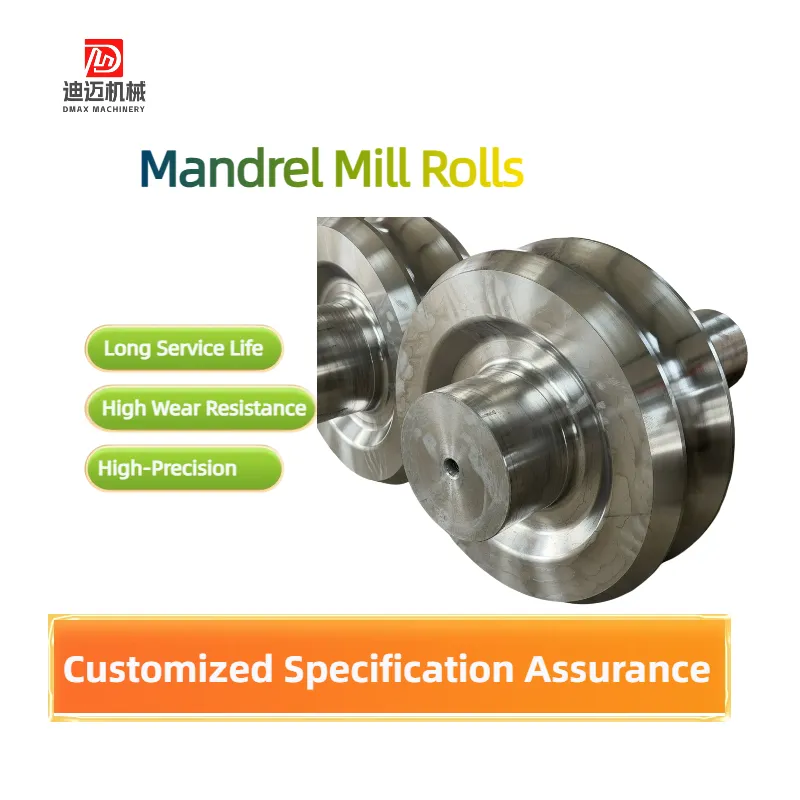
Forming tools, engineered roller dies, and precision profile tooling sets are the heart of cold roll forming machinery, responsible for progressively transforming flat metal coils into intricate, highly accurate cross-sectional profiles. Precision CNC machined from high-grade alloy tool steels such as Cr12MoV, AISI D2, and DC53, followed by vacuum heat treatment and hard chrome plating, our forming tools deliver superior wear resistance, extreme surface hardness, and minimal friction. Engineered with state-of-the-art COPRA FEA roll design software, our tooling guarantees exact profile tolerances and flawless surface finishes across demanding high-tensile steel, aluminum, and prepainted strip applications.
Filters
About Precision Roll Forming Tooling & Roller Dies
In cold roll forming engineering, the geometry, metallurgy, and surface integrity of the forming tools directly govern product dimensional stability, line operational speed, and roller longevity. Each roller station in a roll forming line must impart a precise angle of incremental deformation to avoid edge wave, flare, wrinkling, or unwanted strip thinning.
Our forming tooling manufacturing process begins with advanced finite element flower pattern simulation using German COPRA software to analyze strain distributions across each station. Tooling blanks are precision turned on 5-axis CNC turning and grinding centers, followed by computer-controlled vacuum furnace heat treatment (attaining through-hardness of HRC 60–62 with deep cryogenic stabilization) to prevent distortion under heavy roll forming contact stresses.
Depending on material characteristics, roller working surfaces receive mirror-finish micro-polishing and hard chrome plating (0.05–0.08 mm thickness, HV 900–1000) or high-lubricity PVD/CVD coatings (such as TiCN or DLC) to eliminate zinc pick-up, galling, and paint scuffing when forming galvanized, prepainted, or stainless steel coils. Standard tooling configurations span roofing sheets, C/Z purlins, highway guardrails, cable trays, structural tubes, and complex automotive chassis profiles.
Applications
High-Tensile Structural C/Z Purlin Precision Forming Roller Sets
Heavy-duty modular D2 alloy roller sets installed on quick-change purlin mills to roll form high-yield structural C and Z purlins up to 3.5 mm steel gauge. Applications: Structural steel fabrication plants, purlin roll forming service centers, and commercial building frame lines. Features: Modular spacer sleeve system, extreme through-hardness HRC 62, and precision corner radius control preventing flange flare.
Architectural Standing Seam & Corrugated Sheet Chrome-Plated Rolls
Mirror-polished hard chrome plated roller tooling sets designed for continuous forming of prepainted and Galvalume architectural roofing panels. Applications: Metal roofing manufacturing facilities, residential standing seam lines, and wall cladding roll formers. Features: Mirror Ra 0.2 µm micro-finish, zero paint film peeling or micro-scuffing, and long-term zinc pickup prevention.
Heavy-Duty Highway Guardrail W-Beam & Thrie-Beam Forming Tooling
High-impact DC53 and Cr12MoV roller sets forming 3.0 mm and 4.0 mm galvanized steel crash barrier beams across 14 to 18 roll stations. Applications: Road safety barrier manufacturing lines, highway infrastructure fabricators, and municipal crash fence lines. Features: Extreme resistance to abrasive galvanized scale wear, high torque keyway transmission, and massive roller section stiffness.
High-Frequency Induction Welded Tube Mill Breakdown & Fin-Pass Rolls
Precision breakdown, fin-pass, and sizing roll tooling sets for high-frequency induction tube welding lines producing round, square, and rectangular pipes. Applications: Structural pipe manufacturing mills, furniture tube production lines, and automotive exhaust tube factories. Features: Tungsten carbide squeeze roll inserts, exceptional thermal shock stability, and precise tube seam closure.
Solar PV Photovoltaic Unistrut Channel Precision CNC Roller Dies
Precision multi-pass roller dies forming serrated return-lip strut channels and solar racking ground-mount profiles with high dimensional repeatability. Applications: Solar racking bracket production facilities, electrical support strut roll formers, and industrial cable ladder plants. Features: In-line serration tooth forming dies, strict slot-width retention within ±0.15 mm, and high-speed forming endurance.
Technical Overview
| Parameter | Information |
|---|---|
| Tool Steel Material Options | Cr12MoV / AISI D2 / DC53 / GCr15 / H13 / Tungsten Carbide inserts |
| Heat Treatment Process | Computerized vacuum quenching + dual high-temperature tempering + sub-zero cryogenic treatment |
| Roller Surface Hardness | HRC 60 – 62 (Core and through-hardness tested via Rockwell C) |
| Surface Treatment & Plating | Hard Chrome Plating (thickness 0.05–0.08 mm, hardness HV 950–1050) / Optional TiCN PVD |
| Contour Machining Precision | CNC profile accuracy ±0.01 mm, surface micro-roughness Ra ≤ 0.4 µm mirror finish |
| Shaft Bore Tolerance | ISO H7 tolerance with precision CNC broached keyways (DIN 6885/1) |
| Simulation & Design Software | German data M COPRA RollForm FEA flower pattern simulation |
| Compatible Machine Shafts | Diameters from Ø35 mm up to Ø150 mm for light to heavy structural mills |
| Tooling Lifespan | 20,000,000 – 30,000,000 linear meters of continuous production |
| Marking & Identification | Permanent fiber laser etching showing station code, roll pass, and part ID |
Related Solutions
C-Purlin Production Line for Roof Systems
Complete cold roll forming solution for C-section purlins used in metal building…
Z-Purlin Roll Forming Solution
Dedicated Z-purlin line for overlapping roof purlin applications. Lap joint desi…
Highway W-Beam Guardrail Roll Forming Line
Full line for W-beam guardrail (thrie-beam optional). In-line punching, galvaniz…
Roof Panel and Wall Panel Combined Line
Combined line for standing seam roof and wall panels. Quick tooling change betwe…
Custom Profile Roll Forming for OEM
Flexible roll forming line for custom cross-sections. Suitable for OEMs who need…
C & Z Purlin Combined Production Line
One line produces both C and Z purlins with quick tooling change. Ideal for meta…
Related Information

Digital Twin and Simulation in Roll Forming Tooling Design
Before a single roller is cut, the whole process can be simulated. How digital t…
Read More
Roll Forming Tooling Wear Life & Steel Grades: Cr12MoV vs D2 vs GCr15 Comparison
roll forming tooling wear life steel grades cr12mov d2 gcr15
Read More
Precision Tooling: Advanced Die Design for Complex Profiles
By Wang Yongjie, Production Manager at ZTRFM | Last Updated: September 15, 2026…
Read More
Roll Forming Tooling Design: Material, Coating & Lifespan
Roller material choices (Cr12MoV vs D2 vs SKD11), surface coatings, flower patte…
Read More
Roll Forming Roller Materials: D2 vs DC53 and Heat Treatment Guide
D2, DC53, Cr12MoV — which roller material is right for your roll forming line? H…
Read More
FAQ
What tool steel grades are used for roll forming roller dies?
Standard grades include Cr12MoV (AISI D2 equivalent) for general steel forming, DC53 for high-toughness heavy purlin dies, GCr15 (AISI 52100) for light-duty roofing profiles, and H13 or carbide for high-wear induction tube welding applications.
How does COPRA FEA flower pattern simulation improve tooling performance?
COPRA FEA simulates the continuous deformation strain on the steel strip at each station, identifying potential excessive stretching, twisting, and thinning before machining, ensuring first-trial profile perfection without on-site grinding modifications.
Why is hard chrome plating or PVD coating applied to forming rollers?
Hard chrome plating (0.05–0.08 mm thickness, hardness > HV 950) provides extreme wear resistance, reduces friction, and prevents zinc particles from galvanized coils or paint from prepainted coils from galling onto roller surfaces.
What is the expected operating life of Cr12MoV forming tooling?
Under proper coolant lubrication and maintenance, our vacuum heat-treated Cr12MoV/D2 roller tooling typically achieves a production lifespan of 20 to 30 million linear meters before requiring re-polishing or refurbishment.
Can customized tooling be engineered for existing third-party roll forming machines?
Yes, we design custom replacement roller sets adapted to any machine shaft diameter, center-to-center distance, horizontal spacing, and drive keyway configuration based on your machine drawings or field measurements.
What tolerances are held on CNC machined roller profiles?
Our 5-axis CNC grinding centers maintain roller contour accuracy within ±0.01 mm, bore diameter tolerances within ISO H7, and concentricity within 0.015 mm, eliminating roller wobble and shaft runout.
How are tooling sets packaged and labeled for international delivery?
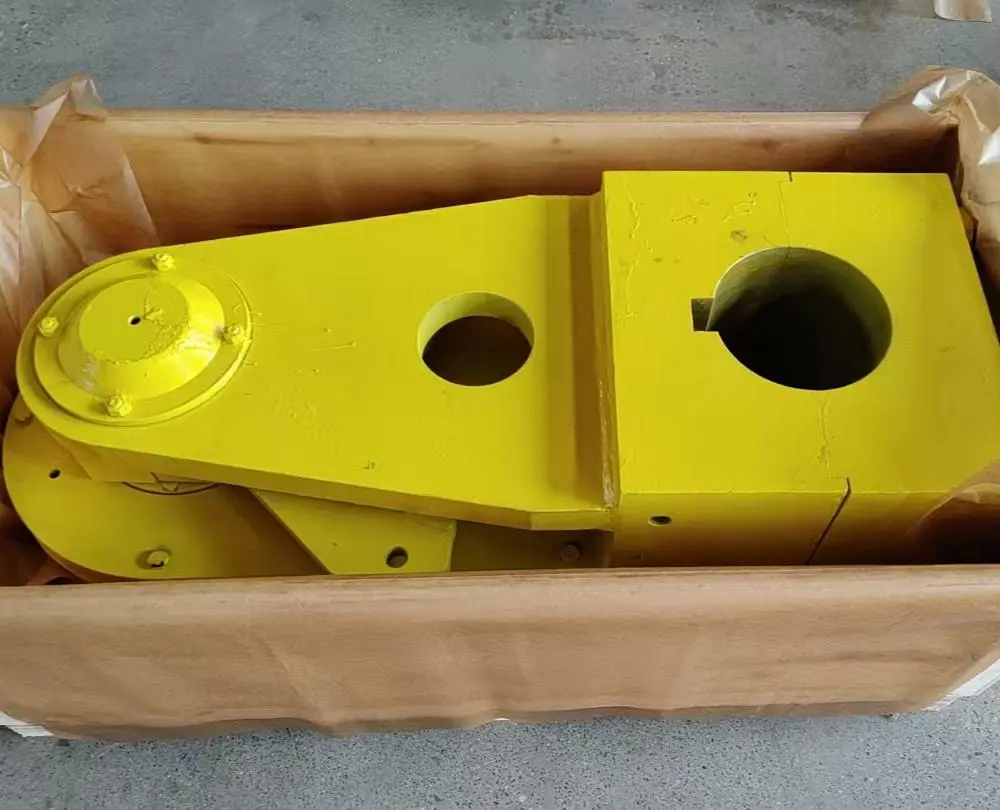
Each roller is laser-marked with station number, upper/lower designation, and pass order, coated with heavy rust-preventive grease, wrapped in VCI protective foil, and packed in reinforced export wooden crates.