
- Tuo AI

- Live

- My Account
- Shopping Cart
- Inquiry Basket
- Contact Us
- Back to Top




Cold Rolled Steel Coil & Processing Solutions
Cold rolled steel coil (CR coil) is an essential industrial raw material manufactured by cold-reducing hot-rolled pickled strip below recrystallization temperature, followed by annealing and temper rolling. Offering superior surface smoothness, precise thickness tolerances, high yield strength, and excellent formability, cold rolled coils provide the ideal substrate for precision roll forming, metal stamping, automotive components, and electrical appliances. Available in commercial, drawing, and structural steel grades, our cold rolled coils ensure consistent cross-sectional accuracy and uniform mechanical properties across high-speed continuous production lines.
Filters
 SPCC Cold Rolled Stainless Steel Strip Coil JIS/BIS Certified DOS Oiled Surface Customizable Length Annealed Black Annealed
- Tianjin, China+Is Alloy+8 ~ 14 days+SPCC+Slightly Oiled
$450.00
MOQ: 1
 Cold Rolled Galvanized Steel Coil (JIS/BIS Certified) High Strength Corrosion Resistance Annealed Bending Cutting Custom Length
- Tianjin, China+Is Alloy+8 ~ 14 days+SPCC+Slightly Oiled
$450.00
MOQ: 1
 High-quality Cold Rolled Alloy Steel Coil SPCC Grade ASTM A1008 JIS/BIS Certified Black Annealed 0.3-4mm Thickness for Cutting
- Tianjin, China+Is Alloy+8 ~ 14 days+SPCC+Slightly Oiled
$450.00
MOQ: 1
 Mid Hard Cold Rolled SPCC Alloy Steel Coil BIS/JIS/CE/ISO 9001 Certified High-quality DOS Oiled Customizable Length for Cutting
- Tianjin, China+Is Alloy+8 ~ 14 days+SPCC+Slightly Oiled
$450.00
MOQ: 1
 Low Carbon DC03 SPCC Annealed Cold Rolled Alloy Steel Coil Certified by BIS JIS with Black Annealed Cutting & Bending Services
- Tianjin, China+Is Alloy+8 ~ 14 days+SPCC+Slightly Oiled
$450.00
MOQ: 1
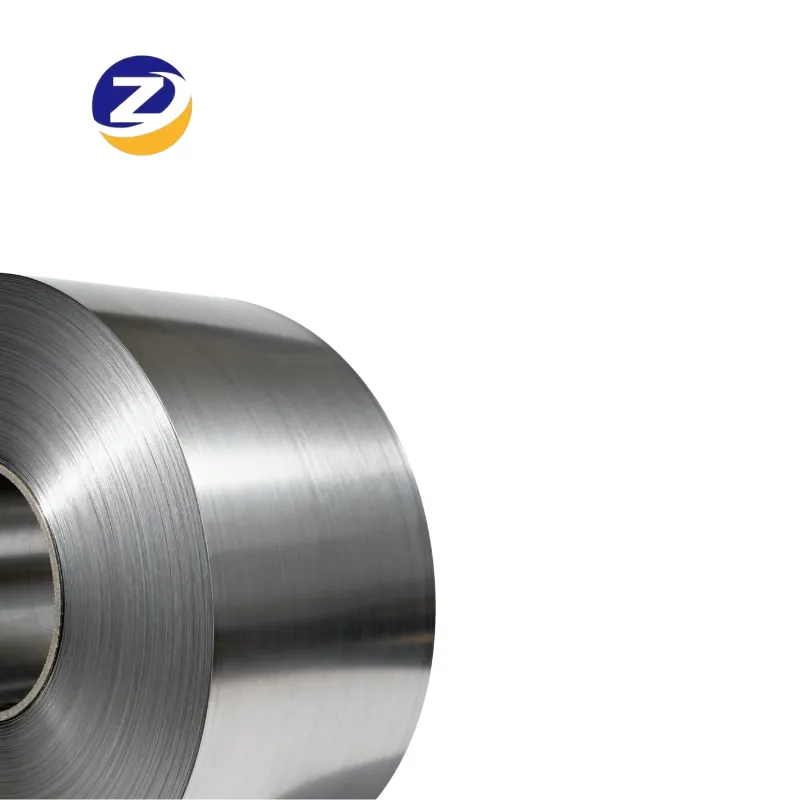 Cold Rolled Coil DC04 Alloy Steel DOS Oiled Surface SPCC Grade Mid Hard JIS/BIS/ASTM Certified Customizable Annealed Cutting
- Tianjin, China+Is Alloy+8 ~ 14 days+SPCC+Slightly Oiled
$450.00
MOQ: 1
 SPCC Grade 1.0mm Cold Rolled Alloy Steel Coil ISO 9001/CE/JIS/BIS Certified Annealed Black Annealed Cutting Bending Available
- Tianjin, China+Is Alloy+8 ~ 14 days+SPCC+Slightly Oiled
$450.00
MOQ: 1
 Cold Rolled Coil Alloy Steel for Precision Machinery Parts BIS/JIS Certified Annealed Cutting Bending SPCC Grade High-quality
- Tianjin, China+Is Alloy+8 ~ 14 days+SPCC+Slightly Oiled
$450.00
MOQ: 1
 Cold Rolled DC06 Steel Coil Soft Hardness for Automotive Parts
- Tianjin, China+Is Alloy+8 ~ 14 days+SPCC+Slightly Oiled
$450.00
MOQ: 1
 Cold Rolled Alloy Steel Coil (EG CRS) High-quality DOS Oiled Customizable Length JIS/BIS/ISO 9001 Certified SPCC Grade Cutting
- Tianjin, China+Is Alloy+8 ~ 14 days+SPCC+Slightly Oiled
$450.00
MOQ: 1
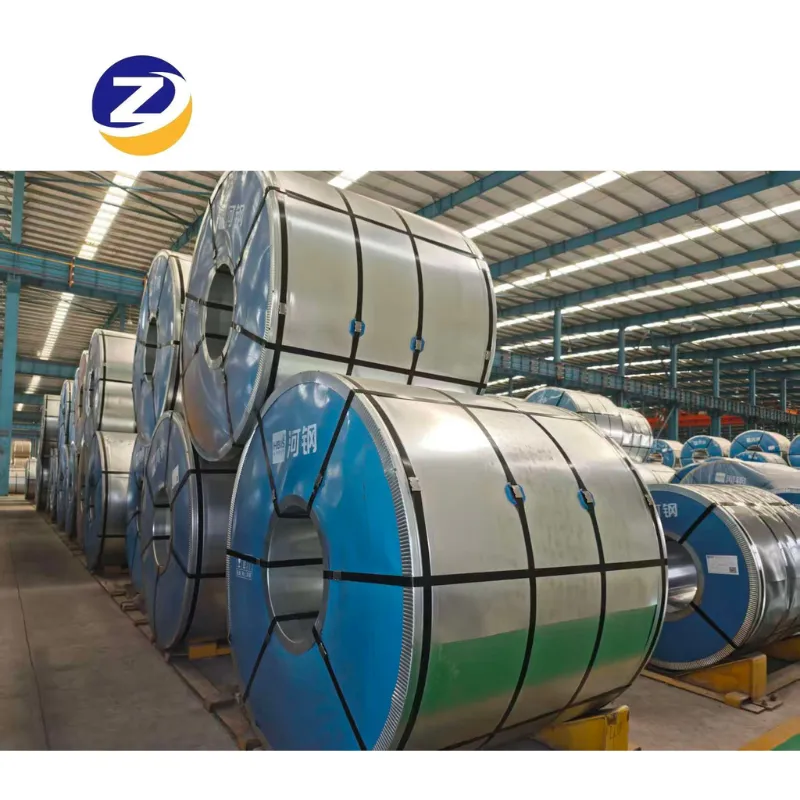 A1008 0.3-4mm SPCC Cold Rolled Coil for Metal Fabrication ASTM & ANSI Certified JIS/BIS Annealed & Bending Services
- Tianjin, China+Is Alloy+8 ~ 14 days+SPCC+Slightly Oiled
$450.00
MOQ: 1
 Cold Rolled Steel Coil St37 1.2mm BIS Certified Black Annealed Cutting & Bending Seaworthy Packed
- Tianjin, China+Is Alloy+8 ~ 14 days+SPCC+Slightly Oiled
$450.00
MOQ: 1
 Excellent Non-Alloy Low-Carbon Steel Coil JIS Certified Hot Cold Rolled Superior Deep Drawing Performance Pickling SPHC Oil
- Tianjin, China+Non-Alloy+8 ~ 14 days+Metallurgical Hengtai+Industrial Use
$600.00
MOQ: 1
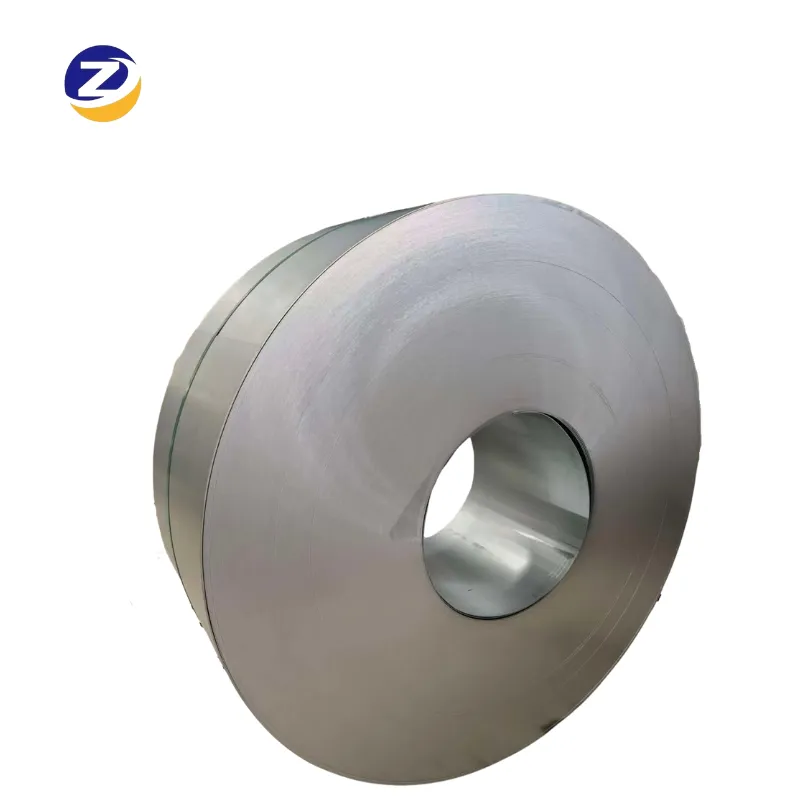 Cold Rolled Coil 0.3-6mm Alloy Steel BIS/ASTM/JIS Certified SPCC Grade Black Annealed for Precision Stamping Bending Cutting
- Tianjin, China+Is Alloy+8 ~ 14 days+SPCC+Slightly Oiled
$450.00
MOQ: 1
 Cold Rolled Coil SPCC Grade JIS/BIS Certified High-quality Black Annealed Bending Cutting Processing Customizable Length
- Tianjin, China+Is Alloy+8 ~ 14 days+SPCC+Slightly Oiled
$450.00
MOQ: 1
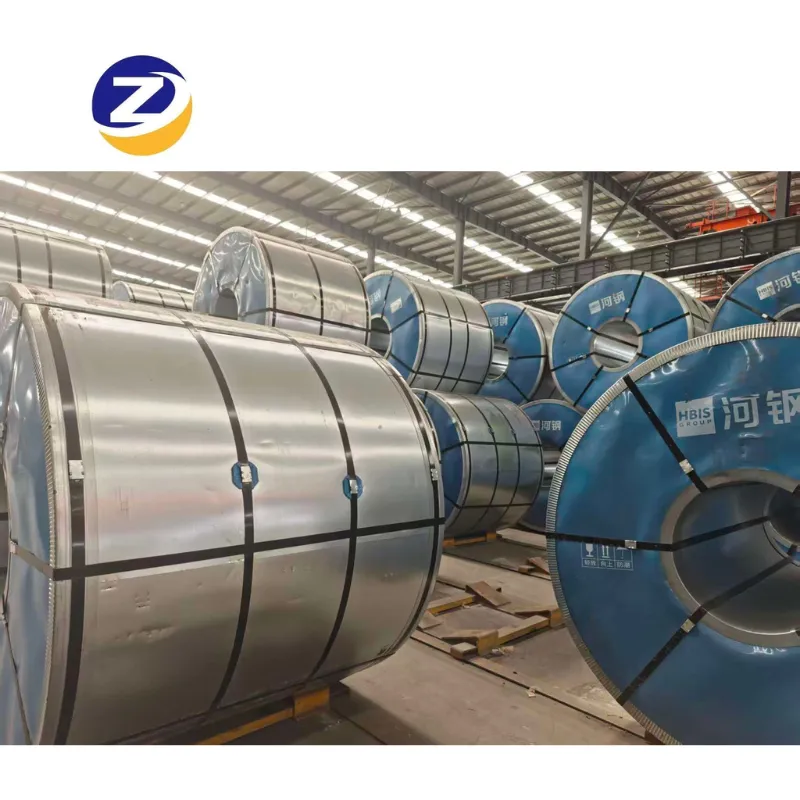 JIS G3141 BIS Certified High-quality SPCC Cold Rolled Coil DOS Oiled Surface Alloy Steel Cutting Black Annealed Bending
- Tianjin, China+Is Alloy+8 ~ 14 days+SPCC+Slightly Oiled
$450.00
MOQ: 1
 Galvanized Steel Coil 0.3-6mm BIS/JIS/CE/ISO 9001 Certified Cold Rolled SPCC Grade Black Annealed Bending Cutting High-quality
- Tianjin, China+Is Alloy+8 ~ 14 days+SPCC+Slightly Oiled
$450.00
MOQ: 1
 High Quality SPHC Non-Alloy Steel Coil Hot Rolled 1-7mm Thickness Competitive Price for ASTM JIS AISI
- Tianjin, China+Non-Alloy+8 ~ 14 days+Metallurgical Hengtai+Industrial Use
$600.00
MOQ: 1
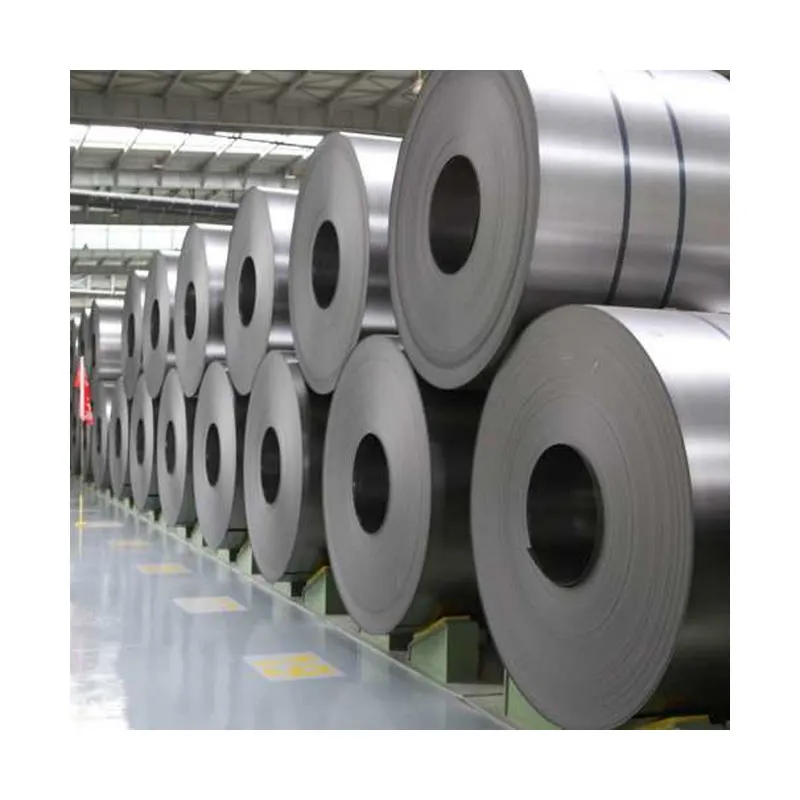 High Strength CR4 DC04 SPFC590 1.2mm 1500mm Automotive Chassis Cold Rolled Steel Coil
- Shandong, China+Non-Alloy+15-21 days+spcc ,DC01,DC03,DC04,DC06+Non-oiled
$360.00
MOQ: 25
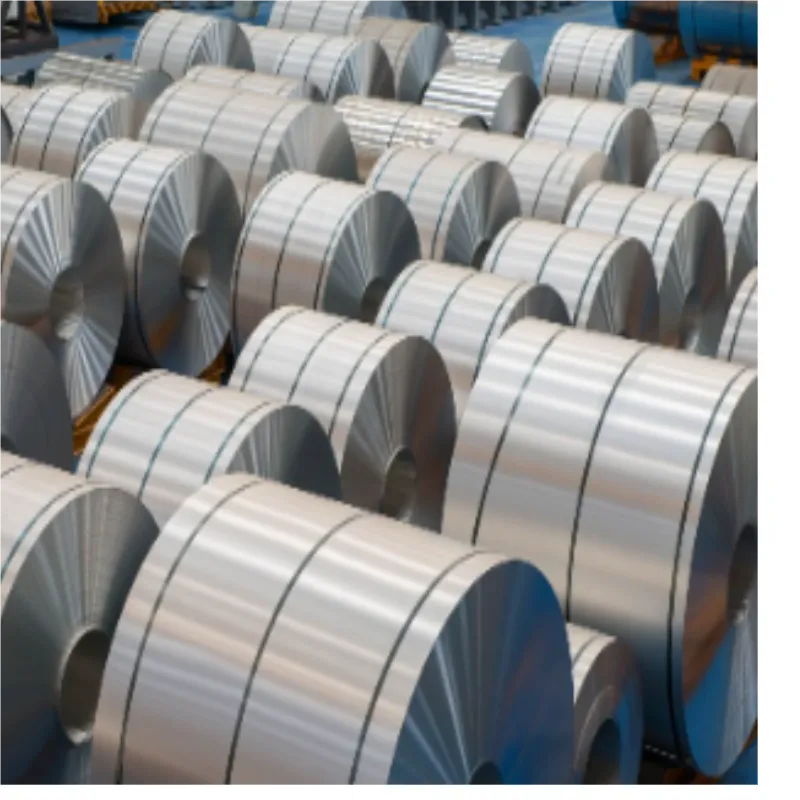 Electrolytic Tinplate MR T1 T2 0.15-0.40mm 700-1000mm Cold Rolled Steel Coil for Food Packaging
- Shandong, China+Non-Alloy+15-21 days+spcc ,DC01,DC03,DC04,DC06+Non-oiled
$600.00
MOQ: 25
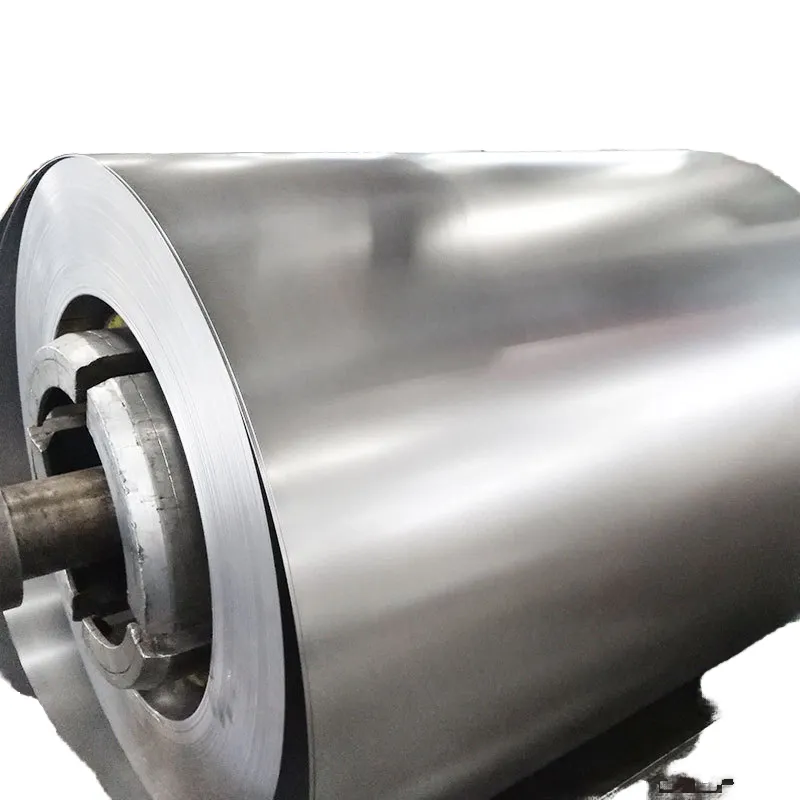 Cold Rolled Galvanized Sheets Galvanized Mild Steel Plate Size
- Shandong, China+Non-Alloy+15-21 days+Yes+Oulan
$476.00
MOQ: 25
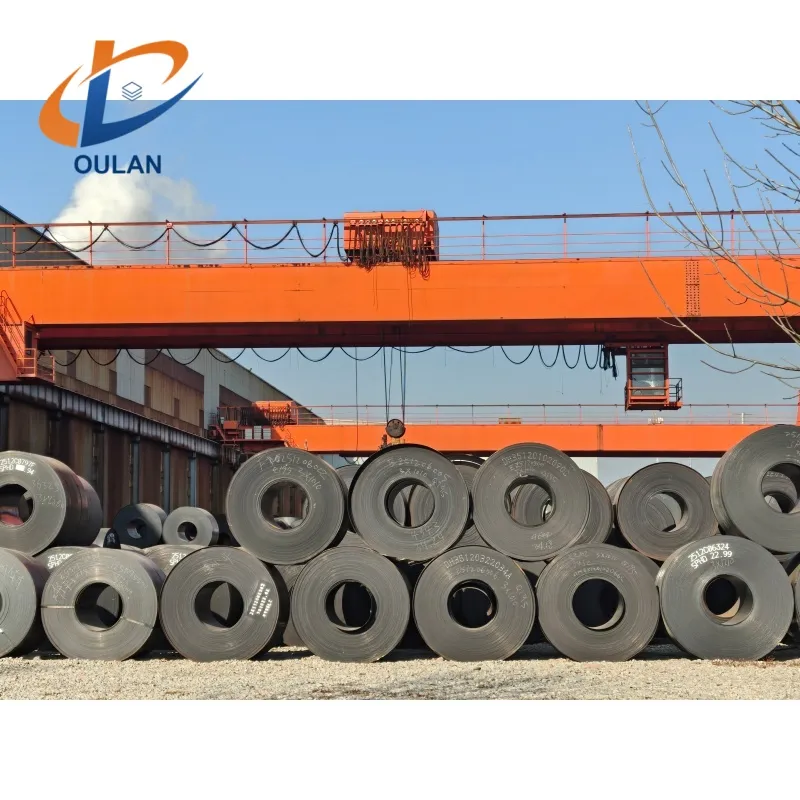 Hot Rolled Coils and Plates ASTM A572 Gr50 SM490A for Building Frame and Bridge Project
- as client's requirements+940-2000MM
$469.20
MOQ: 25
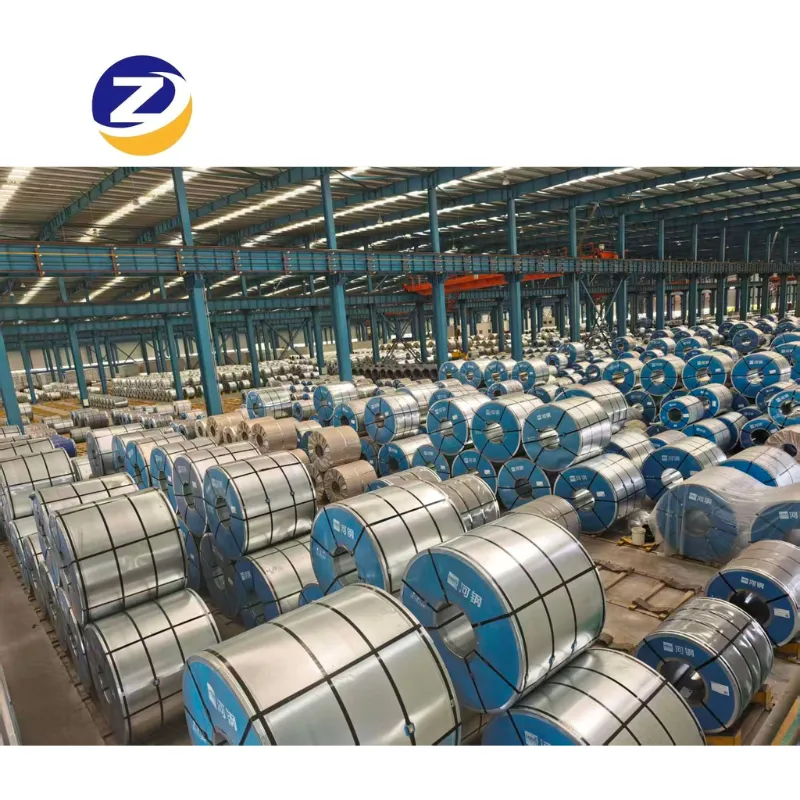 DC01/SPCC Cold Rolled Alloy Steel Coil JIS Certified Pipeline Construction ASTM Container Ship Boiler Plate Cutting Bending
- Tianjin, China+Is Alloy+8 ~ 14 days+SPCC+Slightly Oiled
$450.00
MOQ: 1
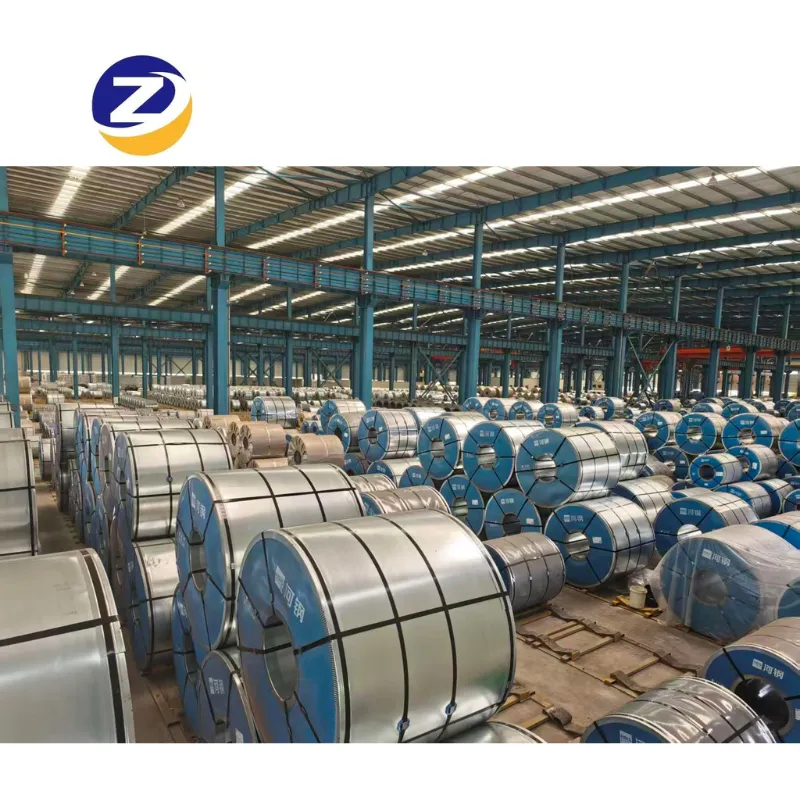 Factory Direct Supply SPCC Alloy Cold Rolled Coil 0.8-1.5mm JIS/BIS Certified High-quality Mid Hard Cutting Annealing Bending
- Tianjin, China+Is Alloy+8 ~ 14 days+SPCC+Slightly Oiled
$450.00
MOQ: 1
 Cold Rolled SPCC Alloy CS Type B Coil ISO 9001 CE JIS BIS Certificates 0.3-4mm Width Steel Black Annealed Bending Cutting
- Tianjin, China+Is Alloy+8 ~ 14 days+SPCC+Slightly Oiled
$450.00
MOQ: 1
 Industrial Appliances SPCC 0.3-4mm Cold Rolled Coil Annealing Black Annealing Bending BIS/JIS Certified Cutting
- Tianjin, China+Is Alloy+8 ~ 14 days+SPCC+Slightly Oiled
$450.00
MOQ: 1
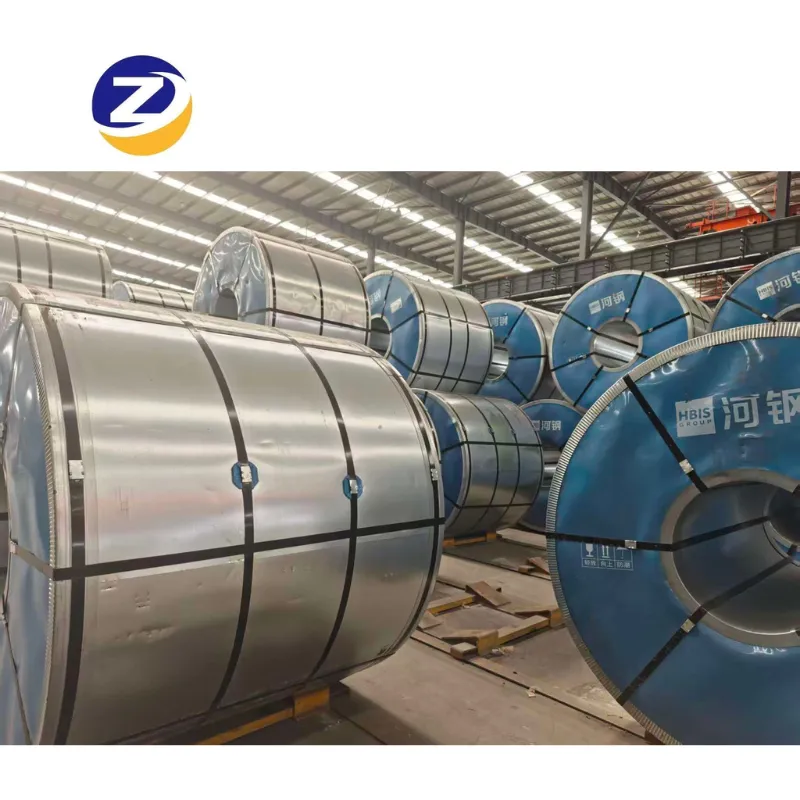 Bright Annealed Cold Rolled Coil SPCC No.4 Finish BIS/JIS Certified Black Annealed Cutting Bending Ready Alloy Mid Hard 0.3-4mm
- Tianjin, China+Is Alloy+8 ~ 14 days+SPCC+Slightly Oiled
$450.00
MOQ: 1
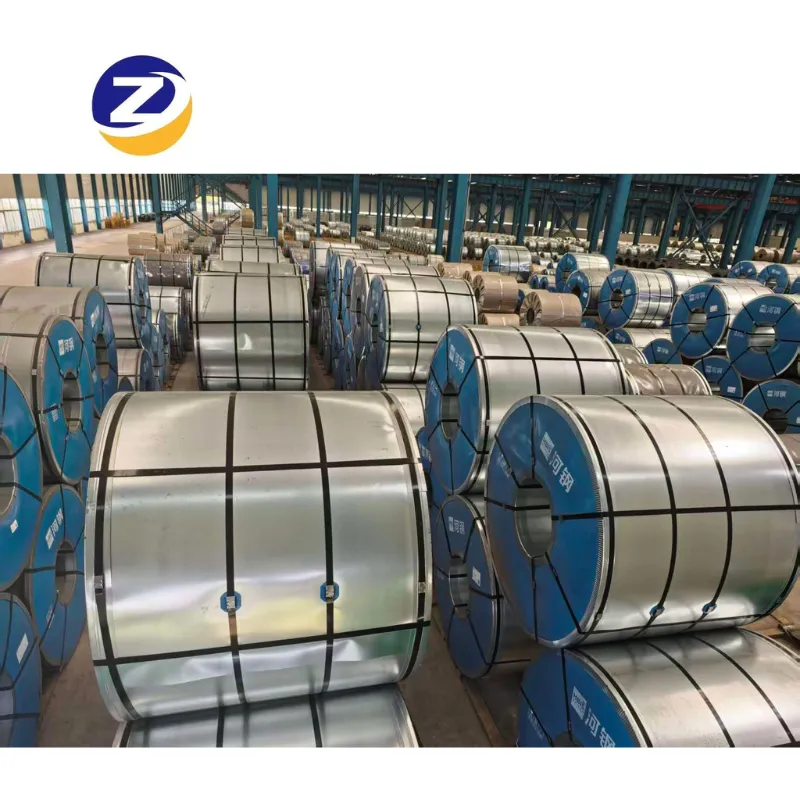
About Cold Rolled Steel Coil & Processing Solutions
Cold rolled steel coils (CR coils) represent the benchmark of dimensional accuracy and aesthetic surface finish in flat steel manufacturing. Produced through advanced multi-stand tandem cold reduction mills, the steel strip undergoes significant plastic deformation that refines grain structure and imparts tight gauge tolerances typically within ±0.015 mm.
Following cold reduction, the coils undergo batch annealing or continuous annealing (CA) in a protective hydrogen-nitrogen atmosphere to restore ductility and relieve internal crystal stresses. A subsequent skin-pass temper mill run eliminates stretcher strain fluting, optimizes surface roughness (yielding matte, bright, or commercial finishes), and enhances strip flatness with zero camber or coil curvature.
In roll forming and metal forming applications, cold rolled steel delivers exceptional bendability and consistent springback behavior, critical for manufacturing tight-radius structural sections, architectural wall cassettes, and automotive reinforcements. Our coils conform strictly to international specifications including EN 10130 (DC01, DC03, DC04), ASTM A1008 (CS Type B, DS, DDS), and JIS G3141 (SPCC, SPCD, SPCE). Available slit strips and master coils are supplied with customized light electrostatic rust-preventive oiling or dry passivated finishes, wrapped in heavy-duty multi-layer waterproof vapor-barrier packaging for long-distance maritime export.
Applications
Automotive Body-in-White Panels & Precision Deep-Drawn Stampings
High-ductility DC04 and SPCE cold rolled steel coils fed into progressive stamping presses to manufacture vehicle body shells, door inner panels, and chassis structural brackets. Applications: Automotive Tier-1 stamping plants, vehicle sub-assembly lines, and precision press stamping cells. Features: Superior deep-drawing elongation (A80 ≥ 38%), zero fluting or stretcher strain marks, and consistent gauge uniformity across coil length.
High-Strength Cold-Formed C & Z Structural Purlins
Full-hard or annealed cold rolled steel slit coils continuously fed into roll forming lines to fabricate structural purlins and wall girts with tight dimensional cross-sections. Applications: Commercial pre-engineered steel buildings, industrial warehouse frames, and modular construction assemblies. Features: Controlled springback behavior, high yield strength up to 345 MPa, and clean punched bolt-hole edge retention.
Precision Electrical Control Cabinets & Server Racks
Smooth-surface SPCC cold rolled steel sheets CNC punched, press-brake folded, and robotic welded into industrial electrical distribution enclosures and data center racks. Applications: High-voltage switchgear cabinets, data center server enclosures, and telecom equipment housings. Features: Flawless surface finish optimized for automated electrostatic powder coating and high bend corner sharpness.
High-Speed Service Center Slitting & Custom Narrow Strip Recoiling
Master cold rolled coils sheared and slit into narrow custom-width coils on precision rotary slitting lines for downstream automated stamping and roll forming lines. Applications: Coil distribution service centers, continuous roll forming workshops, and tube mill stamping feeders. Features: Burr-free sheared edges, strict width tolerances within ±0.1 mm, and tight uniform coil winding tension.
Home Appliance Casings, Refrigerator Panels & Drum Liners
Extra-deep-drawing quality cold rolled strip fabricated into washing machine side panels, refrigerator exterior doors, microwave housings, and dryer drums. Applications: White goods manufacturing facilities, domestic appliance factories, and precision metal box forming lines. Features: High surface flatness (zero oil-canning), excellent porcelain enameling or paint adhesion, and dent-resistant durability.
Technical Overview
| Parameter | Information |
|---|---|
| Standard Specifications | EN 10130 / ASTM A1008 / JIS G3141 / GB/T 5213 |
| Standard Steel Grades | SPCC, SPCD, SPCE / DC01, DC03, DC04 / CS Type B, DS Type B |
| Thickness Range | 0.20 mm – 3.00 mm (Tolerance ±0.015 mm to ±0.03 mm) |
| Coil Width Range | 600 mm – 1500 mm (Slit strips available from 20 mm to 600 mm) |
| Coil Inner Diameter (ID) | 508 mm (20 in) or 610 mm (24 in) |
| Coil Weight | 3.0 – 15.0 metric tons per coil (or slit baby coils 500 kg – 3000 kg) |
| Surface Finish & Roughness | Matte Finish (Ra 0.6–1.9 µm) / Bright Finish (Ra < 0.4 µm) |
| Surface Treatment & Oiling | Slightly oiled (300–800 mg/m²), moderately oiled, or unoiled with VCI |
| Mechanical Yield Strength | 140 – 280 MPa (Elongation ≥ 28% to ≥ 40% depending on grade) |
| Export Packaging | VCI anti-rust barrier paper, metal sheath wrapping, galvanized edge guards, steel strapping |
Related Solutions
C-Purlin Production Line for Roof Systems
Complete cold roll forming solution for C-section purlins used in metal building…
Z-Purlin Roll Forming Solution
Dedicated Z-purlin line for overlapping roof purlin applications. Lap joint desi…
Highway W-Beam Guardrail Roll Forming Line
Full line for W-beam guardrail (thrie-beam optional). In-line punching, galvaniz…
Custom Profile Roll Forming for OEM
Flexible roll forming line for custom cross-sections. Suitable for OEMs who need…
Bridge Railing and Pedestrian Guardrail System
Roll forming and fabrication solution for bridge and pedestrian railing posts an…
Metal Roofing & Wall Panel Roll Forming Solution
Trapezoidal / IBR, standing-seam, corrugated or glazed-tile roof and wall panel…
Related Information

Steel Coil for Roll Forming: Specifications, Grades & How to Choose
The complete guide to steel coil for roll forming — thickness ranges, width stan…
Read More
Material Selection for Cold Roll Forming: Steel, Aluminum, and Specialty Alloys
Selecting the right material is crucial for successful cold roll forming operati…
Read More
Decking Floor Roll Forming Machine: Steel Floor Deck Profiles and Applications
Steel floor decking profiles explained — closed rib vs open rib vs dovetail, emb…
Read More
Prepainted Steel Coil: PPGI vs PPGL vs AZ150 Coating Systems
PPGI vs PPGL vs AZ150 — coating composition, corrosion resistance, color durabil…
Read More
Cold Formed Steel vs Hot Rolled Steel: What Roll Forming Buyers Need to Know
Yield strength, ductility, surface finish, tolerances — a practical comparison o…
Read More
Steel Coil Slitting Line: How It Works and When You Need One
What does a coil slitting line do? Blade arrangement, speed, width tolerance, an…
Read More
FAQ
What is the primary difference between cold rolled (CR) and hot rolled (HR) steel coil?
Hot rolled steel is rolled at high temperatures above recrystallization (resulting in mill scale and looser tolerances), whereas cold rolled steel is processed at ambient temperatures after pickling, delivering tighter thickness tolerances (±0.015 mm), smooth mill-scale-free surfaces, and higher yield strength.
Which steel grades are standard for roll forming and precision stamping?
Standard grades include commercial quality SPCC / DC01 / ASTM A1008 CS Type B for general bending, and deep-drawing quality SPCD / SPCE / DC03 / DC04 for intricate roll forming profiles and deep-drawn metal stampings.
What surface finishes and roughness levels are available?
We supply standard Matte Finish (Ra 0.6–1.9 µm) ideal for paint adhesion and roll forming, Bright Finish (Ra < 0.4 µm) for decorative plating, and Rough Finish (Ra > 1.9 µm) for specialized friction applications.
How are cold rolled steel coils protected against corrosion during ocean transit?
Coils are coated with light or medium electrostatic rust-preventive oil (DOS/mineral oil) and wrapped in multi-layer VCI anti-rust paper, polyethylene woven plastic, steel inner/outer edge protectors, and circumferential steel straps on fumigated pallets.
Can coils be slit to custom narrow strip widths before shipment?
Yes, our processing lines provide precision slitting from 20 mm up to 1500 mm wide with tight width tolerances within ±0.1 mm, complete with deburred edges and custom inner diameters (508 mm or 610 mm).
What thickness and width range do you supply?
Standard thickness ranges from 0.20 mm to 3.00 mm, with master coil widths ranging from 600 mm to 1500 mm. Slit strips are tailored to exact customer production specifications.
What mill test certificates and compliance documentation accompany shipments?
Every coil delivery is accompanied by an EN 10204 Type 3.1 Mill Test Certificate (MTC) detailing complete chemical ladle analysis, yield strength, tensile strength, elongation percentage, and Erichsen cupping test values.