
- Tuo AI

- Live

- My Account
- Shopping Cart
- Inquiry Basket
- Contact Us
- Back to Top




Ridge Cap Roll Forming Machines
Ridge cap roll forming machines continuously produce cold-formed metal roof apex capping, hip flashings, and weather-tight gable trims for residential, commercial, and agricultural building envelopes. Engineered to process prepainted galvanized steel (PPGI), galvalume (GL), and aluminum coils (0.3 mm to 0.8 mm thick), these automated lines integrate decoiling, precision multi-station roll forming, hydraulic stepped pressing molds for decorative stepped profiles, and contoured cut-off shears. Designed to produce both angular V-ridge caps and semicircular barrel ridge caps, these machines ensure flawless water drainage and wind resistance. Explore verified machine specifications, tooling configurations, and factory-direct options below.
Filters
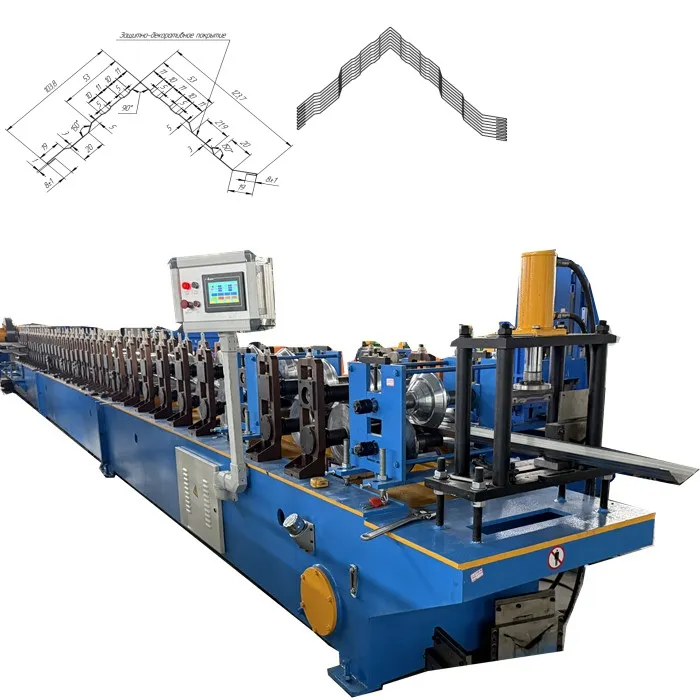 Width Adjustable Roof Cap Roof Ridge Making Machine Curved Roof
- Ridge Cap Roll Forming Machine+5.5KW+30 m/min
$10,000.00
MOQ: 1
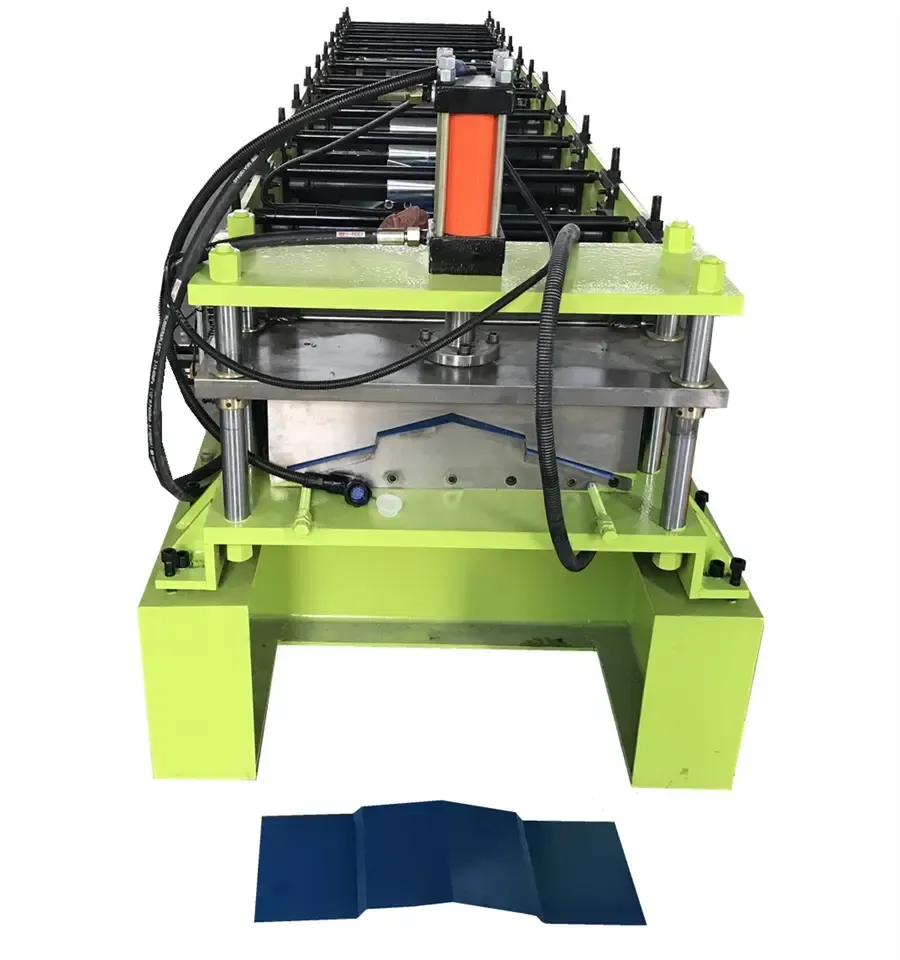 Curved Roof Ridge Tile Machine Core Components Metal Roof Cap
- 15 m/min+ZTRFM Ridge Cap Forming Machine+5.5kw
$16,000.00
MOQ: 1
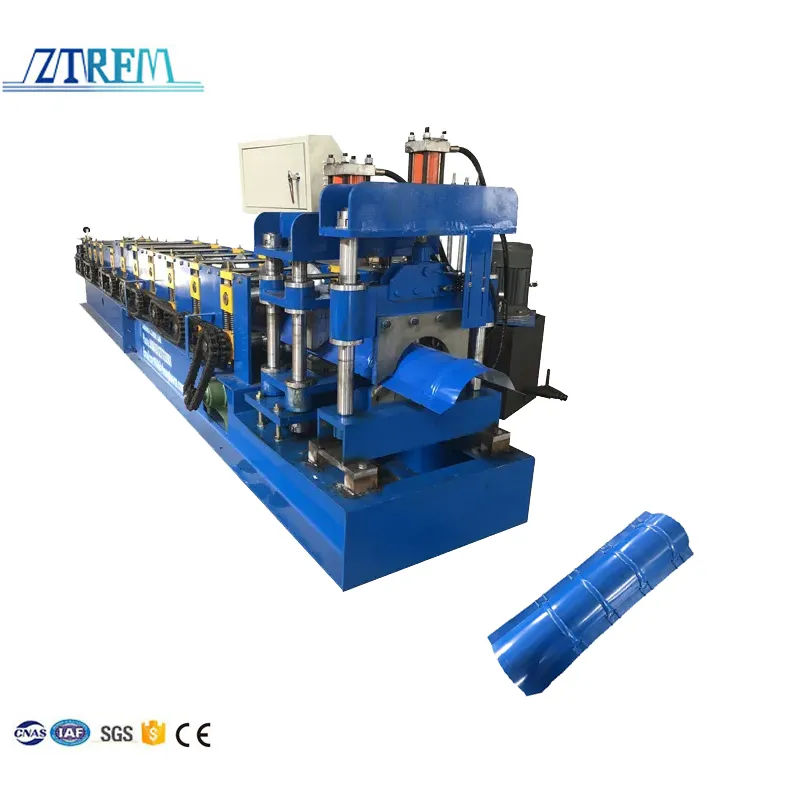 Metal Roof Ridge Cap Moulding Machine Roof Ridge Cap Bending
- 12m/min+7kw
$12,000.00
MOQ: 1
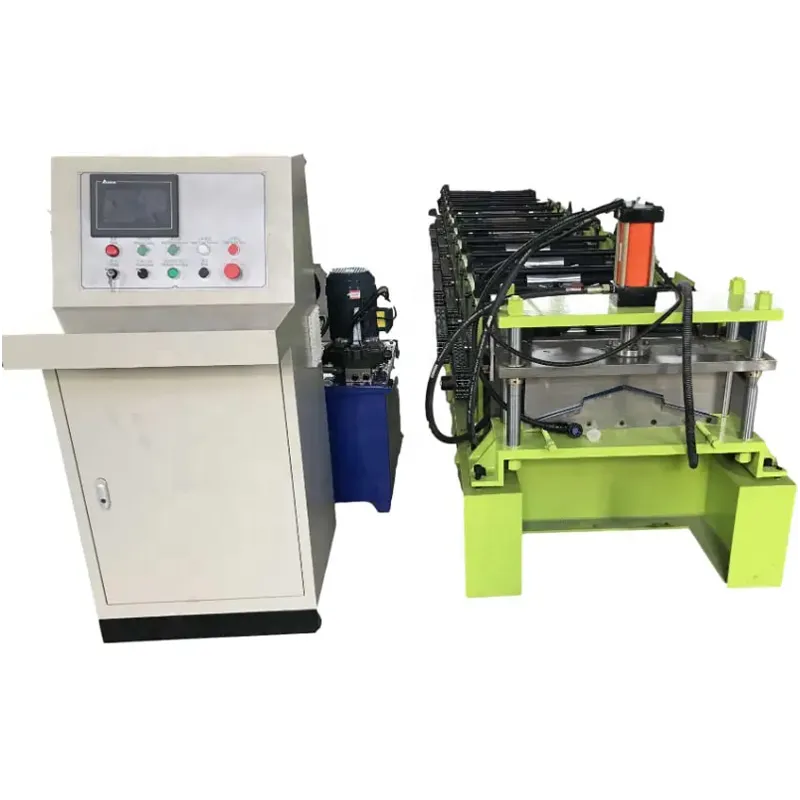 Ridge Cap Roll Forming Roof Ridge Cap Roll Forming Machine Ridge
- ZT-Cap+4+3kw
$12,000.00
MOQ: 1
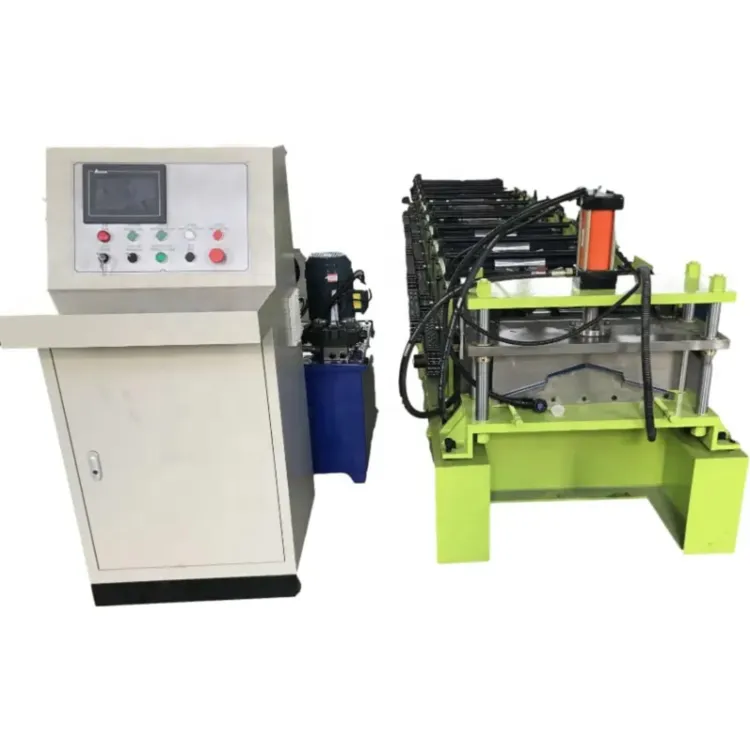 Metal Roof Ridge Cap Roll Forming Machine Ridge Cap Making Machine
- ZT-Cap+4+3kw
$12,200.00
MOQ: 1
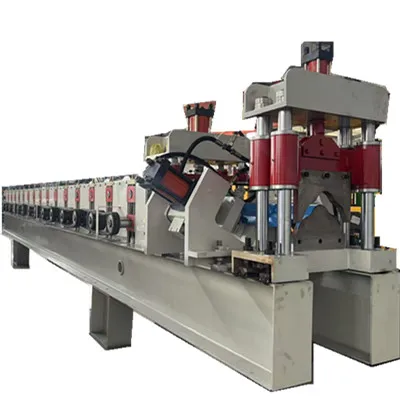 Steel Metal Roof Ridge Cap Roll Forming Machine Cutting Export
- 5-10/ min+zt950+1000mm
$1.00
MOQ: 1
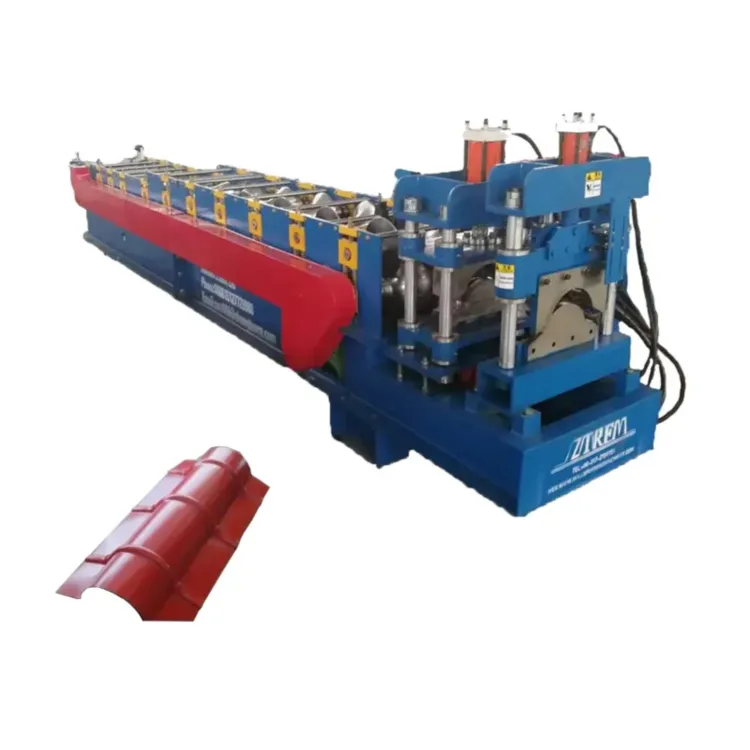 Metal Roof Ridge Cap Roll Forming Machine
- 7kw+5 m/min
$14,500.00
MOQ: 1
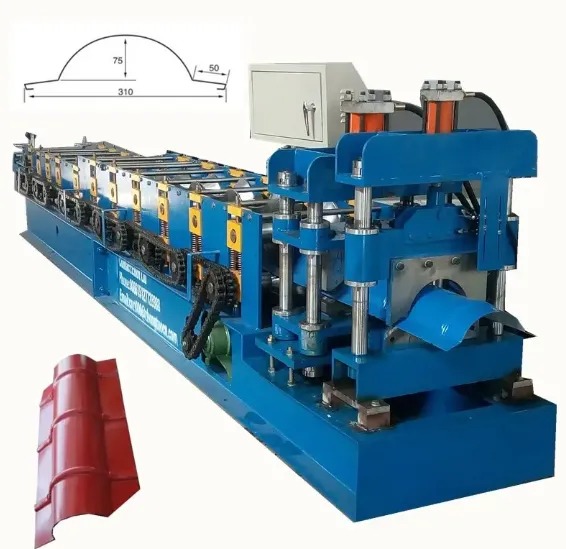 Ridge Cap Forming Machine 380V 1220mm Steel Metal Roof Tile
- Ridge Cap Roll Forming Machine+5.5KW+15 m/min
$7,600.00
MOQ: 1
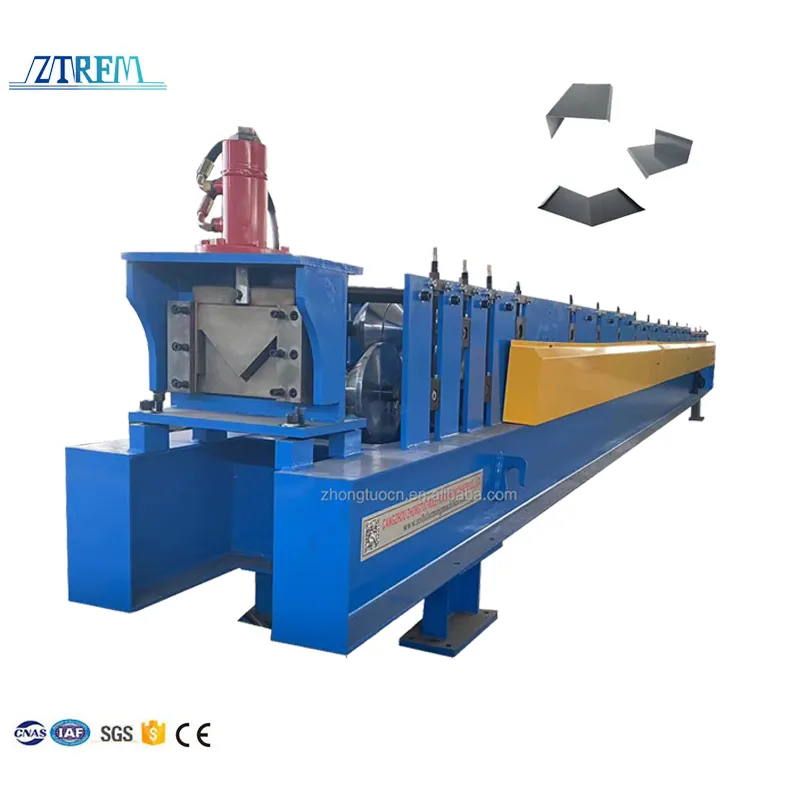 Roof Tile Accessories V L Shape Metal Corner Roll Forming Machine
- 1+5.5kw+15 m/min
$13,000.00
MOQ: 1
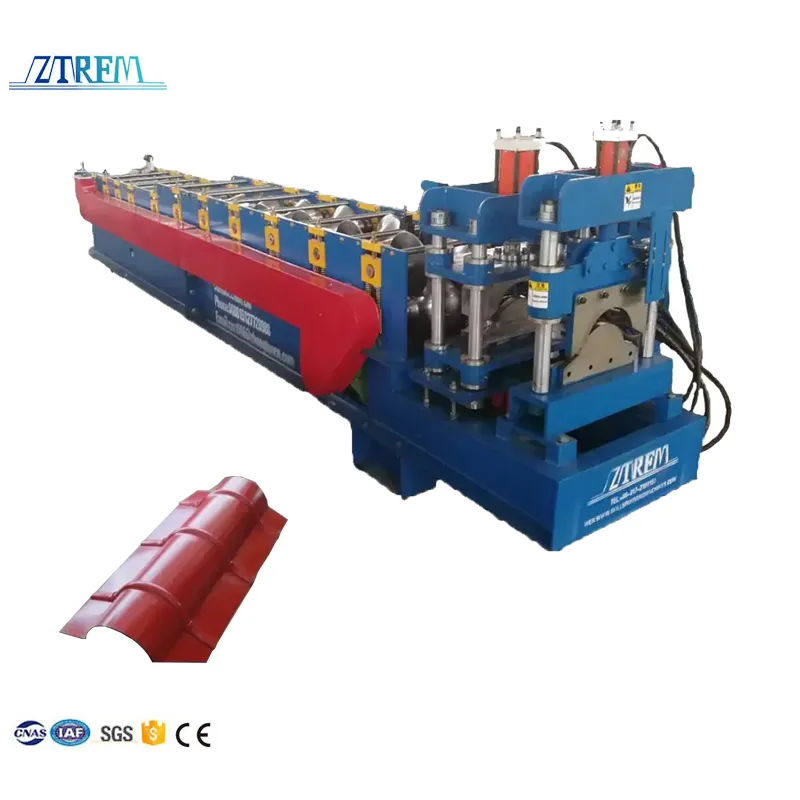 Metal Roof Ridge Roll Forming Machine Roof Panel Making Machine
- 7kw+20 M/Min
$14,500.00
MOQ: 1
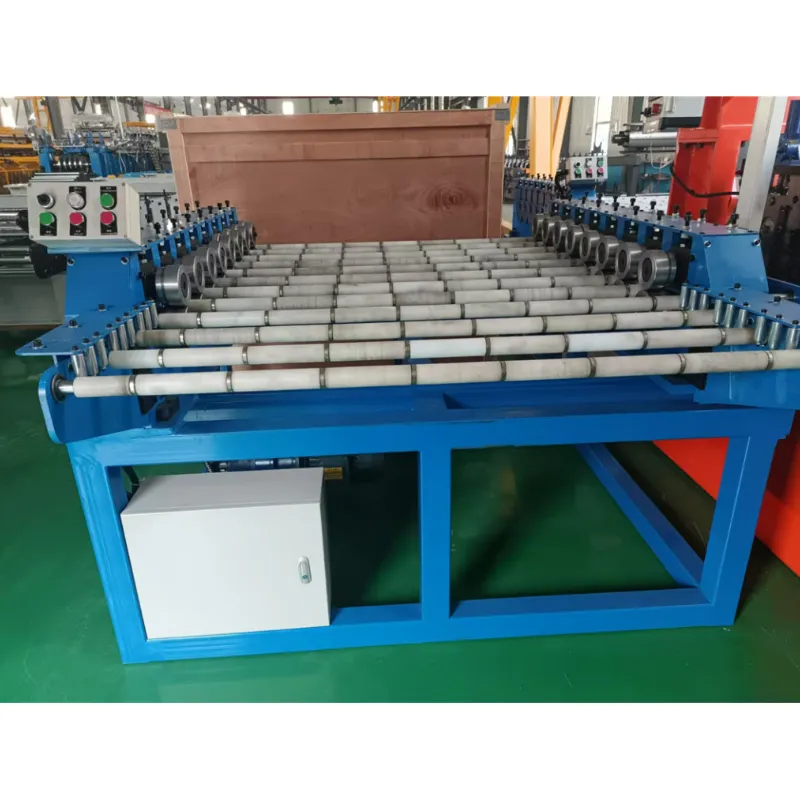 Metal Steel Bending Edge Machine Color Steel Semi Flanging
- 20 M/Min+1250+6kw
$8,000.00
MOQ: 1
 Galvanized Aluminum Ridge Cap Machine 288 Ridge Cap Forming Machine
- 0-15 m per minute+5.5kw
$16,000.00
MOQ: 1
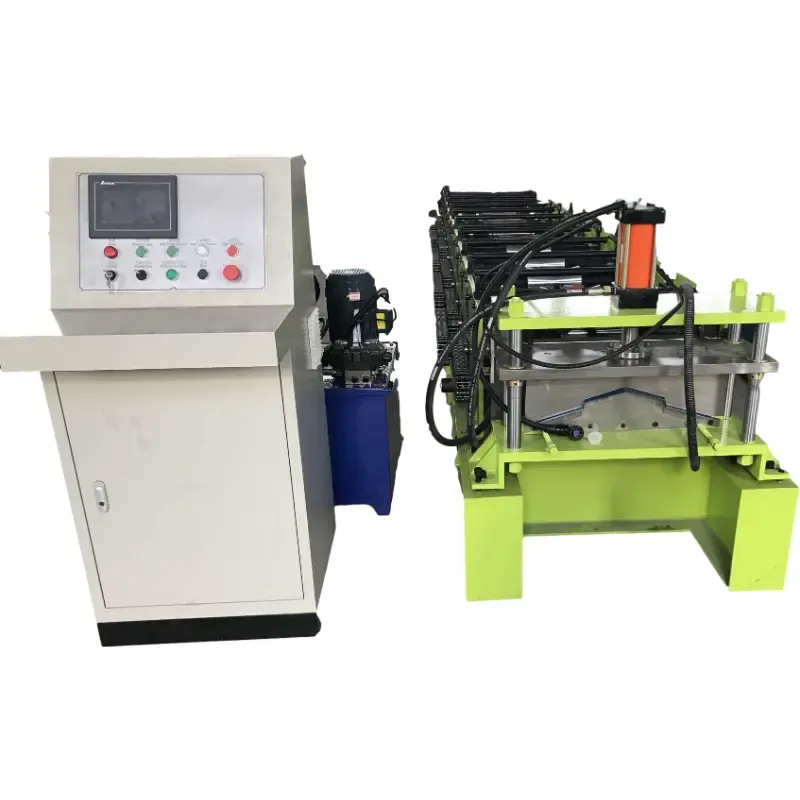 Steel Roof Panel Ridge Cap Roll Forming Machine Transmission
- ZTRFM Ridge Cap Roll Forming Machine+11kw+15 m/min
$25,000.00
MOQ: 1
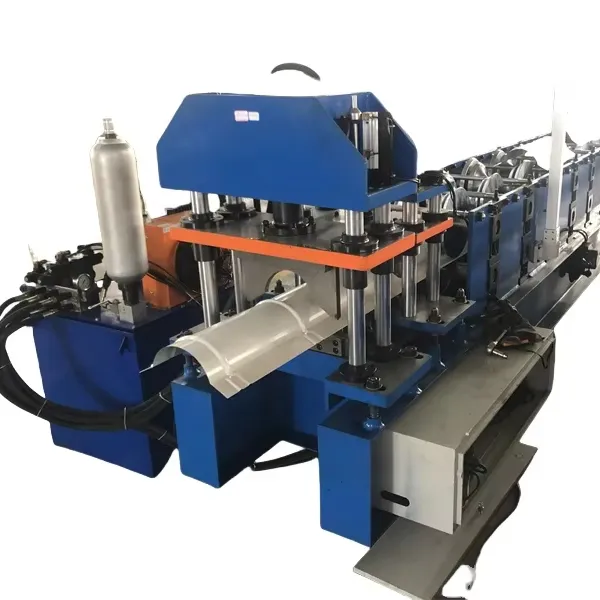 Metal Roof Ridge Tile Making Machine 0.3-0.8mm Thickness Core
- 15 m/min+ZTRFM-Ridge cap Roll forming Machine+5.5KW
$8,000.00
MOQ: 1
 Colored Steel Semi-Circle Metal Ridge Cap Roll Forming Machine
- 0-6m/min+punching-ridge-cap+4kw
$12,000.00
MOQ: 1
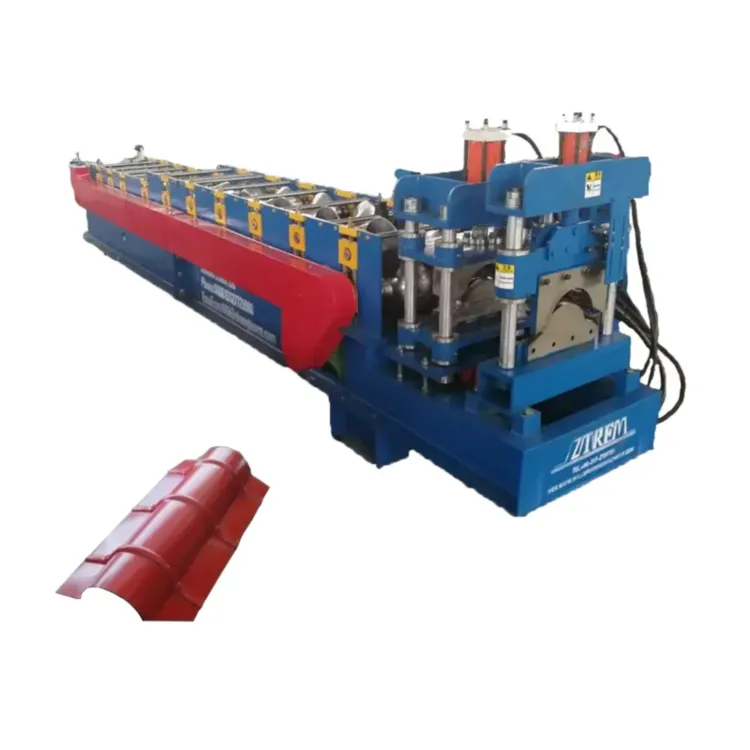 Metal Roof Ridge Cap Roll Forming Machine Roof Ridge Cap Roll
- 3-5m/min+7kw
$14,500.00
MOQ: 1
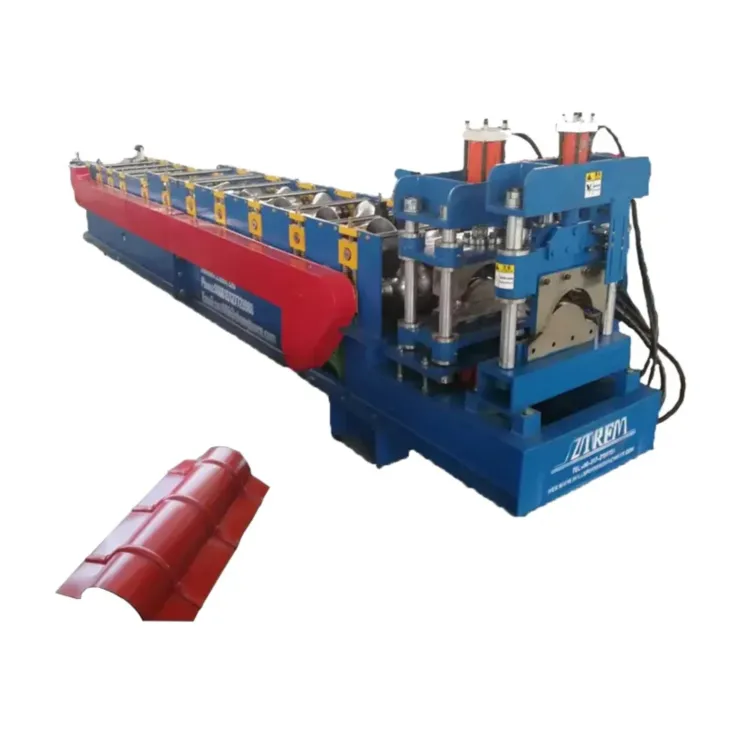 Metal Roof Ridge Cap Roll Forming Machine Roof Ridge Cap Bending
- 3-5m/min+7kw
$14,500.00
MOQ: 1
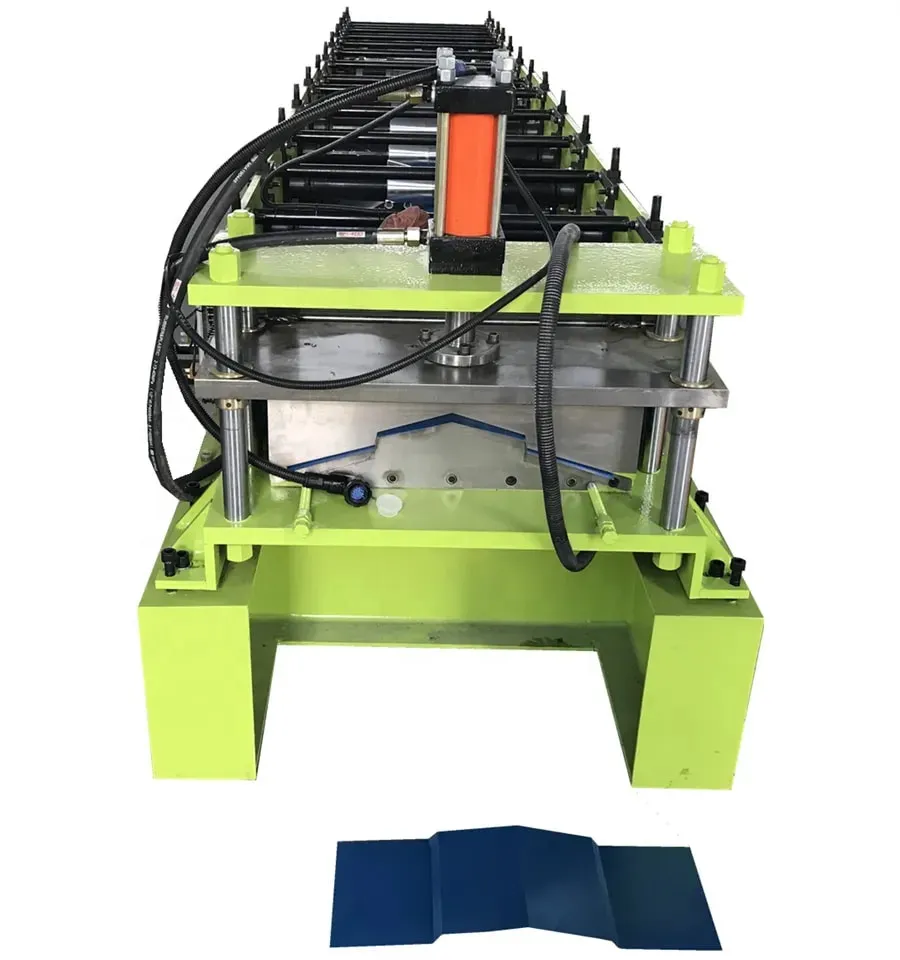 Metal Roof Ridge Cap Roof Valley Flashing Roll Forming Machine
- 15 m/min+ZT-Cap+4+3kw
$12,000.00
MOQ: 1
 Automatic Ridge Cap Roll Forming Machine for Metal Roofing
- 6-8 meters
$16,999.00
MOQ: 1
 ZhongTuo Metal Roof Ridge Tile Making Machine for Color Steel Profile
- ZTRFM-ridge cap roll forming machine
$13,000.00
MOQ: 1
 Metal Roof Ridge Tile Making Machine for Color Steel Profile
- ZTRFM-ridge cap roll forming machine
$20,000.00
MOQ: 1
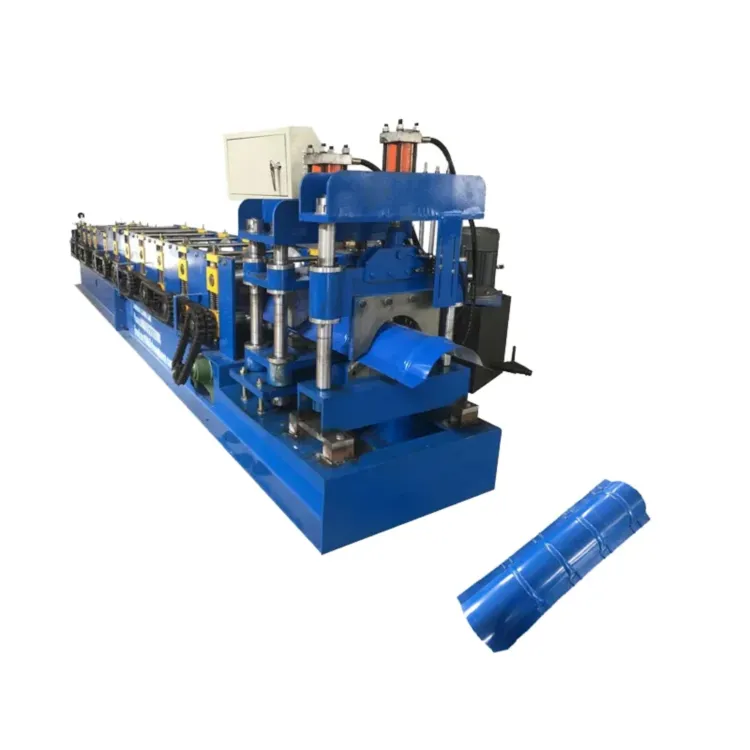


About Ridge Cap Roll Forming Machines
Ridge cap roll forming machines represent indispensable secondary roofing machinery in metal construction, roofing contracting, and prefabricated building envelope manufacturing. Installed at the apex where opposing roof slopes meet, ridge caps provide essential weather-tight sealing, prevent wind-driven rainwater infiltration, and deliver a clean architectural finish along roof ridges and hips.
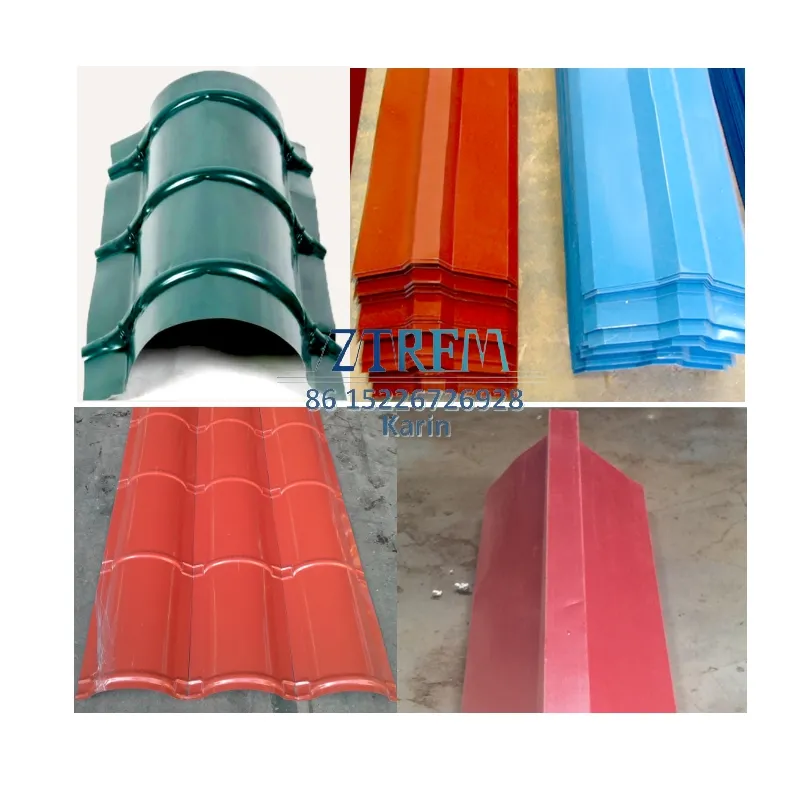
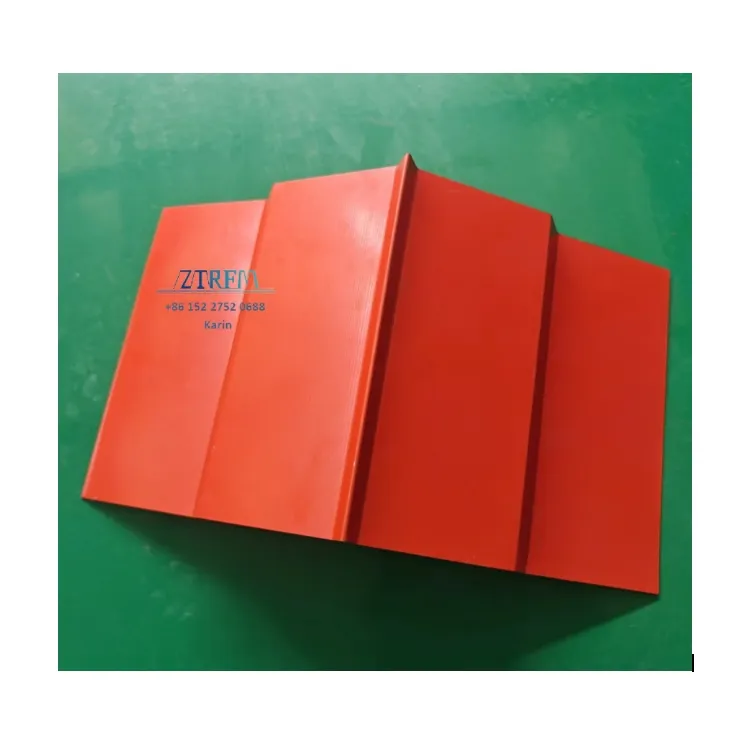
Modern machinery produces three primary ridge cap styles: standard V-shaped angular ridge caps with stiffening ribs and hemmed drip edges; stepped architectural ridge caps featuring hydraulic transverse crimping steps that harmonize with glazed step-tiles; and semicircular or barrel ridge caps commonly specified for residential villas and classical heritage architecture. Coiled steel strip feeds through 12 to 18 progressive roll forming stations utilizing solid 45# carbon steel or GCr15 rollers plated with 0.05 mm hard chrome to prevent scratching delicate color coatings.
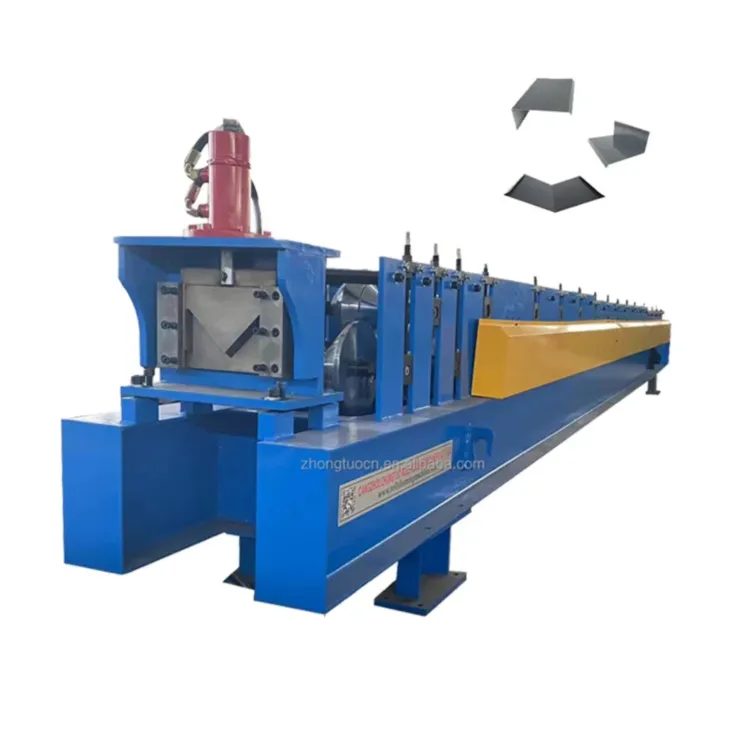
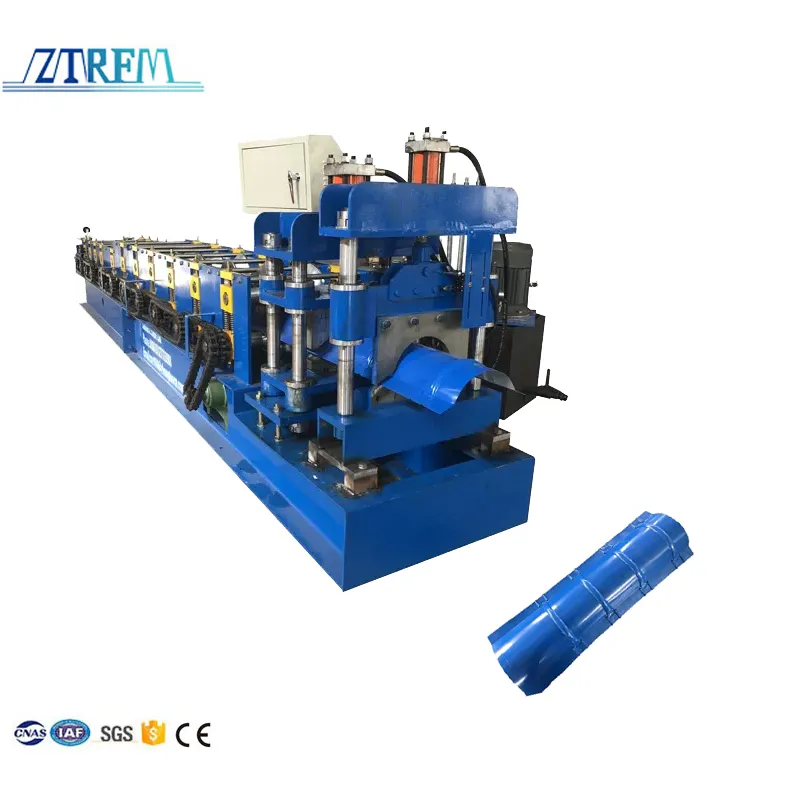
The complete production line comprises a 3-ton to 5-ton manual or hydraulic decoiler, precision side-guiding system, multi-station roll former, hydraulic step-pressing unit (for stepped tile caps), and an automated profile cut-off shear powered by a dedicated hydraulic station. Controlled via an industrial PLC and touchscreen HMI, operators can program piece lengths, step pitch, and batch quantities with cut-to-length accuracy within ±1.0 mm at production speeds of 8 to 15 m/min for continuous reliable output.
Ridge Cap Roll Forming Machines Profiles


Applications
Industrial Logistics Warehouse Roof Apex Sealing
Continuous V-shaped galvanized and color-coated steel ridge caps sealing the peak of wide-span logistics warehouse roofs against wind-driven rainwater.
Luxury Residential Villa Stepped Glazed Tile Ridges
Hydraulically stepped color-coated metal ridge caps matching terracotta step-tile roofs on Mediterranean villas with crisp architectural eaves.
Commercial Steel Structure Workshop Hip Flashings
Precision-formed metal hip and ridge flashing profiles installed along multi-slope commercial workshop roofs ensuring leak-free transitions.
Agricultural Livestock Barn Ventilated Ridge Caps
Heavy-duty corrosion-resistant corrugated ridge caps installed with ventilation gaps over agricultural poultry barns and grain storage facilities.
Cultural Heritage Pagoda Antique Glazed Ridge Capping
Antique bronze and golden glazed steel barrel ridge tiles capping traditional Asian pavilion roofs with curved eaves and ornamental cresting.
Technical Overview
| Parameter | Information |
|---|---|
| Machine / Product Family | Metal roof ridge cap & hip flashing roll forming line |
| Applicable Coil Materials | PPGI, PPGL, GI (galvanized), structural aluminum alloy coils |
| Material Thickness Range | 0.30 mm – 0.80 mm (standard 0.40 mm – 0.60 mm roofing gauges) |
| Coil Infeed Strip Width | 300 mm – 600 mm (customized per ridge cap cross-section girth) |
| Forming Stations & Tooling | 12 – 18 stations (solid 45# steel rollers, hard chrome plated 0.05 mm) |
| Roller Shaft Diameter | Φ65 mm – Φ75 mm (solid 45# carbon steel, quenched and tempered) |
| Stepped Pressing System | Hydraulic step-forming mold (Cr12MoV, 150–400 mm programmable pitch) |
| Cutting System & Blade | Hydraulic profile contour cut-off shear (Cr12MoV, heat treated HRC 58–62) |
| Line Speed & Length Accuracy | 8 – 15 m/min production speed; cut length tolerance ±1.0 mm |
| Control System & Automation | PLC control system (Siemens / Delta / Mitsubishi) with color touch HMI |
Related Solutions

Trapezoidal Roofing Line Solution (TR4)
Coil-to-panel TR4 roof line for metal buildings. Host + 5 T decoiler; curving, r…
Roof Panel and Wall Panel Combined Line
Combined line for standing seam roof and wall panels. Quick tooling change betwe…
Multi-Layer Roofing Solution
One mill that sells two (or three) roof profiles, and a barrel corrugator that s…
Wide-Format Roofing Production Solution
Buyers type “3 m roofing” for four different jobs: a 3 m cut length on a roof mi…
Standing Seam Roofing Project Solution
A standing-seam project is a shop mill that forms lock legs, plus an on-roof sea…
Arch Roof & Warehouse Building Solution
An “arch roof” search usually means one of four hosts: a jobsite K-span that for…
Related Information

Roofing Sheet Roll Forming Machine: Corrugated, Trapezoidal & IBR Profiles Explained
Corrugated vs trapezoidal vs IBR roofing profiles — what each looks like, where…
Read More
Steel Roofing Sheet Profiles and Dimensions: A Buyer's Reference Guide
840, 900, 750, IBR, corrugated, standing seam — what do these roofing sheet prof…
Read More
How to Choose a Roof Panel Roll Forming Machine: 10 Factors That Matter
How to choose a roof panel roll forming machine for your market: profile type (c…
Read More
Glazed Tile Roll Forming Machine Manufacturers: How to Pick a Real Supplier
How to choose a glazed tile (color steel) roll forming machine manufacturer: fac…
Read More
Double Layer Roof Sheet Roll Forming Machine: Advantages, Specs & Trade-offs
double layer roof sheet roll forming
Read More
Stone Coated Roof Tile Production Line vs. Glazed Tile Roll Forming Machine: Process, Capex, and Market Demand Comparison
stone coated roof tile production line
Read More
FAQ
What ridge cap profile styles can be produced on a ridge cap roll forming machine?
Machines produce standard angular V-shaped ridge caps with side hemmed edges, semicircular round barrel caps, and stepped ridge caps featuring hydraulic transverse indentations designed to match stepped glazed tile roofs. Each machine is tailored to specific profile drawings.
What coil materials, widths, and thickness ranges are suitable for ridge cap machines?
Standard lines process prepainted galvanized steel (PPGI), prepainted galvalume (PPGL), aluminum, and galvanized strip in thicknesses from 0.3 mm to 0.8 mm. Infeed coil strip widths typically range between 300 mm and 600 mm depending on ridge girth.
How is the stepped effect created on architectural glazed tile ridge caps?
A dedicated hydraulic step-pressing mold is positioned downstream of the roll forming stands. As the formed ridge profile advances, the line pauses momentarily at programmed intervals (typically 200 mm to 400 mm) to stamp an architectural step indentation before final cutting.
What is the function of hemmed edges on metal roof ridge cap flashings?
Hemmed return edges provide structural rigidity along the long thin flashing edges, prevent sheet buckling during installation, eliminate razor-sharp metal edges for installer safety, and provide a snug mechanical seal over roof fasteners.
How are forming rollers machined to protect prepainted color coil surfaces from damage?
Rollers are precision CNC-turned from high-grade 45# steel or GCr15, heat treated for surface hardness, mirror polished, and electroplated with 0.05 mm hard chrome, ensuring smooth contact that prevents paint scuffing or coating micro-cracking.
What length tolerance and production speed can buyers expect from ridge cap roll formers?
Lines equipped with optical rotary encoders and PLC controls achieve cut-to-length accuracy within ±1.0 mm. Production speeds range from 8 to 12 m/min for stepped ridge caps and 12 to 18 m/min for continuous straight V-caps.
What key parameters should buyers provide when requesting a machine quotation?
Buyers should supply cross-sectional drawings with dimensions (flange angle, girth, hem size, step depth), coil material type (PPGI/GI/Aluminium), thickness range, uncoiler capacity, and workshop electrical voltage standards.