
- Tuo AI

- Live

- My Account
- Shopping Cart
- Inquiry Basket
- Contact Us
- Back to Top




Al-Mn Roofing Tiles
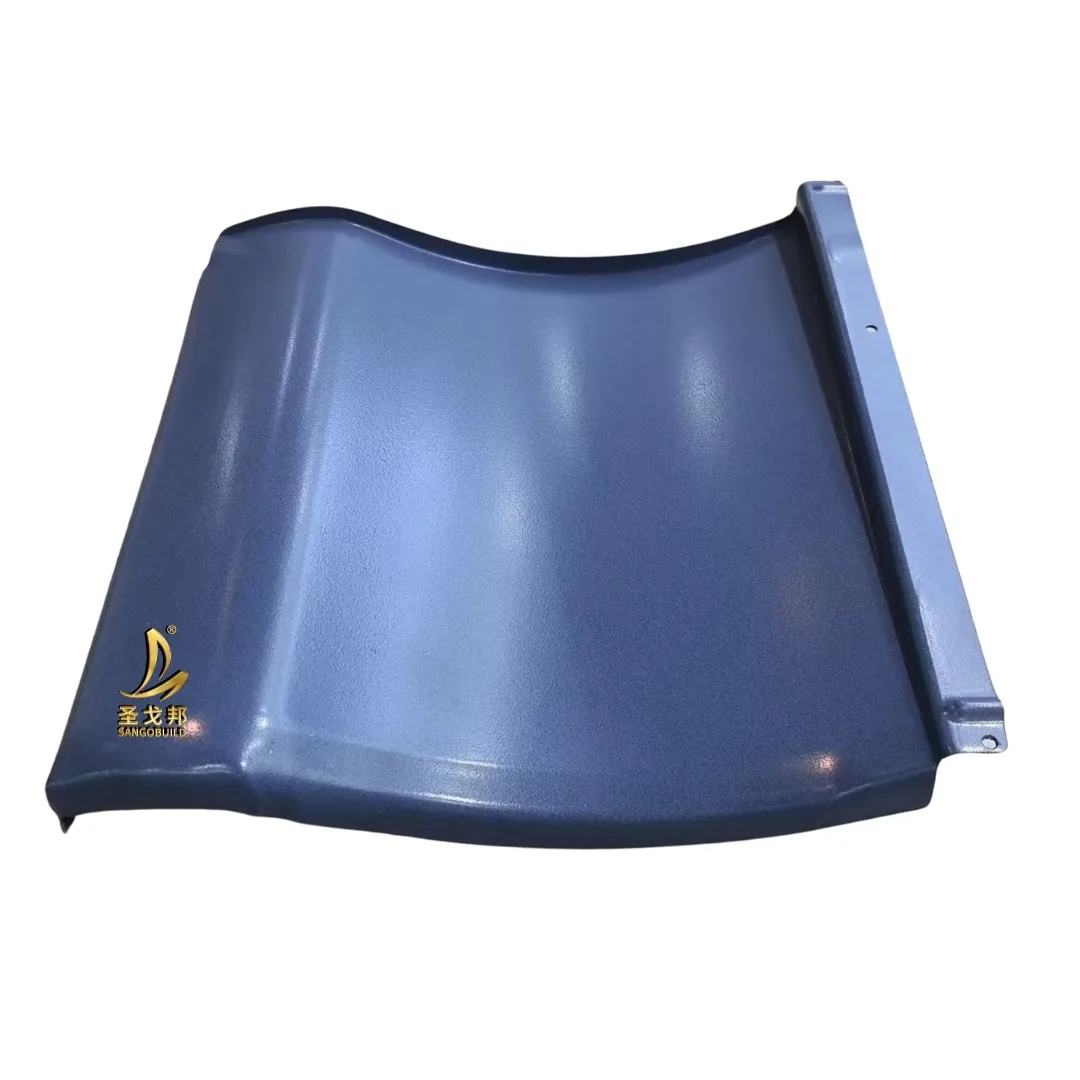
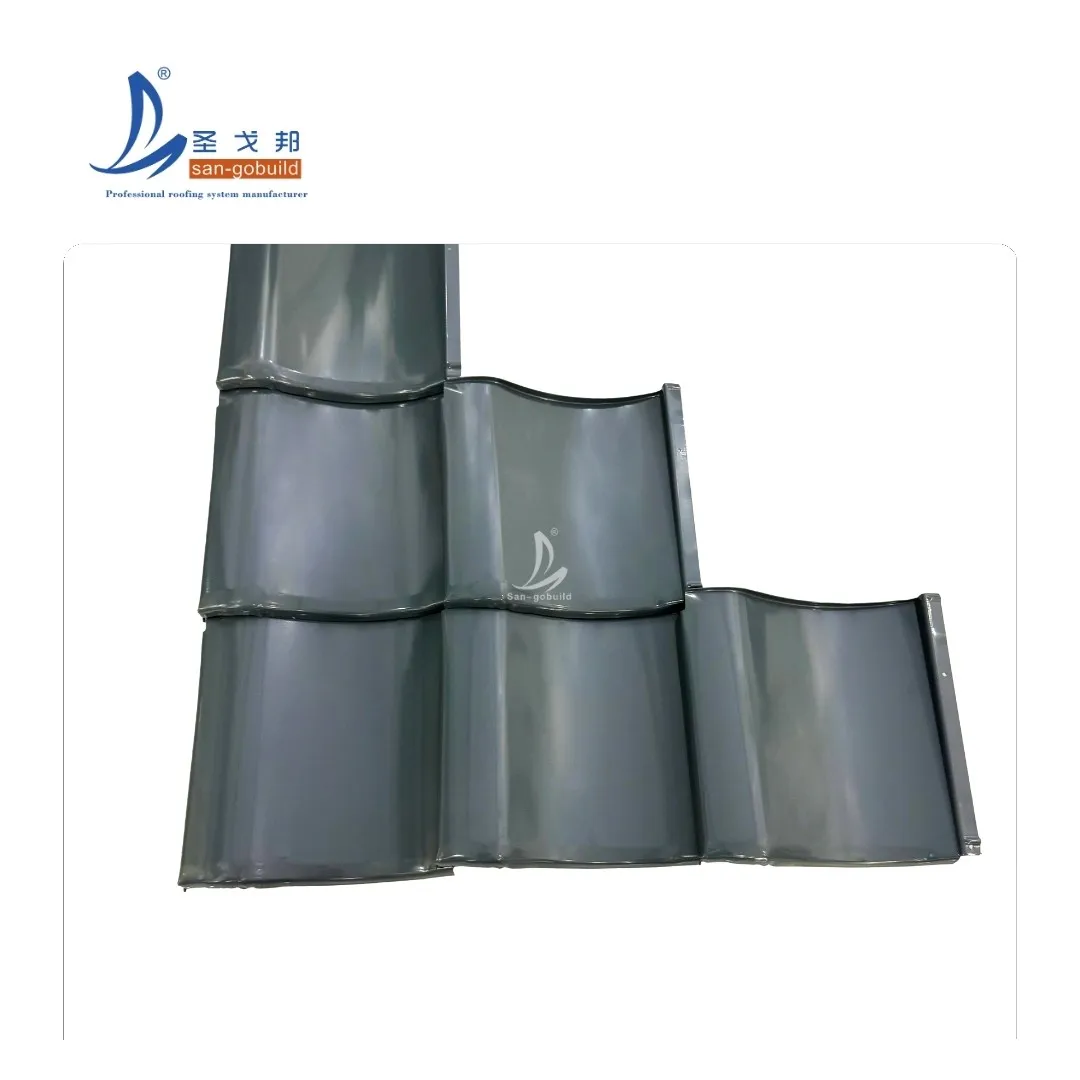
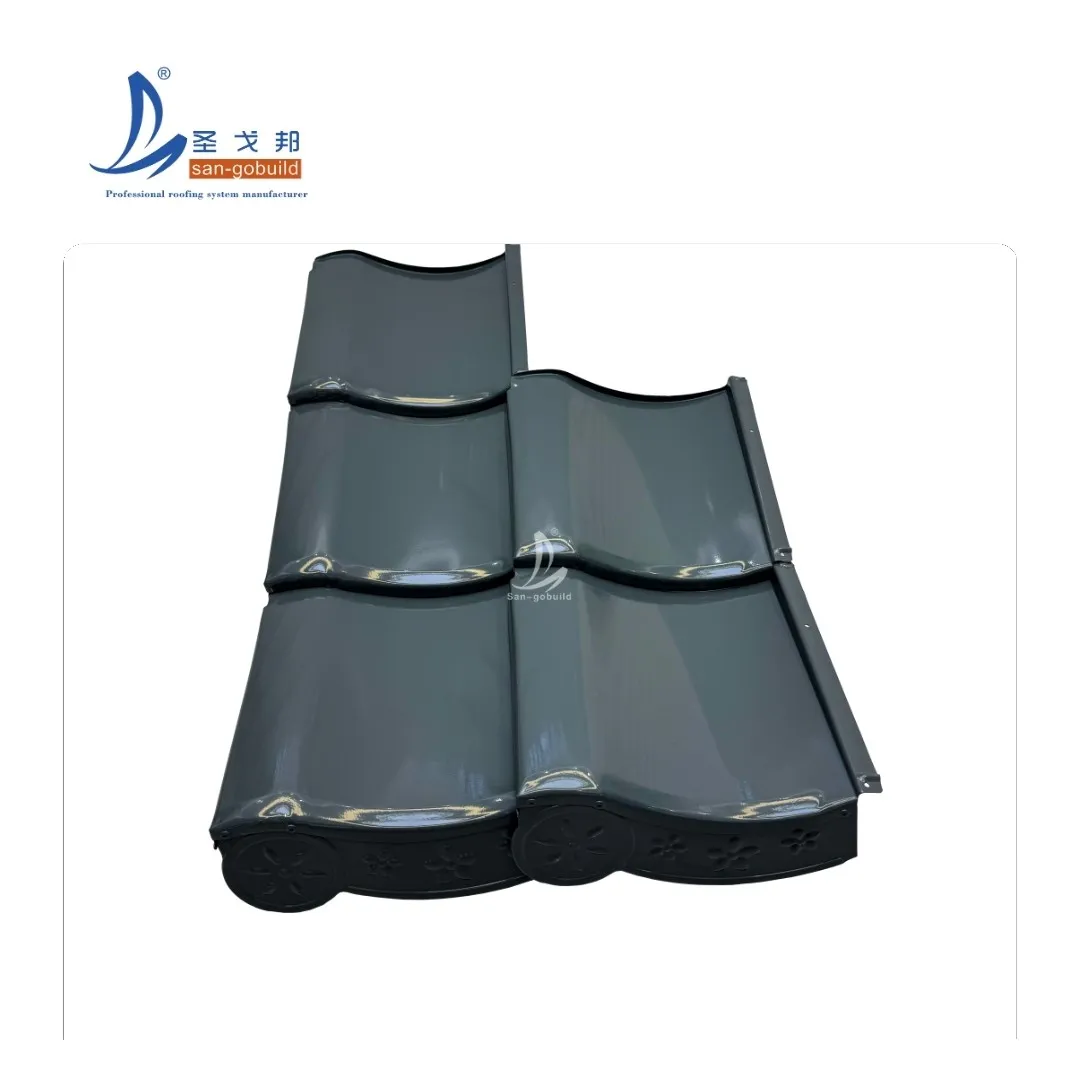
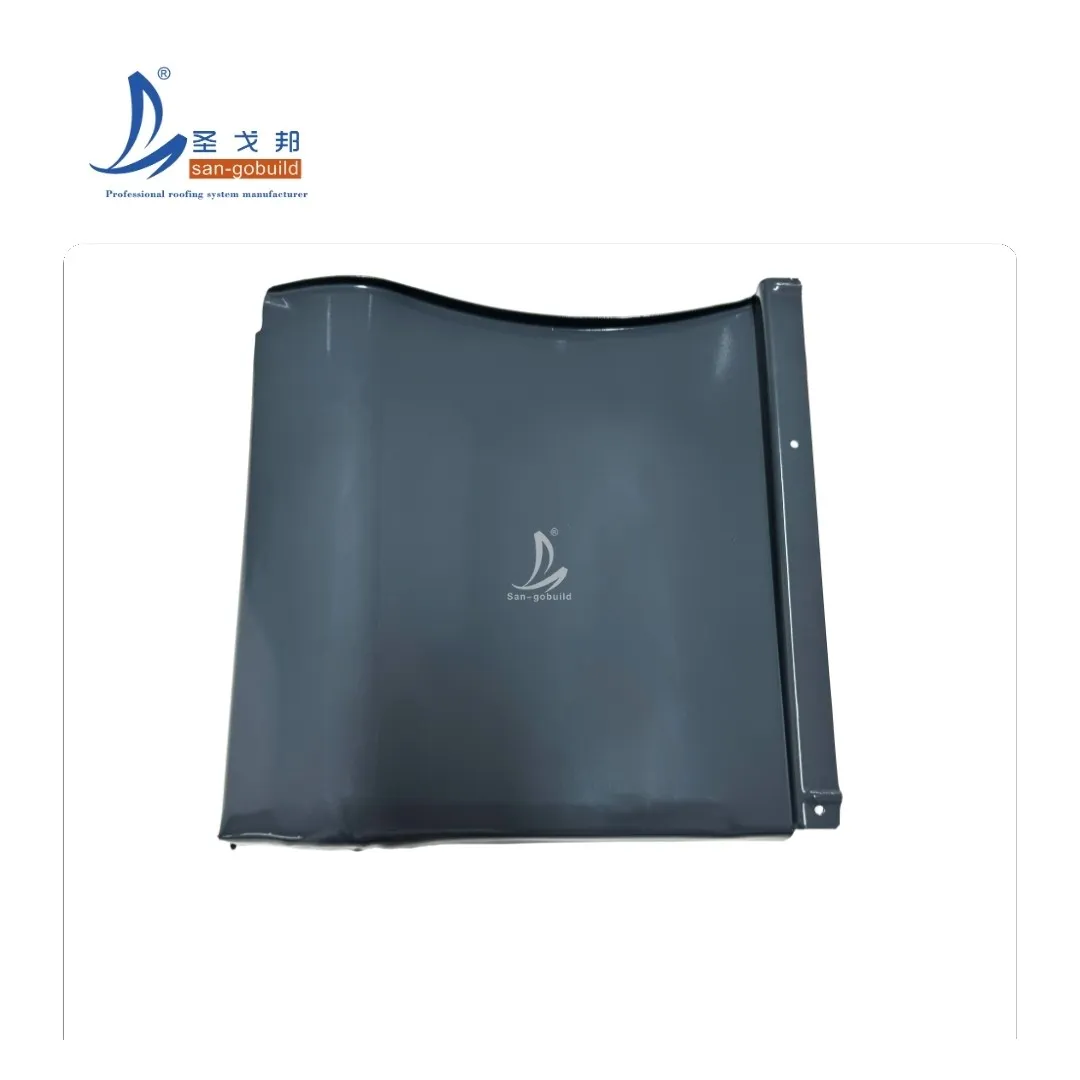
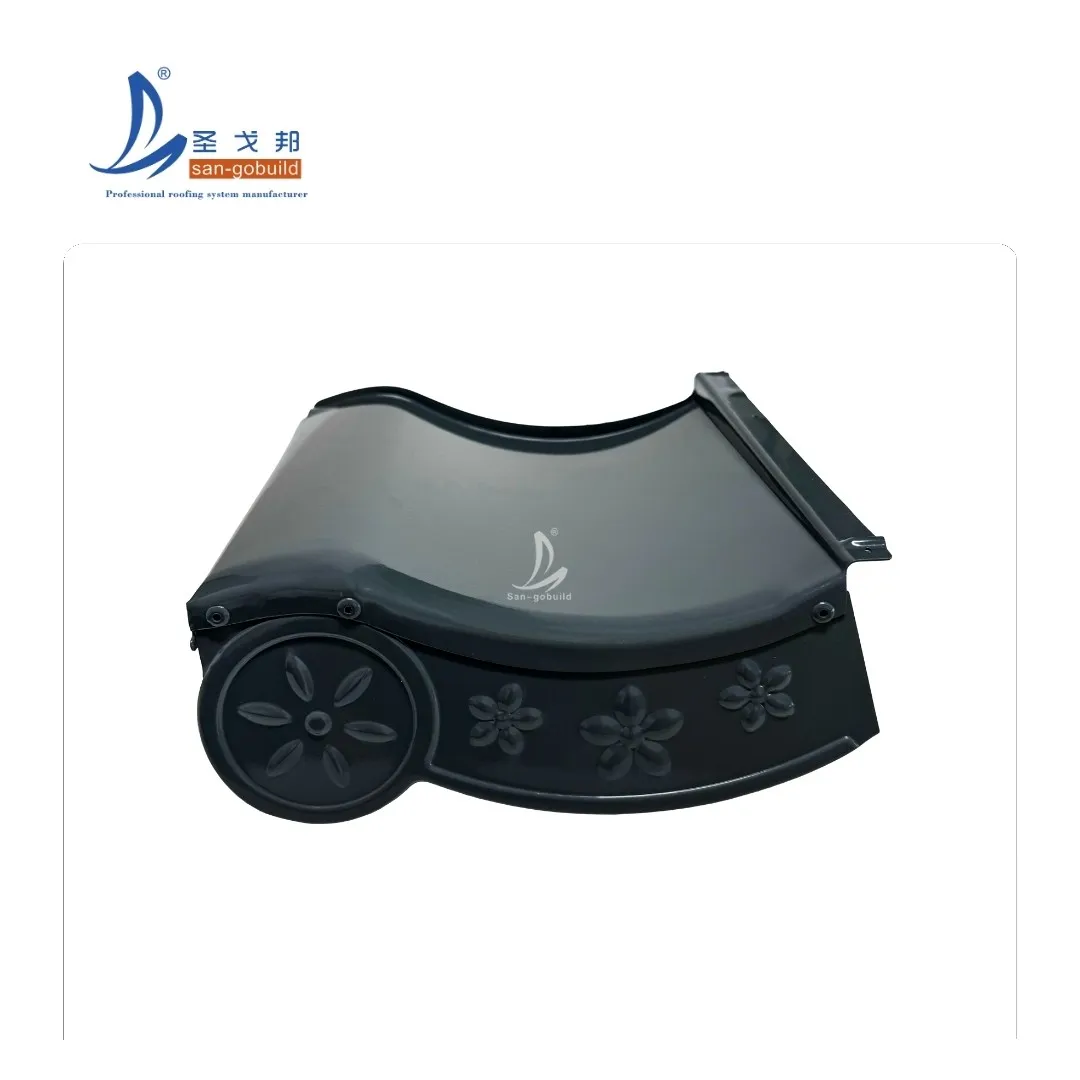
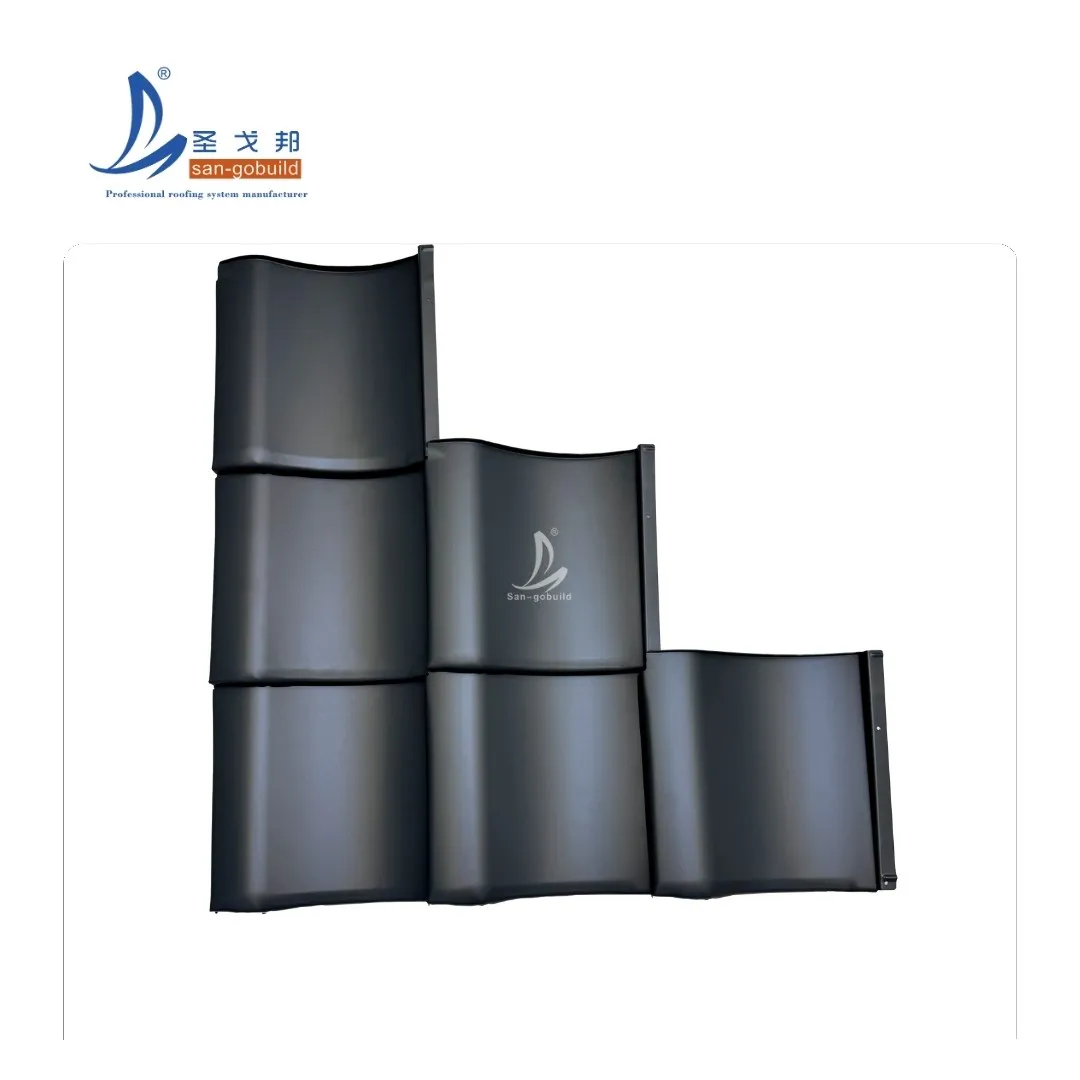
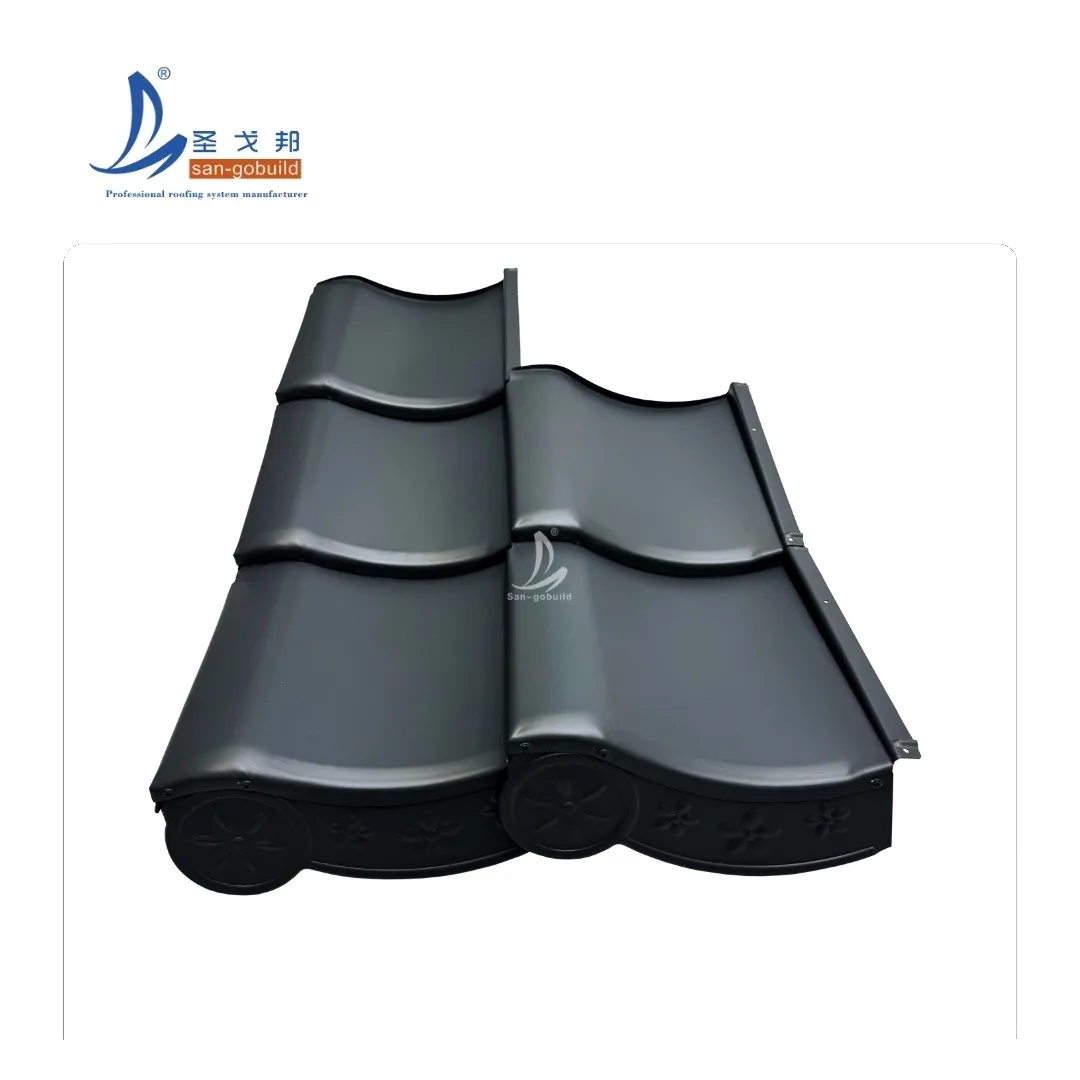
Al-Mn roofing tiles (aluminum-manganese / 3004 Al-Mg-Mn alloy) represent the premier tier of architectural metal roofing, combining ultra-lightweight performance, lifetime rust immunity, and high structural plasticity. Engineered with a nominal density of only 2.73 g/cm³—weighing one-third of traditional steel tiles—these panels are cold roll formed into stepped glazed shingles, curved barrel tiles, and standing seam profiles from 0.7 mm to 1.2 mm PVDF pre-coated aluminum coils. Capable of withstanding severe marine salt-spray, acid rain, and extreme temperature cycling without corrosion, Al-Mn systems deliver a 50+ year service life. Browse verified profile dimensions, custom roll forming lines, and architectural project solutions below.
Filters

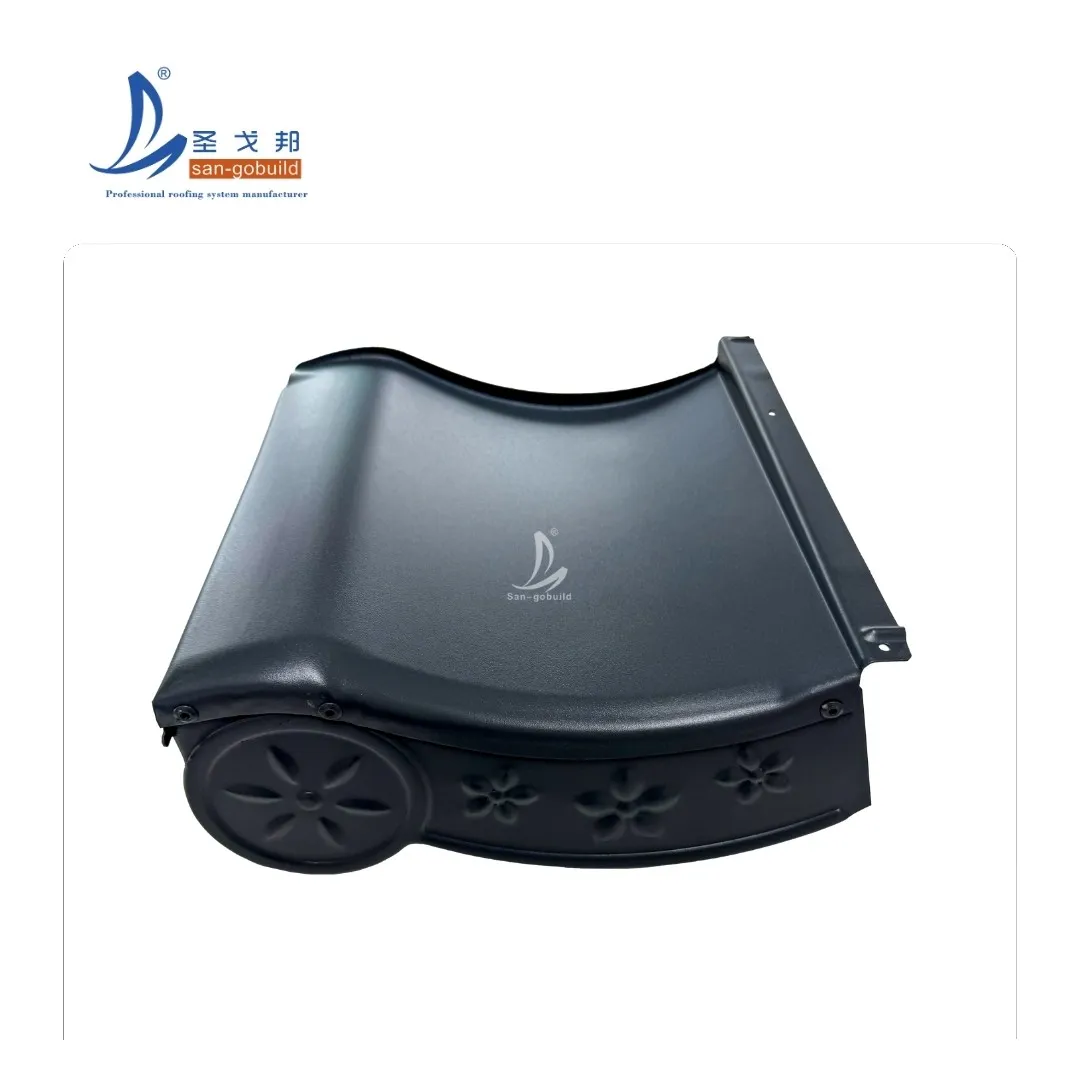
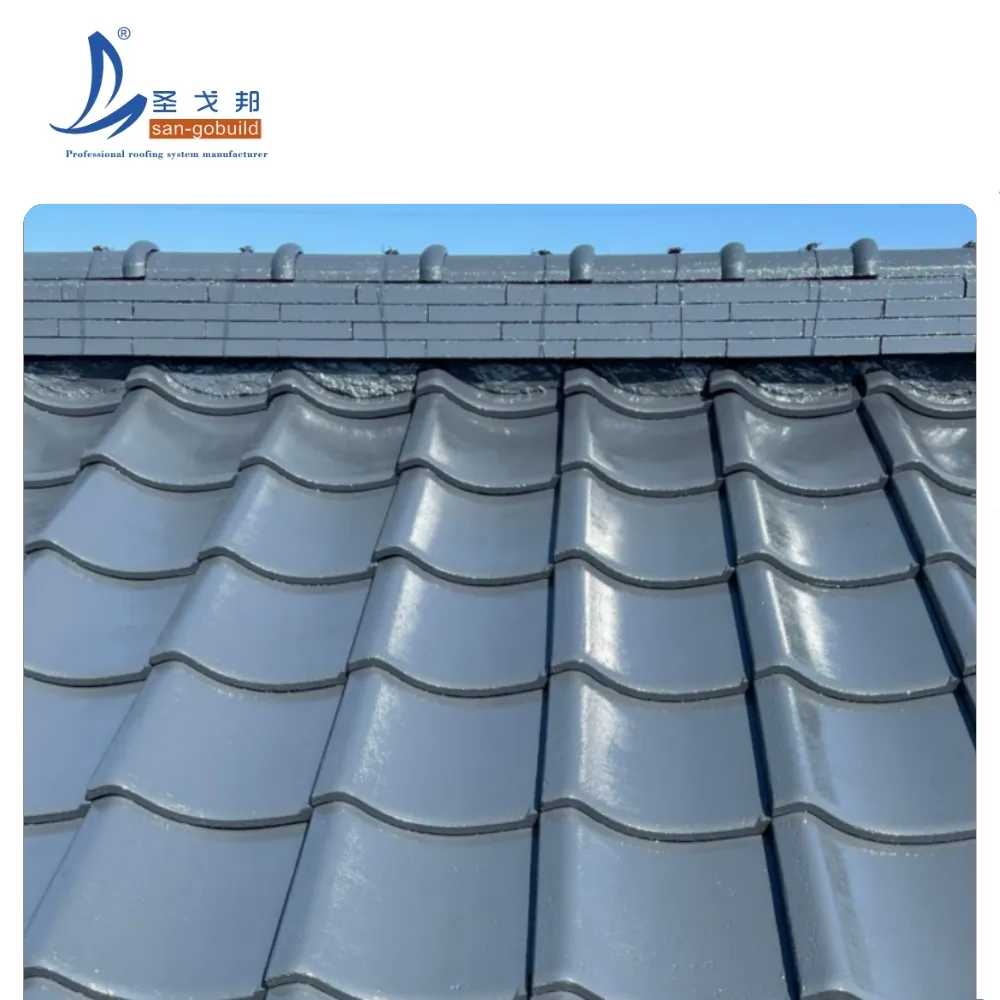
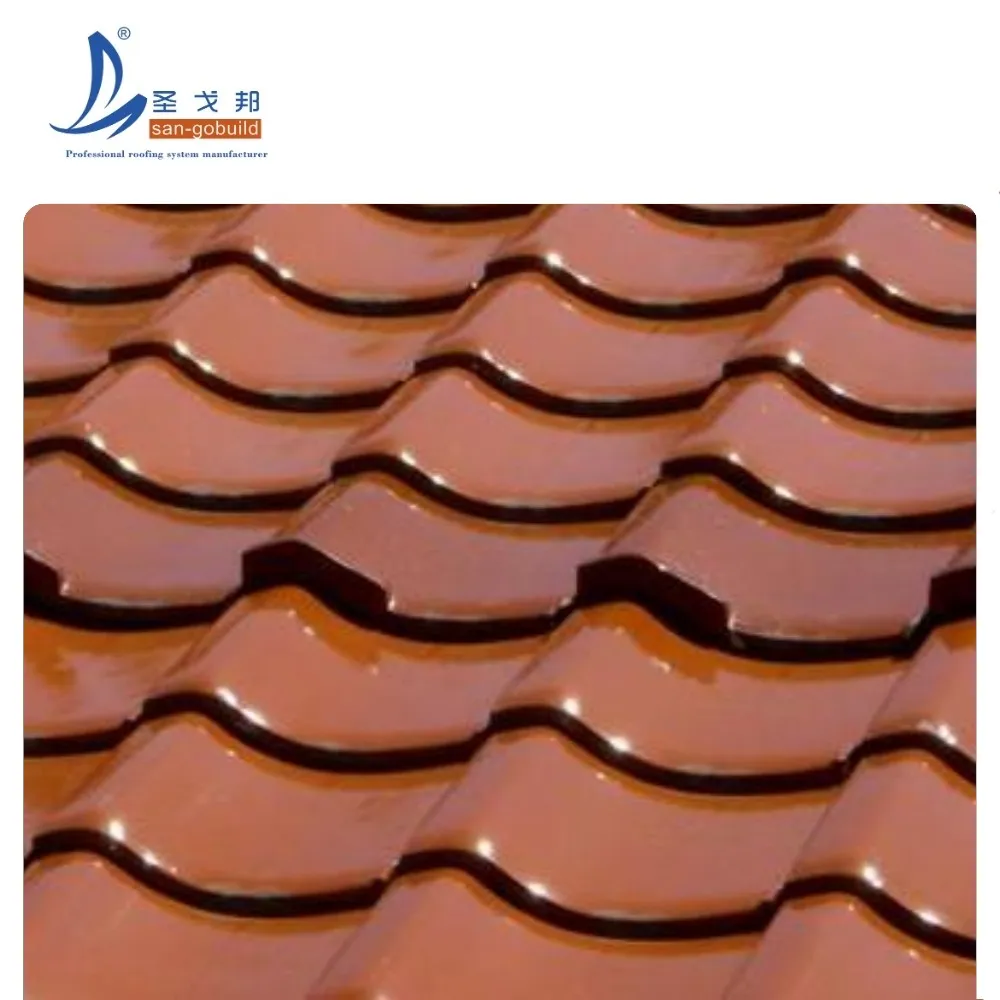
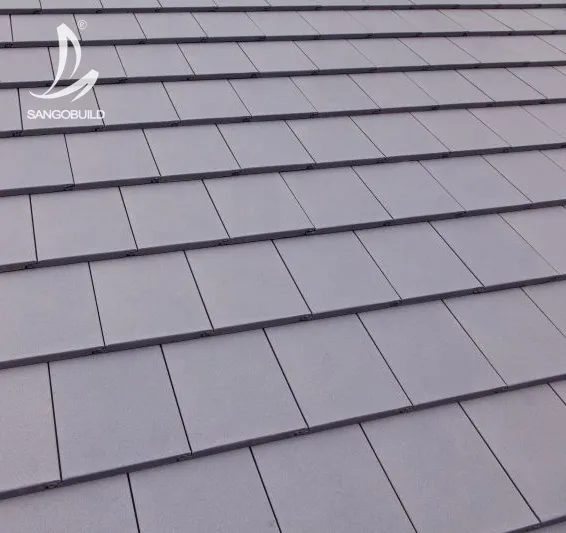

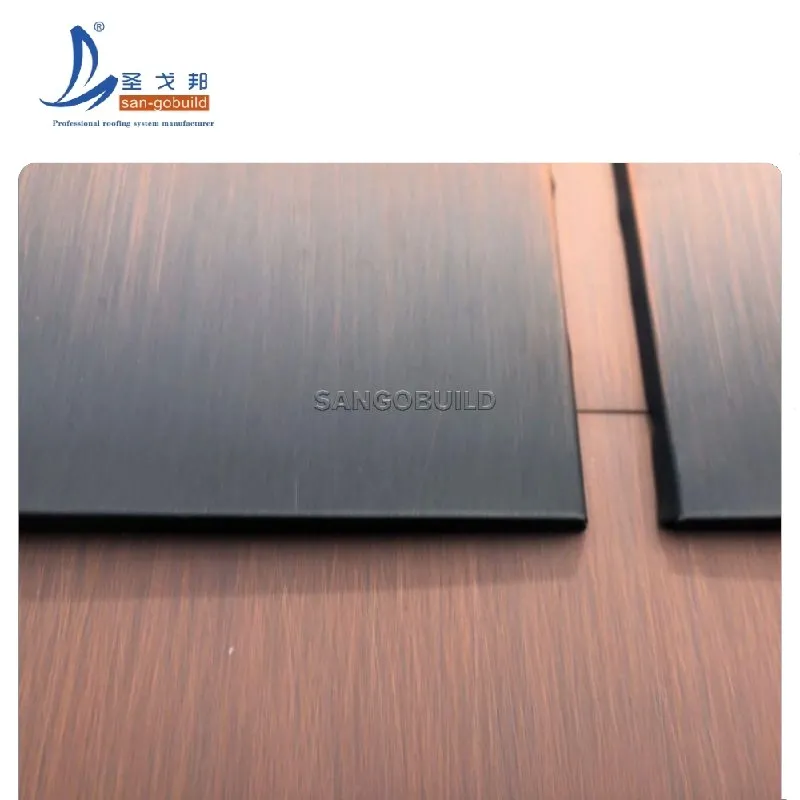
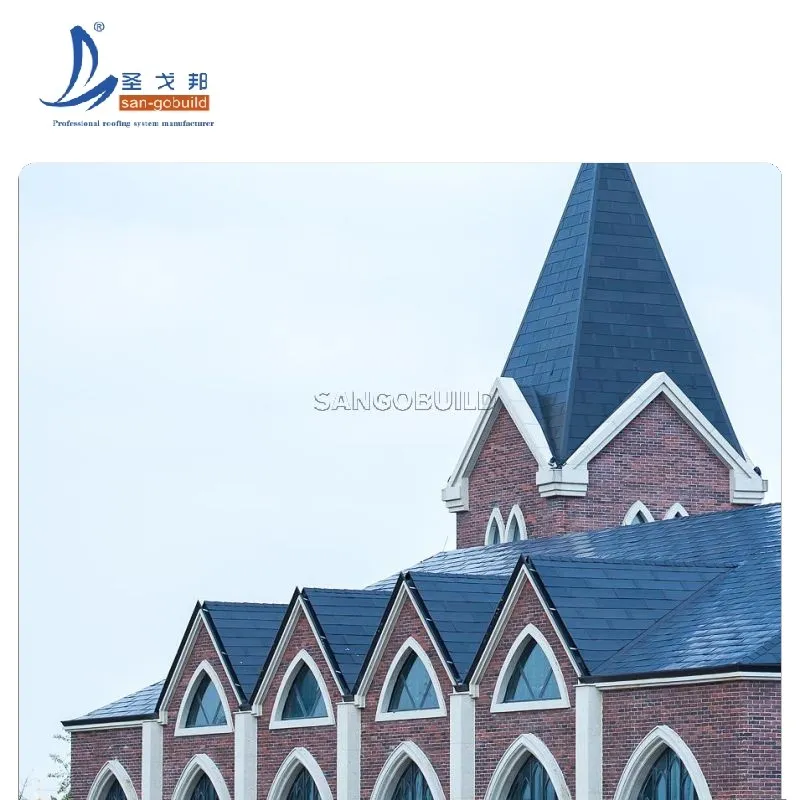
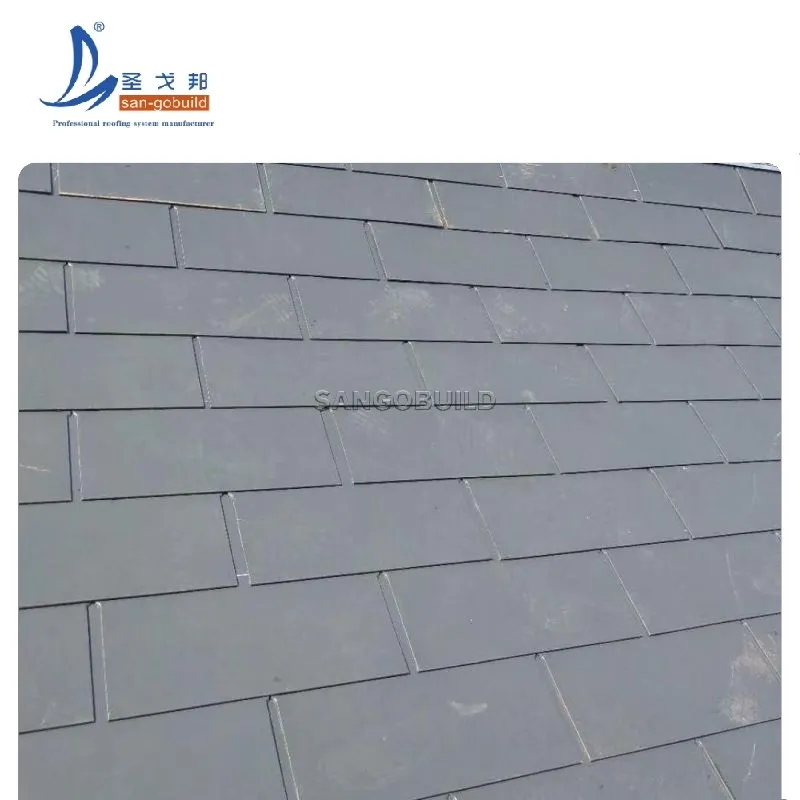
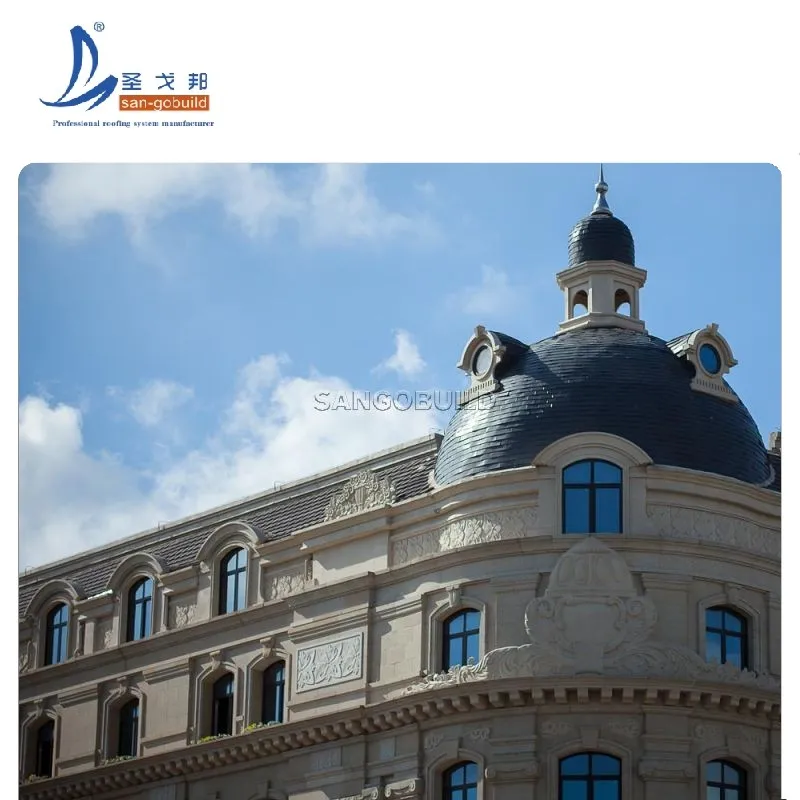
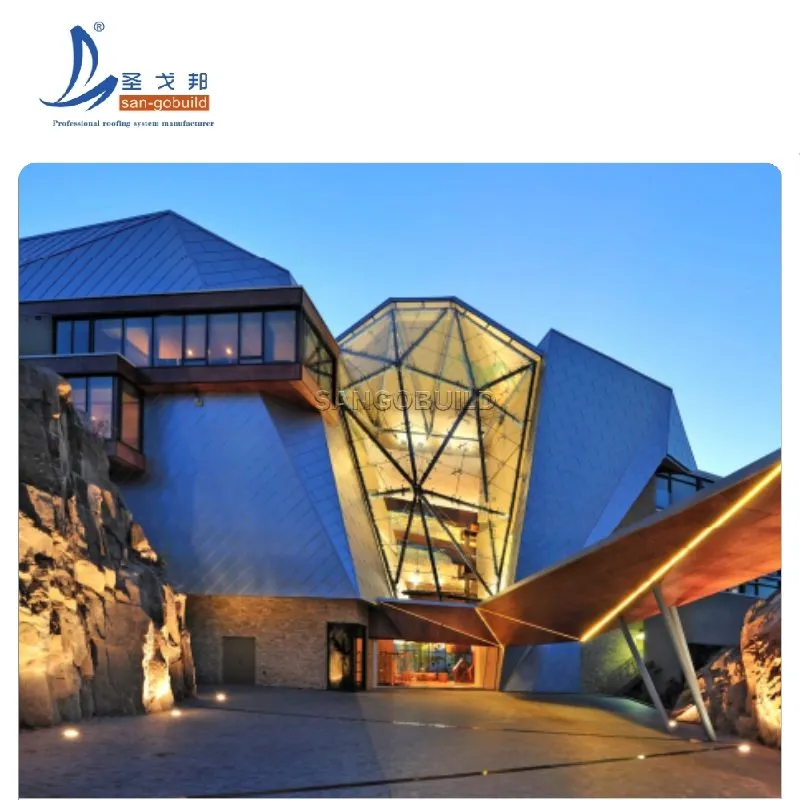
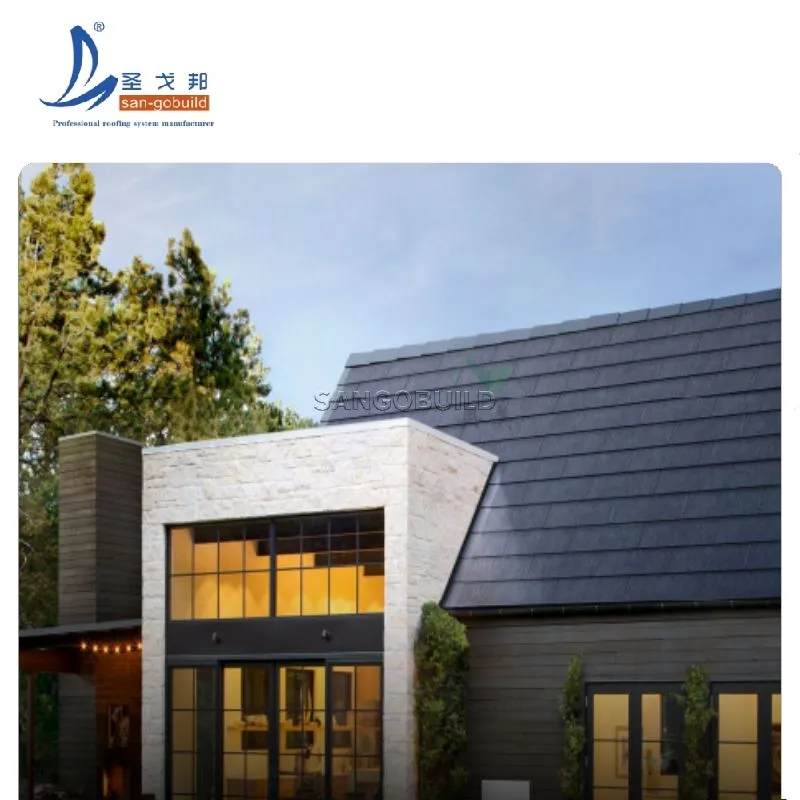
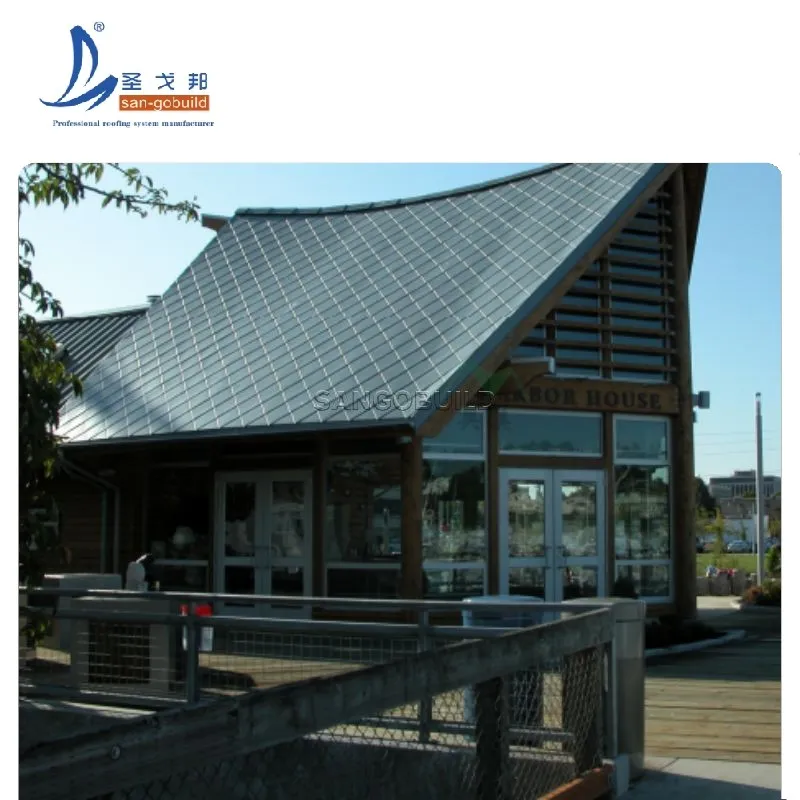
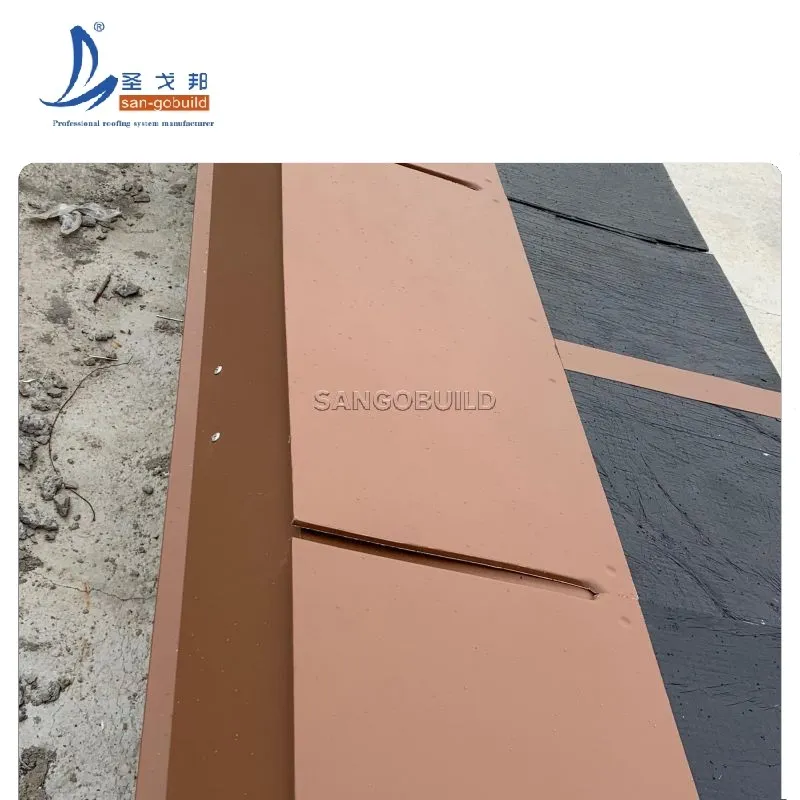
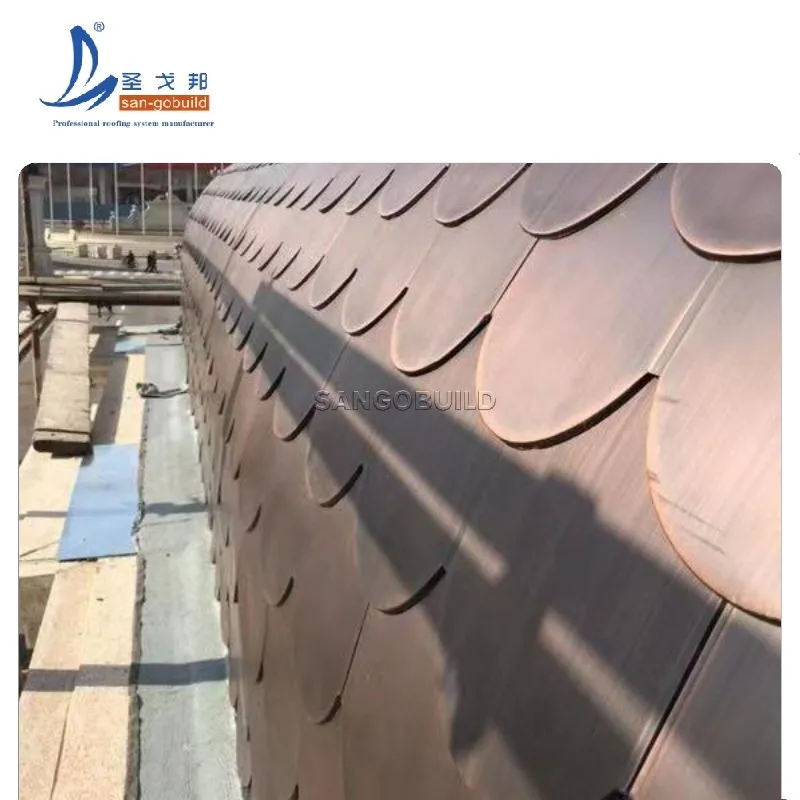
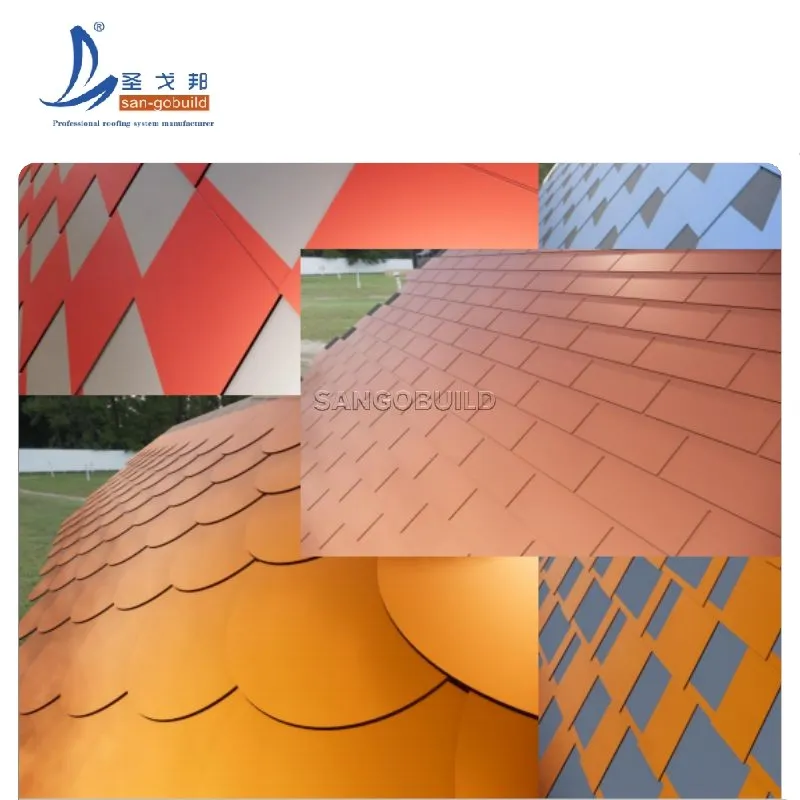
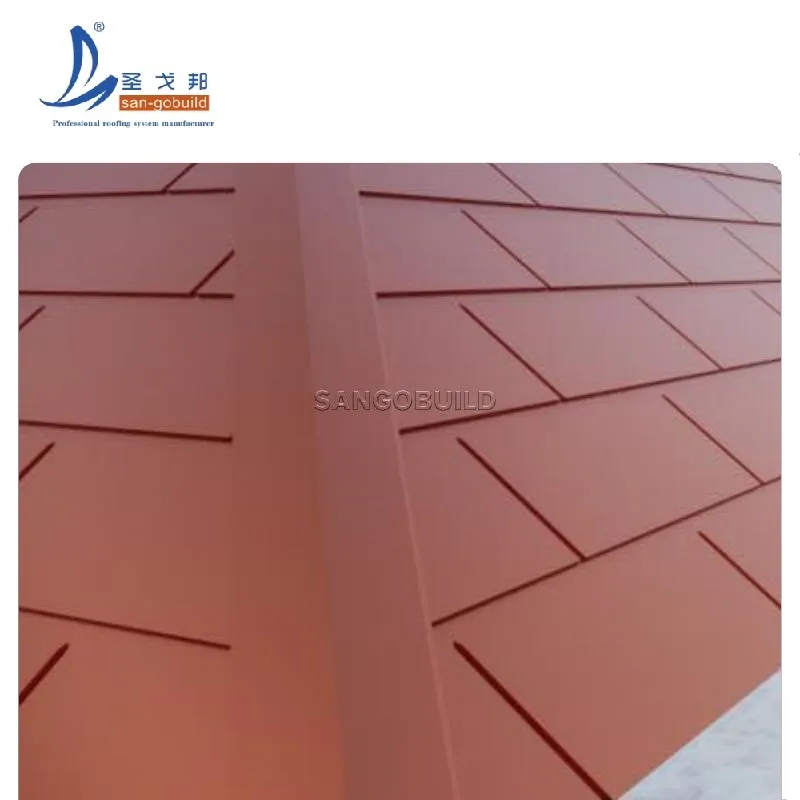
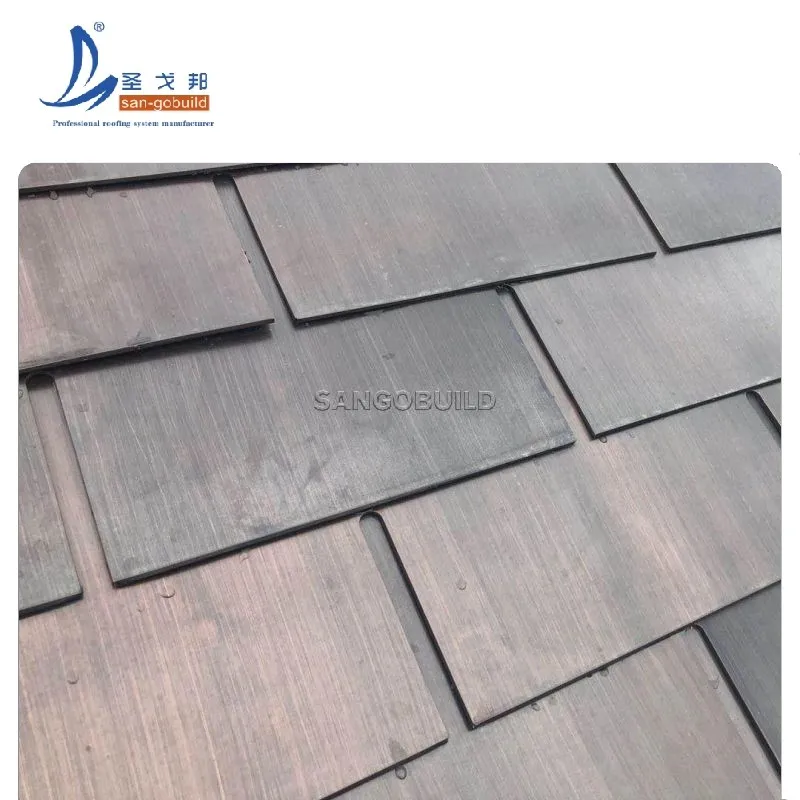
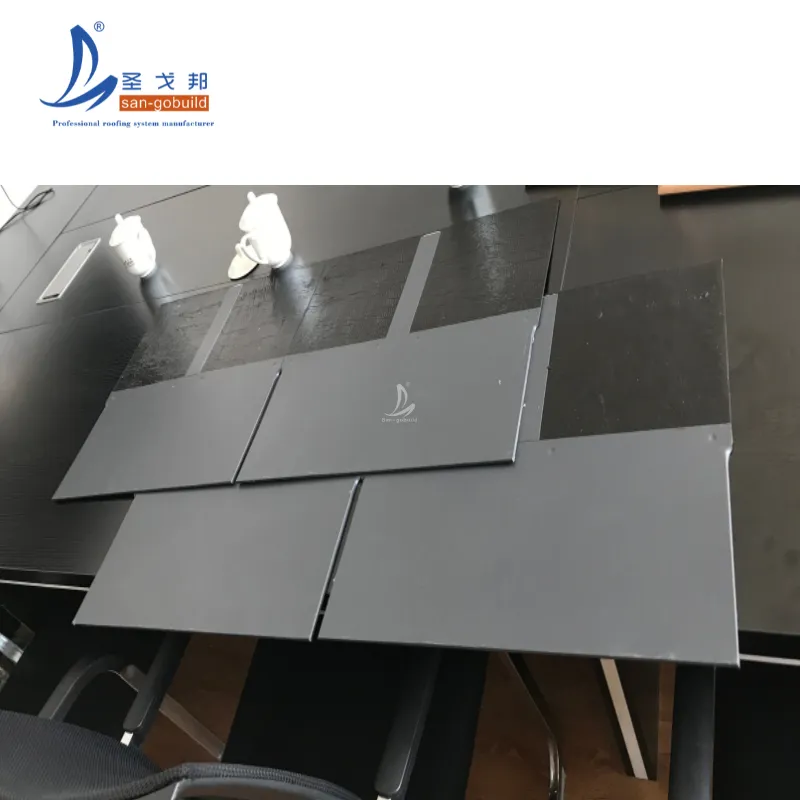
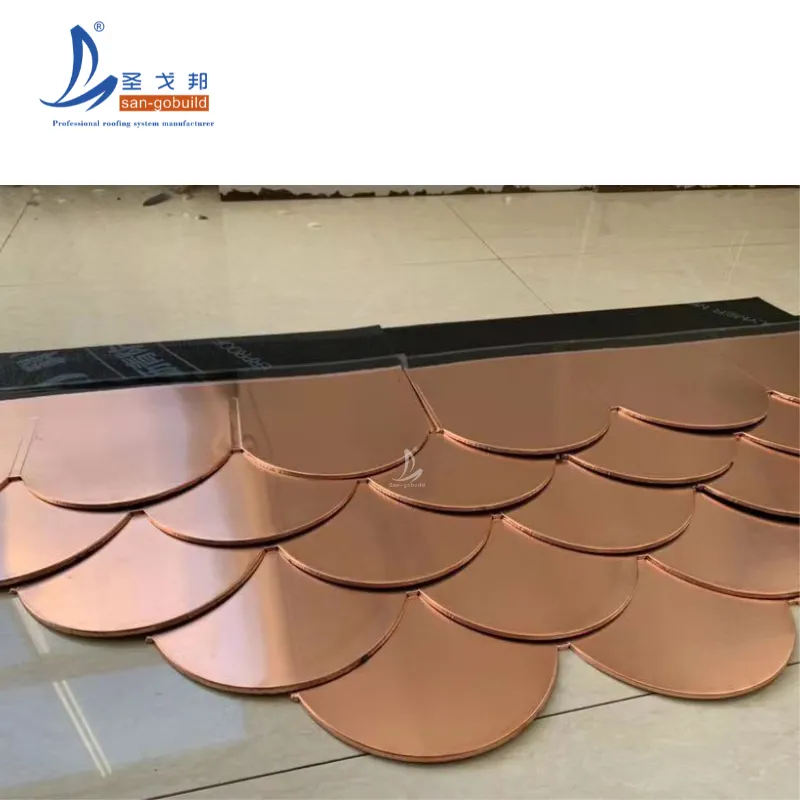
About Al-Mn Roofing Tiles
Al-Mn (Aluminum-Manganese) roofing tiles provide an exceptional blend of classical aesthetics, structural endurance, and lightweight building envelope performance. Utilizing manganese-strengthened aluminum alloys—predominantly 3003 and 3004 Al-Mg-Mn—the material achieves a 20% to 30% increase in tensile and yield strength over pure aluminum while retaining superior elongation and formability. This ductility enables sharp, intricate cold roll forming into stepped glazed roof tiles, Spanish barrel profiles, and standing seam systems without micro-fracturing along tight crest radii.
The fundamental engineering advantage of Al-Mn tiles is lifetime corrosion resistance. Upon exposure to oxygen, the aluminum alloy instantly develops an ultra-dense, self-healing aluminum oxide (Al2O3) passivation barrier. In aggressive coastal, chemical industrial, and acid rain environments where galvanized or galvalume steel panels eventually succumb to cut-edge rust, Al-Mn panels remain completely impervious, achieving an accredited design lifespan exceeding 50 years.
Factory-applied finishes utilize advanced fluorocarbon (PVDF / Kynar 500) continuous roller coating systems (typically two-coat or three-coat with thicknesses of 25 to 35 μm). This coating delivers outstanding resistance to intense ultraviolet radiation, color fading, and chalking, maintaining high architectural gloss and vibrant hues across decades. Additionally, because aluminum is non-sparking, non-magnetic, and 100% recyclable with high residual scrap value, it aligns with green building standards such as LEED and BREEAM.
These architectural tiles are installed across airport terminals, high-speed rail stations, cultural museums, coastal resort villas, luxury hotels, sports stadiums, and storm-resistant residential re-roofing projects worldwide.
Al-Mn Roofing Tiles Profiles


Applications
Airport Terminals & High-Speed Rail Hubs
Lightweight 3004 Al-Mn alloy roofing tiles and standing seam profiles accommodate complex three-dimensional aerodynamic curves across major airport terminals with zero risk of structural corrosion.
Cultural Heritage Pavilions & Classical Architecture
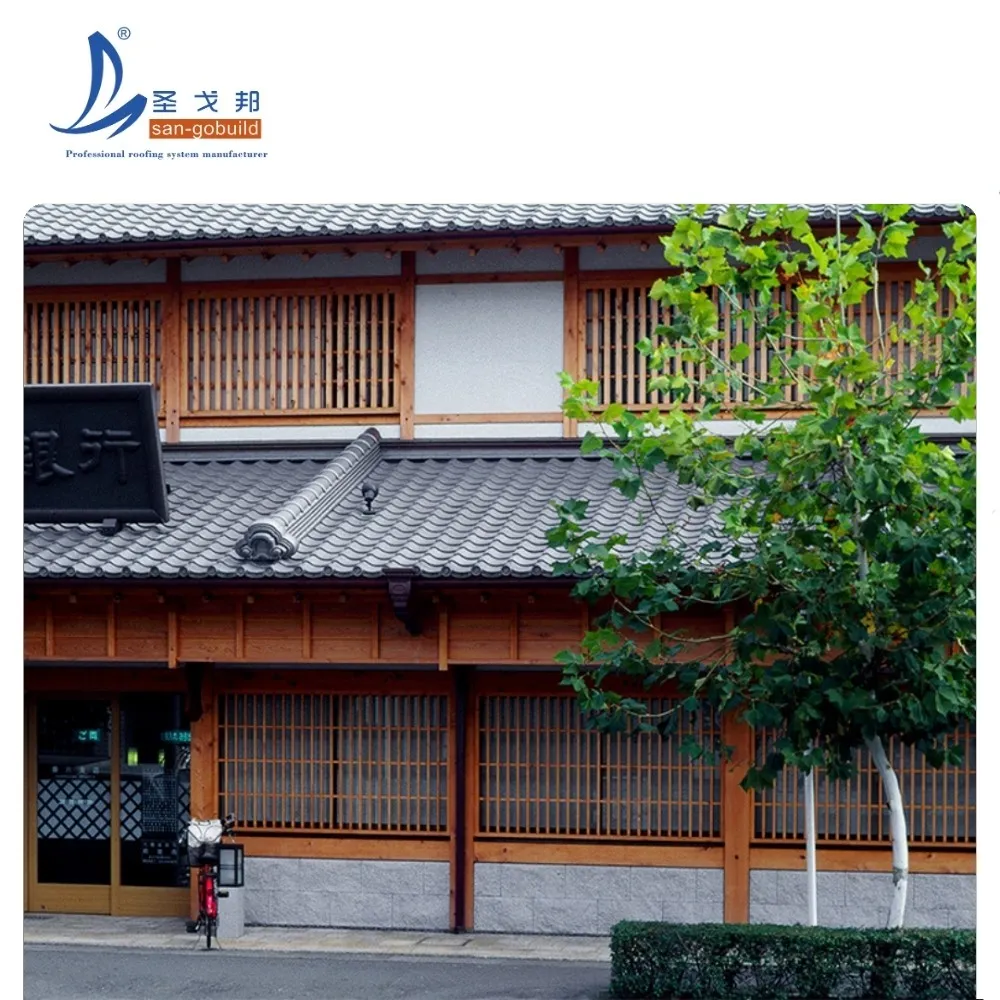
Stepped Al-Mn glazed roof tiles faithfully recreate traditional oriental and European clay tile aesthetics while eliminating freeze-thaw cracking and reducing roof dead load by over 70%.
Coastal Resort Hotels & Waterfront Luxury Villas
Inherently salt-resistant Al-Mn metal tiles withstand severe marine airborne salinity, delivering a 50-year rust-free service life with multi-tone PVDF coatings for luxury island villas.
Sports Stadiums & Natatorium Cantilever Roofs
Al-Mn standing seam tiles resist internal chloramine vapor from swimming arenas and external typhoon wind loads, spanning sweeping cantilevered grandstand roofs without expansion joint leaks.
Residential Sloped Roofs & Storm Retrofits
Ultra-lightweight Al-Mn step tiles install directly over existing residential roof framing without structural reinforcement, providing Class 4 hail impact resistance and hurricane-grade wind uplift security.
Technical Overview
| Parameter | Information |
|---|---|
| Product / Material Family | Aluminum-Manganese (Al-Mn / 3004 Al-Mg-Mn) architectural roof tiles |
| Alloy Grade & Temper | AA3004 / AA3003 / AA5052; Temper H24, H26, H14 |
| Material Density & Weight | 2.73 g/cm³ (approx. 2.2 – 3.2 kg/m²; 1/3 weight of steel) |
| Coil Thickness Range | 0.70 mm – 1.20 mm (standard 0.8 mm, 0.9 mm, 1.0 mm) |
| Effective Panel Width | Glazed Step Tile: 750 – 950 mm; Standing Seam: 400 / 430 / 500 mm |
| Surface Finish & Coating | PVDF fluorocarbon (Kynar 500 ≥70%), 2-coat/3-coat, ≥25 μm thickness |
| Tensile & Yield Strength | Tensile strength 140–200 MPa; Yield strength 110–165 MPa; Elongation ≥10% |
| Corrosion Resistance | Class 1 self-healing oxide film; salt-spray test ≥4000 hours without blistering |
| Hail & Wind Rating | Class 4 impact resistance (UL 2218); UL 580 Class 90 wind uplift tested |
| Recyclability & Sustainability | 100% recyclable with high scrap residual value; LEED / BREEAM compliant |
Related Solutions
Standing Seam Roofing Project Solution
A standing-seam project is a shop mill that forms lock legs, plus an on-roof sea…

Trapezoidal Roofing Line Solution (TR4)
Coil-to-panel TR4 roof line for metal buildings. Host + 5 T decoiler; curving, r…
Arch Roof & Warehouse Building Solution
An “arch roof” search usually means one of four hosts: a jobsite K-span that for…
Multi-Layer Roofing Solution
One mill that sells two (or three) roof profiles, and a barrel corrugator that s…
Wide-Format Roofing Production Solution
Buyers type “3 m roofing” for four different jobs: a 3 m cut length on a roof mi…
Roof Panel and Wall Panel Combined Line
Combined line for standing seam roof and wall panels. Quick tooling change betwe…
Related Information

Aluminum Roll Forming: 3000, 5000 and 6000 Series
Aluminum's low weight makes it ideal for solar, transport and facade profiles, b…
Read More
Material Selection for Cold Roll Forming: Steel, Aluminum, and Specialty Alloys
Selecting the right material is crucial for successful cold roll forming operati…
Read More
Glazed Tile Roll Forming Machine Manufacturers: How to Pick a Real Supplier
How to choose a glazed tile (color steel) roll forming machine manufacturer: fac…
Read More
Standing Seam Roof Roll Forming Machine: Panel Types and Production
Standing seam roof panels explained — snap-lock vs mechanical lock, MR-24 dimens…
Read More
How to Prevent Oil Canning in Standing Seam Roof Panels: Engineering & Roll Forming Guide
how to prevent oil canning standing seam
Read More
Stone Coated Roof Tile Production Line vs. Glazed Tile Roll Forming Machine: Process, Capex, and Market Demand Comparison
stone coated roof tile production line
Read More
FAQ
What are the structural and chemical advantages of 3004 Al-Mg-Mn alloy over steel for roofing?
3004 alloy contains approximately 1.0%–1.5% manganese and 0.8%–1.3% magnesium, increasing mechanical strength while preserving ductility. Weighing only 2.73 g/cm³ (one-third of steel), it dramatically lowers substructure load while its natural oxide layer provides complete immunity to rust in marine and chemical atmospheres.
How do stepped Al-Mn glazed tiles recreate clay tile appearance while improving performance?
Al-Mn glazed tiles utilize progressive roller dies followed by a synchronized hydraulic stepping press that stamps transverse steps (150 mm to 400 mm pitch). This creates the rich, three-dimensional shadow lines of classical Mediterranean or oriental ceramic tiles while eliminating frost cracking, moss growth, and heavy dead load.
What PVDF coating thickness and standards are recommended for Al-Mn roof tiles?
We recommend continuous roller-coated PVDF (polyvinylidene fluoride) with a minimum dry film thickness of 25 μm for topcoat and 5 μm primer (70% Kynar 500 resin ratio). This meets AAMA 2605 standards, guaranteeing 20 to 30 years against chalking, peeling, and color fading under intense ultraviolet exposure.
How does the roll forming process for aluminum differ from steel sheet forming?
Aluminum has a lower modulus of elasticity and higher springback than steel. Roll forming machines for Al-Mn tiles feature 18 to 24 finely tuned roller stations with mirror-polished Cr12MoV or hard-chromed tooling and specialized lubricants to prevent aluminum pick-up, surface galling, and edge wave distortion.
How are Al-Mn tiles fastened, and how is thermal expansion managed?
Standing seam Al-Mn panels use sliding concealed clips (stainless steel or aluminum alloy) that lock into folded seams, allowing frictionless expansion and contraction across lengths up to 60 meters. Stepped glazed tiles utilize concealed interlocking laps with EPDM-gasketed stainless fasteners positioned in sheltered watercourses.
Can Al-Mn tiles be bent into smooth three-dimensional curved and tapered roof shapes?
Yes, Al-Mn alloy can be cold-curved into convex, concave, and S-shaped curves on specialized curving roll formers with minimum bending radii down to 2–3 meters. Tapered forming lines also produce fan-shaped panels for conical, dome, and sweeping aerodynamic terminal roofs.
What critical parameters must buyers confirm when requesting an Al-Mn roofing tile quote?
Buyers should specify alloy grade (3003 vs 3004), temper (H24 or H26), coil thickness (typically 0.7 mm, 0.8 mm, 0.9 mm, or 1.0 mm), profile drawing (effective width and step depth), PVDF color code (RAL or metallic sample), and total project square meter schedules.